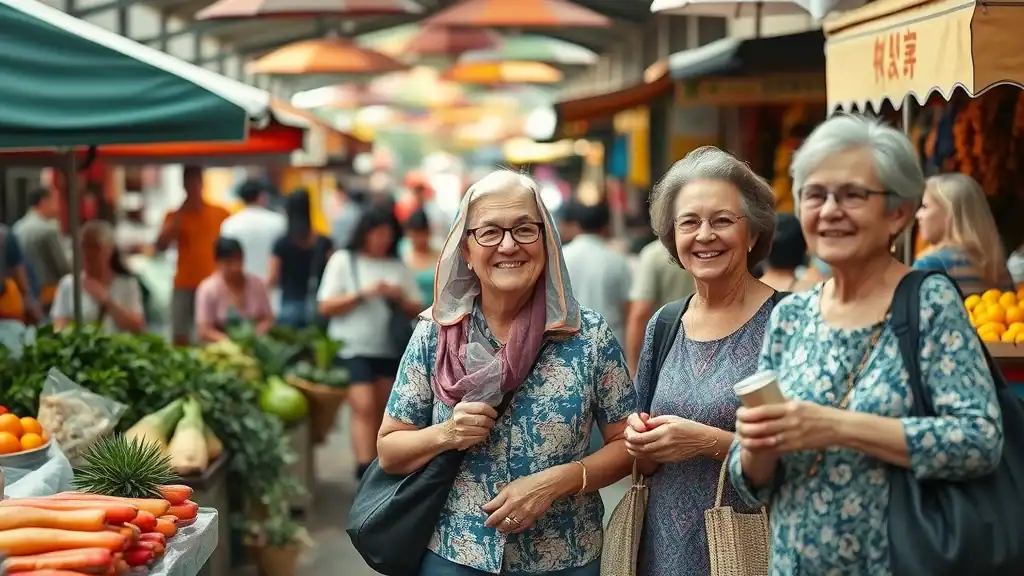
Did you know? Over 65% of travelers unintentionally offend locals in Southeast Asia by ignoring simple etiquette—yet a few small changes could transform your journey from awkward to awe-inspiring. If you’re over 50 and ready to connect deeply with the people and places you visit, this guide reveals the cultural codes that locals cherish most—and the common faux pas you’ll want to avoid.
Unpacking Southeast Asia Cultural Etiquette: An Eye-Opening Fact
Southeast Asia’s dazzling diversity isn’t just in its landscapes—it’s etched into every gesture, greeting, and gathering. Here’s a surprising fact: While more than 30% of visitors admit to accidentally disrespecting religious sites or elders, most locals hold visitors in high regard when they see honest efforts to learn about and honor local customs. The smallest respectful gesture, like pressing hands together in a traditional greeting or using your right hand instead of the left hand, can open doors to genuine hospitality and unexpected friendships.
For travelers over 50, respecting southeast asia cultural etiquette is not just a means to avoid embarrassment; it’s a bridge to engaging more meaningfully with communities. Locals often extend patience and humor to retirees, especially when they see you diligently removing shoes before entering homes or temples, or making an effort to dress modestly. It’s these moments of mutual understanding that transform a trip into a life-enriching experience. By adopting local etiquette, you’re not just avoiding faux pas—you’re showing respect that echoes the values of southeast asian culture and securing your place as a welcome guest.
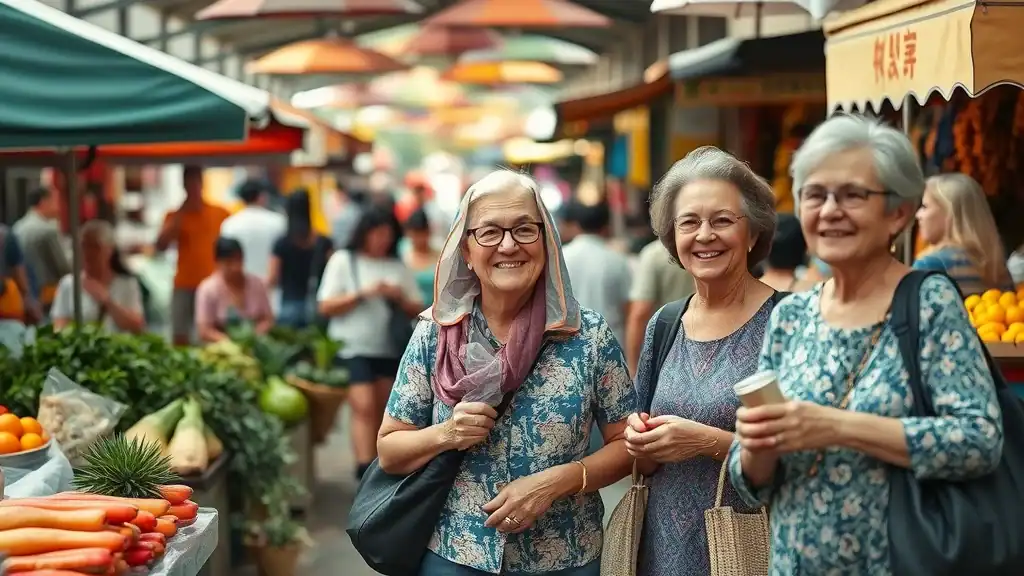
What You’ll Learn About Southeast Asia Cultural Etiquette
- Essential do’s and don’ts for major cultures in Southeast Asia
- Key differences between Southeast Asian and East Asian etiquette
- Dress codes and behavior tips for religious sites
- Practical advice on navigating local customs, gestures, and mealtime manners
Table: At-a-Glance Guide to Southeast Asia Cultural Etiquette
| Country | Greetings | Dress | Dining |
|---|---|---|---|
| Thailand | Wai gesture | Modest, covered shoulders | No left hand usage |
| Vietnam | Handshake | Smart casual/modest | Chopstick etiquette |
| Indonesia | Selamat | Very modest, especially in Bali and Aceh | Elders served first |
| Malaysia | Handshake/Salam | Modest, especially near mosques | Eat with right hand |
Understanding Core Values in Southeast Asia Cultural Etiquette
At the heart of southeast asian culture lies profound respect—for elders, for tradition, and for social cohesion. Actions such as greeting the eldest person first, or speaking softly in conversation, signal an understanding of deeply held values like “saving face” and group harmony. Unlike in some Western cultures, direct confrontation is frowned upon, and public displays of emotion or affection can be considered rude or a cause for losing face.
Family structure, communal meals, and ritualized greetings underscore the importance of hierarchy and humility. You’ll notice that younger people and visitors are expected to show deference, whether through a slight bow, a gentle handshake, or by using polite language. Every interaction is a subtle dance of respect, meant to build trust and avoid embarrassment. Understanding these priorities helps older travelers earn local trust quickly, especially when they ask questions or participate in traditional greetings, which locals interpret as a sign of genuine respect.
East Asia vs. Southeast Asia: Etiquette Differences Explored
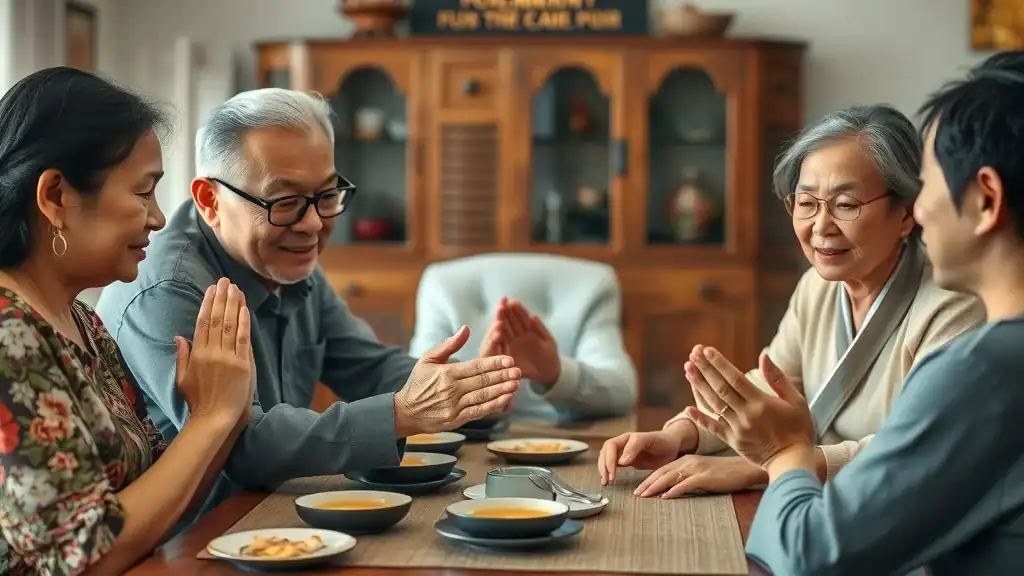
While the regions might share the title “Asian culture,” east asia and Southeast Asia differ in their etiquette and cultural codes. For instance, bowing is central to east asian greetings, while Southeast Asia’s gestures, such as the Thai “wai,” blend both gesture and slight bowing, often reserved for significant occasions or when greeting elders. In contrast, Western-style handshakes are common in countries like Vietnam and Malaysia but always with a softer grip.
Mealtime customs also vary. Slurping noodles is accepted—even respected—in east asia, but it can be seen as impolite in parts of Southeast Asia. Public displays of affection are also perceived differently; what’s a brief, friendly hug in the West or Japan might be too forward in places like Malaysia or Indonesia. Likewise, while “holding hands” between men and women is discouraged in many Southeast Asian settings, you’ll see friends of the same gender walking arm-in-arm without implications. Understanding these nuances helps travelers avoid cultural missteps and strengthens their connection with locals from the start.
Essential Etiquette in Southeast Asia: What Every Traveler Should Know
Whether wandering ancient temples or bustling markets, observing southeast asia cultural etiquette goes a long way. The essentials are simple: greet respectfully, dress modestly, be mindful of your body language, and always use your right hand for exchanges. In this section, we dig deeper into these cornerstones so you can travel with confidence—and leave a positive impression wherever you go.
Many retirees find these guidelines easy to adopt and even comforting, as they echo the courtesy and traditional values that may feel familiar from their own upbringing. Embrace these basics, and locals will welcome you as an honored guest, not just a passing tourist.
Dress Modestly in Southeast Asian and Religious Sites
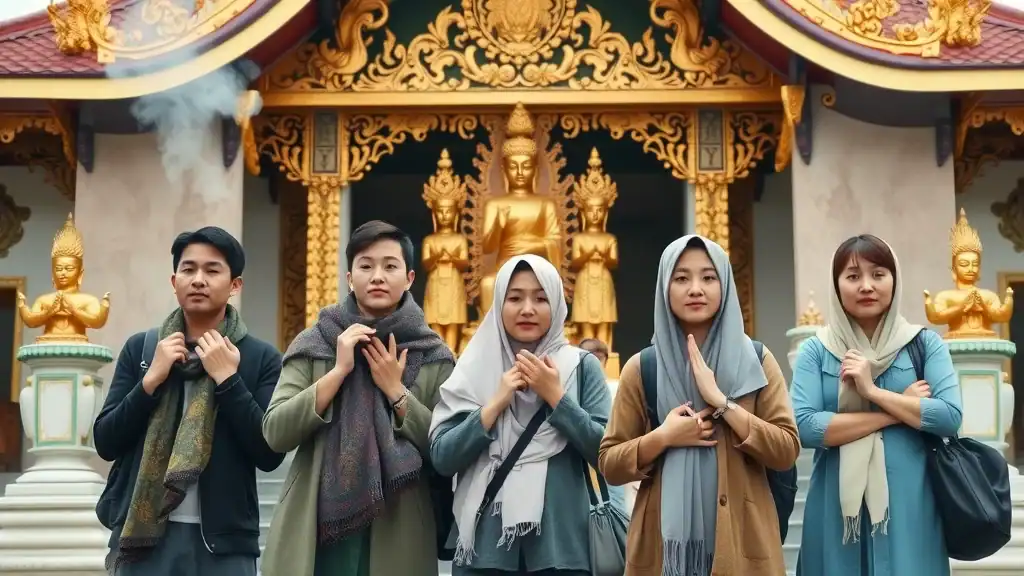
Dressing modestly is the golden rule in Southeast Asian countries, especially when visiting religious sites. Covering your shoulders and knees signals respect, not just for the establishment but also for the community. In Buddhist temples, mosques, and Hindu cultures, revealing attire isn’t just frowned upon—it can cause real offense. Men and women alike should avoid sleeveless tops and short shorts; instead, opt for lightweight long sleeves and trousers or skirts. Many religious sites offer shawls or sarongs for visitors who aren’t dressed appropriately.
Flexibility is important here: what may be fine for the street scene in modern Bangkok may be totally out of place at a temple or village festival. Always err on the side of caution and observe what locals wear—choices rooted in tradition and climate, not just modesty. Remember, in communal cultures, your attire reflects on your companions as well. Dressing respectfully ensures smooth social interaction and is considered the most sacred sign of your appreciation for southeast asian culture.
The Role of the Left Hand in Southeast Asia Cultural Etiquette
In many Southeast Asian societies, the left hand is reserved for hygienic purposes and considered unclean; thus, using it to pass food, money, or gifts can cause unintentional insult. Always use your right hand, or both hands together, especially during formal presentations or when handing anything to the eldest person. Some cultures—like those in India and parts of Indonesia—place extra emphasis on this rule, but it’s a respected standard across the region.
As a traveler, being conscious of this practice demonstrates care for local customs and a willingness to learn. If you happen to forget, a quick apology accompanied by a gentle smile can often smooth things over. Over time, you’ll notice that this small detail is part of a larger world of customs designed to promote harmony and show respect—qualities that lie at the heart of southeast asia cultural etiquette.
Appropriate Body Language in Southeast Asian Culture
Body language speaks volumes in Southeast Asia. Touching someone’s head—even that of a child—is strictly off-limits in many countries like Thailand and Laos, as the head is considered the most sacred part of the body. Avoid pointing with your fingers or feet, particularly at people or religious images; instead, use your whole hand to gesture if needed.
Public displays of affection, such as kissing or prolonged hugging, are typically reserved for private settings and seen as disrespectful in public. Similarly, standing with hands on hips or with crossed arms can be interpreted as confrontational, while a gentle bow or polite nod always conveys goodwill. These gestures help retirees integrate seamlessly into social situations and avoid the inadvertent faux pas that mark outsiders from those genuinely invested in local culture.
Watch as real travelers dramatize etiquette mistakes—like not removing shoes or using the left hand—then learn the respectful corrections, all set in temples, markets, and homes. Friendly narration and on-screen tips make every moment a learning opportunity for retiree adventurers!
Respectful Conduct at Religious Sites Across Southeast Asia
- Remove shoes before entering
- Dress modestly (cover shoulders and knees)
- Be mindful of sacred images and don’t point your feet at altars
- Keep voices low; photos may be restricted
Every religious site—from golden Buddhist stupas to ancient Hindu temples—commands a particular set of behaviors. Removing shoes, dressing appropriately, and refraining from boisterous conversations show locals you’re attuned to their social interaction rituals. Moreover, never touch sacred objects or images unless explicitly permitted. These practices are rooted not just in religion but in the broader context of southeast asian culture where community norms are observed with high regard.
Taking photos can also be sensitive; always look for posted rules or ask before photographing ceremonies or worshippers. Consider the spirit of the place—sometimes, the most respectful choice is simply to put the camera away and soak in the experience.
Consequences of Disrespect at Southeast Asian Religious Sites
Ignoring etiquette at religious sites isn’t just a minor slip—it can cause locals to lose face and feel deeply insulted. In some countries, violations can result in being asked to leave, fined, or even barred from sacred spaces. More commonly, disrespect leads locals to view travelers as uninterested or inconsiderate, which closes off opportunities for genuine interaction and learning. On the flipside, demonstrating proper respect is often rewarded with invitations, guidance, or warm conversations that elevate your journey.
Remember, making mistakes is normal for newcomers, but willingness to learn and adjust—hallmarks of mature and seasoned travelers—are viewed with admiration in local communities.
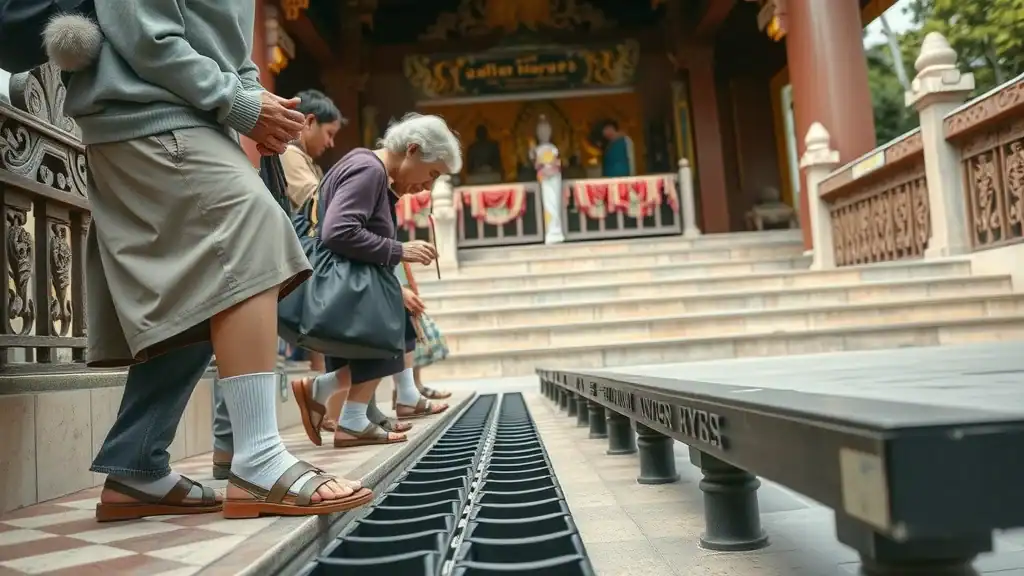
Dining Etiquette: Making Friends, Not Mistakes in Southeast Asia
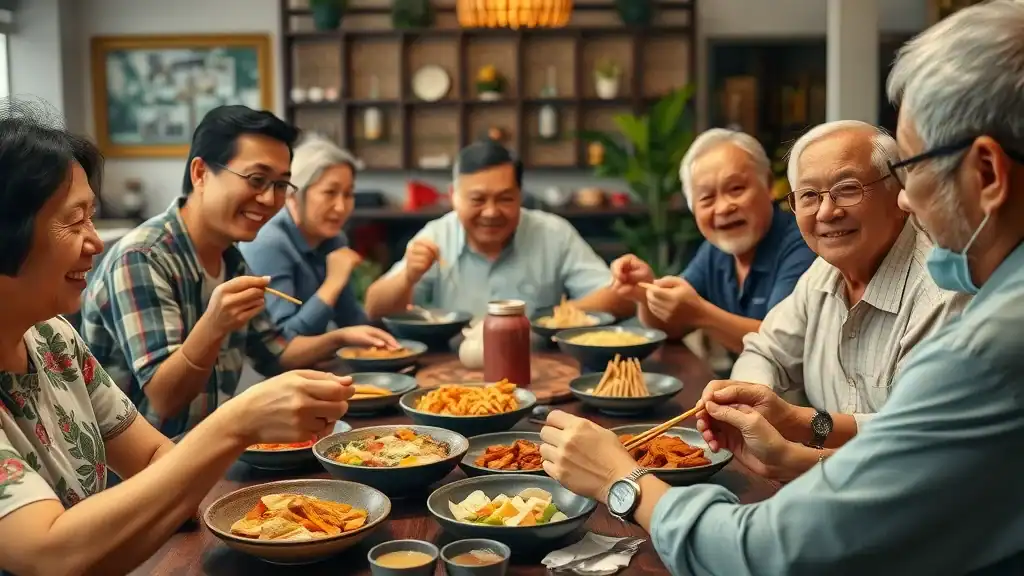
The dining table is where much of southeast asia cultural etiquette comes alive. Meals are not just about food, but about relationships and respect, especially for the eldest person at the table. Wait for elders to start eating, and when in doubt, watch how locals serve themselves and others. In some cultures, family-style sharing is common, and diners avoid taking the last piece of food as a sign of humility.
Using the correct utensils—and the correct hand—matters here. Pay attention to the host’s cues, and never point your chopsticks or utensils at others. You’ll find that a little effort in minding your table manners leads to greater camaraderie and invitations to join in more local meals and celebrations.
Using Utensils, Hands, and Chopsticks: Southeast Asian Table Manners
Different countries in Southeast Asia have distinct customs around eating. In Thailand, the fork is primarily a tool for pushing food onto a spoon—which is used for eating. In Indonesia and Malaysia, it’s common to eat with the right hand, but never the left. Vietnam and parts of Singapore use chopsticks, and knowing basic chopstick etiquette—like not sticking them upright in rice or passing food from chopstick to chopstick—is important.
Table manners focus on shared experience and mutual respect. Speak softly, accept food with both hands when offered, and never rush ahead of the group—mealtimes are treasured opportunities to build trust. By paying attention, you’ll find that understanding and practicing southeast asia cultural etiquette earns you not just “polite guest” status, but friendship and hospitality that can last a lifetime.
Social Interactions: Navigating Hierarchy and Hospitality
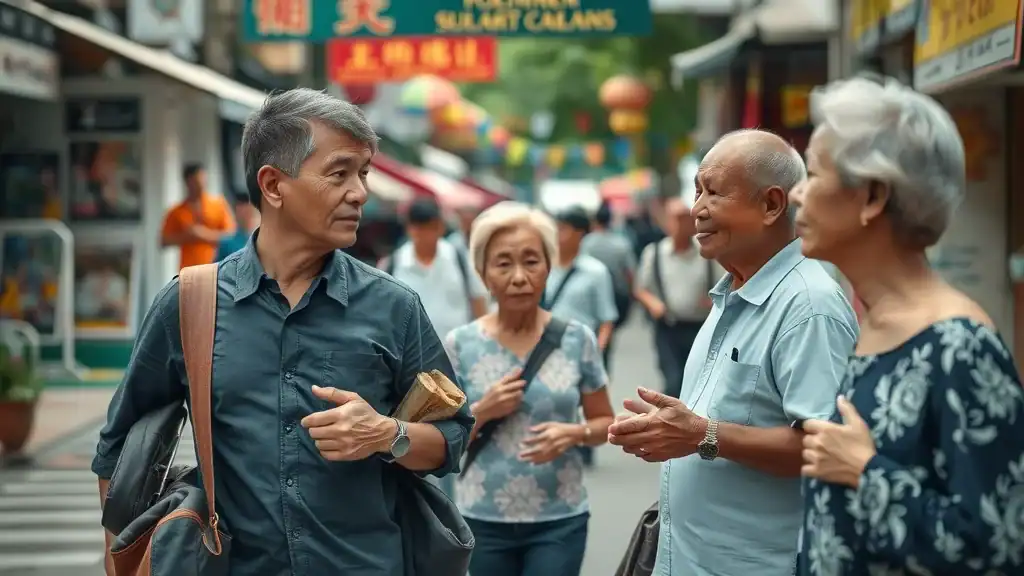
Social interaction in Southeast Asia is often shaped by hierarchy—age, status, and family roles influence everything from seating order to who speaks first. Always greet the eldest or most senior person before acknowledging others, use formal titles, and be mindful that public criticism leads to loss of face and threatens group harmony.
Hospitality is genuine and abundant, often marked by repeated offers of tea or food. Accept with gratitude, even if you can’t finish everything served. Reciprocating within your means—say, with a simple thank-you or a small token of appreciation—honors the cycle of generosity so central to southeast asian culture. Remember, in these cultures, your reputation as a respectful guest may precede you, opening new doors as you travel.
View this helpful dramatization: A retiree traveler accidentally offends by touching a child’s head, using the left hand, and talking loudly in a temple—then corrects each mistake after kind local instruction. Approachable narration and visible scene changes equip you to handle situations with grace and avoid classic faux pas.
Quotes from Locals: Southeast Asian Perspectives on Western Travelers
“We appreciate when visitors ask questions—it’s a sign of respect.” – Ting, Malaysia
“When older travelers learn our customs, it reminds us of our own grandparents.” – Minh, Vietnam
Lists: Top 5 Mistakes Retirees Make with Southeast Asia Cultural Etiquette
- Wearing revealing clothing at spiritual sites
- Using the left hand to pass items
- Touching heads, especially children
- Not removing shoes inside homes or temples
- Speaking loudly or using direct confrontation
People Also Ask: Southeast Asia Cultural Etiquette FAQs
What are some cultural norms in Asia?
Across Asia, cultural norms center on respect for elders, modesty in dress, and the avoidance of confrontation. Common practices include greeting with bows or respectful gestures, eating communally, and addressing hierarchy in all social settings. Saving face—protecting one’s dignity and avoiding embarrassment for others—is pivotal in maintaining social harmony. In asian culture, nonverbal communication, such as soft voices and gentle body language, is often valued over direct verbal interactions.
What are some traditions in Southeast Asia?
Traditions in Southeast Asia are shaped by religious and community events, from Buddhist festivals and shadow puppet shows in Indonesia to ancestor worship in Vietnam. Many activities revolve around the family, communal meals, and elaborate ceremonies marking life’s milestones. In some regions, locals pay homage to sacred animals or observe elaborate rituals before entering a religious site. Participation in these traditions—even as an observer—signals curiosity and showing respect for local ways.
Is eye contact disrespectful in Asia?
Eye contact customs vary across the region. In many Southeast Asian countries, avoiding prolonged eye contact is seen as a sign of respect, particularly when interacting with elders or superiors. Brief, friendly glances are welcomed, but direct stares—especially from men to women—can be considered aggressive or impolite. Observing how locals interact and mirroring their comfort level with eye contact is the best approach for meaningful, comfortable communication.
Can I wear shorts in Southeast Asia?
Wearing shorts is generally acceptable in big cities and touristy beaches, but you should dress modestly when visiting villages, markets, or religious sites. Women may want to opt for knee-length or longer shorts, and men should choose tailored, not baggy, versions. For temples, mosques, and formal encounters, it’s best to swap shorts for lightweight long pants or a skirt. When in doubt, follow locals’ cues—they are the best guide to appropriate attire for any occasion.
FAQs: Quick Answers About Southeast Asia Cultural Etiquette
- What gestures are offensive in southeast asia cultural etiquette? Avoid touching the head, pointing with your feet, or beckoning with one finger. Public displays of affection and aggressive gestures are also frowned upon.
- Should I tip in restaurants? Tipping is not universally expected, but highly appreciated in tourist areas. Small change or rounding up the bill is standard.
- How do I greet someone older than me? Use formal greetings such as the “wai” in Thailand or a soft handshake, and always address elders first in conversation.
- Are tattoos problematic in southeast asian culture? Tattoos referencing religion can be problematic at religious sites or in conservative areas. Cover up tattoos with religious imagery to be safe.
Key Takeaways for Retiree Travelers: Embracing Southeast Asia Cultural Etiquette
- Research each country’s unique etiquette before you go
- Modesty and respect go a long way
- Ask locals for advice; they’ll appreciate your curiosity
- Adapt and remain flexible for enriching experiences
In Summary: How Southeast Asia Cultural Etiquette Enriches Your Journey
Small acts of awareness make the biggest impact. Embracing southeast asia cultural etiquette turns routine travel into heartfelt connections and lifelong travel memories.
Ready to Experience True Southeast Asia?
Respectful travelers discover the richest stories. Email us atkevin@southeastasiainsider.com for help planning your next unforgettable journey to Southeast Asia!