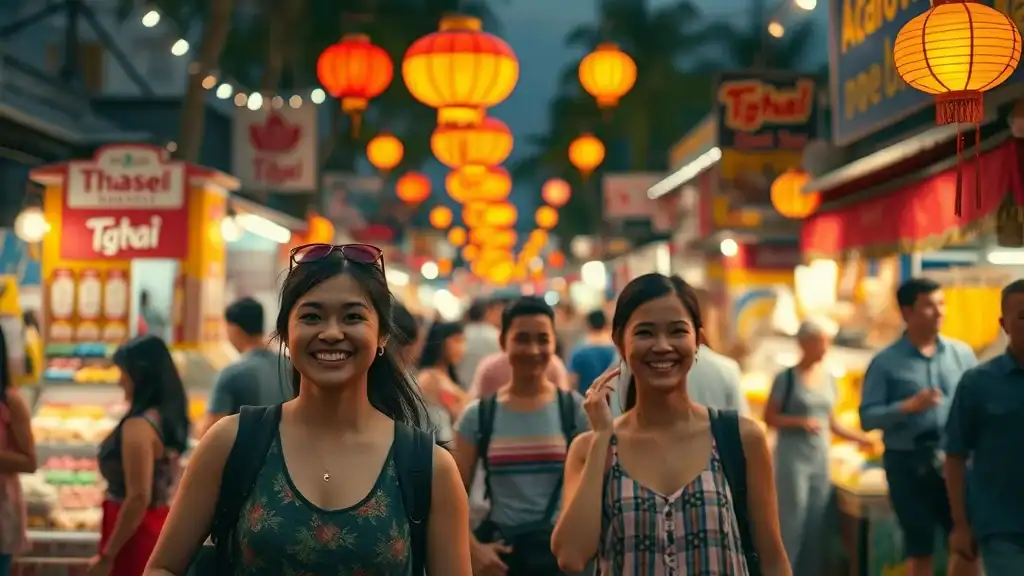
Did you know that while Thailand welcomed over 38 million tourists last year, travel safety remains one of the most pressing concerns for every visitor? The vibrancy of Thai street markets, breathtaking beaches, and unforgettable culture make Thailand a beloved travel destination—but knowing how to stay safe transforms a good trip into a great one. This guide provides practical, up-to-date advice tailored to ensure your Thailand journey is both enjoyable and secure.
Thailand Travel Safety: Why It Matters for Every Traveler
Whether you’re soaking up sun on the beaches of Koh Samui, exploring ancient temples in Chiang Mai, or navigating the busy streets of major cities like Bangkok, being prepared with essential Thailand travel safety strategies is crucial. While tourist areas are generally safe, issues such as petty theft, local scams, unfamiliar local laws, and natural challenges like the rainy season highlight the importance of being an informed traveler. Understanding these aspects doesn’t just reduce your risk; it empowers you to make the most out of your Thailand adventure with confidence.
“Over 38 million tourists visited Thailand last year, yet travel safety remains a pressing concern for all visitors.”
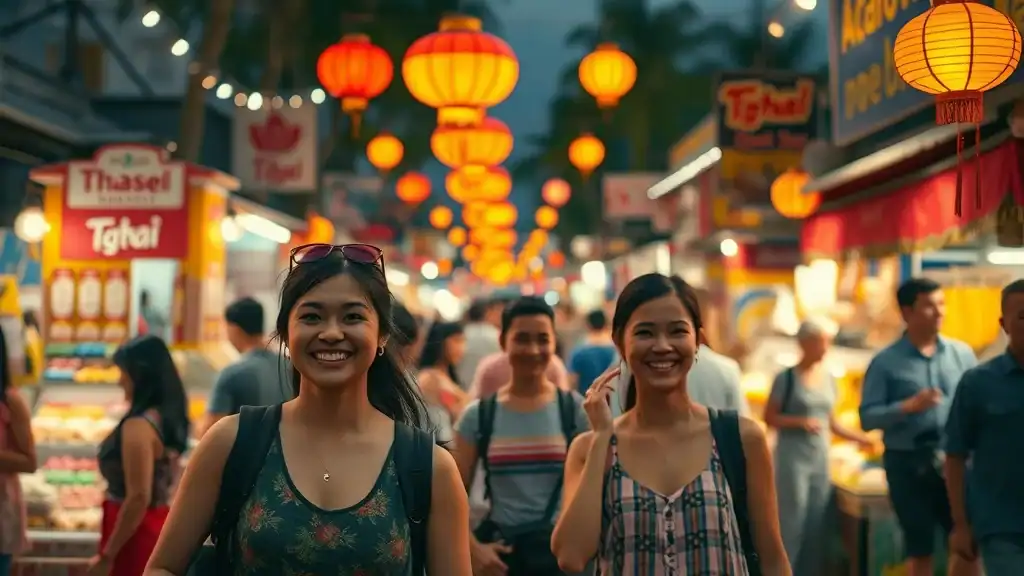
Staying safe means more than avoiding trouble—it’s about embracing local culture, respecting laws, ensuring your health, and having a plan in case of emergencies. With this comprehensive guide, you’ll learn which areas to avoid due to ongoing risks, how to navigate public transport securely, protect yourself from scams, and what legal pitfalls to steer clear of. Every traveler, whether a solo backpacker or a family group, will find specific, actionable advice designed to make travel in Thailand safer and more fun.
As you prepare for your journey, it’s also helpful to consider how your travel safety strategies can fit seamlessly into your overall itinerary. For inspiration on planning a secure and memorable adventure, check out this detailed 10 days Thailand itinerary that highlights must-see destinations while keeping safety top of mind.
What You’ll Learn: Navigating Thailand Travel Safety
- How to avoid common scams
- Tips for handling local laws and cultural norms
- Important information about travel insurance and health precautions
- Best practices for safe transportation, accommodation, and money handling
- Guidance for safe travels during the rainy season
- Actions to take in emergencies or legal complications
Thailand Travel Safety: Understanding Local Laws and Customs
Respecting Local Laws and Avoiding Legal Trouble
Thailand enforces strict local laws that might catch visitors by surprise. Disrespecting the monarchy—publicly or even online—is a serious offense under Thai law, punishable by heavy fines and jail sentences. Drug possession, including substances that may be legal in Thailand or decriminalized elsewhere, can result in severe penalties, sometimes even the death penalty. Public places require modest behavior and attire, especially within religious or royal sites, to avoid legal trouble. It’s crucial to stay informed via local media and listen to any directions by local authorities, especially near the Cambodia border, where rules are enforced strictly.
Consequences of Breaking Local Laws
Failing to comply with local laws can lead to significant consequences for travelers. Thai courts are known for swift, strict sentencing, particularly in cases related to drugs, disrespect of the monarchy, and violence. Foreign tourists caught with illegal substances can face lengthy jail sentences or hefty fines. In addition, seemingly minor missteps—like vaping in public, using drones without permission, or not carrying an international driving permit while driving—could also result in detention. Use cautious judgment in all tourist areas and avoid offending cultural or legal norms.
“Respect the monarchy; disrespect is a criminal offense punishable by law in Thailand.”

Thailand Travel Safety: Staying Secure Amidst Violent Crime Risks
Recognizing and Avoiding Violent Crime Hotspots
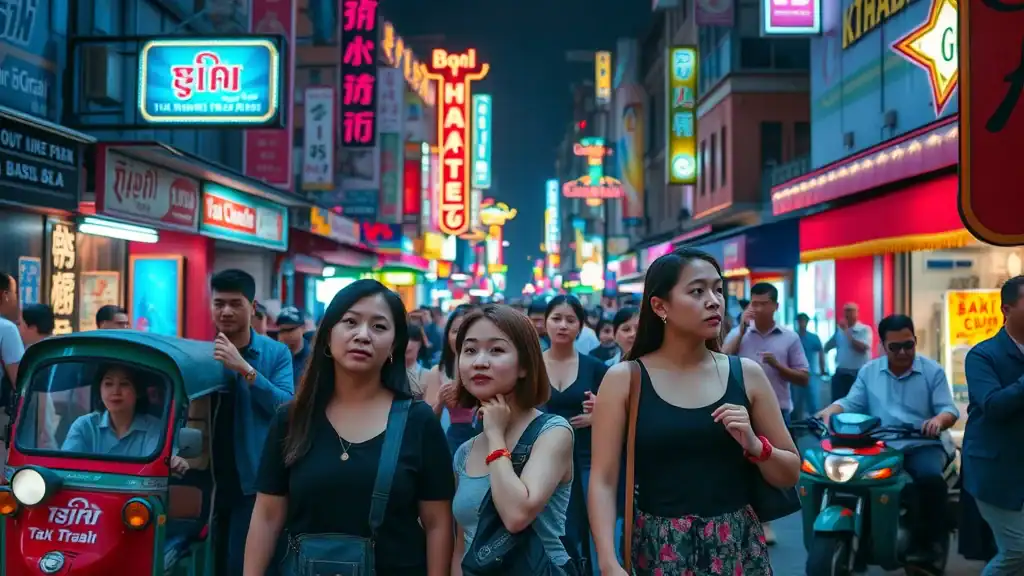
Violent crime against tourists in Thailand is rare but does happen—especially late at night in major cities and nightlife hotspots. Areas with high concentrations of bars and clubs in places like Bangkok, Pattaya, and Phuket require extra vigilance. Alcohol-related incidents, armed conflict near borders, or altercations between travelers can escalate quickly. To minimize risks, stick to well-lit, popular areas, avoid walking alone at night, and use reputable transportation. The presence of tourist police in high-traffic areas can be a resource if you feel unsafe. Remember, local law enforcement prioritizes safety in tourist zones, but your awareness is your first line of defense.
Sexual Assault: Precautions and Resources
Sexual assault, while uncommon, remains a serious concern for some travelers. Most reported incidents occur during the night, often linked to social gatherings or in public transport. To reduce your risk, avoid leaving drinks unattended, never accept beverages from strangers, and stick with trusted friends, especially at parties or bars. Should an incident occur, seek medical attention immediately and contact local police or the tourist police. Many cities also have dedicated support organizations for assault victims.
“Stay together, and keep your drinks within sight at all times.”
Women traveling alone should consider extra precautions, such as booking transportation via reputable platforms, staying in accommodations with positive security reviews, and sharing itineraries with friends or family. In tourist areas, hotel staff and official tour operators are valuable resources if you need help.
Thailand Travel Safety: Dealing With Scams and Petty Crime
Common Tourist Scams
Tourist scams are prevalent in popular destinations across Thailand. Jet ski damage scams—where renters are falsely accused of causing expensive damage—can happen at beaches in places like Phuket and Pattaya. Gem and jewelry scams lure tourists with ‘special deals’ on precious stones that often turn out to be worthless. Tuk-tuk overcharging, where drivers inflate prices for unsuspecting travelers, is common near major tourist landmarks. Always use negotiation, ask for fixed fares, and consider booking via reliable taxi apps or your hotel.
- Jet ski damage scam
- Gem or jewelry scam
- Tuk-tuk overcharging
Protecting Your Valuables
Pickpocketing and bag-snatching happen in crowded markets, on public transport, and in nightlife districts. Reduce your risk by using anti-theft bags and keeping valuables close at all times. Avoid displaying expensive items, and always keep your bags zipped and in front of you—especially when navigating busy areas like Bangkok’s Chatuchak Market or Chiang Mai’s night bazaar. Use hotel safes, and when sightseeing, carry only essential cash or cards. If traveling to or from the Cambodia border, be extra vigilant as crossings are hotspots for quick thefts and scams.

Thailand Travel Safety: What You Should Know About Illegal Drugs
Thailand’s Strict Drug Laws
Thailand has some of the strictest drug laws in the world. Possession, trafficking, or use of illegal drugs can land you with heavy fines, a lengthy jail sentence, or—depending on the case—even the death penalty. Despite recent changes making certain substances legal in Thailand for medical use, travelers should avoid all association with drugs. Drug-related cases often receive significant attention from local media, stressing the seriousness of these offenses in the public eye. Local authorities conduct random searches in tourist areas, so never accept packages or belongings from strangers and avoid questionable venues.
Avoiding Drug-Related Situations
To stay clear of legal mishaps, avoid bars or clubs known for drug use or sales, and do not trust strangers offering substances—even if they claim something is now legal in Thailand. If stopped by police, comply respectfully and calmly. If you require prescription medication, bring proper documentation to present to customs and authorities. The consequences far outweigh any potential risk, and being caught in the wrong situation could quickly disrupt your entire trip.
Thailand Travel Safety: Public Transport and Road Safety
Navigating Public Transport Safely
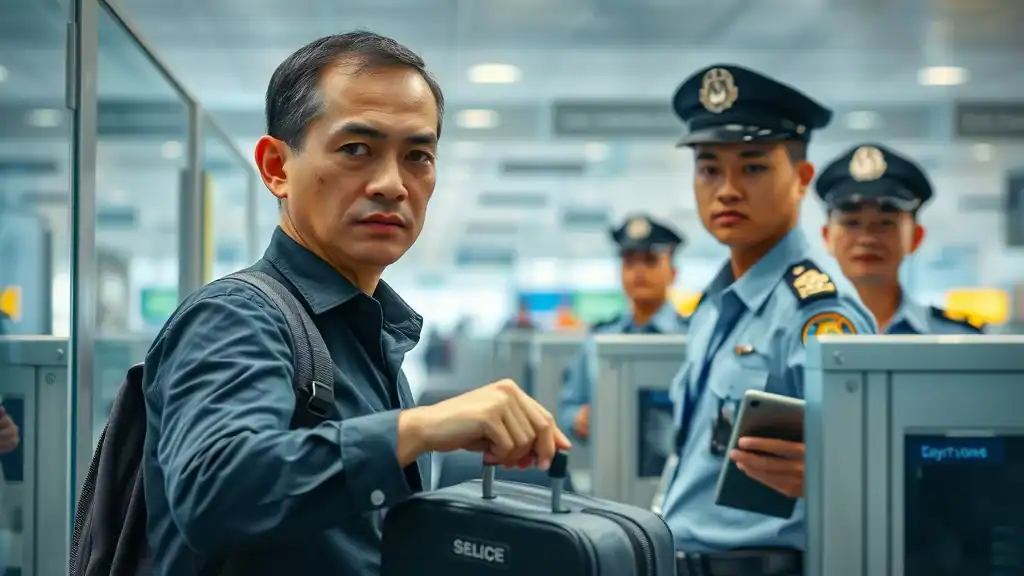
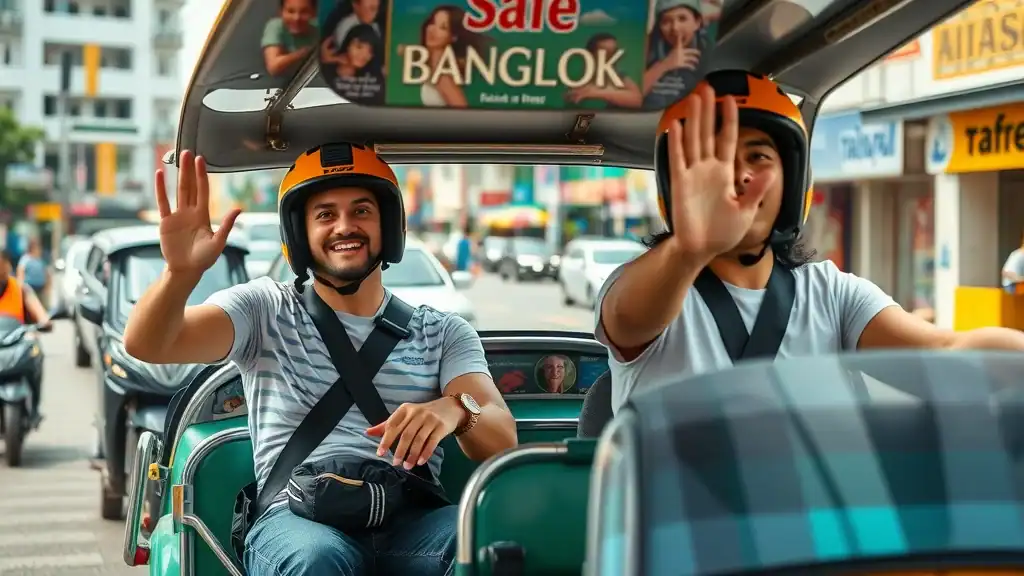
Public transport in Thailand is generally reliable, but tourists should stay vigilant. Use official taxi services, reputable ride-hailing apps, and always check the ID of your driver. If you’re using buses or trains, secure your belongings closely; theft can occur during overnight journeys. When possible, avoid entering unmarked taxis or accepting unsolicited transport offers, particularly at airports, major bus stations, and tourist areas. For trips to islands like Koh Samui, always use a licensed tour operator or ferry provider to ensure safety and compliance with regulations.
Road Safety Challenges for Tourists
Thailand’s roads can be chaotic, especially in major cities. If renting a scooter or car, it’s mandatory to have an international driving permit—local law enforcement conducts frequent checks and fines are common for violations. Helmets are compulsory but not always enforced; always protect yourself and wear proper gear. Pedestrian crossings aren’t always respected, so use footbridges or controlled crossings wherever possible.
- Essential tips for safe transport in Thailand:
- Always buckle up
- Use reputable services
- Avoid unregistered taxis
Thailand Travel Safety: Travel Insurance and Emergency Preparedness
Why Travel Insurance is Non-Negotiable
Travel insurance offers critical coverage for accidents, lost belongings, trip disruptions, medical evacuation, and emergency medical attention. Many hospitals require insurance upfront before admitting foreign patients. Without it, you may face steep bills for basic care and struggle with reimbursement from your home country. Opt for insurance that covers activities like motorbiking or water sports—these are popular in Thailand but often excluded from basic plans. Some areas, such as the Cambodia border, may have increased health and safety risks; insurance gives you peace of mind in any region.
Steps to Handle Emergencies
- Know the location of the nearest embassy or consulate
- Keep emergency contacts programmed in your device
- Familiarize yourself with local emergency numbers
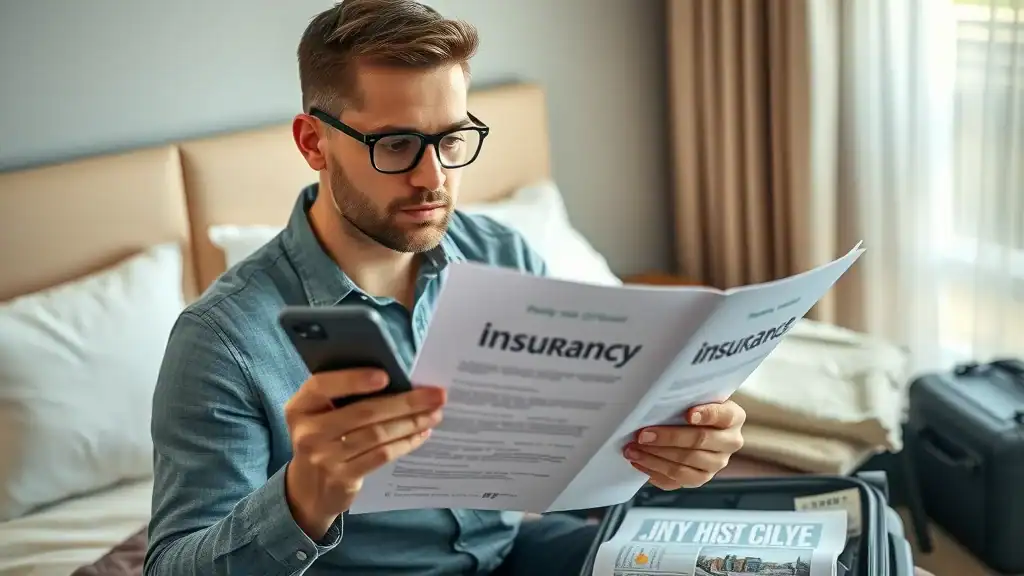
If an emergency arises, remain calm and contact the tourist police (1155) or general emergency services. Hospitals in major cities are modern and well-staffed, but smaller or rural facilities may have limited resources. Keep copies of important documents—such as your passport, insurance, and medical prescriptions—stored both digitally and physically.
Thailand Travel Safety: Tips for the Rainy Season
Understanding the Rainy Season’s Impact
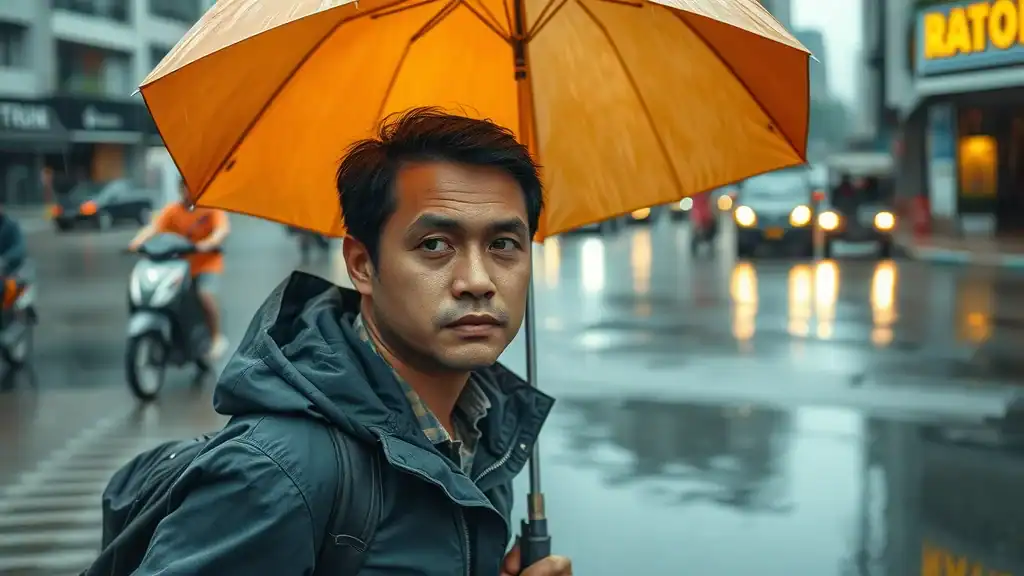
The rainy season in Thailand, typically from May to October, brings frequent downpours and, in some regions, flooding. Heavy rainfall can disrupt transportation, make roads slick, and even trigger landslides in mountainous areas. If you’re venturing to tourist hotspots like Koh Samui or Chiang Mai during this period, check the forecast regularly and be flexible with your plans. Stay updated by monitoring local media and weather alerts.
Staying Safe During Severe Weather
During storms, avoid water activities such as swimming or boat tours. Many accidents occur when travelers ignore weather warnings or overestimate their swimming skills in rough seas. Protect valuables with waterproof gear and pack extra clothing in a dry bag in case of unexpected downpours. If flooding occurs, avoid wading through water, as hidden hazards and contaminated runoff can cause injuries and illness.
- Monitor weather forecasts
- Avoid risky water activities
- Carry waterproof gear
Thailand Travel Safety: Dealing With Medical Issues and Preventative Health
Vaccinations and Health Precautions
Before entering Thailand, visit a healthcare professional to discuss required and recommended vaccinations. Routine immunizations, plus vaccines for hepatitis A, typhoid, and Japanese encephalitis (for rural travelers), are often advised. Mosquito-borne illnesses like dengue and Zika exist in tourist areas; wear DEET-based repellents and cover skin after dusk. Drink only bottled or filtered water, and dine at reputable establishments to avoid foodborne illnesses. Health insurance should cover medical evacuation in the rare event it becomes necessary.
Accessing Healthcare in Thailand
Major cities like Bangkok and Chiang Mai offer world-class hospitals, but note that remote or rural areas may lack high-quality facilities. Medical attention is more accessible in tourist centers and is often administered quickly, especially for travelers with insurance. Have a list of recommended hospitals near your accommodation and share your health details with your hotel or travel companions. The Thai baht is the currency used for payment; although larger hospitals accept cards, keep emergency cash on hand for rural clinics.

Thailand Travel Safety: Border Crossings, Especially the Cambodia Border
Navigating the Cambodia Border and Other Crossings
Border crossings—especially at the busy Cambodia border—require extra vigilance. Prepare with the proper visa ahead of time and have all travel documents in order. Scams, bribery attempts, and illicit transport offers are common. Use only official crossings and avoid engaging with “fixers” or unregistered agents. Violating border rules can result in hefty fines, denied entry, or even blacklisting from entering Thailand. Monitor local advisories for border regions before you travel, and avoid these crossings if the security situation is unstable due to ongoing political or armed conflict.
Thailand Travel Safety: Safe Accommodation Choices
How to Choose Secure Accommodation
- Book reputable hotels or hostels with security features
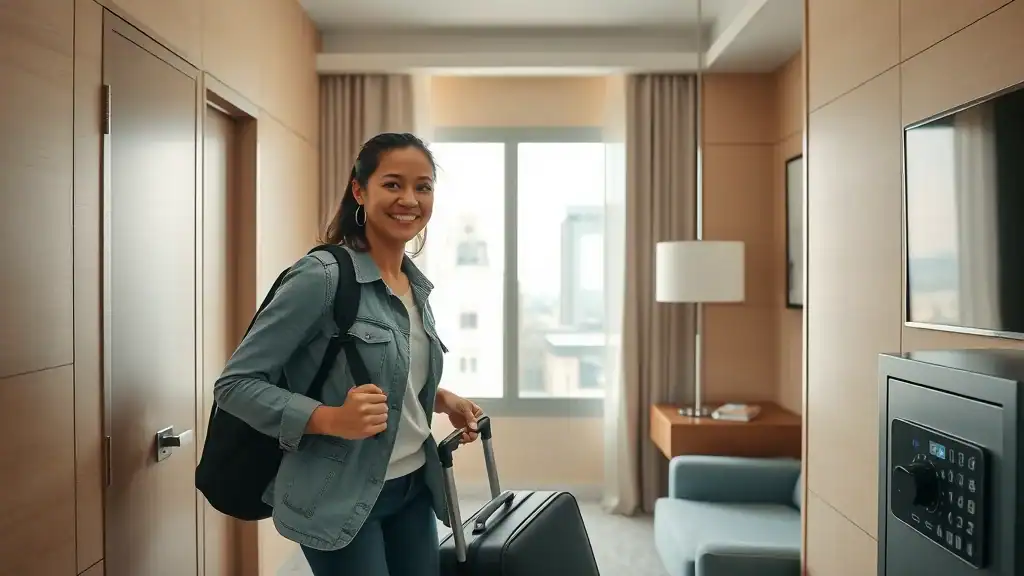
- Use hotel safes for valuables, and always lock doors and windows
Read recent reviews on major booking platforms to assess if security measures are up to standard. Hotels in tourist areas and major cities offer more robust safety features than rural options. Always confirm the presence of keycard access, CCTV, and 24-hour staff before booking. Upon check-in, inspect locks, safes, and emergency exits, and store the contact information for local authorities in your phone.
Tips for Solo Travelers
Solo travelers should prioritize well-reviewed hotels with positive feedback about safety, particularly if arriving late or staying in unfamiliar neighborhoods. Consider sharing your trip plans with a trusted friend or family member, check in regularly, and avoid advertising your solo status on social media while traveling. Most importantly, trust your instincts: if something feels off about your accommodation or host, change your plans or seek help.
Thailand Travel Safety: Money Matters and Personal Security
Handling Money Safely
- Use ATMs located within banks, avoid carrying large amounts of cash, and be cautious when exchanging money.
Always shield your PIN at ATMs and check for skimming devices. It’s safest to withdraw cash from machines inside banks in tourist areas; never accept unsolicited help. Carry only the daily amount of Thai baht you need, and store the rest in secured locations. Exchange money at official currency changers, and keep receipts for larger sums in case local law enforcement asks. When traveling between cities or at the Cambodia border, keep valuables out of sight, and avoid discussing your finances in public places.
Personal Security Precautions
Keeping yourself safe in bustling Thai cities involves more than protecting your wallet. Stay alert when using transportation or walking through crowded areas. Trust your instincts with aggressive salespeople or overly-friendly strangers, especially near transport hubs. For extra safety, let your hotel or tour operator know your expected itinerary each day.

Thailand Travel Safety: Cultural Etiquette and Respect
Understanding Local Etiquette
- Show respect in temples by dressing modestly
- Avoid touching people’s heads or pointing your feet at others
- Smile and remain calm during misunderstandings
Cultural missteps can easily escalate into bigger problems if not handled diplomatically. Thai people value politeness and patience. Losing your temper in public places can be seen as a loss of face and is frowned upon. Always remove your shoes when entering a temple or home, and keep your voice low. Approaching unfamiliar situations with respect helps you avoid unintended offenses and builds positive local connections.
Thailand Travel Safety: Resources and Emergency Contacts
| Emergency Services | Contact Number |
|---|---|
| Tourist Police | 1155 |
| General Police | 191 |
| Ambulance/Fire | 1669 |
| Embassy Contacts | Varies |
Thailand Travel Safety: Key Takeaways for Worry-Free Travel
- Stay aware, especially in nightlife areas
- Protect your valuables
- Understand local laws and customs
- Always have travel insurance
- Monitor weather conditions
Thailand Travel Safety: Real Traveler Stories & Insights
“I nearly lost my passport to a bag-snatcher, but being cautious saved my trip.” – Alice, backpacker
“Registering my embassy and buying travel insurance gave me peace of mind during a storm.” – Michael, solo traveler
Thailand Travel Safety: Video Resource — Staying Secure
Thailand travel safety essentials: Watch this professionally produced 1.5-minute explainer video that combines animated Thai city and market scenes, practical advice for secure transportation, scam awareness, rainy season precautions, and basics of local law and culture. The video features cut-scenes with travelers using ATMs, safely taking tuk-tuks, and engaging with police—subtitled tips for every step of your journey. Friendly voiceover in English with modern, upbeat music.
People Also Ask: Your Thailand Travel Safety Questions Answered
Is it safe to go to Thailand right now?
Generally, Thailand is safe for tourists. Exercise caution in nightlife areas and border regions, and stay updated about the current security situation from local authorities and your embassy, especially due to ongoing changes in travel advisories.
Why are tourists turning away from Thailand?
Some visitors are deterred by scams, reports of petty crime, and high-profile incidents. Others cite political instability, armed conflict near certain borders, or strict local laws as reasons. However, most travelers experience no major issues when following basic safety guidelines.
What is the biggest threat to Thailand?
For tourists, petty theft and scams are the most common risks. In some southern provinces, security situations may occasionally change due to ongoing conflict, but these areas are far from the major tourist zones and rarely impact most travelers.
Is $50,000 enough for a Thailand trip?
$50,000 is more than sufficient for a Thailand holiday, even for extended stays in major cities or luxury resorts. Budget travelers can enjoy a wonderful visit for a fraction of that amount, provided they plan and manage their money safely.
Thailand Travel Safety FAQs
How safe is Thailand for solo female travelers?
Thailand is generally safe for solo female travelers, but it’s important to exercise the same level of caution as you would anywhere else. Stick to well-reviewed accommodations, avoid isolated areas after dark, monitor your drinks, and trust your instincts. In case of harassment, report to local authorities or the tourist police immediately.
Is travel insurance necessary for Thailand?
Absolutely. Travel insurance protects you in case of accidents, theft, health emergencies, or trip cancellations. Many hospitals now require proof of insurance for treatment, so be sure to purchase comprehensive coverage before entering Thailand.
What should I do if I’m a victim of a crime in Thailand?
Contact the tourist police at 1155 or visit the nearest police station to file a report. For serious incidents or medical emergencies, seek help from your embassy or consulate as well. Document all details and keep copies for your insurance provider.
Are there any travel advisories for Thailand?
Travel advisories for Thailand can change due to political events, weather, or public health concerns. Before you go, review government websites and monitor local media for the latest updates. Avoid areas with ongoing security risks, such as certain southern provinces and border zones.
Thailand Travel Safety: Video Guide — What to Watch For
Watch our expert video guide on common risks, safe travel habits, and how to handle emergencies while exploring Thailand. This visual resource condenses essential safety information into actionable insights suitable for every type of traveler.
For Expert Help on Thailand Travel Safety…
Ready to plan a secure, unforgettable Thailand adventure? Email us at kevin@southeastasiainsider.com for personalized advice and local insights on your next Asia trip!
Conclusion
Thailand travel safety isn’t about fearing the unknown—it’s about informed exploration. Be prepared, stay aware, and enjoy all that Thailand offers with confidence.
If you’re eager to take your travel know-how even further, consider exploring essential advice that applies across Southeast Asia. Our comprehensive guide on 10 essential tips for first-time travelers in Southeast Asia offers broader strategies for staying safe, saving money, and making the most of your journey—no matter which country you visit. By building on these foundational safety practices, you’ll be ready to navigate new cultures, avoid common pitfalls, and create unforgettable memories throughout your travels. Let your next adventure be not just secure, but truly extraordinary.
Recent developments along the Thailand-Cambodia border have heightened safety concerns for travelers. The UK Foreign, Commonwealth & Development Office (FCDO) now advises against all travel within 50km of the entire Thailand-Cambodia border, except for Koh Chang, Koh Kood, and the islands between them, where only essential travel is advised. (gov.uk) This advisory follows intensified border clashes, including airstrikes and artillery exchanges, resulting in casualties and significant displacement. (apnews.com) Despite these regional tensions, Thailand remains a low-risk travel destination overall. The U.S. Department of State upgraded Thailand to “Level I: Exercise Normal Precautions,” placing it among the safest destinations globally. (thailand.prd.go.th) However, travelers should remain vigilant, especially in areas near the Cambodia border, and stay informed through official channels. For a comprehensive understanding of current safety measures and advisories, refer to the UK government’s travel advice for Thailand. (gov.uk) Additionally, the article “Is Thailand Safe for Tourists? 2026 Travel Safety Guide & Tips” offers practical advice on navigating Thailand safely. (travelfika.com) Staying updated on local developments and adhering to official guidelines will help ensure a secure and enjoyable trip to Thailand.