Did you know that in Thailand, showing the bottoms of your feet can cause serious offense? Thailand cultural etiquette is more than just tradition—it’s a vital pathway to respect and acceptance. Whether you’re visiting a Thai friend’s home, mingling at festivals, or paying respects at a temple, understanding local customs can mean the difference between being welcomed as a guest or committing an embarrassing faux pas. In this comprehensive guide, you’ll uncover all the essential etiquette in Thailand necessary for a respectful and enriching travel experience.
Unveiling Thailand Cultural Etiquette: Surprising Facts About Thai Culture
Startling Statistics and Unconventional Facts about Thai Culture
Thai culture is renowned for its depth, warmth, and the subtle yet powerful rules that guide everyday life. For instance, over 94% of Thais identify as Buddhist, shaping not just religious practices but everyday etiquette, body language, and social expectations. More surprisingly, the cultural importance of hierarchy means that even among close friends or family members, gestures and greetings follow precise unwritten rules. Furthermore, studies reveal that up to 90% of international travelers to Thailand admitted they unintentionally committed cultural offenses, highlighting how crucial it is to equip yourself with knowledge before you visit. Proper understanding of thailand cultural etiquette allows travelers to form genuine connections, avoid the embarrassment of faux pas, and demonstrate true respect when navigating the vibrant spectrum of Thai society.
“In Thailand, cultural etiquette is not just a formality—it’s a sign of mutual respect and understanding. When in doubt, observe and ask respectfully.”
What You’ll Learn About Thailand Cultural Etiquette
- Key principles of Thailand cultural etiquette and their cultural roots
- Essential etiquette in Thailand: gestures, greetings, and communication
- The role of body language in Thai culture
- How to avoid common offenses and disrespect in culture in Thailand
- How to respectfully experience Thai rituals and events
Understanding Thailand Cultural Etiquette: The Foundations of Thai Culture
An Introduction to Thai Culture and Social Hierarchy
To truly appreciate Thailand cultural etiquette, it’s vital to understand the importance of social hierarchy and respect within Thai society. Thai culture revolves around a concept called “kreng jai”, which emphasizes deference, politeness, and not causing discomfort to others—especially elders and authority figures. Family structures are close-knit, and family members look to elders for guidance, mirroring the broader societal respect for hierarchy. Even in casual settings, conversations are subtly influenced by age, status, and relationship, shaping everything from the way people speak to the way they greet one another. Recognizing the cultural norm of subtlety and non-confrontation helps visitors avoid situations where they might unintentionally “lose face”—a significant social faux pas in Thailand.
If you’re looking to further enhance your travel experience, understanding the broader context of Southeast Asian customs can be invaluable. For practical advice that complements your knowledge of Thai etiquette, consider exploring these essential tips for first-time travelers in Southeast Asia—they offer actionable insights that apply across the region.
Important Thing to Remember: Respect for the Monarchy and Religion
If there’s one important thing every traveler must keep in mind, it’s the deep reverence for the Thai monarchy and Buddhism. The royal family is held in the highest esteem, and any criticism or disrespect (even unintentional) can be considered not only rude, but also a criminal offense. Similarly, Buddhism influences etiquette in thailand regarding everything from dress codes at temples to how statues or images of the Buddha are treated. Always show respect by using appropriate language, avoiding jokes about religion or the royal family, and never touching sacred objects. A polite “light bow”—or a wai—when passing monks or elders, and speaking softly in sacred or public spaces, shows both respect and understanding of thai culture.
Why Thailand Cultural Etiquette Matters for Travelers
Understanding Thailand cultural etiquette transforms you from a tourist into a welcome guest. Respectful travelers gain access to authentic experiences—be it a family meal in a traditional Thai home, an invitation to a Buddhist ceremony, or acceptance into the circle of close Thai friends. Small gestures, like removing your shoes or using gentle speech, make a profound difference in interactions. Not only does proper etiquette in Thailand help you avoid embarrassing faux pas, but it also opens doors, fosters friendships, and demonstrates a genuine desire to connect with people in Thailand on their terms.
Etiquette in Thailand: Greetings, Wai, and General Manners
Mastering the Wai: Proper Thai Greeting Etiquette
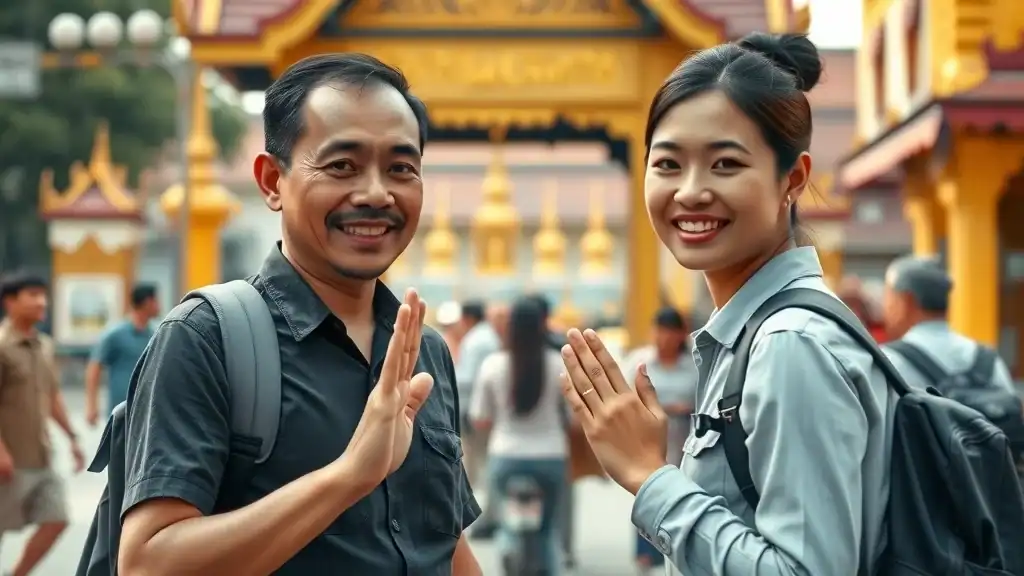
The wai is the quintessential Thai greeting, and understanding its use is essential for every traveler interested in good thailand cultural etiquette. To perform the wai, bring your palms together in a prayer-like gesture and gently bow your head. The height of your hands and depth of the bow depend on the seniority of the person you’re greeting: higher for elders and monks, lower for peers or those younger. A light bow is customary in Thai social interactions and universally recognized as a sign of respect. While it’s polite to return a wai if given, travelers are not expected to initiate wais with service staff or children, as it’s not customary in Thai culture. Avoid the western habit of handshakes unless the Thai person offers one first.
Addressing People Correctly in Thai Culture
Addressing someone correctly is a mark of respect in Thai culture. Thais generally use “Khun” before a first name as a polite title (similar to Mr./Ms.). For example: “Khun Somchai.” Using only first names—even in formal settings—is normal, and omitting or misusing the honorific can be considered rude. For elders, monks, and those of higher status, show extra deference through respectful tone and body language. Close friends and family may use nicknames, but travelers should wait to be invited to do so. When in doubt, listen carefully to how people in Thailand introduce themselves, and follow their lead to avoid social missteps.
Table: Common Thai Greetings and Their Meaning
| Greeting | Situation Used | Cultural Significance |
|---|---|---|
| Sawadee (ka/krap) | General hello/goodbye, formal and informal settings | Universal respectful greeting, used with a wai |
| Wai gesture | Meeting elders, monks, and formal introductions | Sign of respect and humility, avoids “lose face” |
| Chai/Chai yo | Celebratory occasions | Expresses joy, less formal but still respectful |
| Sawasdee ton chao | Morning greeting | Sets a positive tone for the day, polite interaction |
Thailand Cultural Etiquette: Body Language and Physical Interactions
Body Language: Dos and Don’ts in Thai Culture
In Thailand cultural etiquette, body language can speak louder than words. Thais use subtle cues and restrained gestures to express themselves. Standing too close, excessive hand waving, or loud speech is considered rude and disrupts the harmony strived for in Thai social interactions. Physical contact is minimal outside close friends or family members—hugging, back slapping, or vigorous handshakes can be uncomfortable for most Thai people. Always stand or sit gracefully; sudden, overly energetic movements are frowned upon, especially in sacred or public places. The polite “light bow” or gentle nod is a sign of respect when passing seniors or entering rooms where elders are present. By mirroring the quiet confidence and calm demeanor of Thai nationals, you’ll show sensitivity to the underlying expectations that guide etiquette in Thailand.
Important Thing: The Head and Feet in Thai Culture
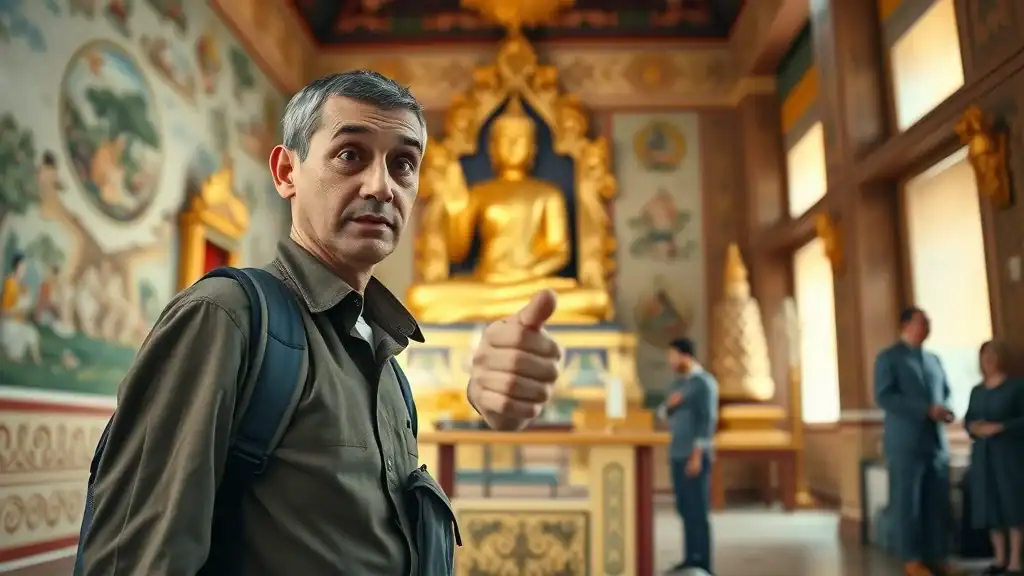
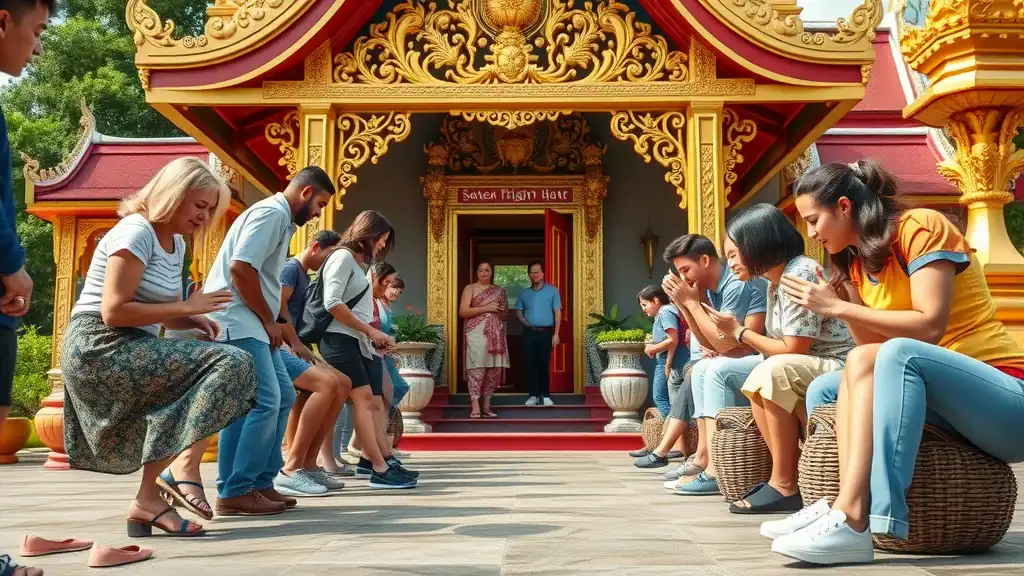
The head and feet hold powerful symbolic meaning in Thai culture. The head is considered the most revered part of the body, associated with the soul and spiritual purity, while the feet—the lowest—are seen as dirty. Never touch anyone’s head, not even a child’s, unless you are a monk or a close elder family member. Similarly, pointing with your feet, stepping over people, or using your feet to move objects are major cultural offenses in Thailand. Always sit with your feet tucked in, avoid crossing them over tables or pointing them towards people or sacred images, and remember: if you accidentally brush someone with your foot, apologize immediately. These seemingly small actions are intrinsic to thailand cultural etiquette and demonstrate your understanding and respect for Thai sensibilities.
Remove Your Shoes: Entering Homes and Temples
One of the most important things to know in etiquette in Thailand is the universal expectation to remove your shoes before entering homes, temples, and some shops or traditional guesthouses. Shoes are considered unsanitary, and bringing them indoors is a clear sign of disrespect—both to the home or sacred space and its inhabitants. Always check the entrance for shoe racks or notice signs. If in doubt, observe or ask (it’s always appreciated). Once inside, keep your feet flat on the floor and avoid pointing them at statues, altars, or other people, especially when visiting a temple. This simple act demonstrates humility, cleanliness, and deep respect for Thai culture and rituals.
List: Physical Gestures to Avoid in Thailand
- Pointing with feet
- Touching anyone’s head
- Public displays of affection (e.g., kissing or hugging)
- Excessive hand gestures
- Overt expressions of anger
Dining and Social Etiquette in Thailand
Eating Customs: Etiquette in Thailand at Meals
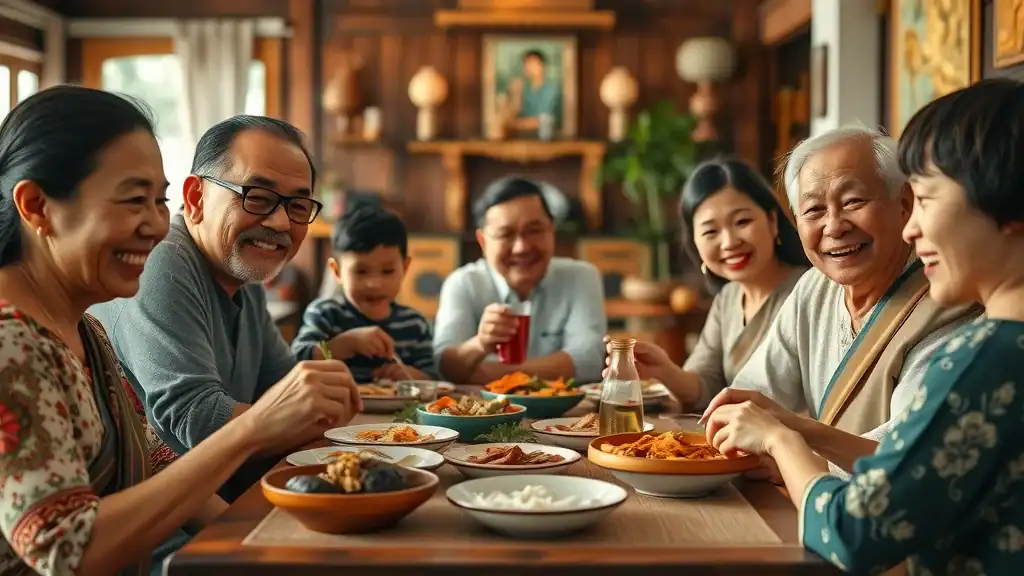
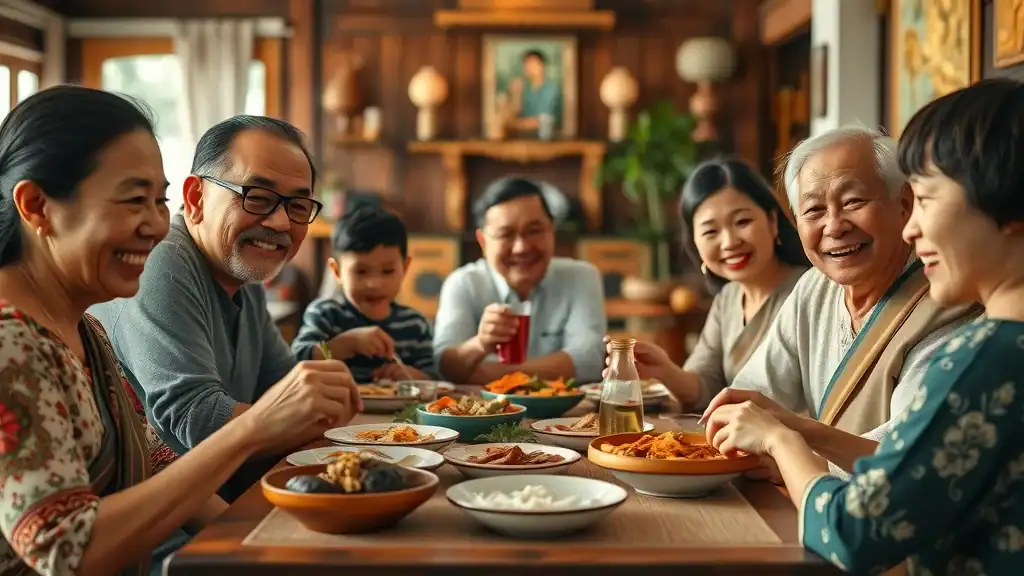
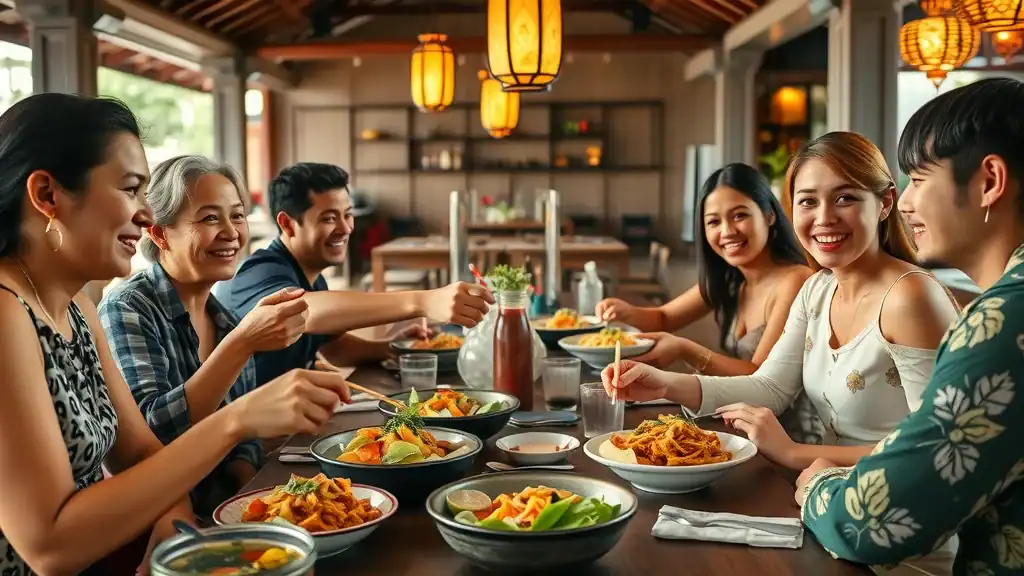
Dining in Thailand is a communal affair, reflecting close family and social ties. Sharing food is the norm—dishes are placed at the center, and everyone helps themselves using personal spoons and forks (forks are used to push food onto the spoon, not into the mouth). Wait for the eldest or the host to begin before you eat, and never leave your spoon in a rice bowl when finished. When dining with Thai friends or a Thai family, modesty and restraint are valued—take small portions and always say “Aroi mak” (very delicious) as a compliment. In informal settings, saying “mai pen rai” (never mind/it’s okay) if you spill or make a small faux pas helps maintain harmony. Using your left hand for eating or giving things can be considered rude, as this hand is traditionally associated with hygiene tasks. When visiting a Thai home, offering a small gift like fruit or dessert is a sign of courtesy and is always appreciated.
Gift Giving and Receiving in Thai Culture
Gift giving is an important aspect of Thai etiquette, especially when visiting someone’s home or receiving hospitality. Small, thoughtful presents are most common; extravagant gifts may cause discomfort, as Thai culture frowns upon ostentation. Always offer and receive gifts with both hands as a sign of respect. Avoid wrapping gifts in black (associated with mourning) or giving traditionally inauspicious items, such as sharp objects. When offered a gift, it’s polite to accept and set it aside rather than open it immediately—this maintains humility and avoids appearing overly eager. Expressing gratitude with a wai or light bow can leave a positive and lasting impression.
Table: Thai Table Manners Versus Western Table Manners
| Aspect | Thai Dining Etiquette | Western Practices |
|---|---|---|
| Utensils | Spoon (main tool), fork (pushes food) | Knife, fork, sometimes spoon equally used |
| Serving | Shared dishes, serve others first | Individual plates, serve yourself |
| Speech | Speak softly, avoid loud conversation | Conversation encouraged, volume varies |
| Begin Eating | Wait for host/eldest to start | Begin when everyone served |
| Thank You | Say “aroi mak” (very delicious), wai gesture | “Thank you,” possible handshake or smile |
Key Thailand Cultural Etiquette for Temples and Religious Sites
Dress Code and Decorum in Temples
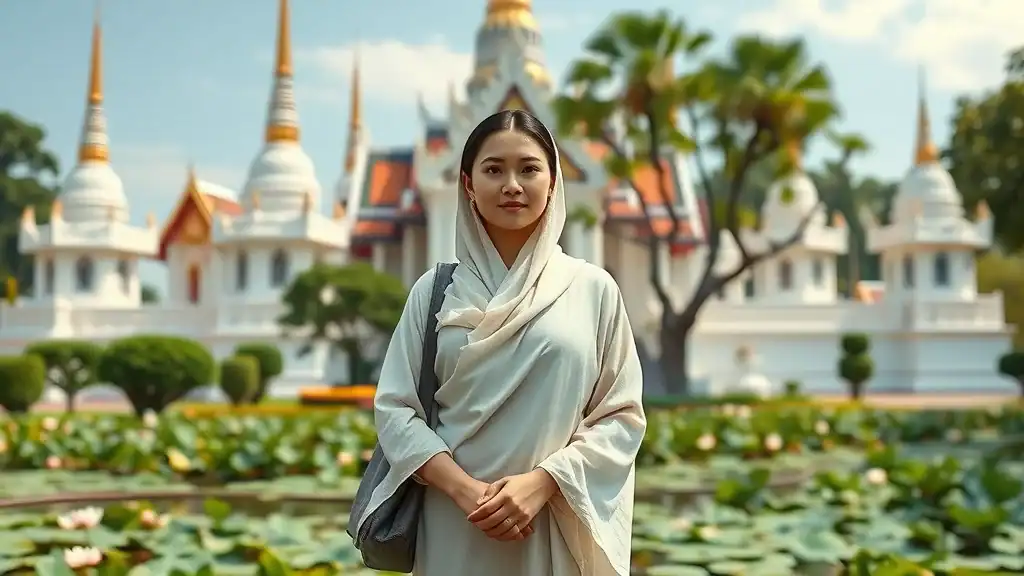
Temples are among the most sacred sites in Thailand, and decorum in dress and behavior is strictly observed. Always wear modest clothing—shoulders and knees must be covered for men and women alike. Remove hats and sunglasses before entering. Garments should be loose and non-revealing, in subdued colors. Even casual conversation is kept soft, and overt displays of affection (even among family members) are discouraged. Always walk quietly, avoid standing in front of monks while they pray, and follow posted signs regarding photography. Showing respect for both the site and the community is paramount—a reflection not just of your etiquette in Thailand, but your understanding of the importance these places hold for Thai culture.
Proper Behavior at Buddhist Ceremonies
Attending a Buddhist ceremony is a privileged cultural experience, and certain behaviors are expected as signs of respect. Arrive early and take a seat quietly; stand if monks or the royal family enters the room. Join your hands in a wai during prayers or blessings, and avoid pointing your feet towards the altar or monks. Participation in rituals is optional for non-Buddhists, but respectful observation is a must. Never interrupt, touch, or climb on sacred objects for photographs. If offering alms or donations, do so humbly—place your offering rather than handing it directly to a monk (especially for women, as physical contact is not allowed). Adopt a calm, patient presence, and you will gain admiration for your sensitivity to this essential part of culture in Thailand.
Etiquette in Thailand During Festivals, Markets, and Public Events
Participating Respectfully in Festivals
Festivals in Thailand are colorful, exuberant, and steeped in tradition, from Songkran (water festival) to Loy Krathong (festival of lights). While joyful participation is encouraged, travelers should avoid over-indulgent, disruptive, or disrespectful behaviors. Modest clothing, responsible alcohol consumption, and non-confrontational attitudes are expected at all public events. When in doubt, follow the lead of locals—observe, ask questions, and join as invited. Many Thai festivals honor ancestors, spirits, or the royal family, so maintaining decorum throughout is a vital expression of cultural sensitivity.
Bargaining and Market Etiquette in Thailand
The bustling markets of Thailand offer great opportunities to experience local life, but etiquette in Thailand also guides how to bargain and interact with vendors. Bargaining is expected in most markets, but approach it with humor and politeness—not aggression. A smile, light bow, and non-confrontational negotiation (“mai pen rai” spirit) help you avoid losing face. If you reach an impasse, simply thank the vendor and walk away graciously. Never raise your voice or act entitled, and always accept the final price respectfully if you choose to buy. This approach ensures positive interactions and leaves a great impression as a culturally considerate traveler.
Modern Challenges: Interacting with Locals and Digital Communication Etiquette in Thailand
Effective Cross-Cultural Communication in Thai Culture
In today’s interconnected world, travelers frequently interact with Thai people via digital platforms and social media. However, many traditional values persist even online. Communication—whether verbal or digital—should be polite, positive, and non-confrontational. If there is a language barrier, speaking slowly and using simple phrases is preferred, and maintaining patience shows a true sign of respect. Avoid sarcasm or public criticism, which can cause a Thai person to “lose face.” Empathy and careful observation go a long way; watch for cues in tone and response both online and offline. Making the effort to learn a few simple phrases in Thai, or using appropriate respectful emojis and language, demonstrates goodwill and understanding of thailand cultural etiquette.
Social Media and Online Behavior Expectations
Social media use is widespread in Thailand but comes with unspoken rules. Public shaming, sharing unflattering images, or making political commentary—especially regarding the monarchy or religion—are strictly taboo. Always ask before posting photos of your Thai friends or family, and avoid tagging in potentially embarrassing contexts. Complimenting, not critiquing, is the norm; Thai people prefer collective harmony online just as in real life. If you make a mistake, graciously apologize, and move on, adopting the forgiving “mai pen rai” attitude prevalent in thai culture. By respecting these nuances, both digital and real-world interactions will be smooth and rewarding.
A 60-second video walkthrough showing a tourist skillfully navigating greetings, removing shoes at a temple, and dining with a Thai family. The video emphasizes body language and respectful social interactions, giving you practical insights into everydaythailand cultural etiquettein photorealistic scenes. (Video not shown—see Southeast Asia Insider for the full clip.)
People Also Ask: Navigating Thailand Cultural Etiquette
Do and don’ts in Thai culture?
Travelers should always show respect, use the wai for greeting, avoid touching the head, and remove shoes when entering homes or temples. Do not raise your voice, lose your temper, or disrespect the monarchy.
What is considered disrespectful in Thai culture?
Disrespectful acts include touching someone’s head, pointing feet at people or religious objects, not removing shoes in homes or sacred places, public affection, and negative talk about the king or religion.
What happens at 6pm in Thailand?
At 6pm nationwide, the Thai national anthem is played in public spaces. Everyone pauses as a mark of respect for the nation. Travelers should stand still in silence during this time.
What are the unspoken rules in Thailand?
Unspoken rules include prioritizing seniority, avoiding confrontation, speaking softly, always showing respect to the monarchy and monks, and dressing modestly in public and religious places.
Watch as travelers participate in real Thai greetings, respectfully remove their shoes at temples, and share meals with local friends, all while navigating the unspoken body language and unique social cues ofthailand cultural etiquette. (Video demonstration available via Southeast Asia Insider.)
Frequently Asked Questions: Thailand Cultural Etiquette
- Is tipping expected in Thailand?
Tipping is appreciated but not mandatory in most settings. In restaurants, hotels, and for taxi drivers, rounding up bills or leaving small change is customary. - Can I take photos in temples?
Yes, but always ask first. Many temples post signs about photography policies, and flash photography or photos during ceremonies are generally not allowed. - How do Thais view punctuality?
Thais value punctuality in formal and business settings, though social gatherings often operate with a relaxed sense of time. Always notify your Thai friends if you’ll be late. - Are tattoos taboo?
Tattoos with religious imagery, especially Buddha images, are considered disrespectful if placed on lower parts of the body. Other tattoos are generally accepted, but cover them when visiting a temple. - How should I apologize if I make a cultural mistake?
A sincere apology, a wai, and a polite explanation show humility and respect. Thais are forgiving, especially if you show genuine effort to understand thailand cultural etiquette.
Key Takeaways from Thailand Cultural Etiquette for Travelers
- Respect for culture, religion, and the monarchy is paramount
- Subtle body language matters more than words
- Observe before acting and when in doubt, ask respectfully
- Familiarize yourself with customs before visiting
The Last Word on Thailand Cultural Etiquette: Prepare for Your Journey
For personalized tips or help planning your trip, email us atkevin@southeastasiainsider.comfor help with your next Asia Adventure
Ready to immerse yourself in the wonders of Thai culture? Master these etiquette essentials, and every encounter will be a respectful, memorable adventure!
As you prepare to embrace the nuances of Thai etiquette, remember that every country in Southeast Asia offers its own unique blend of customs and expectations. Expanding your cultural awareness beyond Thailand can make your entire journey smoother and more rewarding. For a broader perspective and expert advice on navigating the region, take a look at these 10 essential tips for first-time travelers in Southeast Asia. You’ll discover practical strategies for respectful travel, safety, and making the most of every destination—empowering you to connect authentically wherever your adventure leads.
Understanding and respecting Thai cultural etiquette is essential for travelers seeking an enriching experience in Thailand. The traditional Thai greeting, known as the “wai,” involves pressing your palms together in a prayer-like gesture and bowing slightly. While tourists aren’t expected to initiate a wai, it is polite to return one when greeted. Monks and the King are exceptions—they do not return wais. (asiadaily.org)
Public displays of anger or frustration are frowned upon in Thailand. Maintaining composure, or “saving face,” is highly valued. If things go wrong, a smile and a calm demeanor will earn you respect. (asiadaily.org)
When entering sacred sites and temples, adhere to strict dress codes:
- Skirts and shorts shouldn’t be too short.
- Hats and shoes should be removed.
- Shoulders should be covered.
- General appearance should be well-groomed.
Photography is normally allowed, but be sure to pose alongside religious images and icons respectfully. It’s best not to pull lurid gestures next to, or clamber up, on, or over any Buddhist monuments in Thailand. This would be seen as very bad manners in Thailand. (expatinsurance.com)
Respect for the royal family is deeply ingrained in Thai culture. Never joke about or criticize the monarchy, even in casual conversation or online. In public places, you might hear the national anthem at 8 a.m. and 6 p.m. People stop and stand—do the same. At movie theaters, they play a tribute to the King before the film. Stand silently until it ends. This is one of the few local customs that carries real consequences if ignored. (bangok.com)
By familiarizing yourself with these customs, you demonstrate respect for Thai culture and enhance your travel experience.