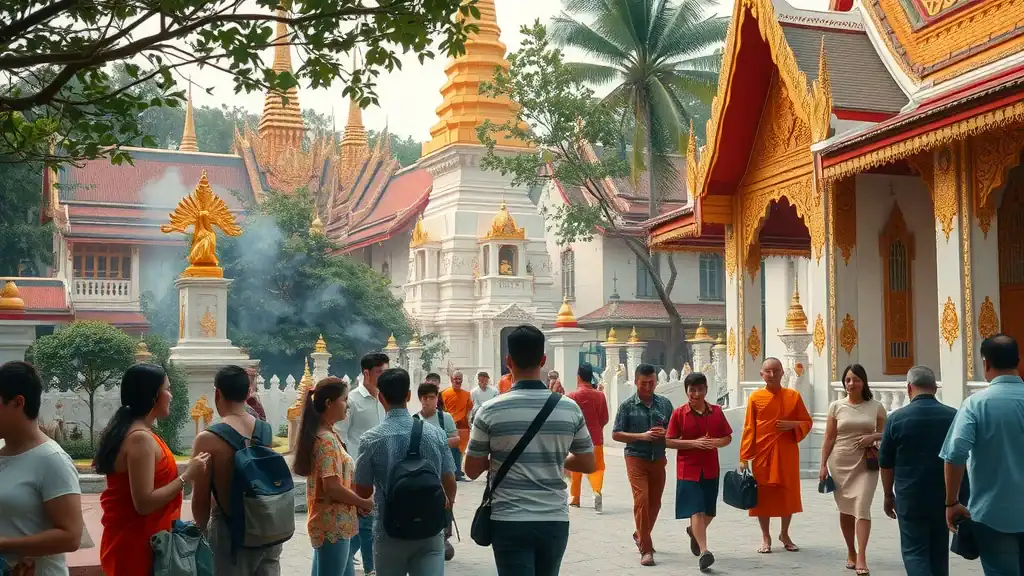
Have you truly experienced the real spirit of Bangkok temples, or have you only scratched the shimmering surface that most tourists see? Dive deeper—past the famous spires and golden Buddhas—into a world filled with secret festivals, serene rituals, and stories whispered through generations. This guide reveals the mysteries and local insights behind Bangkok’s stunning temple complexes, offering a transformative temple adventure you won’t find in guidebooks.
What You’ll Learn About Bangkok Temples
- Explore iconic and lesser-known temples in Bangkok
- Discover hidden rituals and local anecdotes
- Tips and etiquette for visiting Buddhist temples
- How to plan a respectful and authentic temple tour
- Insights into the history, architecture, and secret spots locals love
“Bangkok’s temples are more than tourist destinations; they’re living testaments to the city’s spiritual heart.”
Opening Inquiry: Have You Truly Experienced Bangkok Temples Beyond the Tourist Trail?
Introduction: Bangkok Temples and the Unseen Stories
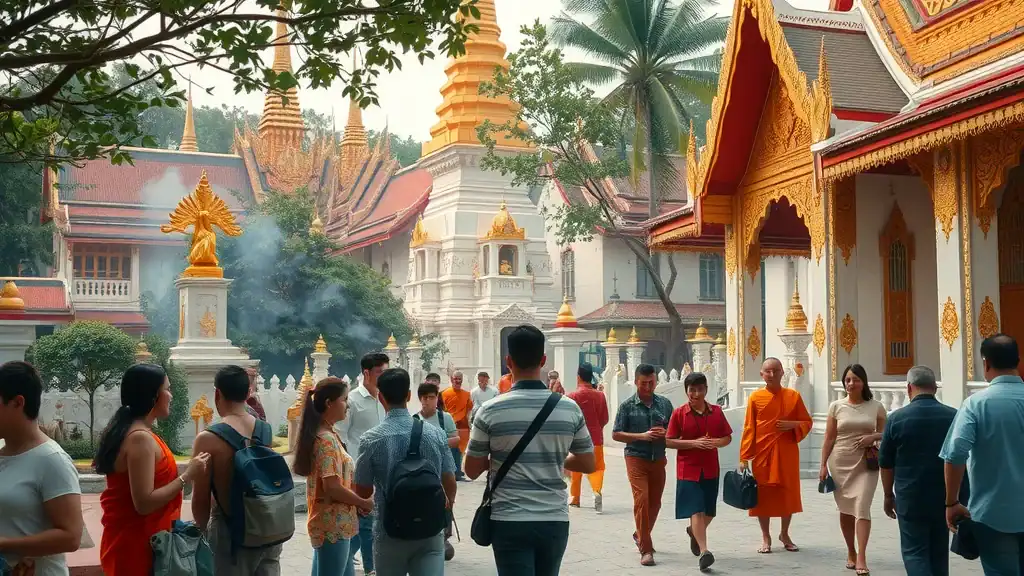
Unveil why exploring Bangkok temples with a local perspective reveals fascinating secrets, unique traditions, and the deeper soul of the city. With every bend of the incense smoke and every step across marble courtyards, Bangkok’s temples invite travelers to unlock a deeper understanding of Thailand’s spiritual and cultural lifeblood. Explore beyond the postcard vistas—the city’s Buddhist temples hold centuries-old secrets, connecting the city’s frenetic energy to its meditative core, all through stories, ceremonies, and spots that only locals know.
Table: Quick Guide to the Must-See Bangkok Temples
| Temple Name | Unique Secret | Local Tip | Entry Fee | Opening Hours | Area |
|---|---|---|---|---|---|
| Wat Phra Kaew (Grand Palace) | Hidden morning prayer rituals with the Emerald Buddha | Arrive at 8:30AM for fewer crowds | 500 THB | 08:30–15:30 | Old City |
| Wat Pho | First school of Thai massage | Get a massage from temple-trained therapists | 200 THB | 08:00–18:30 | Old City |
| Wat Arun | Secret sunset rituals by the river | Visit after 5PM for magical views | 100 THB | 08:00–18:00 | Thonburi |
| Wat Saket (Golden Mount) | Annual temple fair known to locals | Climb at sunset for city views | 100 THB | 07:30–19:00 | Old City |
| Wat Benchamabophit (Marble Temple) | Morning monk blessings | Attend the 6:30AM monk ceremonies | 50 THB | 08:00–17:30 | Dusit |
| Wat Suthat | Legends of the Giant Swing | Explore murals inside ordination hall | 100 THB | 08:30–17:00 | Old City |
| Wat Traimit | Discovered Golden Buddha statue | Pair with Chinatown food tour | 40 THB | 09:00–17:00 | Chinatown |
| Wat Ratchanatdaram | Peaceful iron-spired Loha Prasat | Climb for solitude at sunset | 20 THB | 08:00–17:00 | Old City |
| Wat Mahathat | Free meditation classes | Join weekend meditation sessions | Free/Donation | 09:00–17:00 | Old City |
1. The Grand Palace and Wat Phra Kaew: More Than the Emerald Buddha
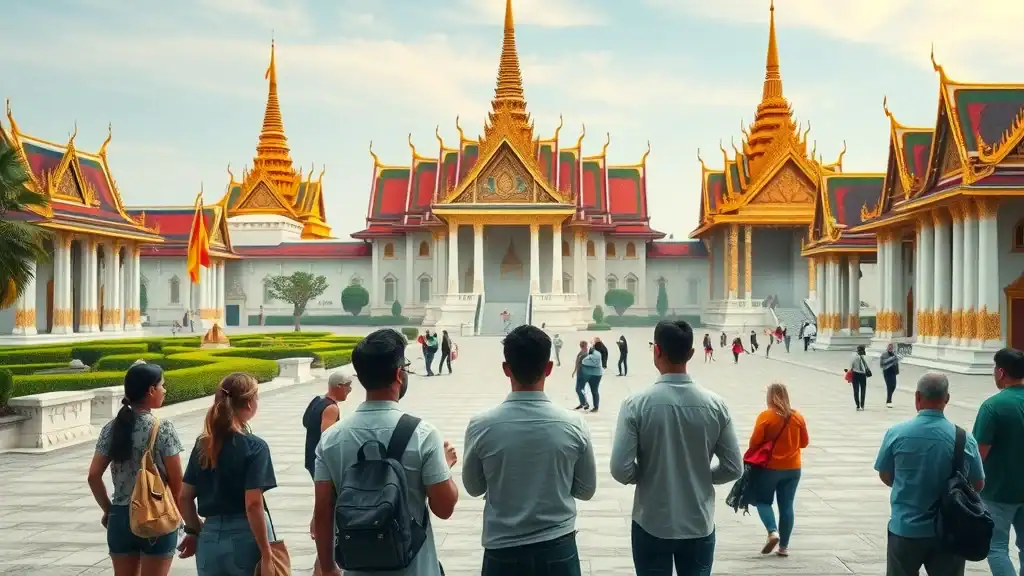
Wat Phra Kaew: The Spiritual Heart of Bangkok Temples
Wat Phra Kaew, also revered as the temple of the Emerald Buddha, is the pulse of all Bangkok temples. Hidden stories swirl here: few visitors know the Emerald Buddha is adorned in different golden seasonal costumes that only the King changes. Locals sneak in early—just after opening—witnessing tranquil morning prayer rituals before the crowds surge. These peaceful prayers, filled with soft chanting and wafting incense, make the temple’s spiritual significance come alive. Most guides ignore the side galleries, where stories from the Ramakien (Thailand’s national epic) whisper from vibrant murals. For a truly local experience, visit on Buddhist holidays, when candlelight illuminates the temple and families unite in reverent offerings.
Grand Palace: Royal Ceremonies and Unseen Corners
The Grand Palace is more than a dazzling architectural feat—it’s a living royal institution. Occasionally, exclusive royal ceremonies are held in secret inner courtyards, with monks and attendants moving in stately processions. Local guides often point to shaded cloisters and cool covered walkways as favorites for respite from the tropical sun (and the tour bus crowds). Curious travelers should look for the hidden gardens and tucked-away Buddha images scattered across the temple complex, where silence reigns and lotus ponds mirror the palace’s spires. Only those who linger after most tourists leave witness the palace lights casting golden patterns across the ancient paving stones.
Wat Phra Kaew Dress Code and Photography Tips
Dress with respect at all times: both men and women must cover shoulders and knees (no shorts or tank tops). Sarongs are available at the entry, but locals prefer light, loose clothing for comfort and respect. For the best photos, shoot from the corner of the temple library at sunrise—this angle captures the glittering rooflines devoid of crowds. Avoid intrusive flash photography, especially during ceremonies, and always step aside for monks or worshippers when framing your shots. Remember, the Bangkok temples are working sanctuaries, not just beautiful backdrops.
2. Wat Pho: The Reclining Buddha and Thai Massage Insights
Reclining Buddha: Symbolism and Hidden Meanings
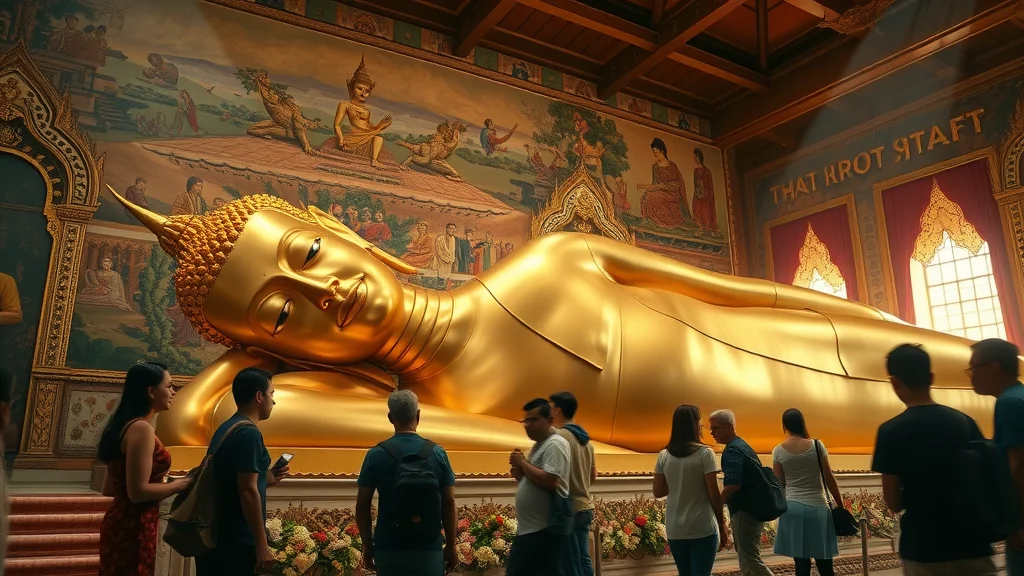
The reclining Buddha at Wat Pho—one of the most iconic temples in Bangkok—measures an incredible 46 meters and is coated in gold leaf. Yet, its beauty lies in deeper meaning: notice the mother-of-pearl inlays on the statue’s feet, which depict auspicious Buddhist symbols guiding the soul to enlightenment. Murals around the temple hall reveal ancient cosmological maps and tales of karmic cycles, often overlooked as visitors rush for a selfie. Locals visit to drop coins into a row of 108 bronze bowls, symbolizing the 108 auspicious characteristics of Buddha, for good luck and fortune. To glimpse the statue in peace, come just after lunch when most tour groups disperse; you’ll hear only the gentle clinking of coins and quiet prayers mingling with sunlight streaming through stained glass.
Wat Pho: Thai Massage Origins and Local Practices
Beyond its Buddha statue, Wat Pho is known as the birthplace of traditional Thai massage. Monks have practiced and refined these therapeutic arts here for centuries. The temple still houses a massage school, run by therapists whose training can be traced back directly to royal Thai court techniques—so a massage at Wat Pho is not just a treat but a journey through history. Locals know to request a “Nuad Thai” session, and to visit in late afternoon, when therapists are less busy and the garden courtyards are bathed in golden sunlight. While waiting, wander through courtyards adorned with Chinese statues, ancient chedis, and serene Buddha images tucked beside flowering bodhi trees.
Visiting Tips: Wat Pho with Local Etiquette
As in all Buddhist temples in Bangkok, etiquette is honored. Remove your shoes at the temple entrance and dress modestly. Observe how locals offer lotus flowers and incense before images of the Buddha—imitating these rituals is welcome, so long as you move quietly and show reverence. Donations, though not required, are used for temple upkeep and to support education for young monks. The best times to visit are early morning or just before closing, when the light is soft, the air cooler, and the temple regains its contemplative calm. Capturing the Bangkok temples tranquility at these times makes for the most memorable photos and stories.
3. Wat Arun: The Temple of Dawn’s Secret Sunset and Local Rituals
Wat Arun: Architectural Grandeur of Bangkok Temples
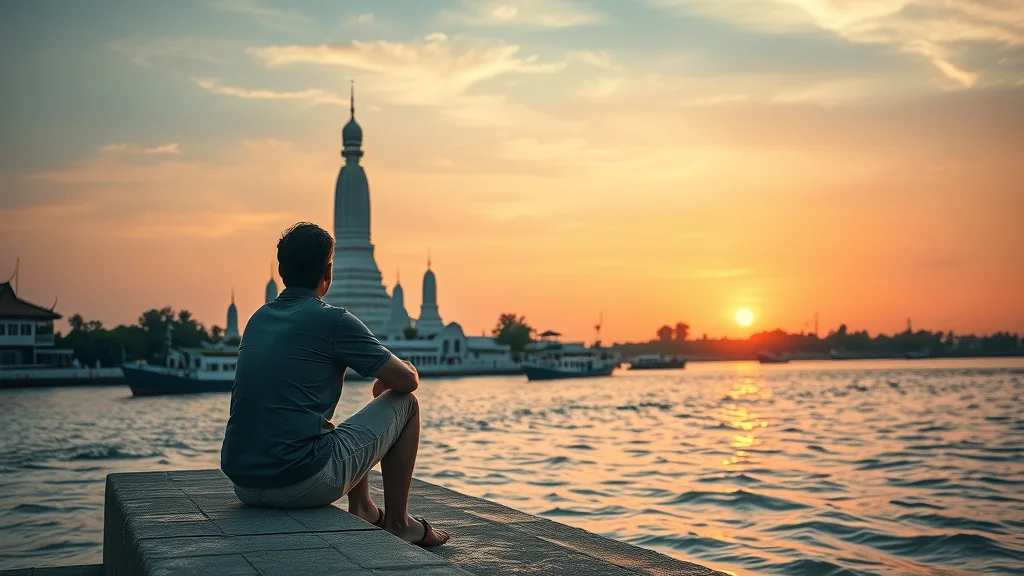
Distinctive across the Chao Phraya River, Wat Arun—the “Temple of Dawn”—is famed for its Khmer-style prangs (spires) encrusted with intricate porcelain mosaics. While many tourists marvel at sunrise, locals cherish the view at sunset or even in the quiet after dusk, when the temple’s reflection shimmers golden-orange on the water and monks gather for discreet evening rituals. Many families visit to light incense on the low riverside steps, away from the crowds. The upper terraces, reached by a narrow staircase, offer a perspective where you can hear city-sounds fade, replaced by the soft breeze and temple bells. For the best photographs, cross to the opposite bank and frame Wat Arun against the setting sun; the magic hour paints both temple and sky in unforgettable colors.
Temple of Dawn: Rituals Only Residents Know
The dawn rituals here are not publicized but are a treasured secret among local devotees. Before sunrise, residents may bring offerings and quietly meditate along the temple’s river platforms, seeking the day’s first blessings. After dusk, the temple is less busy—perfect for reflective strolls. Locals suggest visiting after dark to witness the beautifully lit silhouette without the tourist throngs. On festival days like Loy Krathong, small candlelit boats float gently past, turning the Bangkok temples skyline into a luminous spectacle of tradition and serenity that even most guidebooks forget to mention.
4. Wat Saket (Golden Mount): Panoramic Views and the Secret Festival
Golden Mount: The Best 360° View of Bangkok Temples
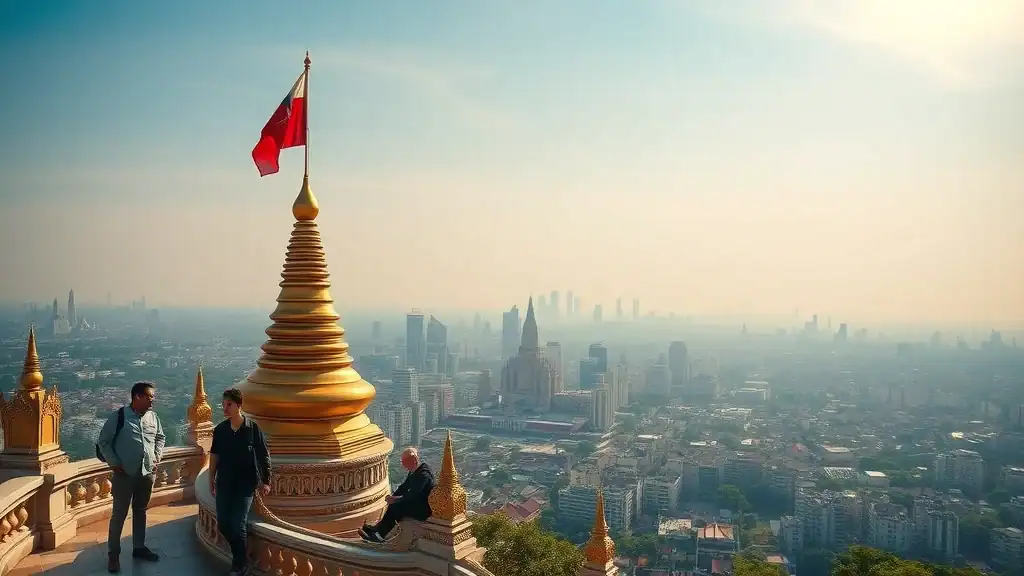
Climbing the winding staircase of Wat Saket—the famous Golden Mount—feels like ascending towards a quieter realm above the city’s chaos. Each turn reveals statues, shaded paths, and hundreds of prayer bells waiting for a gentle chime (locals believe this summons good karma). At the summit, the 360-degree view stretches across historic temple complexes and the city’s glinting skyline, making locals and visitors pause for reflection. In November, the Annual Temple Fair transforms the Golden Mount into a wonderland with candlelight processions, food stalls, and traditional performances—a secret festival beloved by residents, rarely spotlighted in tourist brochures. Just before sunset, the light bathes the golden chedi in a warm glow, and the city seems to fall silent below.
Secret alleyways and lesser-known prayer nooks can be found along the climb. Locals honor the statue of the temple’s guardian spirit at a hidden alcove—offer a flower, make a wish, and continue on your journey feeling part of Bangkok’s living heritage.
5. Wat Benchamabophit (Marble Temple): A Masterpiece Among Bangkok Temples
Marble Temple: Italian Influence and Monk Blessings
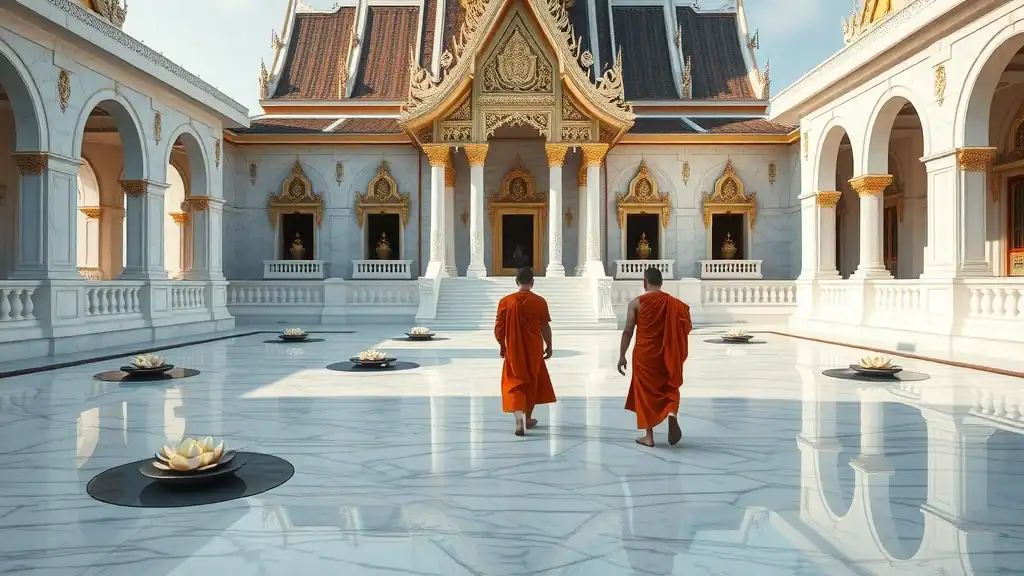
Known for its serene beauty and European influence, Wat Benchamabophit, also called the Marble Temple, is a testament to King Rama V’s vision. The pristine white marble, imported from Italy, and the temple’s harmonious symmetry make it the most architecturally striking temple in Bangkok. At dawn, locals gather for the daily alms-giving ceremony to monks—an authentic Buddhist ritual where you can witness the community’s deep spiritual ties. Rare Buddha images line the inner cloisters; particularly revered is the Sukhothai-style statue in the ordination hall, known to grant wishes. For a peaceful moment, sit beside the lotus ponds in the courtyard and let the morning light reflect off the glowing marble, as soft chanting echoes from the main hall.
6. Wat Suthat: The Giant Swing and Local Mythology
Wat Suthat: Murals and the Mystical Swing
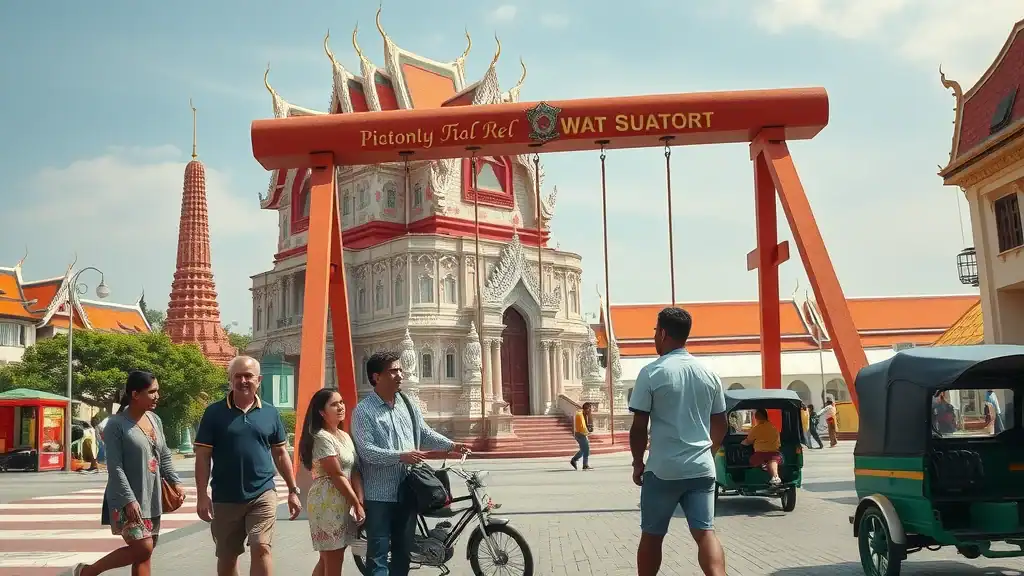
Wat Suthat is not only renowned for its towering red Giant Swing in the square outside, but also for the mysterious legends attached—locals whisper that in ancient times, young men would swing high into the air as part of a Brahminical ritual, seeking to grab a money bag suspended atop the structure to please the gods. Within the temple, intricate murals depict Buddhist cosmology and everyday life, their stories best interpreted with a local guide. Most visitors miss the side chapels, which house centuries-old Buddha images in tranquil solitude. The echoing halls and the closeness to the bustling street scene just outside create a unique juxtaposition of sacred and secular—the spirit of Bangkok temples in a nutshell.
7. Wat Traimit: Golden Buddha and Chinatown’s Timeless Charms
Golden Buddha: The Hidden History Revealed
Among the most astonishing stories in the city is the discovery of the Golden Buddha at Wat Traimit. For centuries, a plain plaster Buddha statue sat unnoticed until, by chance, it was dropped in the 1950s, revealing a 5.5-tonne solid gold Buddha image hidden beneath. This remarkable find links the temple to the days of King Rama III and the secret movement of treasures during times of war. Today, the statue gleams in an opulent chamber, a dazzling symbol of resilience, mystery, and faith. Many local Thais come to pay respects before the workday starts, offering garlands and incense in humble reverence. Look for the storyboards in the museum beneath the temple—they reveal details and recovered artifacts linked to Bangkok’s early Chinatown days.
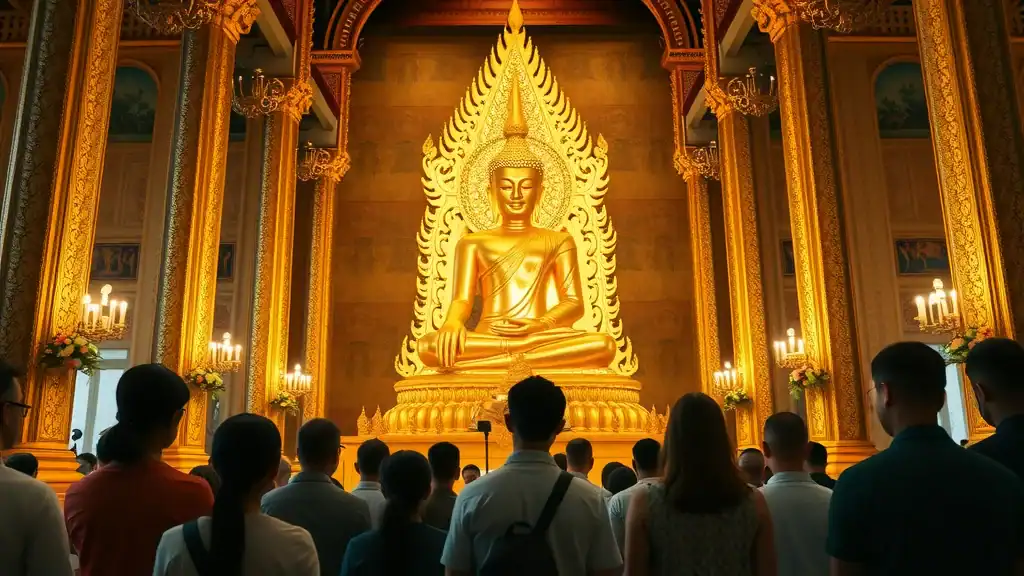
Wat Traimit: Bangkok Temples in the Heart of Chinatown
Wat Traimit’s location at the edge of Chinatown makes it a cross-cultural experience, especially during Chinese festivals when dragon dancers weave between incense clouds and food vendors. Locals advise visiting during the Chinese New Year for an electric atmosphere, or during quieter evenings, when the temple’s golden roofs glisten under lantern light. Neighborhood temples nearby offer a true taste of the melting pot, with markets, traditional herbal shops, and historic shrines all within walking distance—perfect for pairing a spiritual journey with culinary discoveries.
8. Wat Ratchanatdaram and the Loha Prasat: Iron-Spired Temple of Solitude
Loha Prasat: The Unique Metal Monastery
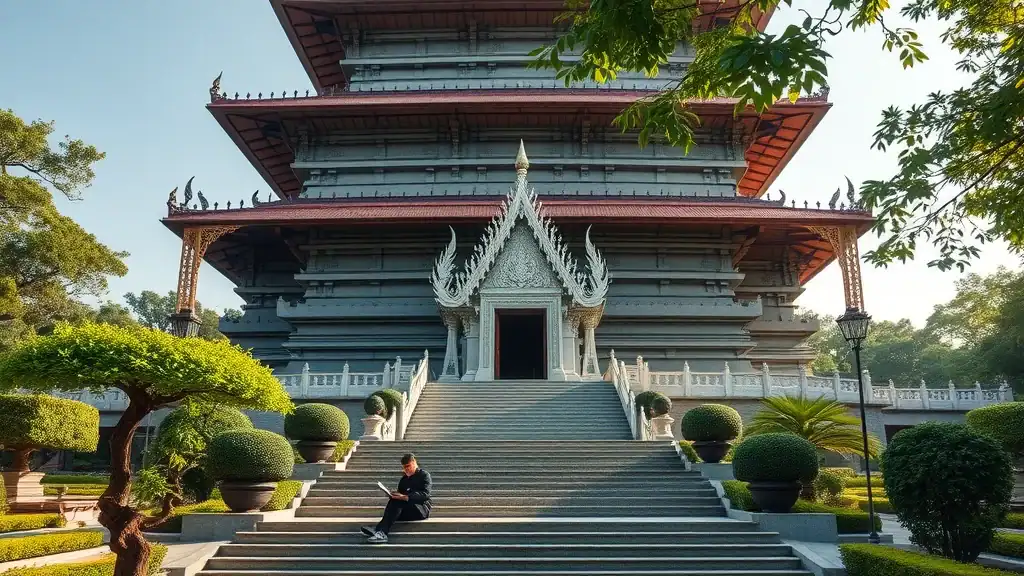
Often overlooked, Wat Ratchanatdaram is home to the Loha Prasat, the only metal spired monastery in Thailand, and one of just three in the world. The labyrinth of iron spires feels like a fortress of tranquility, even during busy Buddhist festivals. The uppermost level is typically empty, offering a rare sanctuary above the noise. Locals come here to meditate or read, as the airy walkways and well-kept gardens create an atmosphere of deep peace. For architecture fans, the geometric design and interplay of light and shadow across the ironwork offer a photographer’s paradise—especially near sunset. Be sure to look for small, hidden shrines on the temple’s upper levels, dedicated to lesser-known monk-scholars
9. Wat Mahathat: Meditation Haven Among Bangkok Temples
Wat Mahathat: Where Locals Go for Mindfulness
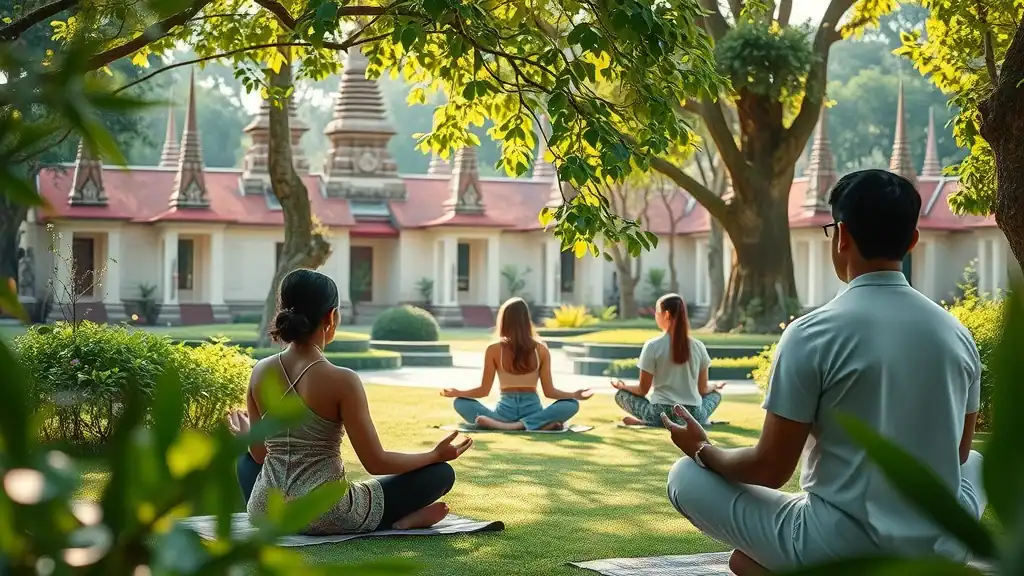
One of Bangkok’s most respected Buddhist temples, Wat Mahathat provides a haven for anyone seeking calm amid the city. Free meditation classes—offered in both Thai and English—draw beginners and advanced practitioners alike. Locals, students, and travelers gather quietly in leafy courtyards and serene gardens, slipping away from the city’s rush. The temple is also headquarters to Thailand’s leading Buddhist university, so you’ll often spot monks engaged in scholarly discussions. For the most peaceful experience, arrive early or join a weekend meditation; temple bells echo softly, birds flutter overhead, and the world recedes for a while. This is spiritual Bangkok at its most genuine and accessible.
10. Wat Arun Night Illumination: A Different Perspective
Bangkok Temples and Evening Boat Tours
Bangkok temples take on a whole new majesty after sunset. Locals love to board evening boat rides along the Chao Phraya River, where the illuminated silhouettes of temples like Wat Arun and Wat Pho shimmer on the water. The contrast between glittering spires and the gentle lap of waves creates a magical, dreamlike scene. Many traditional Thai dinner cruises and public ferries offer nighttime journeys—a perfect way to cool off and witness sacred sites from a fresh angle. Don’t forget your camera; the reflections are unforgettable, especially during festival seasons when lanterns or fireworks light up the riverbanks.
Watch a video exploring secret corners of Bangkok’s iconic temples with local guides. The footage reveals serene rituals, magical evening ceremonies, and quiet temple courtyards, accompanied by traditional Thai music and English subtitles.
Bangkok Temples Etiquette: How to Respect Sacred Spaces
- Dress conservatively (shoulders and knees covered)
- Remove shoes before entering temple buildings
- Be mindful of your head (never touch a monk’s head)
- Avoid loud conversations and public displays of affection
People Also Ask About Bangkok Temples
What are the three must visit temples in Bangkok?
The top three Bangkok temples most recommended by locals and experts are Wat Phra Kaew in the Grand Palace, Wat Pho, and Wat Arun. Each offers unique experiences, history, and spiritual significance.
Is there a dress code for Bangkok temples?
Yes, dress modestly covering shoulders and knees. Both men and women should avoid shorts and tank tops. Some temples provide sarongs for visitors.
What order to visit Bangkok temples?
Start in the morning at the Grand Palace and Wat Phra Kaew, proceed to Wat Pho for a massage, and cross the river to Wat Arun for sunset. This order avoids crowds and maximizes your experience.
Is it Wat Arun or Wat Pho?
Both are must-visit Bangkok temples. Wat Pho is famous for the Reclining Buddha and Thai massage, while Wat Arun is celebrated for its riverside location and stunning architecture.
Bangkok Temples: Frequently Asked Questions
- Which Bangkok temples are best for meditation?
- Are there entrance fees for all Bangkok temples?
- What unique festivals occur at Bangkok temples?
Insider Lists: Bangkok Temples for Every Interest
- Best Bangkok temples for architecture lovers
- Most peaceful Buddhist temples for meditation
- Bangkok temples with the richest history
- Temples in Bangkok with kid-friendly activities
Take a guided look through Bangkok’s temple complexes with exclusive commentary from lifelong residents.
Key Takeaways: Bangkok Temples Experience
- Bangkok temples offer more than photo ops—seek out hidden rituals and festivals.
- Most temples have unique local etiquettes that enhance your visit.
- Pairing famous temples with nearby neighborhood gems reveals the real Bangkok.
Planning Your Visit to Bangkok Temples: Final Thoughts
Whether you’re a spiritual seeker, architecture aficionado, or curious traveler, follow these local secrets for a transformative experience of Bangkok temples.
Ready for More? Email Us for Expert Bangkok Temples Tips
Email us at kevin@southeastasiainsider.com for help with your next Asia Adventure!