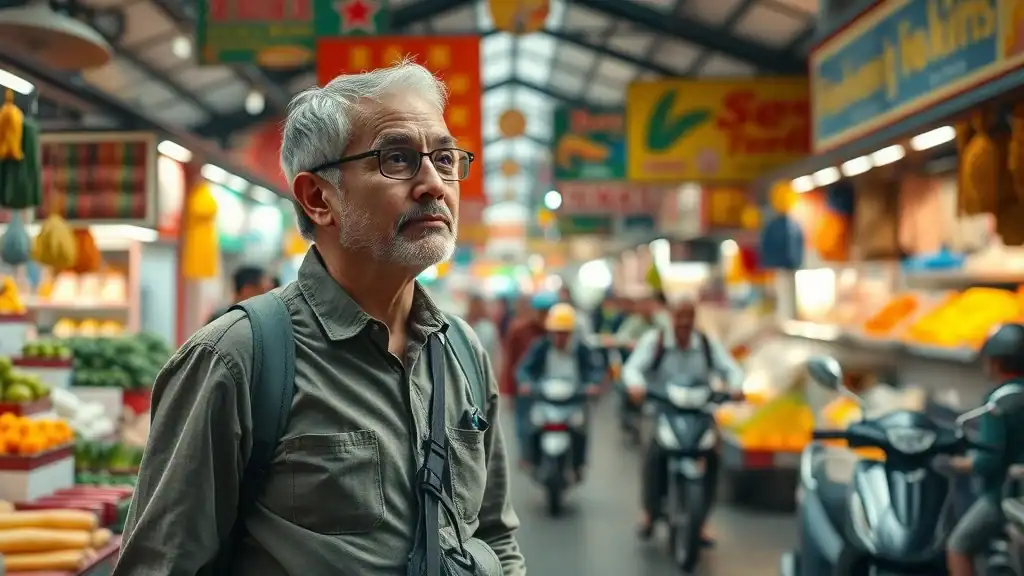
Would you believe that many seasoned travelers are blindsided by unexpected risks in Southeast Asia—despite having visited Asia before? If you’ve always thought you were “too experienced” to fall for a common scam or overlook a safety issue, this comprehensive guide will change your mind. We reveal travel safety insights especially important for travelers over 50, retirees, solo females, and anyone seeking to stay safe while exploring one of the world’s most vibrant regions. Dive in to discover essential travel hacks that go far beyond the usual warnings and get ready for a smarter, safer adventure!
Unlocking the Secrets of Travel Safety in Southeast Asia: Are You Missing These Overlooked Pitfalls?
From unexpected common scams lurking at bustling markets to water quality surprises that can sideline your vacation, travel safety in Southeast Asia is more layered than most tourists realize. While headlines often focus on dramatic incidents, it’s the subtle, everyday pitfalls—like minor health shocks, “routine” transport scams, and region-specific hazards—that catch most travelers off guard. For those age 50+, these issues can be amplified due to unique health needs, mobility, and even cultural considerations that can impact both the fun and safety of your trip.
This guide goes beyond the basics, offering real-world advice derived from experts, expats, and seasoned travelers who understand the region’s rhythms. Whether you’re plotting out a retirement adventure or planning your first solo eco-tour, the overlooked pitfalls and proven travel tips gathered here will help you avoid hassle and danger. Ready to travel Southeast Asia with total confidence? Let’s break down what you really need to know.
What You’ll Learn About Travel Safety in Southeast Asia
- Lesser-known safety risks and common scams unique to Southeast Asia
- Proven travel tips for older travelers and retirees
- Guidance on travel insurance, natural disaster preparation, and water safety
- Staying safe as a solo or female traveler in Asia
- Reliable, expert-backed safety advice beyond the usual travel warnings
Is Asia Safe? Myths and Realities of Travel Safety in Southeast Asia
There’s a perception that Asia is generally a safe place for tourists, thanks to its welcoming cultures, affordable costs, and robust tourism infrastructure. However, the reality is nuanced: while many parts of Southeast Asia are indeed safe to travel, others come with unique risks including petty theft, natural disaster exposure, and evolving scams that target even experienced travelers. Comparing east asia vs. southeast asia safe zones reveals significant contrasts in healthcare access, emergency response, and digital safety infrastructure as well.
- Overview of Southeast Asia’s reputation vs. facts
- Comparing east asia safe and southeast asia safe regions
- Recent trends and government travel advisories
Recent years have seen some improvements—especially in countries like Singapore and Thailand—thanks to increased government regulations and tourist awareness campaigns. Still, risks persist, ranging from common scam tactics to region-specific threats like sudden floods, earthquakes, or even political unrest. Monitoring official travel advisories, especially those targeting travelers aged 50+, is crucial for safe and seamless travel.
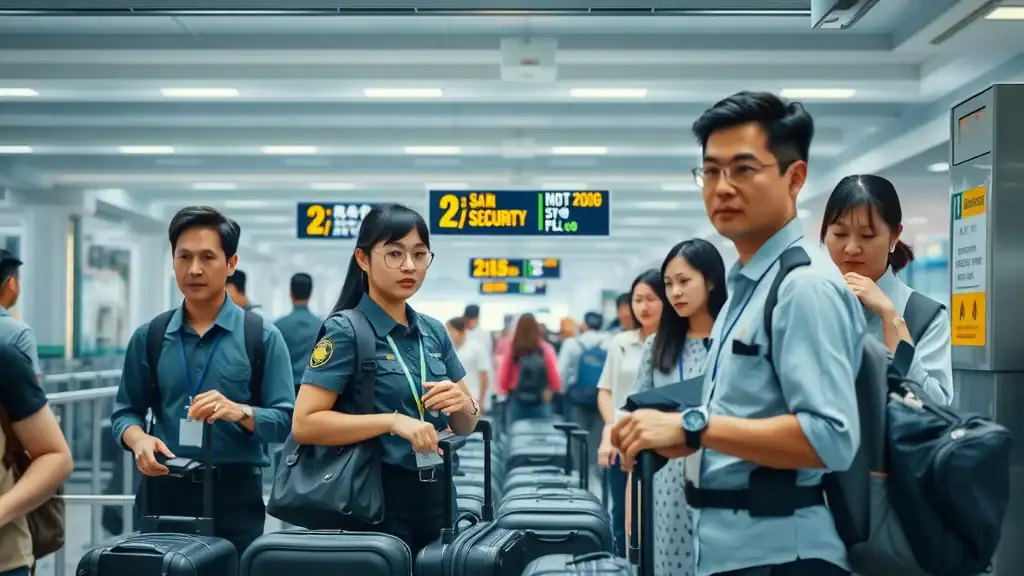
Is Southeast Asia Safe for Travelers Over 50?
For travelers over age 50, Southeast Asia can be an incredibly rewarding destination, but it’s essential to recognize that safety needs shift with age. Priorities change to focus more on health services, access to reliable transportation, and even the availability of rest spots and emergency care near major tourist sites. Popular cities in southeast asia, such as Chiang Mai or Singapore, are generally well-equipped for older adults, featuring quality healthcare, accessible infrastructure, and clear emergency protocols.
- Specific concerns for age 50+ travelers often include not just physical demands—navigating uneven temple steps or bustling markets—but also the resilience of local health services.
- Accessibility is another key factor; look for destinations with reliable transport, accessible accommodation, and pharmacies that cater to common chronic conditions. Staying informed about travel advisories, investing in comprehensive travel insurance, and planning for emergencies are highly recommended for retirees and the 50+ crowd.
By taking these facets into account, older travelers can fully enjoy the beauty and vibrancy of Southeast Asia without unnecessary risk or discomfort.
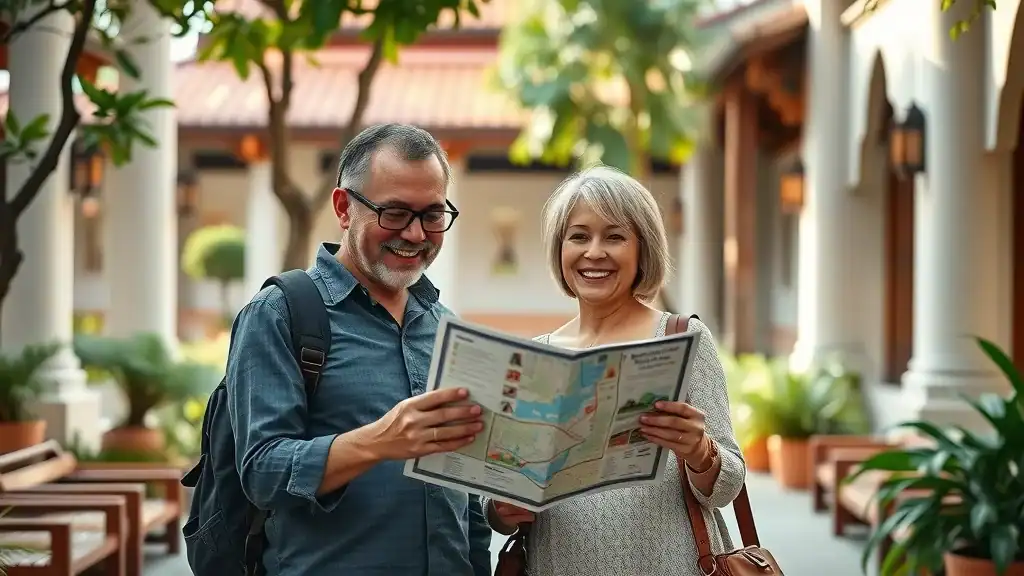
How Safe is East Asia Compared to Southeast Asia?
Safety across Asia is not a one-size-fits-all matter. Generally speaking, East Asia—including destinations like Japan, South Korea, and Taiwan—boasts lower crime rates, more advanced healthcare systems, and superior digital infrastructure. Comparatively, Southeast Asia offers unforgettable adventures but can involve greater health and safety risks, especially in rural regions. For female travel and solo female travel ambitions, East Asia is often regarded as more straightforward due to societal norms, law enforcement presence, and cultural attitudes.
- East Asia safe vs. Southeast Asia safe: East Asia tends to outscore Southeast Asia in international safety rankings and claims fewer travel insurance incidents per capita, especially for older and solo travelers.
- Solo female travel is generally uncomplicated in Japan and Taiwan; however, extra vigilance is recommended in select Southeast Asian countries, where gender norms and personal space expectations may be different from what travelers are used to back home.
If your top priority is personal safety—including ease of getting medical help in an emergency or reducing common scam risks—consider starting with East Asian destinations before venturing into less-developed parts of Southeast Asia.
Top Common Scams and How to Stay Safe in Southeast Asia
Recognizing Common Scams and Staying Safe
No matter your age, common scams can upend your trip if you’re unprepared. In Southeast Asia, unique scams target tourists in public transport zones, busy tourist attractions, and even within seemingly well-run accommodations. Scenarios range from tuk-tuk and taxi driver overcharging, fake tour operators, and ATM skimmers to distraction thefts in crowded night markets or famous districts like those in Hanoi and Bangkok.
- Familiarize yourself with the common scam playbook: avoid “too good to be true” deals, always negotiate fares in advance, and be wary of unsolicited offers at tourist hotspots.
- Stay safe by keeping only minimal cash on hand and using safe digital payments where possible, especially in busy or unknown areas.
- Prevent theft by never leaving valuables unattended and using anti-theft bags in crowded zones.
As a rule, common sense paired with local knowledge is your best defense—trust your instincts, stay aware of your surroundings, and know that even the savviest travelers are sometimes targeted.
“Being well-informed reduces 90% of the risk. Scams evolve, so stay vigilant.” — Local travel safety expert

Health Essentials: Water in Southeast Asia, Tap Water Concerns, and Food Safety
Tap Water in Southeast Asia: Drinking Safely
One of the least anticipated yet most pervasive issues for travelers is the tap water in southeast asia. Unlike some parts of east asia, tap water in much of Southeast Asia is not safe for drinking—this applies even in many reputable hotels and restaurants. Sticking with safe bottled water is the golden rule, but always check the bottle’s seal and source. Many convenience stores carry trusted brands, and some accommodations provide free bottled or filtered water to guests.
- Do not brush your teeth with tap water in southeast asia unless you’ve confirmed it’s safe. Use bottled water or boiled tap water.
- Expect surprising facts, like the local preference for distilled rather than mineral water, or varying government safety standards depending on the country.
- Carry water purification tablets or a reliable filtration bottle for emergencies. Some remote regions may lack convenient access to safe water in Southeast Asia, making advance planning crucial to prevent waterborne illness.
Be especially vigilant during or after natural disasters, when water supplies are more likely to be compromised.

Food Safety Tips for Older Travelers
Food is a joy of Southeast Asia, but for travelers over 50, gastrointestinal health deserves extra attention. Stick to cooked foods served hot, and avoid fresh salads or raw garnishes in places where “street food” hygiene can’t be assured. Seek out street food vendors with large crowds (locals know best), and don’t hesitate to inspect the cleanliness of both restaurants and utensils.
- Minimize contamination risks with frequent hand washing or sanitizer use before meals. If you have food allergies, learn local phrases for your allergens or carry a translation card to present to waitstaff.
- Consider how new, spicy, or unfamiliar foods might impact existing health conditions—especially if managing chronic digestive disorders. Retirees might want to avoid ice in drinks, as it often comes from tap water.
By being selective and cautious, you can savor Southeast Asia’s culinary delights without sacrificing your health and travel safety.
Natural Disaster Preparedness and Travel Insurance in Southeast Asia
Natural Disaster Risk: Hurricanes, Earthquakes, and Floods
Natural disasters are a feature of travel safety in Southeast Asia, particularly depending on the time of year and region. Monsoon season can bring severe floods to Vietnam and Thailand; volcanic eruptions periodically affect Indonesia; and typhoons impact the Philippines several times a year.
- Study emergency protocols for your destination ahead of time, including location-specific risks by country and by season.
- Keep both digital and paper copies of emergency numbers, embassy contacts, and hospital information with you at all times.
Planning your itinerary around monsoon or typhoon seasons and keeping an eye on local alerts can go a long way toward avoiding potentially dangerous situations.
Travel Insurance for Southeast Asia: Real-World Scenarios
Comprehensive travel insurance is essential—period. Medical emergencies, theft, natural disaster evacuations, and even sudden trip cancellations can lead to costs and logistical nightmares you won’t want to face alone, especially for travelers over 50. There are documented cases where travel insurance enabled swift medical evacuation or full reimbursement of disrupted vacations.
- Always buy travel insurance before your trip and ensure it covers not just health emergencies, but also natural disasters and theft—unlike in the United States, public safety nets may not be available in much of Southeast Asia.
- Look for policies with proven track records in the region, and don’t hesitate to compare online or consult with a knowledgeable agent, especially if you have preexisting health conditions.
- Filing a claim is easier now than ever, with many insurers offering 24/7 multilingual support for travelers in distress.
Even the savviest, healthiest explorers could face risks they simply cannot manage alone—let insurance take that weight off your shoulders as you explore Southeast Asia.
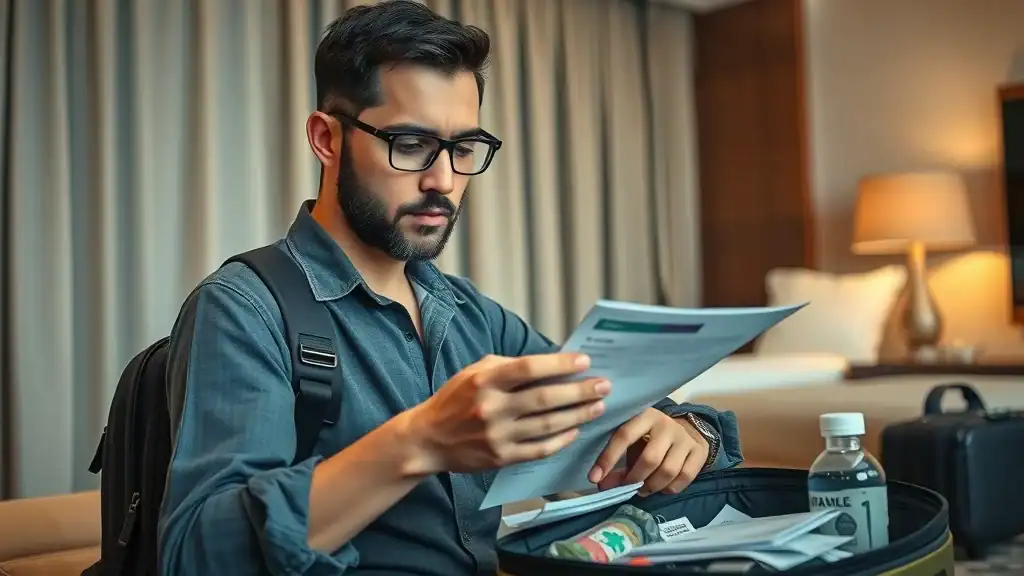
Southeast Asia Safe for Solo Female and Retiree Travelers: How to Reconsider Travel Plans
Safety for Solo Female Travelers in Southeast Asia
Solo female travel in Southeast Asia is increasingly popular, but it’s essential to understand the region’s diverse social norms and safety realities. In tourist hubs, being vigilant and respectful of local dress codes is key. Some countries, like Singapore and Malaysia, offer easier paths for solo female travelers, while others require heightened caution—especially after dark, or in unfamiliar areas.
- Research cultural considerations for each country: carrying a scarf or shawl may be required for temple visits, and conservative attire is often best.
- Use reputable transport (official taxis or ride apps) and stay in accommodations with strong reviews from other solo female travelers.
- Take note of red flags—if a neighborhood or situation feels unsafe, trust your instincts and move on.
Empower yourself with local knowledge, and don’t be afraid to make friends with fellow travelers or contact embassy services as needed—the regional travel community is supportive when it comes to helping each other stay safe.

Should You Reconsider Travel? Critical Safety Factors for Older Adults
Sometimes, it makes sense to reconsider travel—especially if you have complex health needs, limited mobility, or if official advisories indicate heightened risk. Check the latest updates from your country’s foreign office, and consider alternative “Asia safe” regions for retirees such as Singapore or certain parts of Thailand.
- Recurrent political protests, rising crime, or frequent natural disasters should at least prompt you to adjust your itinerary—and sometimes, to postpone travel entirely.
- Learn to interpret government advisories; a Level 4 warning means “do not travel” due to military conflict, disaster, or systemic health risk, while Level 2 or 3 highlight areas where extra vigilance is required.
- If you’re uncertain, contacting your embassy before departure can provide personalized, up-to-date safety guidance—making all the difference between a safe adventure and a regrettable ordeal.
“I never expected how different my needs would be traveling at 65 — preparation is everything.” — A Retired World Traveler
People Also Ask: Travel Safety in Southeast Asia
What is the safest country in Southeast Asia to visit?
Safest Country in Southeast Asia: Overview
- Current government crime stats and local expert recommendations consistently highlight Singapore as the safest country for both first-timers and older travelers. Its low crime rate, advanced emergency medical care, and strong public order make it stand out.
- Criteria for “safest country” include consistent law enforcement, high-quality health infrastructure, and accessible emergency resources—a boon for retirees or solo female travelers alike.
The city-state’s regulations on everything from traffic to street food hygiene far surpass most southeast asia safe destinations. This doesn’t mean you can let your guard down entirely, but compared to back home, Singapore’s safety standards will likely feel familiar and reliable.
Is it safe to travel to Thailand now due to war?
Travel Advisory: Thailand and Neighboring Conflicts
- While Thailand remains safe to travel for most visitors, it shares borders with countries experiencing conflicts. The Thai government and embassy advisories monitor the situation closely. Travelers should avoid border regions and monitor updates daily.
- Beyond conflict, urban politeness and tourist infrastructure help maintain a safe environment, but it’s wise to stay tuned to local news for possible protests or disruptions.
Staying safe means following embassy guidance, heeding local warnings, and being flexible with your itinerary if conditions change.
What countries are under Level 4 travel advisory?
Identifying Level 4 Countries in Southeast Asia
- As of the latest updates, most popular Southeast Asian tourist destinations are not under Level 4 travel advisory. However, certain regions within the Philippines and parts of Myanmar may be on the list due to ongoing security concerns or recent natural disasters.
- Retirees and travelers over 50 should regularly check the official government warning sites and sign up for email alerts to monitor risks in real time.
Being proactive about your destination’s safety status can prevent unwelcome surprises and ensure you’re not caught in high-risk situations.
Is it safe for US citizens to travel to Thailand right now?
US Government Advice for Travelers to Thailand
- Embassy recommendations from the United States emphasize regular monitoring of security and health updates, using reputable hotel and transport services, and registering your trip with the Smart Traveler Enrollment Program (STEP).
- When comparing east asia safe and southeast asia safe, Thailand ranks among the safest Southeast Asian destinations for US tourists, providing advanced hospitals and robust police support in major cities.
Remember that embassy staff are your lifeline for backup plans—make note of their contact info before you go.
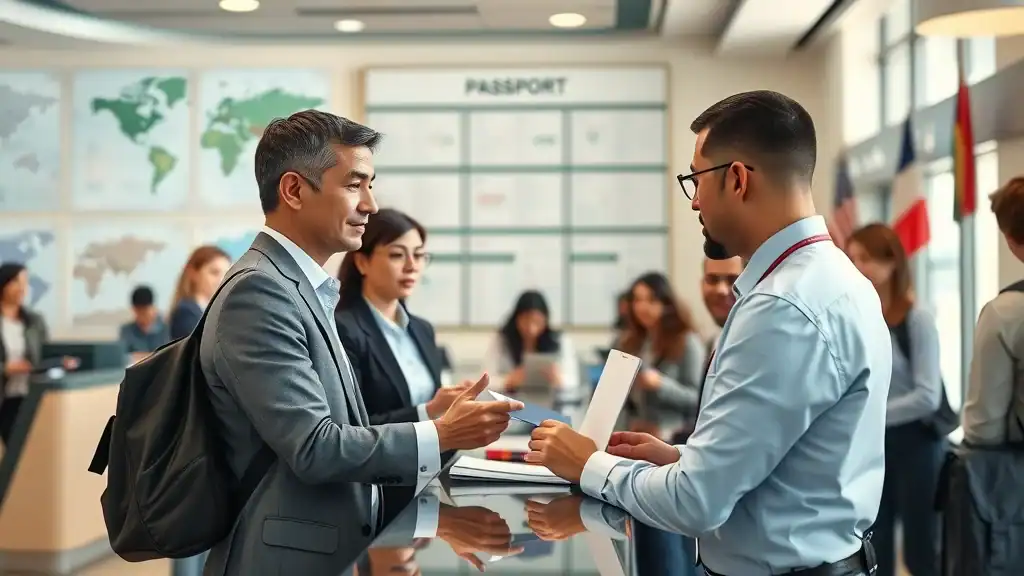
Safety Tips and Travel Hacks for Southeast Asia (Especially for Travelers 50+)
- Plan around monsoon and festival seasons
- Pack travel insurance and medical documents
- Know emergency numbers and consulate contacts
- Stay in reputable, well-reviewed accommodations
- Practice street smarts and trust your instincts
- Use water purification tablets or reliable bottled water
- Limit cash; rely on safe digital payments
Simple preparation and smart technology—like translation apps, e-medical records, and real-time travel advisories—can transform your Southeast Asia trip into an experience that feels as comfortable as being back home. Consider seeking the wisdom of local experts, joining travel forums, and always keeping an open mind.
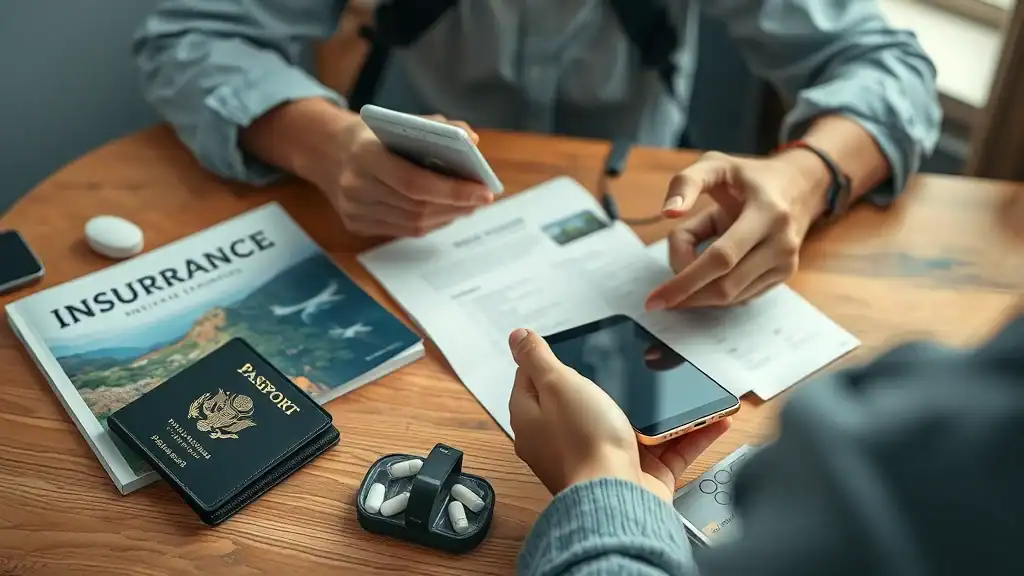
Travel Safety in Southeast Asia: Quick-Reference Guide Video
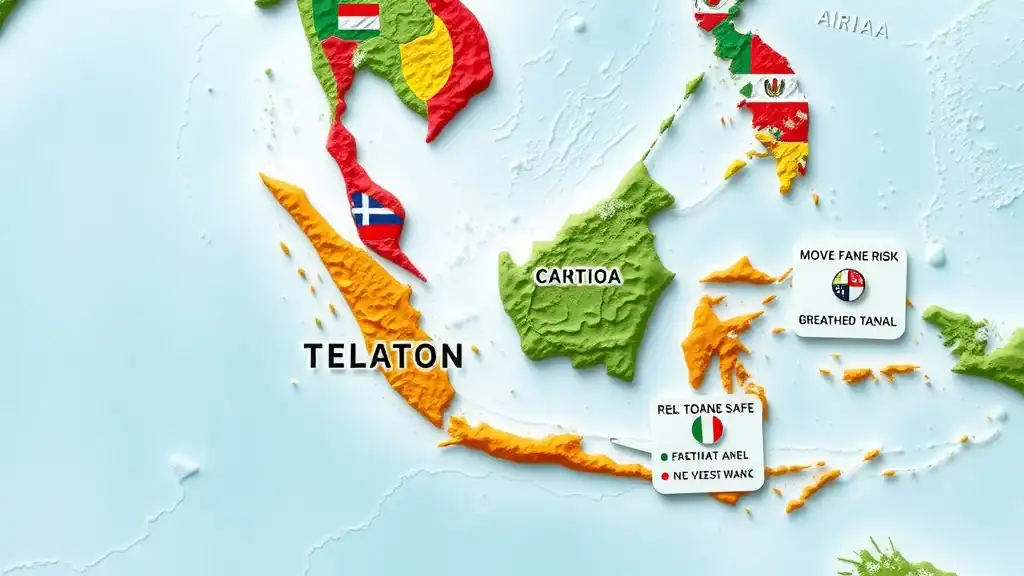
Safety in Southeast Asia Visualized: Risk by Country (Table)
| Country | Safe to Travel? | Tap Water | Natural Disaster Risk | Top Scam | Solo Female Friendly | Health Care Accessibility |
|---|---|---|---|---|---|---|
| Thailand | Yes | No | Moderate | Tuk-tuk scam | High | High |
| Vietnam | Yes | No | Moderate | Wallet theft | Moderate | Moderate |
| Singapore | Yes | Yes | Low | Rare | Very High | Very High |
| Indonesia | Caution | No | High | Pickpocketing | Moderate | Variable |
| Philippines | Caution | No | High | ATM fraud | Moderate | Moderate |
Expert Quotes on Travel Safety in Southeast Asia
“Preparedness means understanding the region’s risks and your own vulnerabilities.” — Asia Regional Travel Expert
“Most problems are preventable with awareness and smart planning, no matter your age.” — International Travel Insurer
Frequently Asked Questions about Travel Safety in Southeast Asia
- Is emergency health care accessible everywhere in Southeast Asia?
Emergency health care is available in most major cities but may be limited in rural or island locations. It’s wise to know where the nearest hospital is at all times and to have strong travel insurance that covers medical evacuation to a major city if needed. - What insurance do I need for Southeast Asia travel?
Comprehensive travel insurance is crucial. Look for medical, natural disaster, theft, and trip cancellation coverage. Make sure your policy is valid for every country you’re visiting, and declare any pre-existing conditions to ensure claims won’t be denied. - Are there emergency contacts every traveler should know?
Save embassy and consulate numbers for each country, plus local emergency services (like 115 for medical help in Vietnam or 191 for police in Thailand). Join STEP or a similar registration program through your embassy for real-time safety updates. - How do I avoid natural disaster zones?
Avoiding disaster zones is about timing and research. Stay away from coastal or mountain areas during monsoon or typhoon seasons, register for text alerts, and check government advisories for current risk maps.

Key Takeaways for Travel Safety in Southeast Asia
- Research each country before departure and monitor advisories
- For those 50+, prioritize health preparation and travel insurance
- Don’t underestimate risks even in ‘safe to travel’ areas
- Trust local advice and avoid high-risk zones
Your Next Step: Plan a Safe, Empowered Trip to Southeast Asia
- Email us atkevin@southeastasiainsider.comfor help with your next Asia Adventure