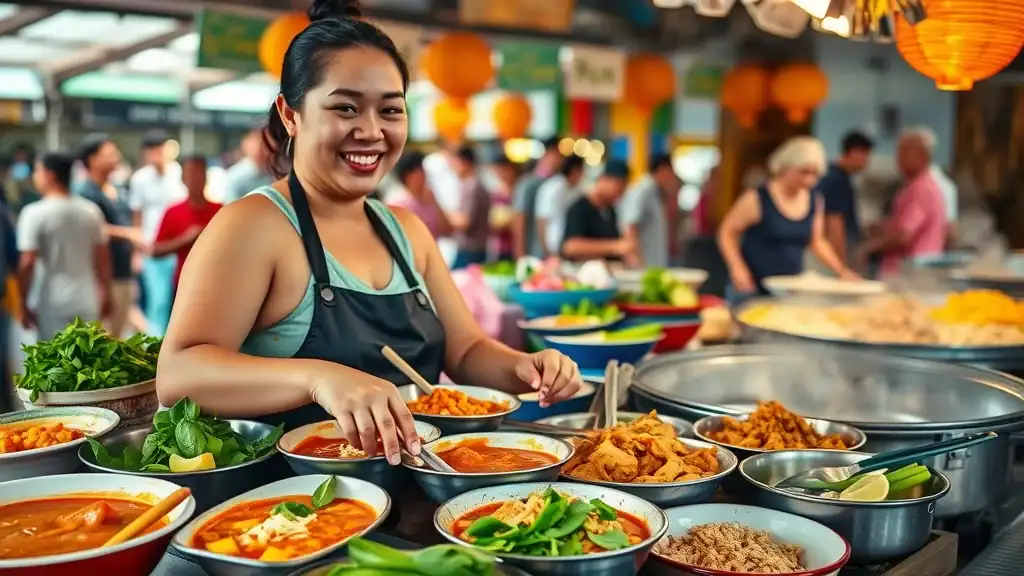
Imagine stepping into a bustling Thai street market: the melody of sizzling woks, the dazzling colors of curry-laden bowls, and the welcoming smiles of vendors eager to serve their treasured family recipes. Thailand local cuisine isn’t just a meal—it’s an experience layered with memory, excitement, and discovery. Whether you’re retracing childhood flavors or tasting your very first papaya salad under neon lanterns, this guide is your ticket to the heart and soul of Thai food culture.
Thailand Local Cuisine: What You’ll Learn in This Ultimate Guide
- Discover the defining flavors of thailand local cuisine
- Explore iconic thai dish options found across the country
- Identify must-try street food and regional specialities
- Navigate thai restaurants and food markets with confidence
- Master essential facts for understanding thai food culture
A Culinary Journey Through Thailand Local Cuisine: Evoking Memories and Appetite
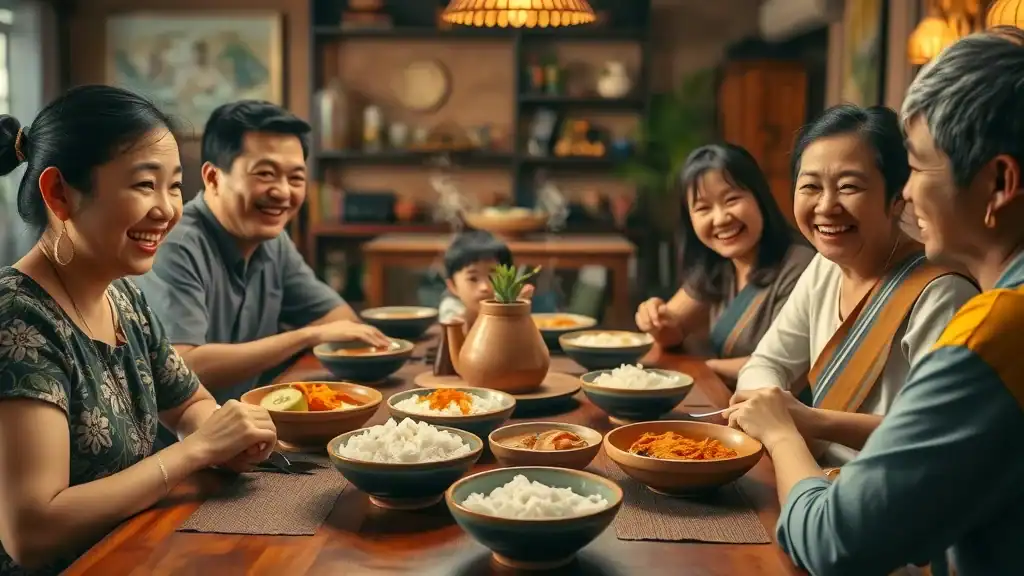
Food is a powerful connector, unlocking sensations and stories with every bite. Reliving a traditional Thai meal might remind you of laughter-filled family gatherings or late-night street food adventures with new friends. The magic of thailand local cuisine lies in its remarkable ability to evoke memories, satiate appetite, and bridge cultures—one dish at a time. In Thailand, eating is a celebration of heritage, creativity, and community.
“There is no sincerer love than the love of food.” – George Bernard Shaw
Whether you’re savoring a comforting bowl of khao soi in Northern Thailand or sharing spicy papaya salad (som tum) on a sun-warmed roadside, each flavor tells its own story—complex, vibrant, and memorable.
Why Thailand Local Cuisine Enchants Food Lovers Worldwide
Unique Flavors and Contrasts in Thai Dishes
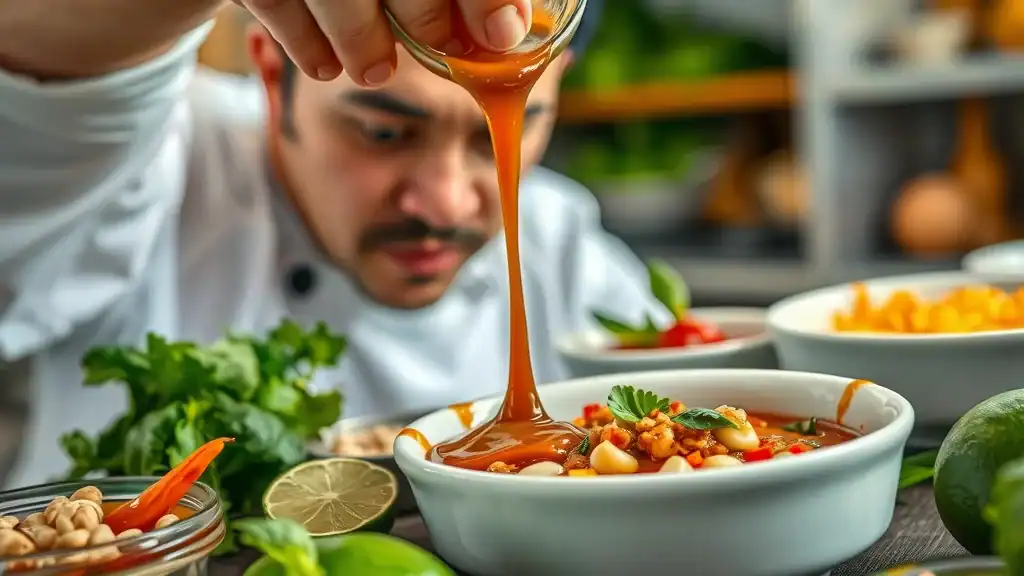
Thailand local cuisine dazzles global food lovers thanks to its masterful blend of flavors: sweet, savory, spicy, sour, and salty—all often present in a single bite. Signature ingredients like fish sauce, kaffir lime leaves, chili pepper, palm sugar, and aromatic herbs ensure every dish bursts with character. Dishes such as tom yum (spicy-sour soup) and green curry (herbaceous, fiery, and creamy) illustrate Thailand’s signature contrasts—a delicate dance of heat and cool, crunch and silk, tang and umami.
What truly sets Thai food apart is this constant pursuit of balance. The contrast between crunchy bean sprouts and soft rice noodles in pad thai, or the harmony of tart lime juice cutting through rich coconut milk in southern curries, showcases a culinary tradition where no single note dominates the palate. It’s this interplay that keeps food lovers craving more and has inspired chefs worldwide to interpret and celebrate Thai flavors.
If you’re planning to immerse yourself in Thailand’s food scene, it’s helpful to pair your culinary adventures with smart travel strategies. For practical tips on navigating local markets, staying safe, and making the most of your food-focused journey, check out these effective Thailand travel planning strategies for deep and safe exploration at this comprehensive guide.
Historic Roots of Thai Food: Tradition and Diversity
The story of thailand local cuisine stretches across centuries, shaped by royal courts, trade routes, and neighboring influences. Dishes like massaman curry borrow aromatic spices from Persian and Indian traders, while coconut-laden southern curries reflect proximity to Malaysia. Over time, regional culinary traditions evolved, integrating local produce—like sticky rice in the north and fresh seafood in the south—creating a tapestry of flavors uniquely Thai.
At its core, Thai food remains deeply tied to family, religious festivals, and the rhythm of daily life. Recipes often pass from generation to generation, combining age-old methods (like slow-cooked broths or hand-pounded curry pastes) with inventive local twists. This blend of tradition and innovation fuels the ceaseless popularity and endless variety of thai dishes available from humble countryside kitchens to modern city eateries.
Top 20 Must-Try Thailand Local Cuisine Dishes
| Iconic Thai Dish | Region | Flavor Profile | Where to Try |
|---|---|---|---|
| Pad Thai | Central | Savory, tangy, nutty | Bangkok street stalls |
| Tom Yum | Central/South | Spicy, sour, fragrant | Thai restaurants, local markets |
| Som Tum (Papaya Salad) | Isaan (Northeast)/Central | Zesty, spicy, sweet-sour | Street food stalls |
| Khao Soi | Northern | Rich, creamy, curry spice | Chiang Mai eateries |
| Thai Fried Rice | Nationwide | Savory, mild, customizable | Night markets, roadside cafes |
| Pad Kra Pao | Central | Spicy, herbal | Thai street food vendors |
| Satay | South/Central | Grilled, peanutty | Food markets, night bazaars |
| Massaman Curry | South | Mild, aromatic, nutty | Southern Thai restaurants |
| Green Curry | Central | Herbal, coconut-creamy, hot | Family-owned Thai eateries |
| Larb | Isaan (Northeast) | Tart, spicy, herby | Isaan restaurants, markets |
| Moo Ping (Grilled Pork Skewers) | Nationwide | Smoky, sweet-salty | Street food vendors |
| Kanom Krok (Coconut Rice Pancakes) | Nationwide | Sweet, creamy, crispy | Morning markets |
| Yam Nua Yang (Spicy Beef Salad) | Central | Herby, spicy, tangy | City restaurants, street food stalls |
| Gaeng Daeng (Red Curry) | Central/South | Spicy, rich, aromatic | Thai restaurants |
| Sticky Rice with Mango | Central/North | Sweet, creamy, floral | Dessert vendors |
| Panang Curry | Central | Sweet, nutty, mild heat | Thai homes, local restaurants |
| Hoi Tod (Crispy Oyster Omelet) | Central | Crunchy, savory | Bangkok Chinatown |
| Pad See Ew (Stir-Fried Flat Noodles) | Central | Soy-saucy, smoky, garlicky | Street noodle stalls |
| Kai Jeow (Thai Omelet) | Nationwide | Fluffy, savory | Quick food vendors |
| Luk Chup (Fruit-Shaped Mung Bean Sweets) | Central | Sweet, delicate | Dessert stalls |
1. Pad Thai: The Quintessential Thai Dish
- Pad thai origins and key ingredients
- Best places to eat pad thai in Thailand
Pad Thai stands at the pinnacle of thailand local cuisine—a flavorful stir-fried rice noodle dish combining tamarind sauce, fish sauce, bean sprouts, peanuts, eggs, and a hint of chili pepper. Originally popularized in the 1930s during a national campaign to promote rice noodle consumption, pad thai represents community, innovation, and adaptability. Find it sizzling on city street corners or Golden Mount’s famous “Thip Samai,” where lines indicate it’s worth the wait!
What makes authentic pad thai special is the harmony of sweet, sour, salty, and spicy notes, achieved by skillfully balancing ingredients like palm sugar, lime juice, and chili. The soft chew of rice noodles pairs perfectly with the crunch of bean sprouts and roasted peanuts, while a squeeze of lime brightens every forkful. For first-timers, don’t miss trying it made-to-order at a bustling thai street food market—a rite of passage for every food lover exploring Thailand.
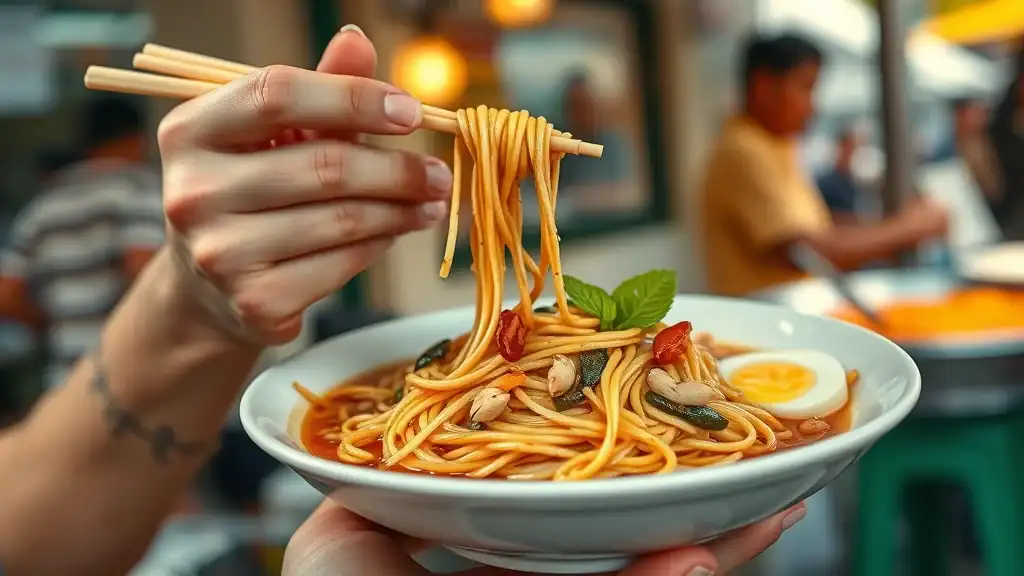
2. Tom Yum: The Classic Noodle Soup of Thai Cuisine
- Spicy-sour flavor profile of tom yum
- Tom yum variations found in Thai restaurants
Tom Yum is the zesty, undeniably aromatic soup synonymous with thai cuisine. This bowl is a showstopper, brimming with shrimp, mushrooms, lemongrass, kaffir lime leaves, galangal, and a chili-lime broth that delivers a pleasant fiery punch. The magic lies in the nimble balance of hot chilies, cooling citrus, and savory fish sauce. You’ll spot tom yum almost everywhere—from humble home kitchens to elaborate Thai restaurants—each offering their own take with varying levels of heat and richness.
Variations abound: Tom Yum Goong (with prawns) is iconic, while Tom Yum Gai (with chicken) or noodle soup renditions keep local crowds coming back. Many upscale eateries accentuate tom yum’s dramatic flavors with fresh river prawns or innovative seafood twists. For the purest form, try a roadside vendor serving it steaming-hot, paired with a handful of fragrant rice for good measure.
3. Som Tum (Papaya Salad): The Fresh Taste of Street Food
- How papaya salad defines thai street food
- Northern thai and southern thai takes on som tum
No culinary adventure in Thailand is complete without tasting som tum, or green papaya salad. Known for its interplay of tart green papaya, bright lime, fiery chilies, palm sugar, fish sauce, and peanuts, this salad is a cornerstone of thai street food and Isaan tradition. It’s fresh, pungent, a little crunchy, a little juicy, and always full of personality.
Northern Thai versions might be heartier and less sweet, complementing sticky rice and grilled meats, while Southern iterations can be spicier, sometimes mixing seafood or salted egg for added richness. The essence of papaya salad is its adaptability—readily customized to your spice tolerance and adventurous palate. Watch a street vendor pound it to order in a mortar and pestle, then devour it immediately for the ultimate textural and flavor experience.
4. Khao Soi: Northern Thai’s Famous Noodle Dish
- Khao soi noodle soup and its regional distinctness
- Where to find the best khao soi
Khao soi is the soul of Northern Thai cuisine: a creamy, curry-laced noodle soup topped with crispy fried noodles and aromatics like shallot, pickled mustard greens, and lime. The broth, a rich coconut milk and curry paste base, is simultaneously warming and vibrant, setting it apart from lesser-known noodle dishes.
While it’s native to Chiang Mai, legendary khao soi shops can be found in any northern city—“Khao Soi Khun Yai” and “Khao Soi Mae Sai” are favorites among locals and tourists alike. Don’t be afraid to slurp—it’s encouraged and signals you’re enjoying this cherished Thai dish.
5. Thai Fried Rice: Versatility in Thai Cuisine
- Fried rice varieties and their popularity in thai dishes
- Common toppings and best street food stalls
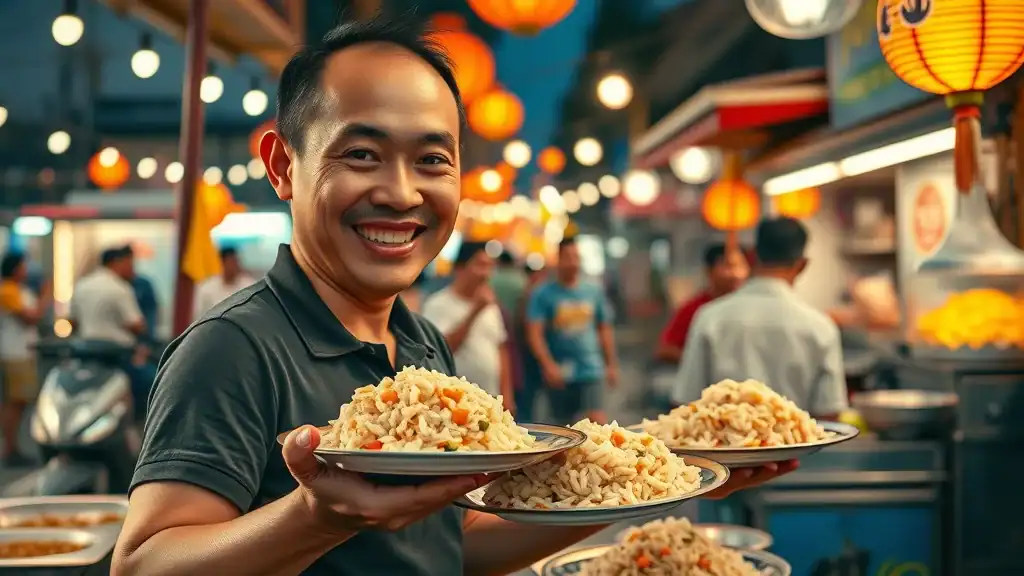
Thai fried rice (Khao Pad) is the unsung hero of thailand local cuisine, a simple yet endlessly customizable staple enjoyed morning through night. Short- or long-grain rice is tossed with garlic, onions, soy sauce, and whatever protein’s handy—shrimp, chicken, crab, or tofu—then finished with bits of egg, scallion, and a wedge of lime.
Street food stalls often offer creative versions, served with fresh cucumber, chili vinegar, or a glistening fried egg. For an extra dose of “local,” try versions studded with pineapple in the south or salted fish up north. Whether fueling school kids, late-night revelers, or families on the go, fried rice is beloved for its comforting familiarity and flexibility.
6. Pad Kra Pao: A Spicy Thai Street Food Staple
- Basil’s role in authentic pad kra pao
- Thai street and thai restaurants serving this classic
A sizzling favorite at any Thai street stall is Pad Kra Pao. Tender meat or tofu is stir-fried with garlic, chili, and plenty of holy basil, creating an intensely aromatic dish that sings with spice. Traditionally served over rice and crowned with a crispy fried egg, Pad Kra Pao is quick, satisfying, and highly customizable—choose pork, chicken, beef, or even seafood.
The secret lies in the basil. Only Thai holy basil delivers that signature peppery punch, a must for authentic flavor. Seek out Pad Kra Pao at humble vendor carts by train stations, university canteens, or family-run thai restaurants—you’ll smell it before you even spot the sizzling wok!
7. Satay: Grilled Skewers and Dipping Sauces
- Protein and sauce variations in satay
- Satay’s presence in thailand local cuisine markets
Satay, a symbol of vibrant street food culture, features juicy, marinated meats or tofu skewered and grilled over coals. The magic lies in the dipping sauces: a creamy, sweet-spicy peanut sauce and crisp cucumber relish. Pork and chicken are the most common, though beef, seafood, and even mushroom versions are increasingly popular.
The satay experience extends from bustling Bangkok night markets to beachside barbecues in the south. Whether on-the-go or as part of a larger meal, satay’s charred edges and addictive sauce exemplify why thailand local cuisine is loved worldwide.
8. Massaman Curry: A Rich, Fragrant Thai Dish
- Cultural origins and spice blends in massaman curry
- Comparing massaman to other thai cuisine curries
Massaman curry is Thailand’s bridge to her Muslim heritage, brimming with coconut milk, tender meat (often beef or chicken), and a unique blend of spices—cardamom, cinnamon, and cloves—imported centuries ago. With its mellow, nutty flavor and potatoes or peanuts, it’s gentler (and less fiery) than green or red curries, earning praise even from those wary of spicy heat.
Try authentic massaman at local Muslim restaurants in the south or specialty curry houses throughout Thailand. Its velvety sauce is perfect paired with a mound of jasmine rice and a wedge of lime—comfort food at its best.
9. Green Curry: Heat and Herb Balance in Thai Food
- Key herbs in green curry and their flavor
- How green curry is served in thai restaurants
Green Curry (Gaeng Keow Wan) glows with color and aroma thanks to hand-pounded paste of green chilis, fresh coriander, holy basil, galangal, kaffir lime, and coconut milk. It’s known for its beautiful balance of heat, herbal freshness, and sweet creaminess—a must for curry lovers.
Green curry appears everywhere, from street-side shophouses to chic Thai restaurants, usually served with steamed rice or rice noodles and a side of fresh vegetables. Meat or tofu fillings vary, but the herbaceous zing and creamy texture remain the star attraction.
10. Thai Street Food Experience: Navigating the Markets
- What makes thailand local cuisine so diverse
- Tips on embracing local thai street food culture
Thai street food is the engine of the nation’s culinary life—diverse, fast, affordable, and always bursting with flavor. Wandering a market, you’ll find dozens of snack-size specialties: fried noodle, crispy spring rolls, coconut desserts, grilled skewers, and more.
To fully embrace the experience, go early (for breakfast specialties) or late (when the night markets come alive). Don’t shy away from vendor lines—it’s where the action, and the tastiest finds, await. Let your senses guide you: if it smells amazing, it probably is!
Thailand Local Cuisine by Region: Northern, Southern & Central Delights
Northern Thai Cuisine: Hearty and Fragrant Dishes
- Signature dishes like khao soi and sticky rice
Northern Thailand’s cuisine centers around earthy, aromatic flavors and hearty meals built for communal sharing. Sticky rice (glutinous rice) replaces standard steamed rice, while herbal-forward dishes like khao soi noodle soup and spicy grilled sausages (sai ua) stand out as regional musts.
Dine in Chiang Mai or rural mountain towns for the most authentic tastes—expect small plates, garden-fresh vegetables, and pungent fermented accompaniments. Hand-rolled sticky rice is not only a staple but a symbol of togetherness.
Southern Thai Dishes: Fiery Spices and Seafood
- Pad sataw, crab curry, and regional ingredients
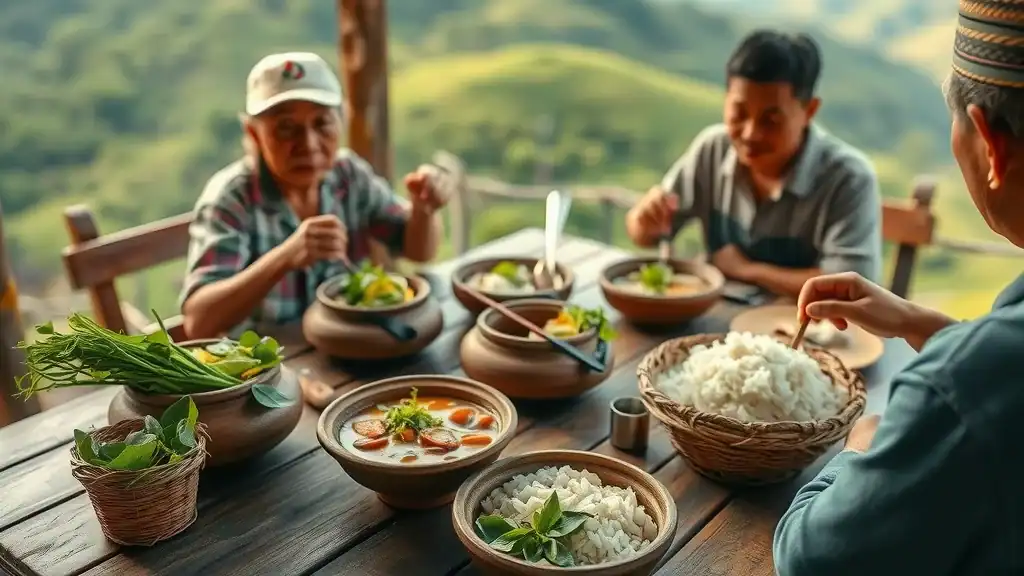
Rugged coastlines and spicy heat define southern thai cooking. Expect dishes brimming with seafood—crab in yellow curry, spicy fish soups, and pad sataw (fried stink beans with shrimp or pork). Coconut milk mellows the fire, while fresh herbs, curry pastes, and pickled vegetables add unique layers.
Local restaurants in Phuket, Krabi, or Hat Yai showcase bold southern flavors; don’t miss curry crab or the notoriously spicy gaeng tai pla (fermented fish curry) for the adventurous.
Central Thai Cuisine: Sweet Meets Savory
- Influential dishes like tom yum and pad thai
Central Thailand, home to Bangkok, boasts the most familiar and widely loved flavors of thai food: a phenomenal balance between sweet, sour, and salty. Here, you’ll find global icons like tom yum, green curry, and pad thai, accompanied by elegant rice dishes and refined stir-fries.
The capital’s melting-pot energy produces a dizzying array of culinary options—street stalls and high-end restaurants alike craft plates full of punchy, crowd-pleasing flavor.
Isaan (Northeastern) Thai Food: Bold, Zesty Flavors
- Isaan papaya salad and grilled meats
Isaan cooking is all about strong spice and big flavor: think fiery papaya salad, grilled chicken (gai yang), tangy larb salads, and sticky rice eaten by hand. Influenced by neighboring Laos, the focus is on charcoal grilling, fermentation, and generous use of herbs and chilies.
Explore roadside stalls and local markets in Khon Kaen or Ubon Ratchathani for real-deal Isaan food, where every meal is a bold adventure in flavor.
Street Food: The Heartbeat of Thailand Local Cuisine
Famous Thai Street Food Dishes to Try
- Moo ping, kanom krok, fried noodle and more
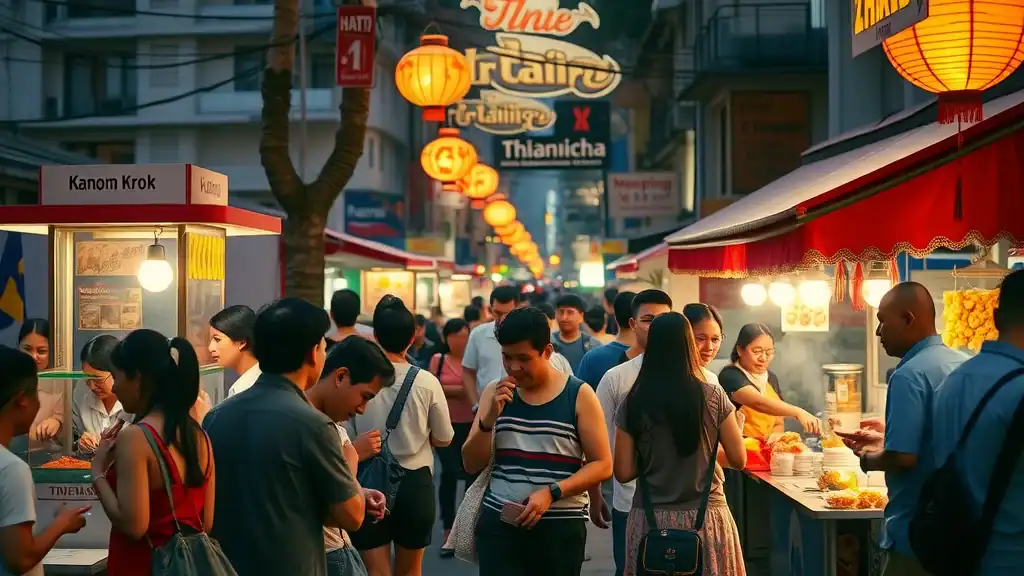
Street food is the culinary lifeblood of Thailand—fast, plentiful, and full of surprises. Grab moo ping (grilled pork skewers) for breakfast, sample kanom krok (crispy coconut pancakes) for a sweet snack, or enjoy a piping hot fried noodle dish at any time of day.
Don’t miss local night markets where vendors compete with exotic mango sticky rice, grilled meats, and sizzling woks of pad see ew. Every city and town boasts its own specialties, making street food exploration an exciting culinary scavenger hunt.
How to Order and Eat Thai Street Food Like a Local
- Etiquette, safety, and must-visit markets
Eating street food is all about confidence and curiosity. Look for busy stalls—a sign of freshness and trust. Don’t be afraid to point or gesture (if language barriers exist), and sample dishes in small quantities. Carry napkins, accept metal or bamboo skewers, and try dipping sauces—but be cautious with street-side chili!
Must-visit markets include Bangkok’s Yaowarat (Chinatown), Chiang Mai’s Sunday Walking Street, and Phuket’s night bazaars. Practice basic etiquette: don’t double dip, clear your spot, and smile—a little friendliness goes a long way in earning local smiles and secret recommendations.
| Street Food Dish | Best City | Price | Vegan Option |
|---|---|---|---|
| Moo Ping | Bangkok | ฿10–20/skewer | No |
| Kanom Krok | Chiang Mai | ฿20–30/plate | Yes |
| Pad Thai | Bangkok | ฿40–60/plate | Yes (request tofu/no fish sauce) |
| Fried Noodle (Pad See Ew) | Bangkok | ฿40–60/plate | Yes (request tofu) |
| Som Tum | Isaan | ฿30–40/plate | Yes (exclude shrimp/fish sauce) |
“To understand a nation’s soul, taste its street food.”
Eating Out: Guide to Thai Restaurants and Food Etiquette
How to Choose Authentic Thai Restaurants
- Red flags and positive signs for genuine thailand local cuisine
Authenticity in thai restaurants reveals itself in many ways—hand-written menus, throngs of local diners, and the enticing aroma of fresh herbs and sizzling woks. Conversely, be wary of eateries with exclusively tourist-oriented menus or suspiciously standardized “international” options.
Seek out venues that prepare dishes to order, display fresh ingredients, and offer condiments like chili flakes, lime wedges, and fish sauce at the table. If in doubt, follow the locals: if they’re lining up for a table, you can bet the food’s worth the wait!
Understanding Thai Food Etiquette
- Chopsticks vs. spoons and other cultural tips
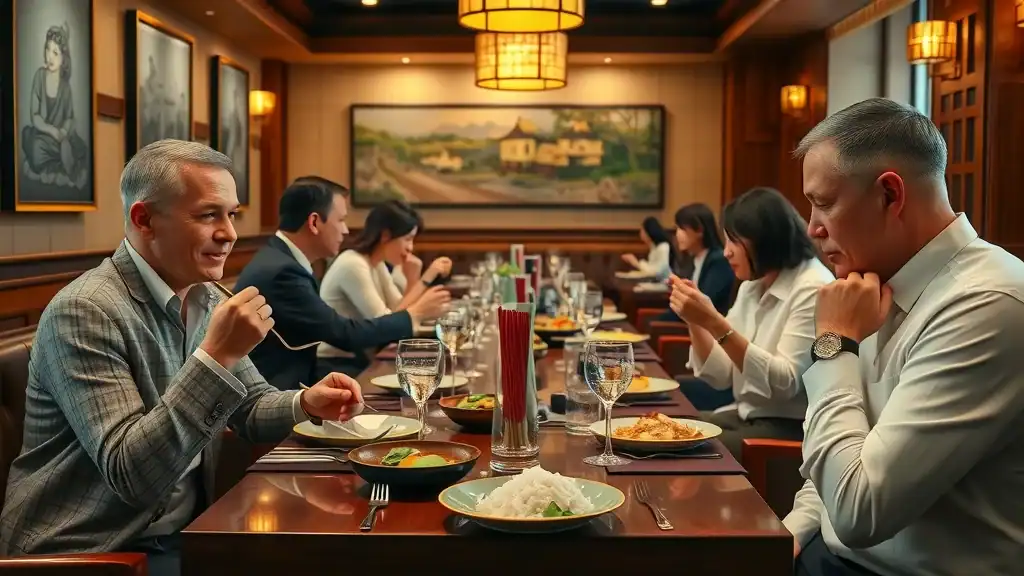
Thai dining is as much about manners as flavor. Chopsticks are mostly reserved for noodles, while spoons and forks are the primary tools for rice dishes (use the fork to push food onto the spoon). Sharing is the norm—order several dishes for the table, and serve yourself small portions from shared plates.
Finish your rice (leaving food is considered wasteful), thank your hosts with a polite “khop khun ka/krap,” and avoid pointing your feet at others. Show respect, curiosity, and open-mindedness, and you’ll be warmly embraced in any Thai meal.
Ingredient Spotlight in Thailand Local Cuisine
Thai Herbs and Spices Essential for Thai Dishes
- Lemongrass, kaffir lime, chili, holy basil
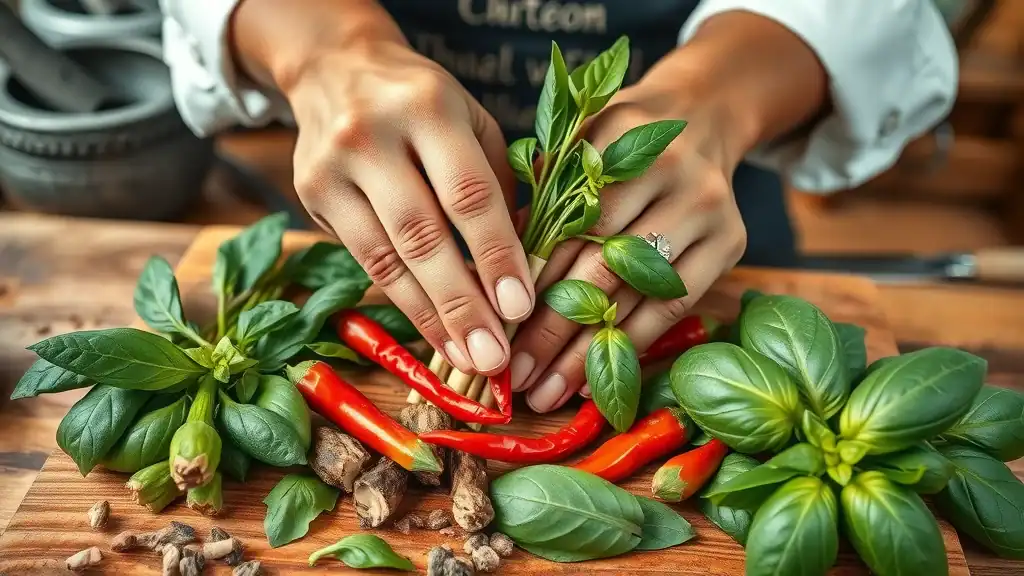
The unmistakable intensity of thai cuisine comes from a fragrant arsenal of herbs and spices—each with its own role in building flavor. Lemongrass imparts lemony freshness to soups and curries; kaffir lime leaves bring floral, citrusy notes; holy basil adds peppery heat to stir-fries; while chilies determine the signature burn or gentle warmth in different thai dishes.
A walk through any local market reveals heaps of galangal, fresh coriander, mint, turmeric, and stacks of green and red curry pastes—all forming the backbone of everything from massaman to fiery southern stir-fries. Learn these flavors, and you’ll understand the heart of thailand local cuisine.
Key Proteins and Produce in Thai Food
- From sticky rice to seafood in regional thai cuisine
Thai cooking celebrates diversity in local produce and proteins—crisp morning glory, bitter melon, pumpkin, and eggplant all feature in daily meals. Sticky rice, especially in the north and northeast, acts as a foundation for hearty dishes, while jasmine rice is favored in the central plains.
Proteins range from freshwater fish and shellfish in southern coasts to grilled pork and beef in rural Isaan. Tofu, mushrooms, and beans ensure vegetarian thai food is never boring, and coconut milk brings a creamy, soothing element to countless dishes from fragrant curries to indulgent desserts.
Vegetarian and Vegan Options in Thailand Local Cuisine
Popular Vegetarian Thai Dishes
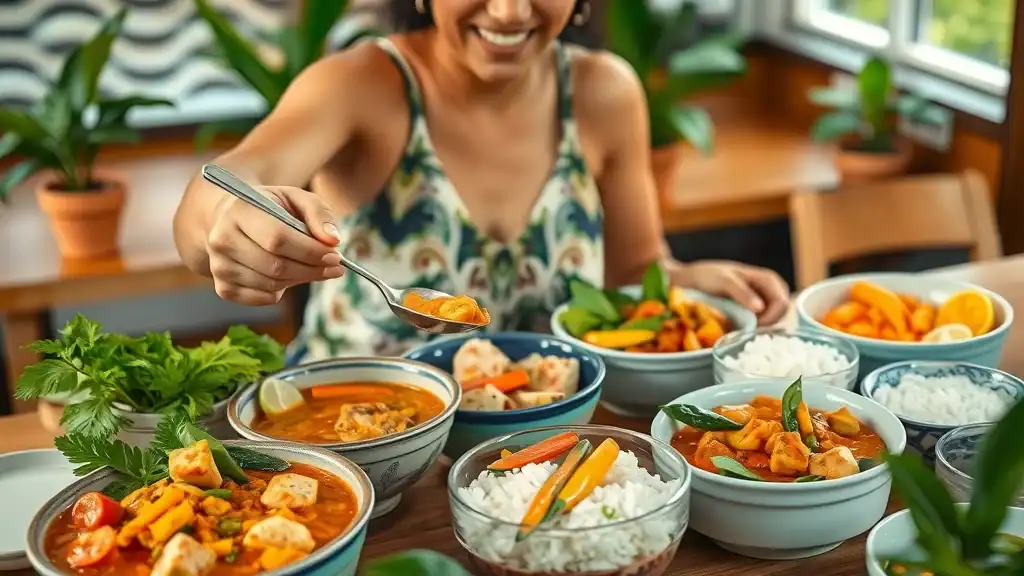
Thailand’s vegan and vegetarian scene is thriving, thanks to a culture of fresh produce, tofu, and adaptable recipes. Favorites include green curry with tofu, pad thai (request without fish sauce), mushroom larb salad, vegetable spring rolls, and irresistible mango sticky rice.
Street vendors and upscale thai restaurants alike are accommodating—look for dishes labeled “jay” (เจ), which signals vegetarian-friendly, often vegan as well.
Tips for Finding Vegan Thai Food
- Customizing dishes and what to ask for at thai restaurants
Many thai dishes can be easily veganized by swapping out fish sauce for soy sauce and omitting eggs or animal-based broth. When ordering, politely ask vendors or staff to prepare your meal “mai sai nam pla” (no fish sauce) or “mai sai khai” (no egg). Exploring Bangkok’s Chinatown or Chiang Mai’s Nimman area, you’ll come across dedicated vegan and vegetarian restaurants boasting both classic and modern takes on thailand local cuisine.
Thailand Local Cuisine: The Sweet Side
Traditional Thai Desserts Not to Miss
- Mango sticky rice, kanom buang, luk chup
Thai desserts are a treat for both the eye and palate. The classic mango sticky rice combines ripe mango, sweet coconut cream, and chewy glutinous rice—a staple of summer festivals. Crisp kanom buang (Thai crepes) are filled with sweet or savory custards and coconut, while luk chup—miniature, jewel-toned bean paste sweets—double as edible art.
Finish your culinary adventure with a dessert tour—look for dessert carts at night markets or specialty sweet shops for the freshest finds.

Where to Find the Best Thai Desserts
Seek out dessert vendors near fresh markets, late-night street food corners, or in Bangkok’s Chinatown. In the evenings, locals snack on sticky rice sweets on the banks of the Chao Phraya River or indulge in elaborate pastries in Chiang Mai’s trendy cafes.
Hidden Gems: Underrated Thai Dishes Worth Seeking Out
- Regional specialties off the beaten track
- Lesser-known noodle dish and curry varieties
Beyond the classics, thailand local cuisine hides a world of regional discoveries—like gaeng hang lay (Northern pork curry), kanom jeen (fermented rice noodles with spicy sauce), and spicy northern Thai sausage (sai ua). Urban and rural markets alike hold untold surprises—explore boldly!
Northern Thai Sausages and Fermented Meats
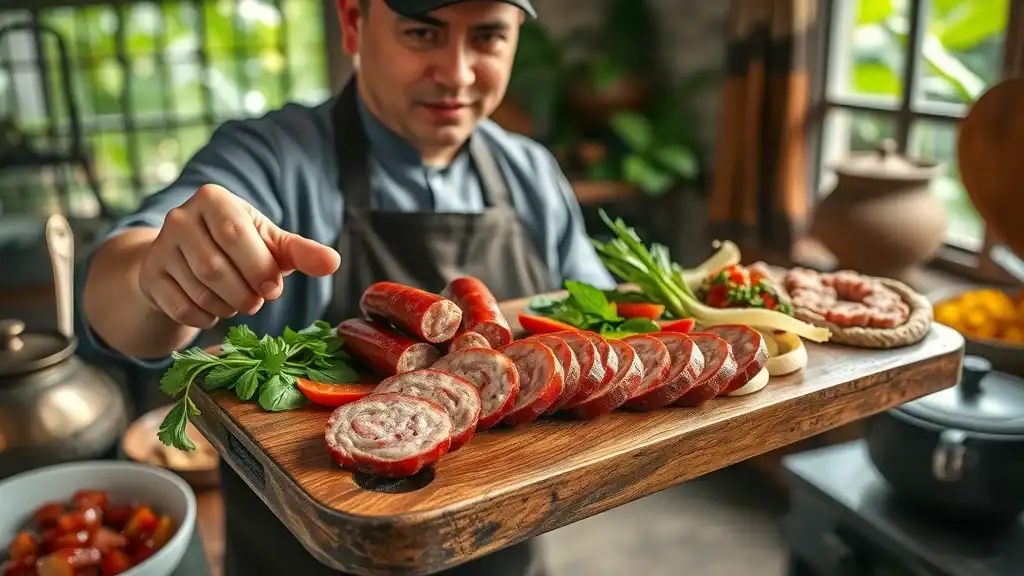
Sample sai ua, Chiang Mai’s celebrated grilled sausage, flavored with lemongrass, chili, and kaffir lime, or pair it with nam prik noom—a green chili dip—and sticky rice for the ultimate picnic lunch. Fermented pork snacks like naem also offer a bold, tangy counterpoint to sweet and spicy dishes.
People Also Ask: Essential FAQs About Thailand Local Cuisine
What is the traditional food of Thailand?
- Overview: Pad thai, tom yum, green curry, sticky rice and thai street food
Traditional Thai food balances sweet, sour, salty, and spicy flavors, with iconic dishes including pad thai, tom yum, green curry, sticky rice, and a vibrant array of thai street food. The cuisine is celebrated for its fresh ingredients, bold tastes, and communal dining style, earning it loyal fans worldwide.
What is Thailand’s most popular food?
- Highlight: Pad thai as a staple of thailand local cuisine and thai restaurants
The most popular Thai dish, both locally and internationally, is pad thai. Loved for its approachable flavors and flexibility, it’s found everywhere—from roadside food carts to high-end thai restaurants—and captures the vibrant spirit of thailand local cuisine.
What is Thailand’s national food dish?
- Answer: Pad thai, with historical context and its role in thai cuisine
Pad Thai is recognized as Thailand’s national dish. Emerging as a unifying comfort food in the 20th century, it represents the perfect intersection of historical roots and contemporary tastes, symbolizing Thailand’s openness to global influence and deep respect for local tradition.
What is the basic Thai cuisine?
- Foundations of thai food: herbs, rice, protein, and street food culture
Basic Thai cuisine is built on a foundation of steamed or sticky rice, a variety of herbal and spice blends, a balance of fresh and fermented ingredients, and a deep-rooted street food culture. Meals often include a curry, soup, stir-fry, and a selection of dipping sauces to create an ever-changing flavor adventure.
Expert Tips and Local Insights on Thailand Local Cuisine
- How to experience authentic thai cuisine
- Dos and Don’ts for food safety in thailand local markets
- When to visit for thai food festivals and events
For an authentic experience, dine where locals do, embrace the unfamiliar, and taste boldly. Practice “look, smell, taste”—and always check for busy, well-kept stalls. Avoid ice in drinks and peelable fruits if you’re sensitive, but relish “jay” festival season or the annual Songkran holiday for special, limited-time traditional treats.
Quick List: Insider’s Guide to Thai Food Lingo
- “Mai phet” – Not spicy
- “Phet mak” – Very spicy
- “Aroi” – Delicious
- “Naam pla” – Fish sauce
- “Khao” – Rice
- “Sen lek” – Small noodles
- “Sen yai” – Wide noodles
- “Pad” – Stir-fried
- “Gaeng” – Curry
- “Jay” – Vegetarian/vegan food
- Red curry (Gaeng Daeng)
- Green curry (Gaeng Keow Wan)
- Massaman
- Sticky rice (Khao Niew)
- Jasmine rice (Khao Hom Mali)
- Pad thai (stir-fried noodles)
- Pad see ew (fried flat noodles in soy sauce)
- Khao soi (Northern curry noodle soup)
- Som tum (papaya salad)
- Tom yum (spicy-sour soup)
FAQs About Thailand Local Cuisine
- Is thai food always spicy?
- Can I find vegetarian thai dishes?
- What’s the etiquette in thai street settings?
Not always—many dishes can be made mild, and it’s common to adjust spice levels to your taste. Always ask your server for options (“mai phet” if you want less spicy).
Absolutely! Vegetarian and vegan thai dishes are available at nearly all markets and restaurants—just clarify your preferences and look for “jay” (เจ) signage.
Use utensils provided, be respectful with vendors, and sit where offered. Don’t double-dip or leave trash behind—politeness is highly appreciated in Thai food culture!
Key Takeaways for Exploring Thailand Local Cuisine
- Why thailand local cuisine is a must for food travelers
- Most iconic thai dishes no visitor should miss
- Top regions and experiences for thai food enthusiasts
From spicy street eats to fragrant market feasts, Thailand’s local cuisine promises something for every palate—get hungry, get curious, and dive in!
Ready to Taste Thailand Local Cuisine?
- Email us atkevin@southeastasiainsider.comfor help with your next Asia Adventure.
Every bite in Thailand is a new adventure—let your taste buds lead the way. Happy eating!
If this guide has sparked your appetite for discovery, why not take your journey even further? Dive into the broader wonders of Thai culture, landscapes, and unforgettable moments by exploring how to unlock the magic of Thailand travel—you’ll never forget it. From vibrant food markets to hidden temples and breathtaking islands, there’s a world of experiences waiting for you beyond the plate. Let your curiosity lead you to new adventures and deeper connections with Thailand’s rich heritage by visiting this inspiring travel resource. Your next taste of Thailand might just be the beginning of a lifelong love affair with the Land of Smiles.
Exploring Thailand’s local cuisine offers a rich tapestry of flavors and traditions. To deepen your understanding, consider these insightful resources:
-
“Eat Like a Local: The Best Traditional Thai Foods to Taste in Thailand” (blog.weerathai.com) provides an in-depth look at iconic dishes like Pad Thai and Som Tum, highlighting their cultural significance and where to find authentic versions.
-
“A Culinary Journey Through Central Thai Cuisine: Must-Try Dishes and Hidden Gems” (agoda.com) delves into Central Thailand’s culinary landscape, showcasing specialties such as Hor Mok Pla and Gai Tod, along with tips on exploring vibrant street food scenes.
If you’re eager to immerse yourself in Thailand’s gastronomic delights, these resources will guide you to the heart of its culinary heritage.