
Did you know Thailand welcomes over 39 million international visitors each year, ranking it among the world’s most visited countries? This astonishing statistic proves just how magnetic the Land of Smiles is for travelers worldwide. If you’re eager to experience vibrant street markets, serene temples, tropical islands, and legendary street food without missing a beat, you’ll need the right tips for Thailand travel. Read on for our comprehensive guide packed with pro travel tips, do’s and don’ts, and insider secrets that will help you maximize your next adventure in Southeast Asia’s crown jewel!
Start Your Thailand Travel Journey: An Eye-Opening Fact
Did you know Thailand welcomes over 39 million international visitors each year, ranking it among the world’s most visited countries?

Thailand’s ever-growing popularity is no coincidence. Every year, millions are drawn to its hypnotic blend of natural beauty, ancient history, and youthful urban energy. Whether you’re seeking spiritual tranquility in Chiang Mai’s temples or the non-stop buzz of Bangkok’s nightlife, Thailand travel offers something for every adventurer. The sheer diversity—from remote island paradises to bustling city avenues—means that preparing for your trip to Thailand with the right strategies is crucial. Let’s dive into everything you need to know, from essential documents and vaccinations to the top travel tips for making every moment count.
What You’ll Learn from These Top Tips for Thailand Travel
- Essential travel tips for Thailand to maximize your trip
- Important do’s and don’ts for tourists visiting Thailand
- Packing the right items for different Thai regions and seasons
- Expert travel advice on budgeting, safety, and must-visit spots
- Insider knowledge on street food, etiquette, and cultural insights
Essential Pre-Departure Travel Tips for Thailand
Key Documents and Visas Required for Thailand Travel
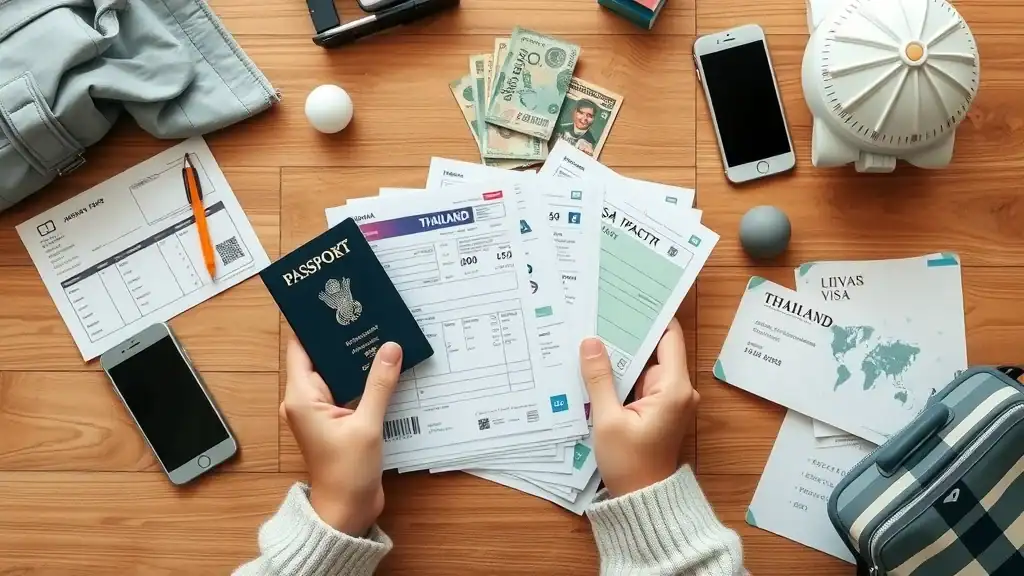
Packing your bags for Thailand is more than just choosing between flip-flops or hiking boots. Before you venture into the Land of Smiles, check your paperwork! Most nationalities can enter Thailand visa-free for a limited time (30 days for U.S., U.K., and EU citizens), but ALWAYS verify the latest requirements at your nearest Thai embassy or immigration office. Make sure your passport is valid for at least six months beyond your planned stay—border officials are strict on this rule.
If you plan to stay longer than the standard visa waiver allows, apply for a tourist visa or seek an extension at a local immigration office. Keep digital and physical copies of your passport, visa (if needed), return tickets, and proof of accommodation. A digital sim card for easy access to online services can save you trouble with sudden changes or emergencies. For extra peace of mind, register your itinerary with your home country’s embassy and note the nearest private hospital locations in major cities like Bangkok and Chiang Mai.
Vaccinations, Health, and Travel Insurance Advice for Thailand
Thailand travel means immersing yourself in new environments, foods, and climates. Safeguard your adventure—and yourself—by updating routine vaccinations (MMR, tetanus, flu). Additionally, strongly consider vaccines for hepatitis A, typhoid, and in some rural areas, Japanese encephalitis. Consult a travel clinic or your physician for tailored advice at least 4–6 weeks before departure. With Thailand’s world-class health services and affordable private hospitals, you’re in good hands, but keep a copy of your insurance and a list of clinics accepting foreign patients handy.
Travel insurance is non-negotiable. Not only is it often required for entry, it saves you from major headaches in the unlikely case of illness, injury, or a natural disaster. A solid plan should cover medical emergencies, lost belongings, flight delays, and cancellation. Don’t forget: prescription medications should be packed in their original containers, with copies of your prescription, just in case you need medical attention while abroad.
As you prepare for your journey, it’s also helpful to explore practical ways to stretch your budget and save time while traveling in the region. For actionable advice on managing expenses and making the most of your itinerary, check out these essential Southeast Asia travel tips for saving money and time—many of which apply directly to your Thailand adventure.
| Required Documents | Recommended Vaccinations | Travel Insurance Tips |
|---|---|---|
| Passport (6 months validity) Visa (if required) Return ticket Proof of accommodation Digital copies of documents |
MMR Tetanus & Diphtheria Hepatitis A & B Typhoid Japanese Encephalitis (rural) |
Choose comprehensive coverage Include medical evacuation Cover for adventure activities Keep a digital and print policy |
Packing Smart: Top Tips for Thailand Travel Suitcase
What to Pack for Visiting Thailand’s Climate
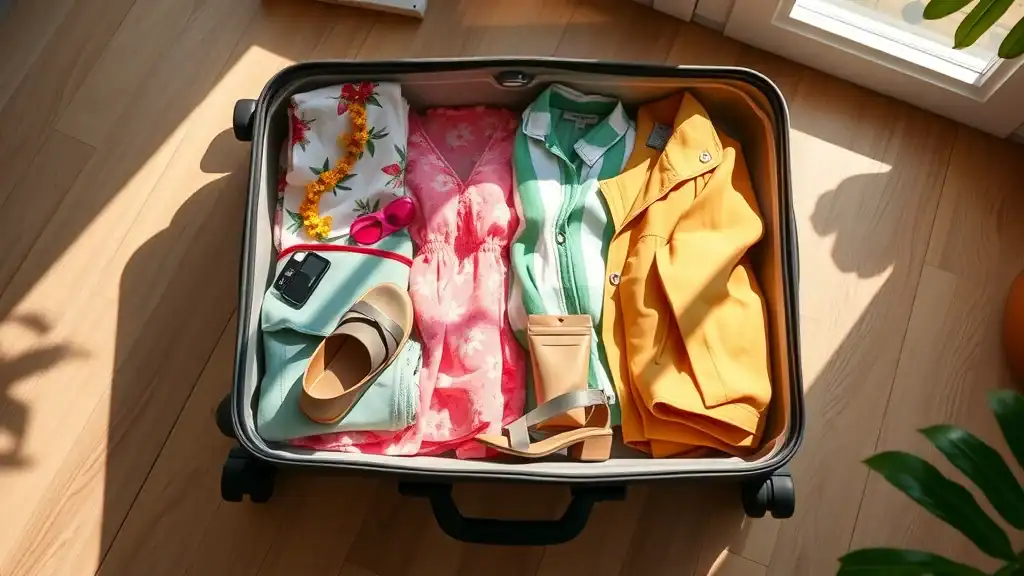
Thailand’s climate is tropical, humid, and everchanging. Packing light, breathable clothing—think cotton shirts, linen trousers, and flowy dresses—will keep you comfortable in the heat. Make sure to bring a compact rain jacket or poncho, especially if you’re visiting during the rainy season (May–October). Sun protection is a must—include sunscreen, a wide-brimmed hat, and sunglasses. For urban adventures, a comfy pair of closed shoes will help you navigate markets and city streets, while sandals are perfect for beach days on Koh Samui or Phuket.
Cultural respect is big in Thailand travel, especially in temples or royal sights, where knees and shoulders must be covered. Pack a lightweight scarf or shawl for quick cover-ups, and always remove your shoes before entering religious buildings. Bring a reusable water bottle to stay hydrated and cut down on plastic waste. Bug spray, a small medical kit, and basic toiletries round out the essentials for your travel tip checklist.
Essentials for the Rainy Season and Dry Months
Rainy season, from May to October, can mean sudden, heavy showers—sometimes daily. Waterproof your gear: pack a raincoat, water-resistant bags for electronics, and quick-dry clothes. Flip-flops or waterproof sandals are perfect for sudden downpours, while a dry bag will protect your valuables during island excursions. Don’t forget a mini umbrella!
The cool, dry season (November to February) is the best time for most Thailand travel. Temperatures are moderate, especially in northern destinations like Chiang Mai. Bring a light sweater or jacket for early mornings or air-conditioned trains and buses, but keep most of your wardrobe light and airy for daytime adventures.
Must-Have Travel Gadgets and Gear for Thailand
Boost your Thailand travel experience with gadgets that make life on the road easier. A universal adapter is indispensable—Thailand uses both flat and round plugs (types A, B, C, O—check your device compatibility). A power bank will keep your devices charged during long excursions or island hopping. Purchase a local SIM card at the airport or convenience stores for reliable internet and navigation on the go. Don’t skip a compact camera or action cam: from Koh Samui’s white sands to bustling Bangkok street food markets, there’s no shortage of moments to capture. Travel light, pack smart, and you’ll be ready for whatever Thailand throws your way.
Safety First: Travel Advice for Enjoying the Land of Smiles
Natural Disaster Precautions and Emergency Info
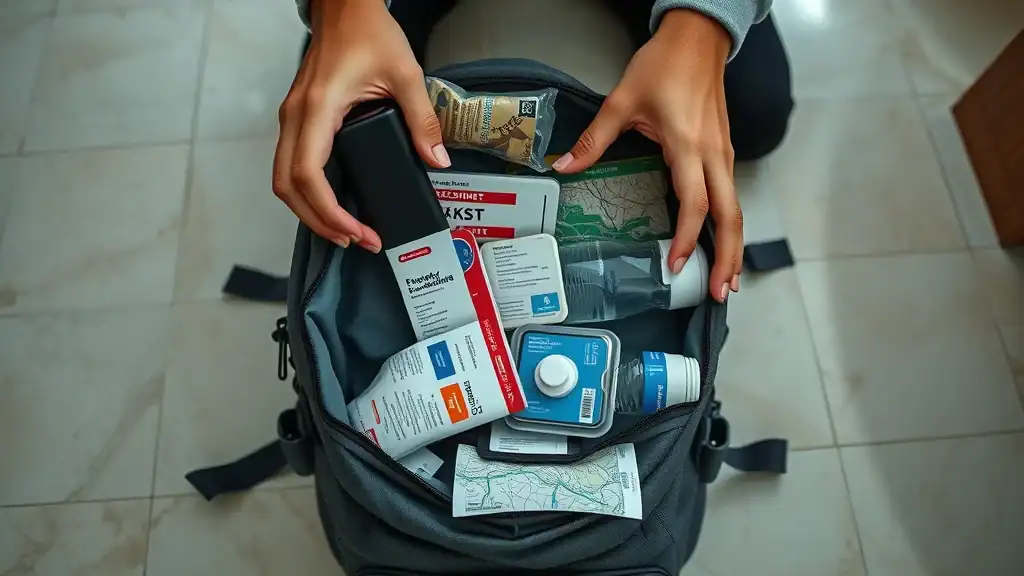
While Thailand is a safe place renowned for its hospitality, travel tip experts recommend staying alert to the possibility of natural disasters—particularly during rainy season. Flooding can affect major cities, and southern islands may experience tropical storms. Always monitor local news and social media for weather alerts, avoid beach areas during severe weather, and have an evacuation plan in unfamiliar locations. Know the location of local hospitals and keep emergency numbers (police: 191, medical: 1669) saved in your contacts.
Download offline maps on your phone, and store key documents and emergency money in safe, accessible spots. Your embassy’s local contact number is another must-have. Being proactive not only safeguards you, but also lets you enjoy the Land of Smiles with greater peace of mind.
Dealing with Tap Water and Food Safety in Thailand
Thailand’s tap water is not potable. Always stick to sealed bottled water, which is widely available and inexpensive. Some guesthouses and hotels provide free filtered water—refill a reusable bottle when possible. Avoid ice in drinks unless you know it’s been made with purified water. While street food is legendary, use common sense: eat at busy stalls with a high turnover, look for clean cooking surfaces, and avoid raw or undercooked meat and shellfish. Ready access to hand sanitizer can also reduce your risk of foodborne illnesses, helping you sample all the street food delights with confidence.
Travel Insurance: Why It’s Essential for Your Trip to Thailand
From scooter rides along the coast to mountain treks in Chiang Mai, adventure is everywhere in Thailand—but so are risks. Even the healthiest traveler can face unexpected medical expenses or theft. Comprehensive travel insurance is your best safety net. Many plans even allow you to extend coverage if you fall in love with Thailand and want to stay longer! Pro tip: Check your insurer’s requirements for adventure activities, hospital stays, and repatriation, so you’re fully prepared for any eventuality.
“In Thailand, your health is your wealth. Reliable travel insurance and attention to water safety are non-negotiable essentials.” — Local Travel Expert
Budgeting Tips: How Far Does Your Money Go in Thailand?
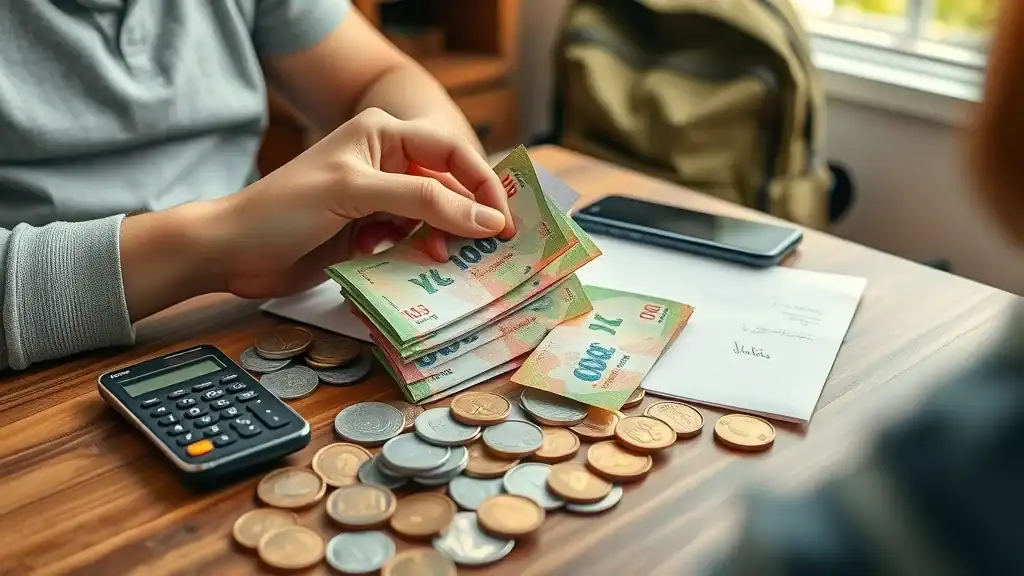
Budgeting efficiently can transform your Thailand travel from a stress-filled frenzy to a relaxed dream getaway. The Thai Baht is the local currency, and most transactions are in cash—especially in street food markets and smaller towns. Credit cards are accepted at hotels, major cities, and some larger retailers. Currency exchange counters are easy to find in airports and urban centers, but for the best rates, always use reputable providers. ATMs are everywhere, but withdraw larger amounts at once to save on transaction fees. Don’t forget: Notify your bank of your travel plans to avoid unexpected card holds.
So, is $100 a lot of money in Thailand? It goes much further than in Western countries but can disappear quickly in tourist hotspots. On a shoestring, $100 can cover basic dorm accommodation, street food, some transportation, and a few activities for 2–3 days. Is $1000 enough for a month in Thailand? For many backpackers or solo travel enthusiasts, yes—with careful budgeting, local eats, and shared hostels. Mid-range travelers may want $1500–$2000 for more comfort or island hopping.
- Is $100 a lot of money in Thailand?
- Is $1000 enough for a month in Thailand?
Currency Exchange and Money Management Travel Tips
Lock in favorable exchange rates whenever possible, and count your change before leaving the counter. Keep small denominations handy, especially for taxis, tuk tuks, and street food. Use mobile banking apps to monitor spending on the go, and split your cash into several hiding spots for security. Consider getting a multicurrency card for ATM withdrawals with minimal fees. Tipping is not mandatory in Thailand, but always appreciated for great service. Don’t forget to budget extra for entrance fees at major attractions, temple donations, and last-minute splurges—you’re sure to spot deals you won’t want to miss!
Getting Around: Tips for Traveling in Thailand
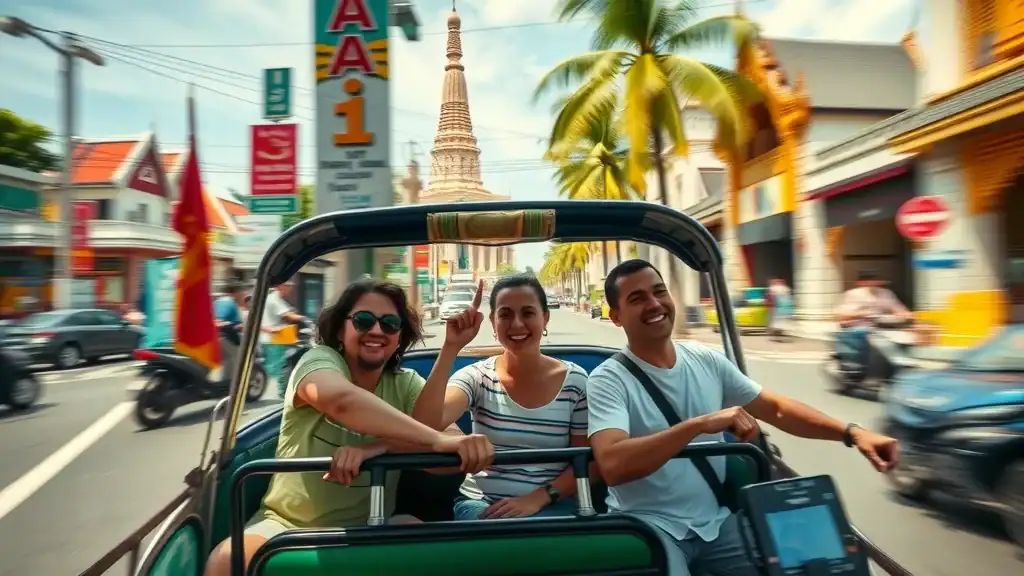
Public Transport Options: Trains, Buses, and Tuk Tuks
Thailand’s public transport network is vast, reliable, and budget-friendly. In major cities like Bangkok, the BTS Skytrain and MRT subway are musts for avoiding traffic jams. Long-distance travel tip: For budget journeys, overnight trains and buses connect Bangkok with Chiang Mai, Phuket, and other hotspots. Buses range from basic “local” to luxe “VIP” options, while trains offer scenic (albeit slower) ways to take in the countryside. Tuk tuks are found everywhere—negotiate your fare up front, and always have small bills ready. Ferries and river taxis are scenic options in cities like Bangkok and for exploring the Chao Phraya River’s sights.
Travel tips for solo travelers: Download taxi apps like Grab for secure rides, especially after dark. In some provinces, songthaews (shared pickup trucks) are the norm—ask locals for advice on routes and fares. Whether on a scooter, train, or tuk tuk, soak up the views and stay alert for an authentic Thailand travel experience.
Domestic Flights and Island Hopping (Chiang Mai, Koh Samui, Phuket)
Time-saving internal flights get you between major cities and islands efficiently. Key travel tip: Book tickets in advance for the best fares, especially during peak season. Chiang Mai, Koh Samui, Phuket, and Krabi all have airports with daily flights from Bangkok. Island hopping? Ferries and speedboats link Koh Samui, Koh Phangan, and Koh Tao, as well as Phuket with the Andaman islands. Allow for weather delays during the rainy season, and keep copies of your reservations on hand for smooth check-in.
Whether you crave the hustle of urban life or the tranquility of a beach retreat, Thailand’s transport system makes it easy to design your dream itinerary. Embrace flexibility and enjoy the journey just as much as your destination.
Practical Travel Tips for Renting Scooters and Bikes
Renting a scooter is a rite of passage for many visiting Thailand—but don’t skip the safety basics! International driver’s licenses are legally required, and wearing a helmet is mandatory (and non-negotiable for insurance claims). Inspect the vehicle for damage before accepting it, photograph any scratches, and lock it up securely when parked. Avoid driving at night or during heavy rain if you’re not experienced.
Bikes are ideal for exploring old towns and islands at your own pace. Follow road rules, stay on the left, and mind the sometimes unpredictable traffic. If you’re not comfortable driving, hire a local driver or join a group excursion instead. Prioritizing safety lets you make the most of your trip to Thailand without unwanted surprises.
Must-See Destinations: Thailand Travel Highlights
Chiang Mai: Cultural Capital in the North

This northern gem is famed for its walled Old City, vibrant markets, and centuries-old temples. Chiang Mai hosts dazzling festivals—like Loy Krathong (the Lantern Festival)—and is a hub for trekking, elephant sanctuaries, and learning traditional crafts. Foodies will love the night bazaars and colorful street food stalls. Plan at least several days here to visit sacred sites like Wat Phra That Doi Suthep, stroll historic alleys, and soak in the creative atmosphere that draws artists and travelers alike.
Don’t miss: Traditional Thai massages, cooking classes, and hiking just outside town. Chiang Mai offers a gentle introduction to Thai culture and is a must on every Thailand travel itinerary.
Koh Samui: Island Paradise Getaways

Coconut palms, turquoise waters, and a laid-back vibe define Koh Samui, a top travel tip for anyone seeking the ultimate Thailand beach getaway. Whether you crave luxury resorts, backpacker hostels, or wellness retreats, Samui’s beaches—like Chaweng and Lamai—deliver white sands and endless blue horizons. Island hop to Koh Phangan for full moon parties or Koh Tao for world-class diving. Inland, explore waterfalls, coconut plantations, and local markets.
Getting there is simple with direct flights or speedy ferries from Surat Thani. From family adventures to solo travel escapes, Koh Samui proves there’s a paradise for every type of traveler in Southeast Asia.
Bangkok & The Best of Urban Thailand
Bangkok is electric—a city of contrasts where ancient temples rub shoulders with sky-high malls and night markets buzz into the early hours. Must-see spots include the Grand Palace, Wat Pho’s reclining Buddha, and the landmark Chatuchak Weekend Market. Embrace the street food scene: from spicy pad thai to mango sticky rice, tastebuds are in for a treat. When the city’s energy peaks, relax on a dinner cruise along the Chao Phraya River, or catch a sunset from a rooftop bar.
Travel tips: Use public transport to skip the gridlock, carry a copy of your hotel’s address in Thai, and expect warm weather year-round. Urban Thailand is vibrant, unpredictable, and endlessly fascinating—embrace it all.
Insider Tips for Hidden Gems and Offbeat Attractions
Venture off the beaten path for unforgettable experiences. Discover the untouched beauty of Nan’s mountain villages, the mysterious temples of Sukhothai, or dive into the emerald pools of Erawan National Park. Visit Thailand’s floating markets near Amphawa, or explore island paradises like Koh Lanta and the Similan Islands far from the crowds. Local guesthouses and homestays offer unique windows into Thai hospitality and culture. The best travel adventures often start where the guidebook ends, so stay curious and let local recommendations shape your journey.
Street Food in Thailand: Culinary Tips for Foodies
What to Eat and Where: Thailand’s Must-Try Street Foods
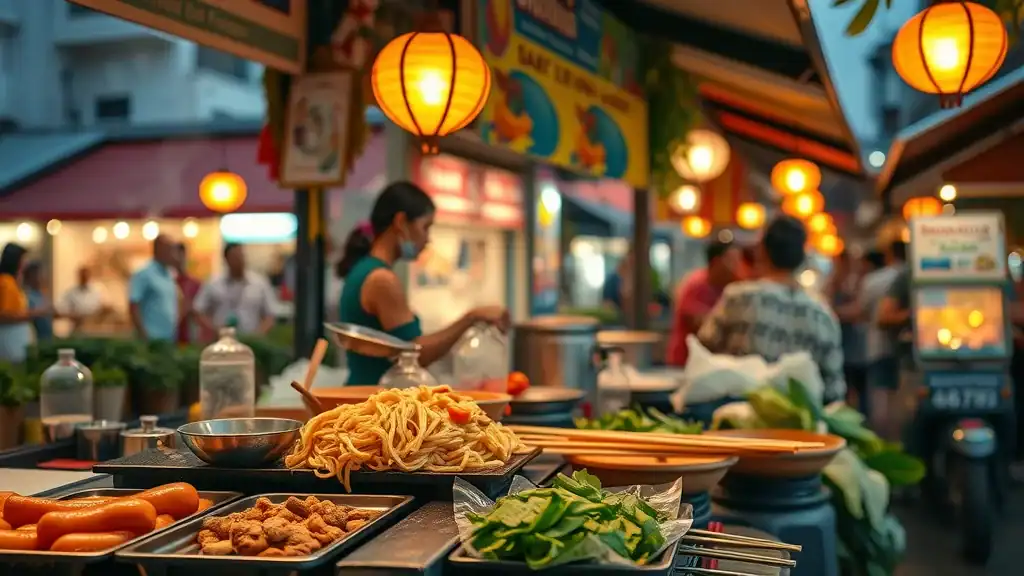
No Thailand travel adventure is complete without tasting its dynamic street food. Pad thai, mango sticky rice, grilled satay, spicy som tam (papaya salad), and coconut ice cream are just the start. Each region has signature dishes—try khao soi in Chiang Mai or tom yum soup in Bangkok. Markets come alive in the evening, turning even the smallest towns into culinary playgrounds. Look for stalls with high turnover (a travel tip for freshness and safety) and don’t be shy to ask locals for their favorite picks.
Beyond the food itself, the market atmosphere is as much a part of the experience as the flavors. Eating street food is both an adventure and a rite of passage for foodies visiting Thailand.
Street Food Safety: Health Travel Tips and Common Misconceptions
Contrary to common misconceptions, Thailand’s street food can be safe and delicious. The trick is being selective—eat where locals eat, watch your meal prepared fresh, and stick with hot foods rather than anything sitting out. Carry some digestive remedies if you have a sensitive stomach, and drink only bottled water with your meals. Your best travel tip: Trust your senses, and when in doubt, choose a busy stall over an empty one. With these precautions, you’ll enjoy one of the true highlights of Thailand travel.
“No Thailand travel experience is complete without savoring the legendary street food—a culinary adventure that defines the Land of Smiles.”
Cultural Etiquette and Do’s & Don’ts for Thailand Travelers
Respecting the Royal Family and Monuments
The Thai royal family is deeply cherished, and any disrespect—intentional or not—is illegal and carries severe penalties (including the death penalty in extreme cases). Always speak respectfully about the monarchy in public and avoid discussing sensitive topics on social media. Stand during the playing of the national anthem in public places, and never deface or step on images of the King (including any Thai baht bills with his portrait). When visiting monuments, dress modestly and behave respectfully—these are sacred spaces that demand reverence from all visitors.
Dress Codes, Temple Visits, and Social Customs

Proper attire is essential at temples and royal sites: cover shoulders and knees, remove hats, and never touch religious statues or point the soles of your feet toward Buddhist icons. Remove shoes before entering homes or sacred buildings, and avoid physical displays of affection in public. Greeting others with a polite “wai” (palms together, slight bow) is greatly appreciated.
Thailand is a safe place, but upholding social customs shows genuine respect for local culture. Smile, remain calm in disputes (losing your temper is frowned upon), and always thank people for their help—with a simple “khop khun ka” (female) or “khop khun krap” (male). These little gestures are some of the top tips for Thailand travel and go a long way in the Land of Smiles.
- Do and don’ts in Thailand for tourists?
People Also Ask: Quick Answers on Thailand Travel
What do I need to know before travelling to Thailand?
Before you visit Thailand, check your passport’s validity, visa requirements, and recommended vaccinations. Secure comprehensive travel insurance that covers health, accidents, and lost belongings. Pack for tropical weather but include modest clothing for temples. Avoid drinking tap water, and use bottled or filtered water. Always carry small cash for markets, respect local customs and laws (especially regarding the royal family), and monitor local news for weather and travel advisories.
Do and don’ts in Thailand for tourists?
Do: Greet with a wai, dress modestly in temples, use your right hand for giving/receiving, and respect the monarchy. Don’t: Touch heads, point your feet at people or religious objects, lose your temper, or discuss the royal family negatively. Removing shoes before entering homes and temples is essential, and public displays of affection are discouraged.
Is $100 a lot of money in Thailand?
In Thailand, $100 USD is enough for 2–3 days of basic travel—covering budget lodging, local eats, and some transport for one person. It’s a comfortable amount for a couple of days of backpacker travel, but may not go as far in tourist hotspots or for mid-range amenities. For incidentals and splurges, budget a bit more.
Is $1000 enough for a month in Thailand?
Yes, $1000 (about 35,000 Thai Baht) can comfortably fund a month of budget travel: shared hostels or guesthouses, local food, buses/trains, and some fun activities. Mid-range travelers or those planning extensive excursions may need closer to $1500–$2000 for added comfort and flexibility.
Insider Travel Advice: Make the Most of Your Trip to Thailand
Travel Tips for First-Time Visitors

If it’s your first trip to Thailand, pace yourself: the country offers so much that trying to do everything can lead to burnout. Focus on 2–3 regions rather than covering the entire country in one visit. Secure a SIM card at the airport for easy navigation and communication, and use public transport to avoid traffic headaches in Bangkok. Take photos respectfully, ask before photographing monks or locals, and leave valuables in a safe place. Use credit cards at hotels and large shops, but carry cash for markets and public transport.
Always bargain politely at markets, use sun protection, and plan transport and accommodation ahead during national holidays or festivals. Most importantly, embrace the unexpected—some of your best stories will come from local recommendations or spontaneous detours!
Important Thailand Travel Customs and Local Etiquette
Understanding and respecting Thai customs is key to a smooth and meaningful visit. Never touch someone’s head (it’s the most sacred part of the body), avoid pointing your fingers or the soles of your feet at people or statues, and be discreet in your dress and behavior, especially in rural areas. The “wai” greeting is a sign of respect; return it whenever someone greets you this way. Tread carefully when discussing politics or the royal family, both in person and online.
If you’re invited into a Thai home, bring a small gift as a token of thanks. Eating street food together, sharing smiles, and trying your hand at the language will endear you to locals and deepen your travel experience in the Land of Smiles.
Do’s, Don’ts, and Expert Tips for an Unforgettable Journey
Do plan ahead for festivals or high season as accommodations fill up quickly. Don’t overpack; laundry is cheap and widely available. Do use insect repellent, especially in rural or beach areas, and don’t forget travel insurance (it’s a must for adventurous travelers). Respect the environment by avoiding single-use plastics where possible and leaving places as you found them. With these top tips, your Thailand travel adventure will be both memorable and meaningful.
| Do’s | Don’ts |
|---|---|
|
|
Thailand Travel Checklist: Your Final Prep List
- Essential documents and digital copies
- Vaccination records
- Appropriate clothing for respect and climate
- Packing, money, and safety checks
- Transportation and lodging reservations
FAQs About Tips for Thailand Travel
- Best time of year for Thailand travel tips: November to February is ideal for most regions—cool, dry, and perfect for exploring.
- Travel insurance recommendations: Choose comprehensive plans covering health, theft, and cancellations. World Nomads and SafetyWing are popular with backpackers.
- How to stay connected and find Wi-Fi in Thailand: Buy a local SIM card at the airport or 7-Eleven for affordable data. Free Wi-Fi is common in hotels and cafes in major cities.
- Top mistakes to avoid when visiting Thailand: Ignoring dress codes at temples, drinking tap water, neglecting travel insurance, or showing disrespect to the royal family. Plan ahead to dodge common pitfalls!
Key Takeaways: Maximizing Your Thailand Travel Adventure
- Plan ahead for visas, insurance, and health
- Embrace local customs and respect Thai tradition
- Budget smart and try authentic street food
- Pace yourself to enjoy both highlights and hidden gems
Enhance Your Experience: Watch Our Thailand Travel Video Guide
Plan Your Next Adventure: Connect With Our Thailand Travel Experts
Ready to put these tips for Thailand travel into action for your next trip? Email us at kevin@southeastasiainsider.com for help with your next Asia Adventure. Our friendly travel experts are eager to help you design a seamless, safe, and unforgettable Thailand tour!
If you’re inspired to go beyond the basics and truly unlock the magic of Thailand, there’s even more to discover. Dive deeper into the country’s unique spirit, hidden wonders, and unforgettable moments by exploring our in-depth guide on how to unlock the magic of Thailand travel. This resource offers fresh perspectives, advanced tips, and stories that will help you craft a journey you’ll never forget. Whether you’re a first-timer or a seasoned explorer, let your next adventure in Thailand be filled with wonder, connection, and memories that last a lifetime.
To enhance your Thailand travel experience, consider exploring the following resources:
-
“18 Things You Need to Know Before Visiting Thailand” by Lonely Planet offers comprehensive insights into essential preparations, cultural etiquette, and safety considerations for travelers. (lonelyplanet.com)
-
“12 Travel Thailand Tips: How to Stay Safe Without Losing the Fun” by TAGTHAi provides practical advice on navigating Thailand safely while maximizing enjoyment, covering topics from transportation to local customs. (tagthai.com)
These guides offer valuable information to help you plan a safe and enjoyable trip to Thailand.