The Ultimate Guide to Swimming With Elephants in Phuket (Ethically & Responsibly)
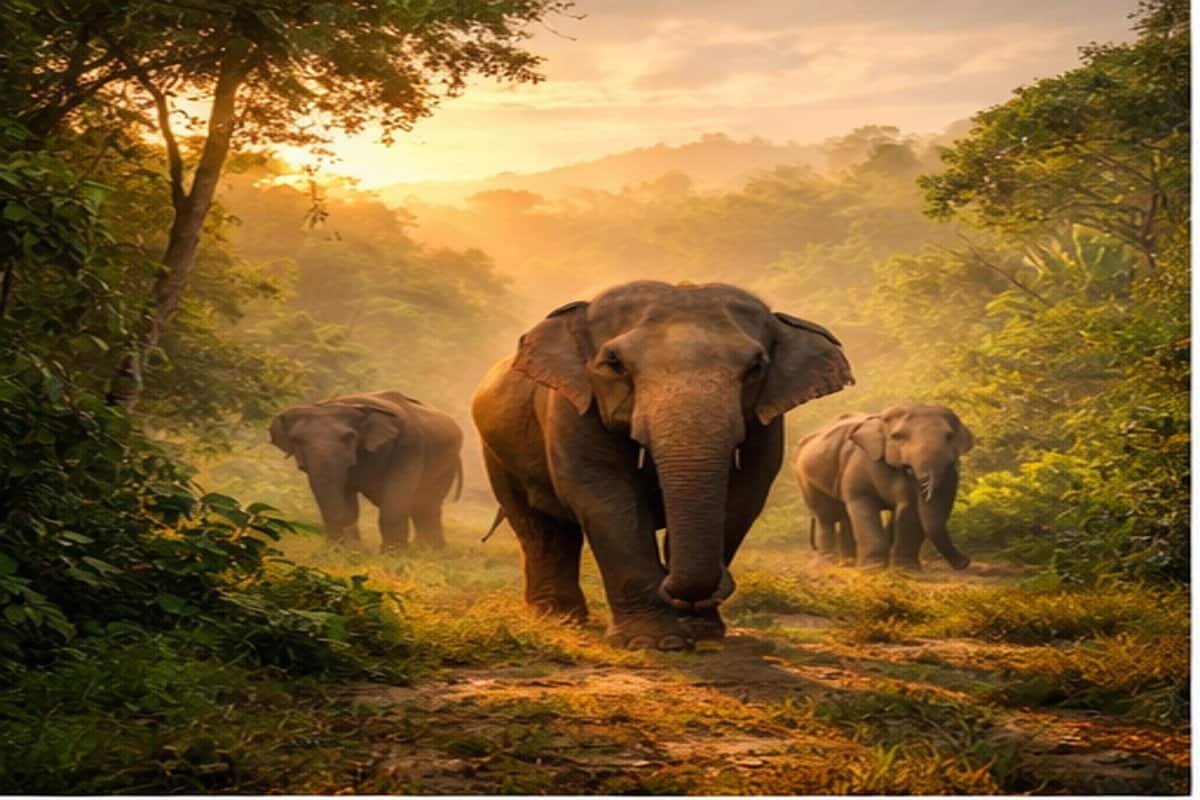
The first light of morning had just begun to settle over Phuket’s hills when we stepped into the sanctuary. The air was cool, touched with that earthy scent that rises after a night of tropical rain. Ahead of us, the elephants emerged quietly from the treeline—massive silhouettes moving with a gentleness that never fails to catch you off guard. One of them paused, swinging her trunk as if greeting the small group gathering for the day’s experience.
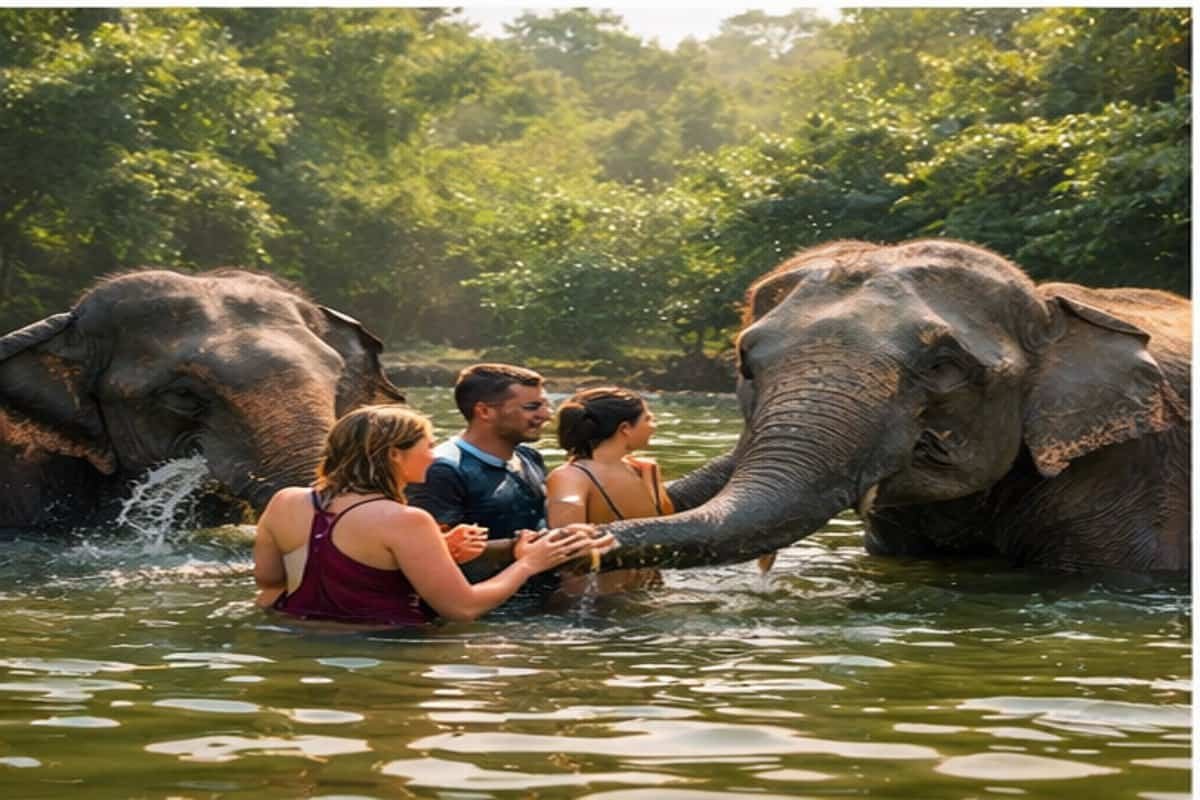
We had come simply to feed them, to stand nearby, to listen and learn. Before long, we found ourselves offering baskets filled with bananas and split watermelons—two treats the elephants seem to savor with almost childlike delight. Hearing the soft crunch of watermelon in the morning still makes me smile. And yet, even from a distance, watching other visitors wade into the water alongside these gentle giants, I understood why so many describe it as a once-in-a-lifetime moment.
There is something profoundly moving about seeing an elephant—an animal shaped by centuries of labor and hardship—relax in a place where she is finally safe. As we fed them and listened to the guides explain the history of Thailand’s logging industry, the truth became clear: the experience is not just beautiful; it’s educational. And once you learn how riding harms elephants, you begin to see the swim not as an attraction but as a glimpse into the life they deserve.
If you’ve ever dreamed of swimming with elephants in Phuket, this guide will show you how to do it in a way that honors their dignity, protects their well-being, and leaves you with memories that linger long after you’ve left the island.
Understanding Ethical Elephant Experiences in Phuket
Long before travelers came to Thailand seeking close encounters with elephants, these animals lived very different lives. Many spent years in the logging industry, where their strength was used to move timber through dense forests. When commercial logging was banned in the late 1980s, thousands of elephants and their owners were left without income or purpose. Some were pushed into tourism—performing tricks, painting pictures, or carrying tourists on their backs.
When you stand in a true sanctuary in Phuket today, you can still feel the weight of that history. It’s part of what makes the experience so deeply meaningful.
What Makes a Sanctuary Ethical
- No riding — ever
- No chains or forced interactions
- Natural environments that encourage natural behaviors
- Programs built around education, not entertainment
Phuket’s Leading Ethical Sanctuaries
Phuket Elephant Sanctuary
Widely considered Phuket’s first truly ethical sanctuary. Ideal for travelers who want observation, education, and slow, peaceful interactions.
Elephant Jungle Sanctuary Phuket
A more hands-on sanctuary offering feeding, mud baths, and elephant swims—always with consent-based interaction.
Can You Really Swim With Elephants in Phuket?
Yes—you can swim with elephants in Phuket, but only in sanctuaries where the swim is based on the elephants’ natural behavior, not performance.
What Elephant Swims Actually Look Like
- Shallow pools or river-like areas
- Standing or wading beside elephants—not deep swimming
- Elephants entering the water voluntarily
- Calm, slow-paced, natural interactions
Is It Ethical?
Swims are ethical when elephants:
- Choose to enter the water
- Aren’t commanded or forced
- Have space to roam freely
- Interact only if they want to
How Weather and Tide Affect the Experience
- Low tide: more mud play
- High tide: deeper soaking
- Rainy season: cooler weather, longer swims
- Hot days: shorter swims for comfort
What to Expect During a Swim With Elephants in Phuket
Arrival & Orientation
Sanctuaries begin with an educational talk about the elephants’ history, behaviors, and rescue stories.
Feeding the Elephants
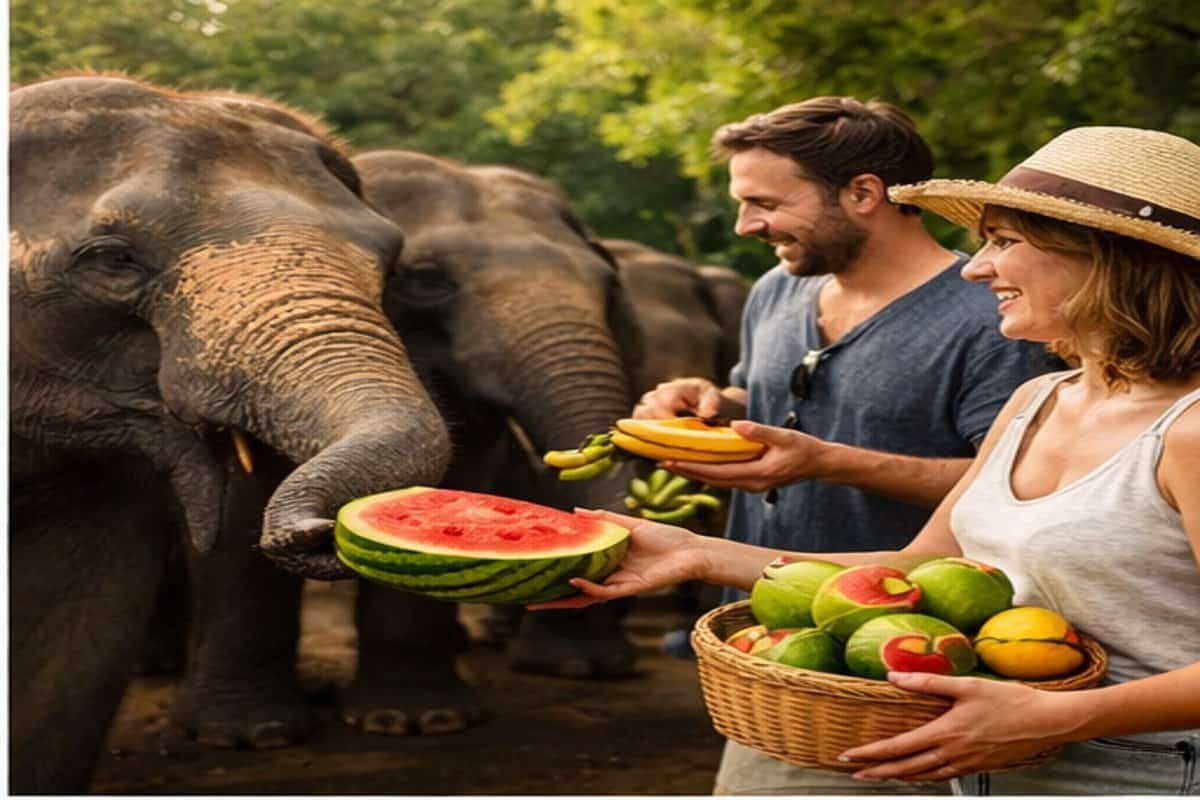
Visitors often feed elephants:
- Bananas
- Split watermelons
- Sugarcane
Walking to the Water
A short, calm walk allows you to observe natural elephant behavior—nudges, foraging, and social interactions.
The Swim
- Shallow, calm water
- Elephants bathing naturally
- Guests wading nearby
- Guide-supported interaction
Photography
You may bring your own camera—most sanctuaries welcome it as long as it’s waterproofed.
Safety for Mature Travelers
- Uneven paths—walk slowly
- Hydrate often
- Water shoes recommended
- Pregnant visitors may be limited to feeding
What to Bring (and What to Leave at Home)
Essentials
- Waterproof bag
- Camera/phone with waterproof case
- Quick-dry clothing
- Water shoes
- Reef-safe sunscreen
- Change of clothes
- Refillable water bottle
Sanctuaries Typically Provide
- Healthy food
- Drinking water
- Lockers
- Towels (varies)
- Bananas and watermelons for feeding
Leave at Home
- Flash photography
- Strong perfume
- Dangling jewelry
- Large bags
Choosing the Right Sanctuary: Phuket vs Phang Nga vs Chiang Mai
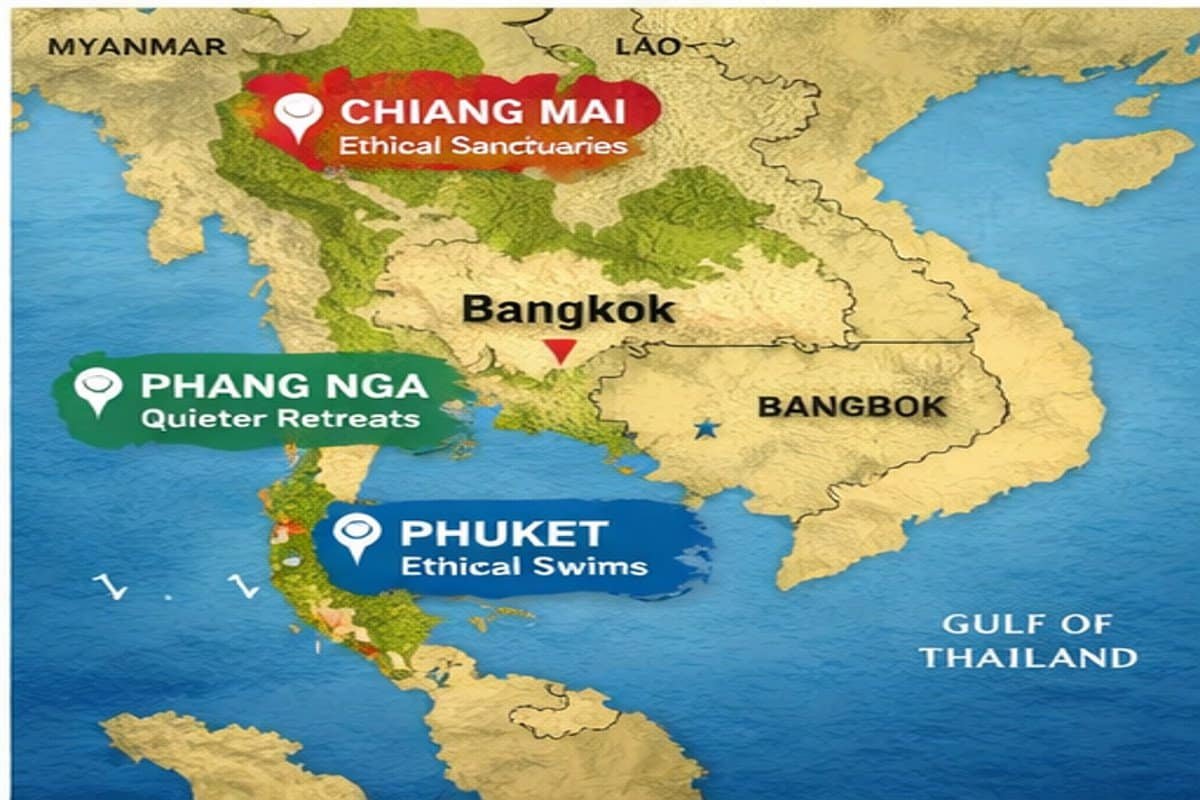
Phuket
Best for convenience, half-day trips, and ethical swim options.
Phang Nga
Quieter, forested landscapes and fewer crowds.
Chiang Mai
Birthplace of ethical elephant tourism with large roaming areas and immersive programs.
Common Myths About Swimming With Elephants in Phuket
Myth #1: It’s unsafe to swim with elephants
Truth: Ethical sanctuaries use shallow water and trained guides.
Myth #2: Elephants enjoy giving rides
Truth: Riding harms elephants’ spines—ethical sanctuaries never allow it.
Myth #3: Baths are staged tourist performances
Truth: Elephants choose when to bathe.
Myth #4: Sanctuaries and elephant camps are the same
Truth: Camps may allow riding; sanctuaries prioritize welfare.
Myth #5: Calm elephants must be tame
Truth: They’re rehabilitated, not domesticated.
Tips to Make It an Unforgettable Experience
- Arrive with an open heart
- Let the elephants lead the pace
- Put the camera down occasionally
- Savor the feeding moment
- Choose morning sessions
- Listen to the guides—they’re storytellers
- Reflect before leaving
Where to Stay Near Ethical Sanctuaries
Patong Beach
Closest to tour pickups; great for convenience.
Tri Trang
Quiet, scenic, and perfect for relaxed mornings.
Phang Nga
Ideal for nature lovers wanting forest retreats.
Karon & Kata
Balanced, beachy, and family-friendly.
Kamala
Boutique hillside views and peaceful surroundings.
FAQs for Visitors
Is it safe to swim with elephants?
Yes—in ethical sanctuaries with trained staff.