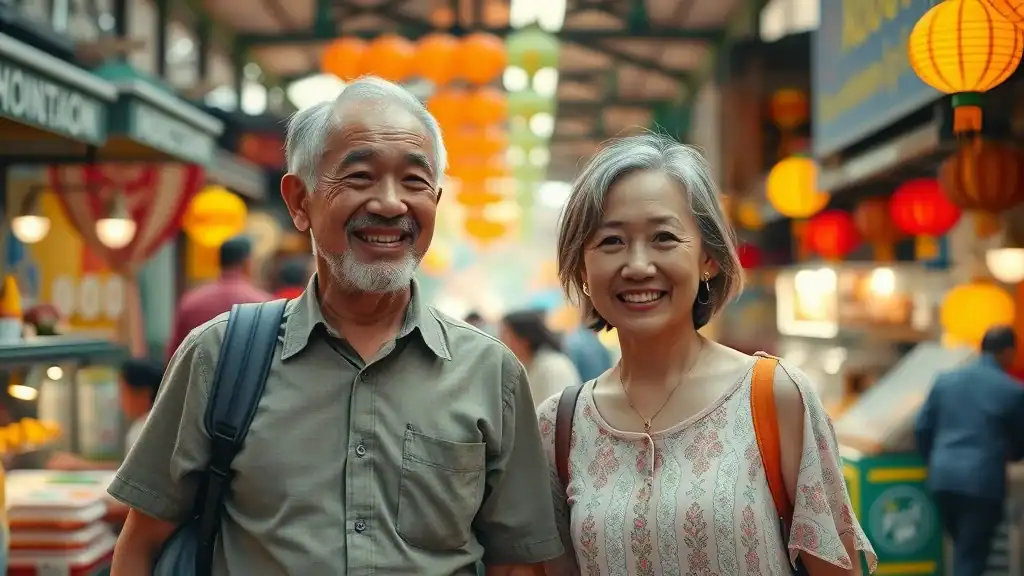
Imagine yourself soaking in the morning buzz of a vibrant Southeast Asian street, the scent of jasmine and sizzling street food drifting through the air. Whether you’re a seasoned explorer or planning your very first trip to Asia, traveling after 50 is about savoring every moment—without unnecessary stress or costs. This travel guide is dedicated to you, the adventurous spirit seeking both value and unforgettable experiences. Here, you’ll find the most practical, **lesser-known southeast asia travel tips** to make your journey smoother, safer, and far more memorable.
Unlocking Southeast Asia: Travel Tips for Savvy 50+ Explorers
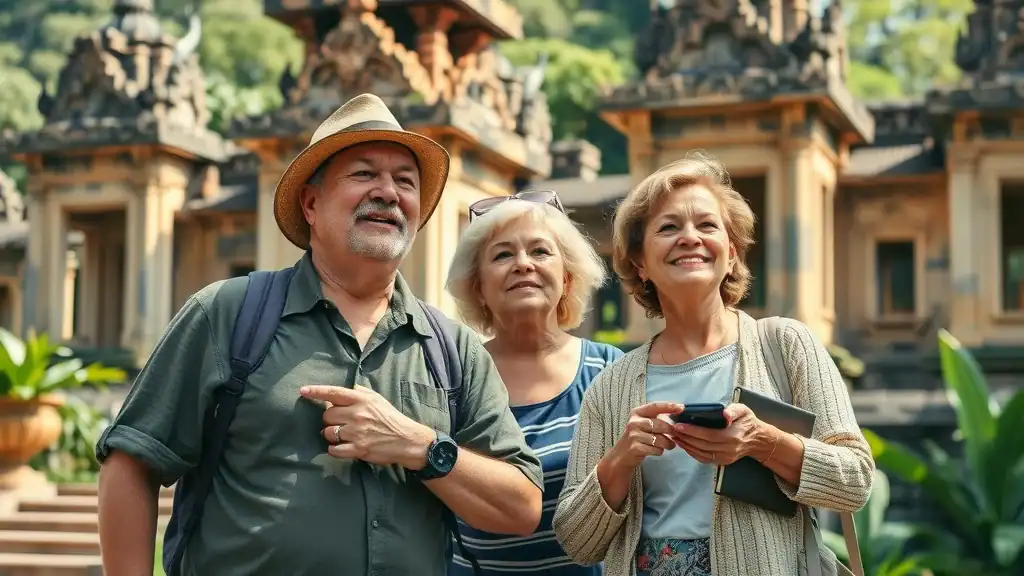
The magic of Southeast Asia lies in its diversity—from the ancient temples of Angkor Wat in Cambodia to the lush rice terraces of northern Thailand and the bustling markets of Vietnam. For travelers over 50 or retirees, exploring this part of the world can be incredibly rewarding, offering both cultural depth and the chance to travel economically. But smarter travel isn’t just about booking a cheap flight; it’s about knowing how to navigate local customs, dodge common scams, and find those hidden gems that typical tourists miss.
Start by planning your route through the most senior-friendly places in Southeast Asia. Cities like Chiang Mai, Siem Reap, and Hoi An consistently top the list for accessible attractions and affordable comforts. Opt for public transport when possible—regional trains and buses are not only cost-effective but offer a safe, scenic way to see the countryside. If you prefer flexibility, ride-share apps like Grab are invaluable for local transfers. Don’t forget: learning a few essential phrases, using tools like Google Maps, and keeping vigilant in crowded places will help you avoid common scams and enjoy your trip with confidence.
What You’ll Learn in This Southeast Asia Travel Guide
- Expert Southeast Asia travel tips for saving money and time in each country
- Insider strategies tailored for 50+ travelers and retirees
- Street food safety and must-visit markets
- Practical packing and transport guidance
- Navigating local customs and healthcare in Southeast Asia
Why Southeast Asia Travel Tips Matter: Emerging Trends for Older Adventurers
In recent years, Southeast Asia has become a prime destination for mature and retired explorers seeking meaningful, cost-effective adventures. With tailored senior discounts, improved healthcare access, and more safety-conscious public transport, this region is more accessible than ever. Yet, beyond the glossy brochures and social media highlight reels, many travel guides overlook the specific needs of the 50+ community. For example, certain street stalls may not be as hygienic for older travelers, and knowing how to spot a reputable hospital—or which country’s tap water is safe—is crucial. By following the right travel tips, you can transform a good idea into a truly great journey, enjoying every step while safeguarding your well-being and wallet.
“Every journey leaves its mark, but the right travel tips ensure it’s memorable for all the right reasons.” – Lynda Tran, Asia Travel Expert

Southeast Asia vs. East Asia: Choosing the Right Region for Your Adventure
Deciding between East Asia and Southeast Asia for your next adventure? Each offers its own unique blend of sights, sounds, and savings. While East Asia—think Japan, China, and Korea—delivers high-tech charm, meticulous order, and a distinct climate, Southeast Asia dazzles with spiritual warmth, tropical landscapes, and legendary affordability. For retirees and travelers over 50, **southeast asia travel tips** emphasize comfort and accessibility: temples are less crowded, street food is abundant yet affordable, and healthcare options are improving across the region. In contrast, East Asia travel guides often recommend more urban attractions, but these can be pricier and more demanding to navigate for those seeking a slower pace. Ultimately, your priorities—whether they’re cost, culture, or climate—will shape your decision.
- East Asia vs. Southeast Asia travel tips: cultural highlights and climate differences
- How travel guide advice diverges for each region
- Budgeting differences: Travel costs for retirees
| Region | Average Daily Cost (USD) | Accessibility for Seniors | Healthcare Quality | Best Time to Visit |
|---|---|---|---|---|
| Southeast Asia | $30–$60 | High (public transport, senior discounts) | Good in cities (private clinics recommended) | Nov–Mar (dry season, cooler weather) |
| East Asia | $80–$150 | Good but often crowded | Excellent (urban hospitals & clinics) | Apr–May, Sep–Oct (mild seasons) |
Best Times to Visit: Seasonal Southeast Asia Travel Tips
The timing of your Southeast Asia adventure can dramatically affect your experience, costs, and comfort. The region’s tropical climate means two main seasons: wet (monsoon) and dry. Traveling during the dry season (typically November to March) guarantees the best weather—less rain and comfortable humidity—making it perfect for sightseeing in places like Siem Reap, Chiang Mai, or Ha Long Bay. It’s also the prime time for age-friendly festivals, like Thailand’s Loy Krathong and Vietnam’s Tet celebrations, where walking tours and activities are tailored for slower paces and safe crowd management.
If you want to avoid the masses and benefit from lower prices, shoulder months at either end of the dry season are a good idea. During these periods, temperatures are comfortable, flights are cheaper, and hotel deals abound. Just remember that monsoon patterns vary—southern parts of Thailand and Malaysia may have different rainy months than Vietnam or Cambodia. Always check local forecasts and festival dates when planning your trip; off-peak visits mean less waiting, authentic experiences, and more personal space.

- Monsoon patterns and dry season travel tips
- Avoiding crowds for a relaxing trip
- Age-friendly festivals and events across countries in south
Must-Know Southeast Asia Travel Tips for Saving Money
How to Book Cheaper Flights and Accommodation
Finding budget-friendly flights and places to stay is easier than ever for savvy travelers in their 50s and beyond. Leverage comparison tools—such as Skyscanner and Google Flights—for tracking fare trends and pouncing on flash deals. Booking 2–3 months in advance generally results in the best fares, especially for popular routes like Bangkok to Hanoi or Singapore to Bali.
For accommodation, prioritize hotels and guesthouses offering senior discounts or packages targeting retirees. Apps like Agoda and Booking.com frequently highlight deals for older travelers, while local homestays in remote places in Southeast Asia provide richer cultural immersion at a fraction of the cost. Don’t overlook boutique B&Bs tucked away in places like Siem Reap or Chiang Mai; these properties serve home-cooked breakfasts and often connect you with trustworthy local guides. Taking the time to check reviews from fellow mature travelers can help avoid unexpected surprises and make your stay safer and more comfortable.
- Flight booking strategies for Southeast Asia
- Discounts for seniors and retirees
- Hidden gems: Budget hotels and safe homestays

Public Transport & Local Transfers: Efficient Asia Travel Tips
Maximizing your travel budget in Southeast Asia often relies on effectively using public transport. Regional trains in Vietnam, metro systems in Kuala Lumpur and Bangkok, and express buses in Malaysia are both affordable and comfortable for retirees. Solo travelers can confidently rely on these networks for a safe, flexible way to explore, avoiding high taxi fares and limiting exposure to common scams. Booking tickets through official apps or at bus stations ensures reliability—avoid touts near busy terminals who may double prices or steer you toward unreliable services.
When you need door-to-door service, use ride-hailing apps like Grab or Gojek; they’re not only cheaper than flagging a taxi, but most offer English interfaces and cashless payment options for added security. Seniors should also look for transport apps with emergency call buttons and feedback channels for peace of mind. If you prefer tuk-tuks or motorbike taxis for short hops, always agree on a price beforehand, or show your destination on Google Maps to prevent misunderstandings. Many cities have special tourist buses or hop-on-hop-off shuttles suited to older adults, and these usually provide priority seating.
- Using trains and local buses: the solo travel route
- Tips for negotiating tuk-tuks and taxis
- Recommended senior-friendly transport apps
| Mode | Country | Typical Cost (USD) | Convenience | Safety for Seniors |
|---|---|---|---|---|
| Train | Vietnam, Thailand | $5–$30/route | High | High |
| Metro/Bus | Singapore, Malaysia, Thailand | $0.50–$3/trip | Very High | Very High |
| Tuk-tuk/Taxi | Cambodia, Thailand | $1–$10/trip | Medium | Medium (bargain first!) |
| Ride-sharing App | All major cities | $2–$10/trip | Very High | Very High |
Packing Light and Smart: Southeast Asia Packing List for Older Travelers
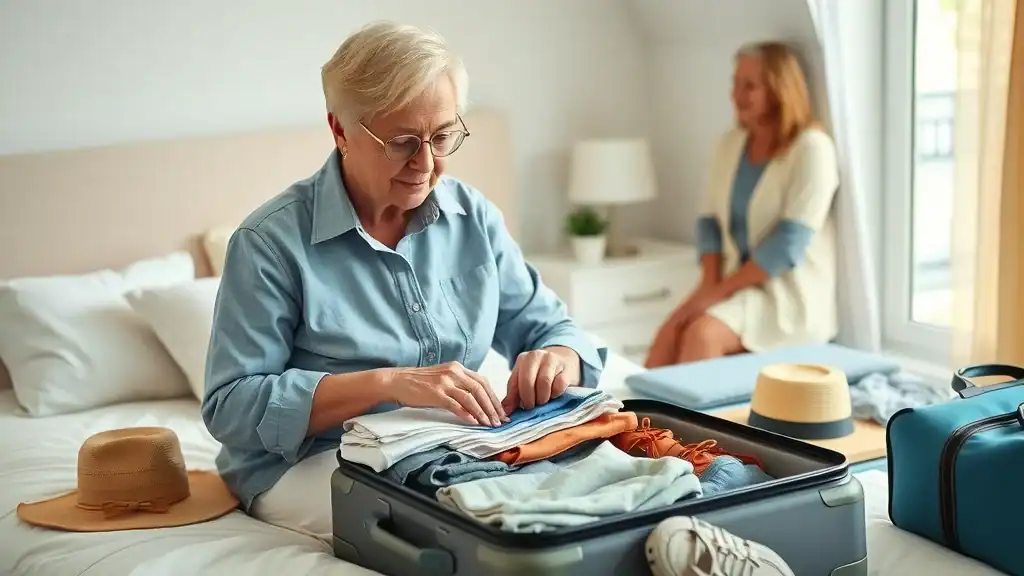
Overpacking is one of the most common regrets among travelers, particularly for longer adventures in Southeast Asia, where humidity and terrain can change rapidly. The best packing list features lightweight, easy-to-layer clothing; moisture-wicking fabrics; and items specifically suited to temple visits, like a scarf or sarong for modesty. A wide-brimmed hat, reliable walking shoes (rain-resistant if possible), and a portable, refillable water bottle should top your essentials list in every country of south or east asia.
For health and comfort, packing cubes help keep belongings tidy, while a compact medical kit with any prescription meds, insect repellent, and basic first-aid supplies ensures peace of mind. Travel-size antibacterial gel and a roll of toilet paper or wipes can be lifesavers at remote sites. Personal comfort items such as a neck pillow for long bus rides, sunblock, and lightweight rainwear will shield you from the region’s diverse climate. If your route includes multiple countries, check each country’s plug adapter requirements and carry a small bag for daily outings. Keeping things minimal and practical means less time wrestling luggage and more time enjoying those Southeast Asian bucket list moments.
- Must-have items for health, comfort, and style
- Clothing tips for humid climates and temple visits
- Packing lists for each Southeast Asia country
Medical and Travel Insurance Tips for Southeast Asia
Prioritizing health safety is a foundational **southeast asia travel tip** for mature adventurers. Although urban centers in places like Bangkok, Ho Chi Minh City, and Kuala Lumpur boast quality private clinics, unexpected illnesses or accidents do happen. Comprehensive travel insurance should cover emergency medical care, pre-existing conditions, and possible evacuation or repatriation—a good idea especially in remote places or during seasonal hazards like the monsoon. Many insurers now provide affordable packages tailored for travelers over 50, so compare not just rates but also coverage specifics.
Before your trip, consult a travel healthcare professional for vaccination requirements (e.g., hepatitis, typhoid, Japanese encephalitis) and country-specific medication advice—especially if planning to visit rural or national park areas. Keep a list of reputable international hospitals saved in your phone, and familiarize yourself with local emergency numbers and pharmacy access in each destination.
- Essential coverage for 50+ and retirees
- Finding reputable clinics and hospitals in Southeast Asia
- Vaccination and medication advice

Solo Travel in Southeast Asia: Safety Tips for Mature Travelers
Navigating Public Spaces and Social Scenarios
Solo travel is deeply rewarding, especially in Southeast Asia where friendly locals and vibrant cultures create endless opportunities for new connections. But mature travelers need smart, actionable safety tips: in bustling areas—markets, bus stations, temples—stay alert to your belongings and never display large sums of cash. Learn to spot common scams, which may include overzealous street vendors or unofficial taxi drivers quoting inflated fares. For peace of mind, always purchase SIM cards from official outlets at airports or big convenience stores to stay connected, allowing family or friends to track your journey.
Seek out social experiences through organized walking tours, cooking classes, or group excursions specifically designed for older travelers. Apps like Meetup or Facebook Groups can connect you to like-minded individuals and vetted guides. When meeting new people, select public venues and share your location with someone you trust. Finally, rely on Wi-Fi from established hotels or cafés—many street stalls offer free networks, but these can be unreliable or unsafe for sensitive information. Staying informed, connected, and cautious lets you embrace the freedom of solo travel while keeping risks minimal.
- How to avoid common scams in Southeast Asia cities
- Staying connected: SIM cards and Wi-Fi
- Meeting locals safely during solo travel
Eating Well and Safely: Street Food Travel Tips in Southeast Asia
Finding Clean and Flavorful Food Stalls
Sampling street food is an unmissable Southeast Asia travel experience, with every country boasting signature dishes that are both affordable and bursting with flavor. However, concerns about hygiene and food safety are valid—especially for travelers over 50. Follow the locals’ lead by picking stalls with high turnover; busy street stalls mean fresher ingredients and lower risk of stomach upsets. Dishes like Vietnam’s pho, Thailand’s pad thai, or Malaysia’s satay are safest when made to order and served piping hot. If you’re sensitive to spicy food or have dietary restrictions, don’t hesitate to communicate—most vendors will accommodate or suggest milder options.
To stay hydrated and healthy, avoid tap water—opt for bottled or filtered water everywhere (including for brushing teeth), as GI issues are the most common travel complaint. Carry oral rehydration packets for emergencies and stick to cooked foods over raw salads or fruit that hasn’t been peeled. Adventurous but careful eating lets you safely dive into Southeast Asian cuisine and brings incredible insight into a country’s culture—without sacrificing your health.
- Signature dishes to try in each country
- Street food safety for older travelers
- Hydration and dietary tips
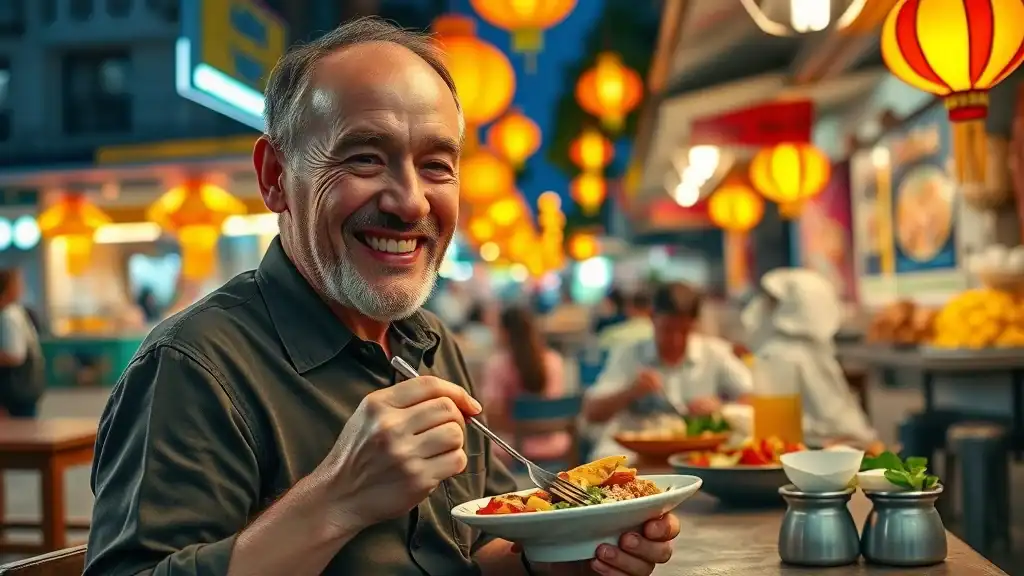
“Street food is the gateway to a culture’s heart. Choose stalls crowded with locals!” – Mark Lee, Chiang Mai Food Guide
Essential Southeast Asia Travel Guide: Must-See Destinations
Your journey isn’t complete without experiencing a few of the region’s essential sights. Vietnam’s Ha Long Bay, Angkor Wat in Cambodia, and Thailand’s Grand Palace are world-renowned, but lesser-known destinations—like Laos’ Luang Prabang or Malaysia’s colonial George Town—offer equally fulfilling, slower-paced adventures. These sites are not only rich in culture but often offer senior travel discounts and priority access. For retirees, tour operators in these areas are accustomed to catering to mature guests, offering small group tours with flexible pacing and frequent rest stops. Whether planning your trip solo or with a partner, research each country’s must-see list, but also leave room for spontaneous discoveries in towns off the beaten path, such as Sapa, Siem Reap, or the islands near Phuket.
- Top accessible spots in Vietnam, Thailand, and Malaysia
- Hidden treasures for a slower-paced trip
- Destinations with senior travel discounts
Respecting Local Customs: Cultural Travel Tips for Southeast Asia
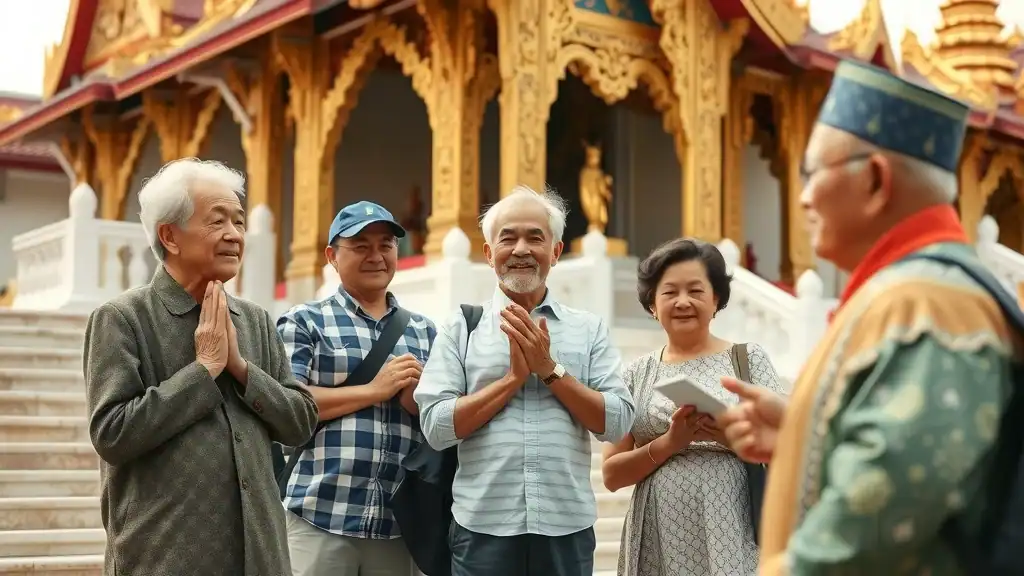
Connecting with Southeast Asian culture begins with respecting local traditions and etiquette. For temple visits, dress modestly—long pants or skirts and covered shoulders are a must. Remove shoes and hats before entering sacred spaces, and keep your voice low as a sign of reverence. Understand regional gestures and greetings: in Thailand, the “wai” (palms pressed together as a bow) is common, while a light handshake may suffice elsewhere. Observing these customs not only shows respect but invites warmer interactions with locals.
Festivals abound in countries in south and east Asia; from the water-splashing festivities of Songkran in Thailand to Cambodia’s Pchum Ben ancestor celebrations, learning festival etiquette and appropriate behavior ensures you blend in rather than stand out. Always ask before photographing people, especially monks or traditional ceremonies, and avoid touching sacred objects unless invited to do so by a local guide.
- Temple etiquette and what to wear
- Polite gestures, greetings, and taboos
- Navigating festivals in countries in south
Staying Connected: Technology and Communication Advice
Staying in touch with loved ones and organizing your travels is easier than ever, thanks to advancements in mobile technology in both East Asia and Southeast Asia. Buy a local SIM card upon arrival for affordable high-speed data—providers like AIS, Viettel, and Digi offer tourist packages suitable for short or multi-country trips. Don’t forget to download emergency apps (like Red Cross First Aid or local embassy contacts) and reliable translation tools, such as Google Translate, to simplify interactions with non-English speakers. For those less tech-savvy, many hotels and cafés provide complimentary Wi-Fi, while at-home devices like tablets and e-readers are handy for reading travel guides or itinerary details.
- Best SIM and data options for East Asia and Southeast Asia
- Emergency apps and contact services
- Helpful translation tools for older adults
Handling Money: Financial Southeast Asia Travel Tips for Retirees
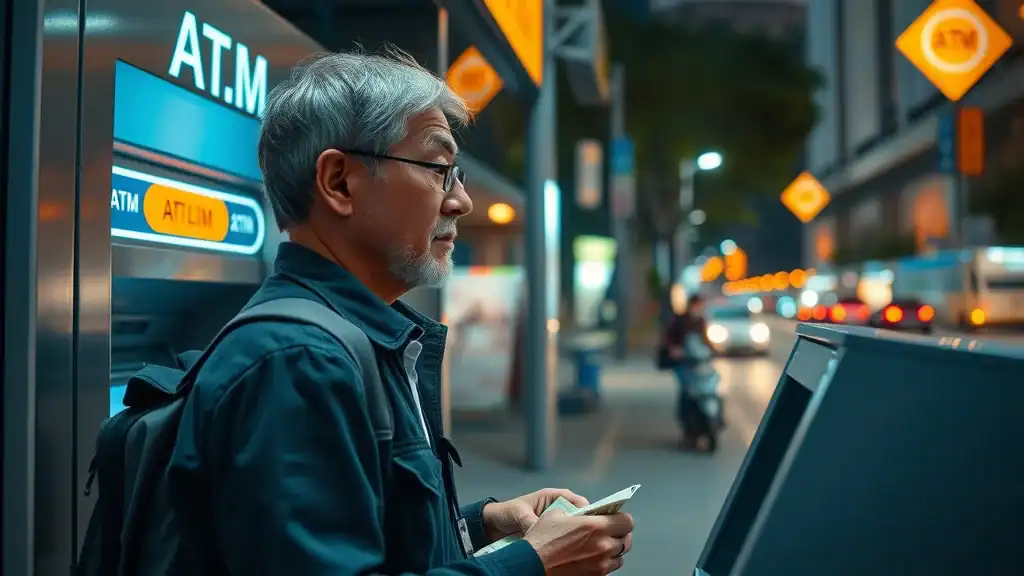
Smart money management is crucial for safe, worry-free travel in Southeast Asia. Use trusted currency exchange counters at airports or major banks rather than street stalls to avoid counterfeit notes. ATMs are widespread in cities but inspect machines for tampering and withdraw cash only during daylight hours in well-lit locations. Banks in Singapore, Thailand, and Malaysia generally offer reliable service and lower transaction fees.
To guard against fraud, carry a small amount of local currency while relying on a travel debit card with low international fees. Keep emergency backup cash in a secure, hidden pouch and record all transactions in a simple budgeting app to monitor spending. Most tourist destinations and hotels accept cards for larger purchases, but smaller street vendors and rural services remain cash-only. Traveling with a mix of payment options ensures resilience and peace of mind.
- Managing currency exchange and ATM best practices
- Precautions against fraud and counterfeit bills
- Apps for budgeting Asia travel
Step-by-Step: Planning Your Southeast Asia Adventure
Building a flexible itinerary saves both time and money—start by listing your must-see destinations, then map travel routes using regional flight or rail passes to optimize costs. Add buffer days to accommodate weather shifts and spontaneous discoveries, and always double-check visa requirements for each country in Southeast Asia. For 50+ travelers, comprehensive travel insurance, secure backups of documents (physical and digital), and emergency contact cards are essential.
- How to build your flexible travel itinerary
- Which travel insurance to get for 50+ travelers
- Tips for keeping documents safe
| Day | Destination | Key Activities | Senior-Friendly Tip |
|---|---|---|---|
| 1-3 | Bangkok, Thailand | Temples, markets, river cruise | Take the Chao Phraya tourist boat for easy sightseeing |
| 4-6 | Siem Reap, Cambodia | Angkor Wat, local crafts, night market | Hire a tuk-tuk day guide for flexible mobility |
| 7-9 | Hoi An, Vietnam | Old Town, lantern festival, cooking class | Book a walking tour with plenty of shaded stops |
| 10-12 | Kuala Lumpur, Malaysia | Batu Caves, gardens, Petronas Towers | Use public transit to avoid city traffic |
| 13-14 | Singapore | Gardens by the Bay, Chinatown, riverfront walk | Leverage senior ticket discounts at major attractions |
Staying Active and Healthy on the Road
Balancing exploration with wellness is essential for travelers over 50. Cities across Southeast Asia offer age-appropriate activities, from gentle river cruises to guided cycling or walking tours along scenic routes (think Hanoi’s Old Quarter or the riverside in Luang Prabang). Organized excursions typically provide more rest breaks, water stops, and shaded respites. Investigate local gyms, yoga studios, or hotel fitness centers if you’re sticking to an exercise regimen.
Always carry a refillable water bottle and electrolytes—dehydration is a common challenge due to the tropical climate, especially during outdoor festivals or national park visits. Embrace the pace of your group; prioritize health over ambitious checklists. If in doubt, consult your travel guide or healthcare provider before straying far from urban centers or medical facilities.
- Walking tours vs. guided group experiences
- How to find exercise options in each Southeast Asia country
- Staying hydrated and coping with the climate
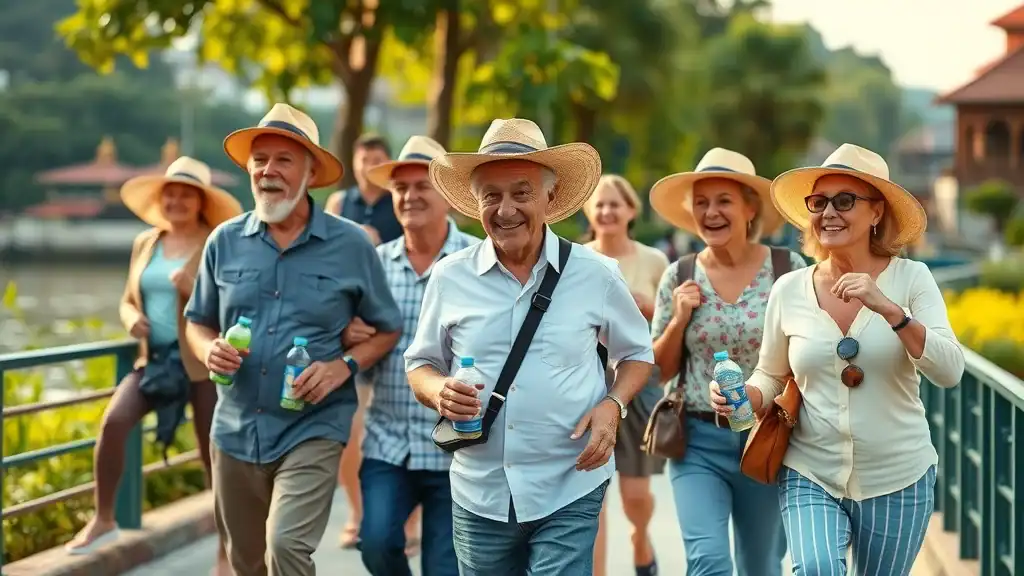
“The journey is only as good as your health—never skip your water bottle!” – Dr. Nguyen, Vietnam Travel Guide Specialist
PAA: People Also Ask
What is the best month to visit Southeast Asia?
The most popular and comfortable months to visit Southeast Asia are from November through March. This period marks the dry season in most countries, offering cooler temperatures and clearer skies—optimal for city walking tours, temple visits, and national park adventures. For those looking for fewer crowds and better deals, April and October can also be attractive, provided you stay aware of shifting regional monsoon patterns.
Is Southeast Asia safe for solo senior travelers?
Yes, Southeast Asia is generally very safe for solo travelers over 50, especially in Vietnam, Thailand, Malaysia, and Singapore. Cities like Chiang Mai and Siem Reap offer well-established tourist infrastructure, trusted public transport, and friendly communities. As with any destination, practicing situational awareness, avoiding night travel in remote areas, and staying connected via mobile apps are essential travel tips for peace of mind and personal safety.
How much should I budget for a Southeast Asia trip as a retiree?
Budget requirements vary by travel style and country, but most retirees find that $40–$80 per day covers mid-range hotels, daily meals, public transport, entry fees, and occasional tours in Southeast Asia. Setting aside extra funds for unexpected healthcare, souvenirs, or premium activities is a good idea. Countries like Vietnam and Cambodia are especially budget-friendly, while Singapore and Malaysia may be slightly more expensive but still affordable compared to East Asian destinations.
FAQs: Southeast Asia Travel Tips
- Do I need a visa for every country in Southeast Asia? Visa requirements differ by nationality and destination. Many countries allow short stays visa-free, but always check current policies before departure and arrange e-visas online for smoother entry.
- How can I access money safely while traveling? Use ATMs inside banks or major shopping centers, avoid using street ATMs at night, and never let your card out of sight during transactions. Carry a backup debit or credit card and hide some emergency cash.
- Are there senior discounts on transport and attractions? Yes, many public transport systems and sites (especially museums and parks) offer discounted or priority tickets for adults over 60. Be sure to carry your passport or age ID to claim these perks.
- Which travel vaccinations should 50+ travelers get? Consult your doctor for advice on routine vaccines (MMR, flu, tetanus) and recommended region-specific ones such as hepatitis A/B, Japanese encephalitis, and typhoid. Carry your vaccine certificate for ease of border crossing in some countries.
Summary of Key Takeaways: Southeast Asia Travel Tips
- Pack light and prioritize comfort.
- Plan travel around seasons for best weather and deals.
- Take advantage of local senior-friendly transport and discounts.
- Embrace local cuisine safely—choose places with high turnover.
- Always have travel insurance that covers healthcare needs.
- Prepare essential apps for communication and translation.
Let Us Help With Your Southeast Asia Travel Planning
Want a personalized itinerary or advice on the best routes and deals? Email us at kevin@southeastasiainsider.com for help with your next Asia Adventure.