
Ever wondered if you’re missing the secret tricks that make Southeast Asia travel genuinely effortless—especially for travelers over 50? Get ready to unlock a world of overlooked tips, practical advice, and region-specific travel hacks that will level up your next Asia adventure. Whether you’re planning a leisurely retirement journey, a months-long escape, or your first big trip through vibrant streets and tranquil temples, these insights will help you travel smarter, safer, and far more comfortably.
Have You Been Overlooking These Southeast Asia Travel Hacks?
Navigating the wonders of Southeast Asia requires more than just a passport and a sense of adventure—especially if you’re hoping for a trip that’s both comfortable and memorable. Many retirees, and even seasoned travelers, don’t realize that little-known southeast asia travel hacks can dramatically enhance every aspect of your journey. From managing health essentials to stretching your travel budget and adapting to hot, humid climates, the right travel tips ensure you don’t just visit Southeast Asia, but you truly experience it.
With so many rapid changes in technology, transportation, and even local customs, yesterday’s advice may not always serve today’s needs—particularly if you’re over 50. The hacks shared here are tailored to the needs of mature travelers, offering practical, approachable solutions so you can make the most of every destination, every hotel room, and every city. Consider this your inside scoop on enjoying smooth, safe, and fulfilling adventures.
Why Every Retiree Needs to Rethink Standard Asia Travel Tips
It’s time to reconsider the typical “one size fits all” travel tips often found in generic guides. Retirees have unique comfort, pace, and safety requirements; not every tip about backpacking or hostel-living will fit your style. By focusing on accessibility, comfort, and genuine cultural experiences, you can elevate your travels far beyond the basics. Many common hacks target younger crowds, but you deserve expert-level insights that factor in everything from health needs to maximizing days spent exploring street food stalls and beautiful temples alike.
“Many travelers miss out on the little-known southeast asia travel hacks that can make a world of difference, especially for those aged 50 and up.”

What You’ll Learn from These Southeast Asia Travel Hacks
- Insider southeast asia travel hacks for comfort and safety
- Smart travel tips for retirees and those over 50
- Essential travel hacks for navigating cultural nuances
- Travel essentials for diverse climates of southeast asia
- Ways to save money, time, and energy during your asia travel
Essential Southeast Asia Travel Hacks for Stress-Free Adventures
Pack a Lightweight Tote Bag for Daily Excursions
A lightweight tote bag is the unsung hero of every successful Southeast Asia adventure. It’s roomy enough for your water bottle, sunscreen, prescription meds, and a folding umbrella, yet light enough that your shoulders won’t ache by midday. For travelers over 50, a day bag that’s easy to carry and meet airline size rules is a practical essential—whether you’re exploring a bustling night market or hopping between temples. Consider choosing one with sturdy straps and a secure zipper to keep your items safe, especially in busy travel hubs. Pro tip: canvas or water-resistant materials are best for weather changes and unexpected tropical downpours.
A tote bag also lets you avoid repeatedly unpacking your suitcase or digging through luggage for daily essentials—streamlining every outing. Many travelers in East Asia and Southeast Asia swear by having a designated day bag, making quick rest stops or market purchases effortless. Add a small pouch with tissues and hand sanitizer to be prepped for local bathroom experiences (sometimes missing toilet paper). This simple hack keeps your essentials close, helping you feel comfortable and organized from dawn until dusk.

Never Forget a Refillable Water Bottle in Southeast Asia
Staying hydrated amid Southeast Asia’s heat and humidity makes a refillable water bottle one of your top travel essentials. Many seasoned Asia travel insiders highlight that access to clean water is not always guaranteed, especially when venturing off the beaten path or during day tours. Carrying a sturdy, leak-proof bottle helps you save on single-use plastics, ensures you always have safe drinking water at hand, and is a major health safeguard in regions known for their dynamic marine life and exciting street food—but sometimes inconsistent water quality.
Many accommodations now offer water refill stations. Use them before you head out each day. This simple routine wards off dehydration, helps you beat jet lag quicker, and keeps your energy up, especially on long market walks or temple visits. Don’t forget: a good water bottle fits easily into your tote bag or day pack for seamless travel comfort.
Download Offline Maps Before Your Asia Travel Begins
Getting lost in a new city can quickly sap your energy and confidence—especially where internet signals are spotty. Downloading offline maps (like Google Maps or Maps.me) onto your smartphone before you even set foot in Southeast Asia is an exceptionally reliable hack for retirees. Whether you’re navigating winding Hanoi alleyways, avoiding tourist traps in Ho Chi Minh City, or heading for a hidden beach in Bali, having digital maps at your fingertips allows you to wander with confidence—no wifi needed.
This travel tip isn’t just about convenience: it’s a safety net for those inevitable moments when you lose your bearings, your phone data dongle runs out, or you want to find the closest pharmacy or coffee shop without stress. Don’t forget to save key points—like your hotel rooms, airport, or favorite cafes—before you arrive, making everything from public transport to guided day tours seamless.
Local Sim Cards: The Ultimate Southeast Asia Travel Essential
Buying a local SIM card as soon as you arrive unlocks easy, affordable access to calls, ride-hailing apps, translation services, and online booking sites across the region. Costs are low, and many airports and markets have English-speaking staff ready to help you set up. With instant data, you can message local people for recommendations or call for help if needed—key for mature travelers wanting both independence and safety. Local numbers also unlock cheaper rates for e-wallet payments, local transport, and even easier check-ins at your hostel or hotel.
When you switch to a local SIM, you’ll find that digital life in Southeast Asia is refreshingly simple—especially in places like Thailand, Vietnam, and Malaysia, where tech-savvy services are everywhere. This travel essential ensures you’re always connected, so you can plan your trip on the fly, stay in touch with friends and family, and get local travel tips even in remote areas.
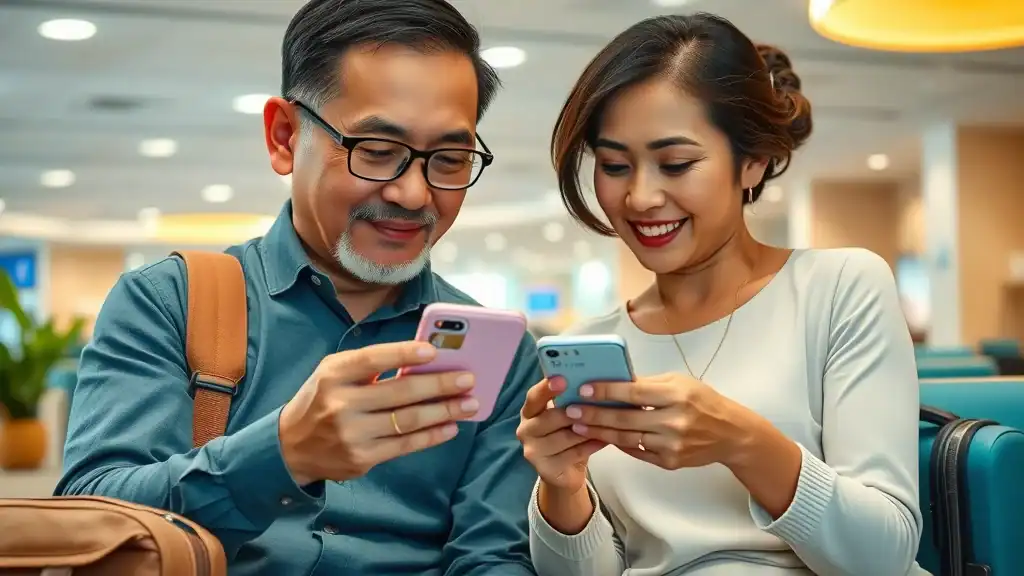
Stay Healthy with Easy Motionsick Remedies
Bus rides through winding hills, ferries across turquoise seas, and taxis in city traffic are unavoidable in Southeast Asia—but they often trigger motion sick symptoms. For senior travelers, packing basic remedies like ginger tablets, anti-nausea wristbands, and travel-sized Dramamine can make the difference between adventure and misery. Keep them handy in your day bag or tote so you’re ready for everything from a Halong Bay cruise to a sleeper bus journey.
Beyond medication, some experienced travelers recommend sitting near the front of vehicles, staring at a fixed point, and avoiding heavy meals before a trip. Chatting with local people or using guided meditation apps can also distract from discomfort. Don’t let the fear of motion sick moments limit your discovery of marine life or scenic destinations—plan ahead, and you’ll feel comfortable rolling with every travel challenge!
Use E-Wallets for Cashless Transactions Across the Region
Cash still rules in parts of Southeast Asia, but the rapid rise of e-wallet platforms has transformed how savvy travelers pay for goods and services—especially in markets, ride-sharing, and even local accommodation. For retirees, this removes the stress of carrying large amounts of cash, requires less ATM hunting, and boosts security through instant digital records of all purchases. Apps like GrabPay, GoPay, and local QR code wallets work at countless market stalls, restaurants, and transport hubs.
Setting up an e-wallet is fast and usually only requires a local SIM card, which most travelers purchase upon arrival. Once activated, they become one of your most useful travel essentials—especially as some vendors give extra discounts for digital payments. Seniors discover this is not only more convenient but also helps with budgeting and tracking expenses during your trip.

Choose Accommodations with Elevator Access: A Top Retiree Travel Hack
In older cities and even some new builds, elevator access is overlooked when choosing hotel rooms or apartments. Climbing multiple flights each day—especially after exploring street food stalls or joining day tours—can wear you out quickly. Always prioritize accommodations that list elevators or ground-floor rooms in their amenities. Most reputable booking platforms allow you to filter for accessibility; use this feature, especially in less developed parts of Southeast Asia.
This hack keeps knees and hips healthy for years of continued travel. Email your hotel ahead of arrival to double-check elevator status; not all listings are up-to-date. For retirees, picking the right hotel room isn’t just about luxury but daily comfort and saving your energy for real adventures beyond the lobby.
Maximize Comfort with a Versatile Travel Essential – A Compact Travel Pillow
From endless flights to sleeper bus journeys, a compact travel pillow is a must-have for retirees and anyone who values neck and back health. The region’s dynamic public transport means unscheduled naps and rest breaks are a reality, not a luxury. Travel pillows that pack small and offer ergonomic support take up little space in your tote bag and can double as a lumbar cushion in restaurants or while waiting at long ferry docks.
Many mature travelers agree: this small investment pays off tenfold in reduced aches and better sleep. Check out memory foam or inflatable pillows—the latest models combine cushy comfort with clever, lightweight designs so you can take them everywhere from bustling airports to serene temple gardens.
Southeast Asia Travel Tips for the Over-50 Adventurer
Visit Chiang Mai Off-Season for a Quieter, Cheaper Experience
If you’ve dreamed of exploring the magic of Chiang Mai without jostling through crowds, plan your trip during the off-season (May to September). Flights and hotel rooms are often much cheaper, popular temples are peaceful, and you’ll enjoy lush, green landscapes thanks to the region’s short rains. For retirees, the slower pace means less stress and more opportunities to connect with local people, attend authentic festivals, and take stunning photos without the photobombs.
Many over-50 travelers highly recommend the green season; just pack a quality raincoat and waterproof walking shoes. Restaurant service is often friendlier, and you might discover side streets and markets locals frequent when the city’s less touristy. Don’t miss nearby wellness retreats—the quieter environment enhances every experience.

Opt for Direct Flights Where Possible: Senior-Friendly Air Travel Hacks
Changing planes can be tiring and stressful, especially if airport amenities are lacking or the journey is long. Always check for direct flight options—even if they cost a bit more, the convenience and comfort for mature travelers make them worthwhile. Direct routes reduce time spent hauling luggage, minimize exposure to stairs/escalators, and decrease the challenges associated with missing connections and long walks between gates.
When booking asia travel, consider flying into larger regional airports; these generally have better services for seniors, such as airport lounges, dedicated assistance, and reliable public transport connections to your final destination. Review seat selection policies—bulkhead or aisle seats offer greater legroom and accessibility. Little travel hacks like this produce a smoother, more comfortable journey every time.
Pack Medications and Copies of Prescriptions – A Travel Essential
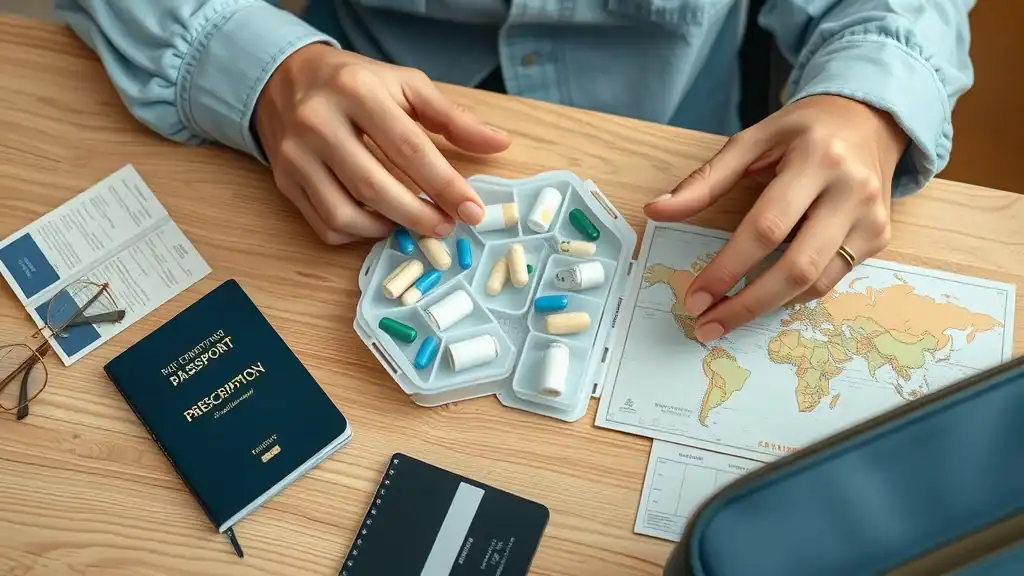
Traveling through Southeast Asia requires careful planning for health and medication needs, particularly for retirees. Always bring an adequate supply of your prescription meds in clearly labeled packaging, plus a doctor’s note detailing generic names and dosages. Store medications in your carry-on day bag to avoid loss and access them easily if you need them mid-flight or on a bus ride.
Having digital and paper copies of your prescriptions ensures hassle-free border crossings (some medicines have restrictions), simplifies pharmacy stops for refills, and provides peace of mind during emergencies. We highly recommend organizing pills in a clearly labeled weekly pill box—this small travel essential prevents confusion in new time zones and busy schedules. Include a compact first aid kit for additional preparedness.
Learn Basic Local Phrases for Enhanced Southeast Asia Travel
Speaking a few words of the local language instantly opens doors—earning you warmer welcomes, honest prices, and richer cultural connections with local people. Even retirees who never studied languages find that learning basic greetings, thank yous, or how to ask for water can dramatically improve their trips. Use a language app pre-trip or pocket phrasebook; you’ll feel more confident, and locals will appreciate your effort. It’s a travel hack that pays out in experiences, not just convenience.
This is especially true if venturing beyond tourist hotspots or using public transport, where English or other major languages may not be widely spoken. Often, hotel staff or market vendors can help you practice—don’t be shy. A smile, paired with a “hello” in Thai, Vietnamese, Bahasa, or Khmer, ensures you feel comfortable and connected wherever you roam.
Use Weather Apps for Accurate Asia Travel Planning
Southeast Asia’s weather is famously unpredictable—sudden showers, sweltering humidity, or cool evenings make a solid weather app a standout travel essential. Planning each day’s attire, excursions, and even rest stops becomes much easier, and you can confidently pack your tote bag with the right layers, a raincoat, or quick-dry clothing.
Monitor upcoming forecasts for each city on your itinerary; for those with sensitive health needs or an aversion to heat, this travel hack can save you from unnecessary discomfort. Many retirees say using reliable apps helped avoid monsoon interruptions, protected electronics in unpredictable rain, and even found the best times for sunrise walks or scenic drives in east asia.
Comparison of Southeast Asia Travel Essentials for Retirees
| Travel Essential | Why It Matters | Retiree-Friendly Benefit | Best Use |
|---|---|---|---|
| Lightweight Tote Bag | Organizes daily items and extra purchases | Low strain on shoulders; easy to carry | Day trips, markets, city walks |
| Refillable Water Bottle | Ensures hydration and reduces single-use plastics | Prevents dehydration and illness | All day, every activity |
| Local SIM Card | Accessible data and local calls | Instant help and cashless options | Navigation, emergencies, bookings |
| Medications & Prescriptions | Maintain daily health and emergency prep | Prevents health disruptions | Flights, land border crossings, city stays |
| Travel Pillow | Comfort for transport naps | Reduces neck and back pain | Flights, buses, waiting rooms |
| Mini First Aid Kit | Quick fixes for minor injuries or illness | Peace of mind | Tours, nature walks, city rambles |
| E-wallet | Fast, secure payment system | No cash handling or lost money | Shops, transport, restaurants |
Lesser-Known Southeast Asia Travel Hacks for Savvy Explorers
Take Advantage of Senior Discounts on Transport in Southeast Asia
Did you know that many public transport providers across Southeast Asia offer senior discounts, especially for those aged 60+? This includes select bus companies, trains in Thailand or Malaysia, and even regional flights. Always bring your passport or official ID for verification. These savings can add up quickly over weeks of asia travel, leaving more in your budget for unique experiences or travel essentials.
This is one of those travel hacks not always advertised—you often have to ask at the ticket counter or look for small signs in local languages. Use your local SIM card to check schedules and eligibility online or ask your hotel’s front desk for updates. Retiree travel tip: Inquire about combo passes (for buses, ferries, or attraction tickets), as these occasionally come with extra perks for mature explorers.
Selective Day Tours: Choosing Accessible and Comfortable Experiences
While many tours are designed for the young and fearless, more travel companies now cater to mature guests with smaller group sizes, flexible itineraries, and accessible transportation. When shopping for day tours, look for those marketed as “senior-friendly” or “accessible” or simply call ahead to discuss your needs. You deserve comfortable transportation, frequent rest breaks, and relaxing, enjoyable explorations of temples, city sights, or marine life.
The right guided tour not only helps bridge language or navigation barriers but also connects you with knowledgeable local people who can offer deeper insights into culture and history. Don’t be afraid to say no to action-packed itineraries; instead, choose those specializing in comfort, cultural enrichment, and personal attention.
Early Mornings: Beat the Heat and Crowds While Traveling Asia
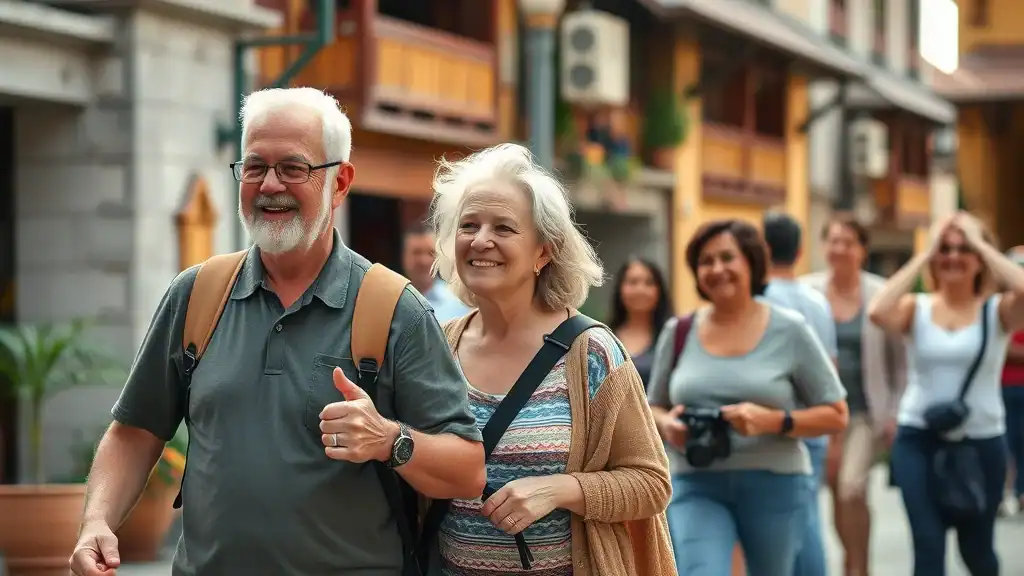
The early bird truly gets the best of Southeast Asia. Temperatures are cooler, popular temples and markets are quiet, and photo opportunities abound without crowds or harsh sunlight. For retirees, starting your day at sunrise is not just a health boost but a smart way to make sightseeing accessible and enjoyable. Local people often rise early, so it’s also when you’ll observe authentic daily routines and enjoy fresh street food.
Plan your trip so you rest in the early afternoon (when crowds and heat peak), then explore again in the gentle hours before dusk. This travel tip allows you to squeeze more into each day while staying comfortable, safe, and energized. It’s a game-changer for making the most of everything East Asia and Southeast Asia offer without exhaustion.
Bring a Mini First-Aid Kit – A Trusted Southeast Asia Travel Essential
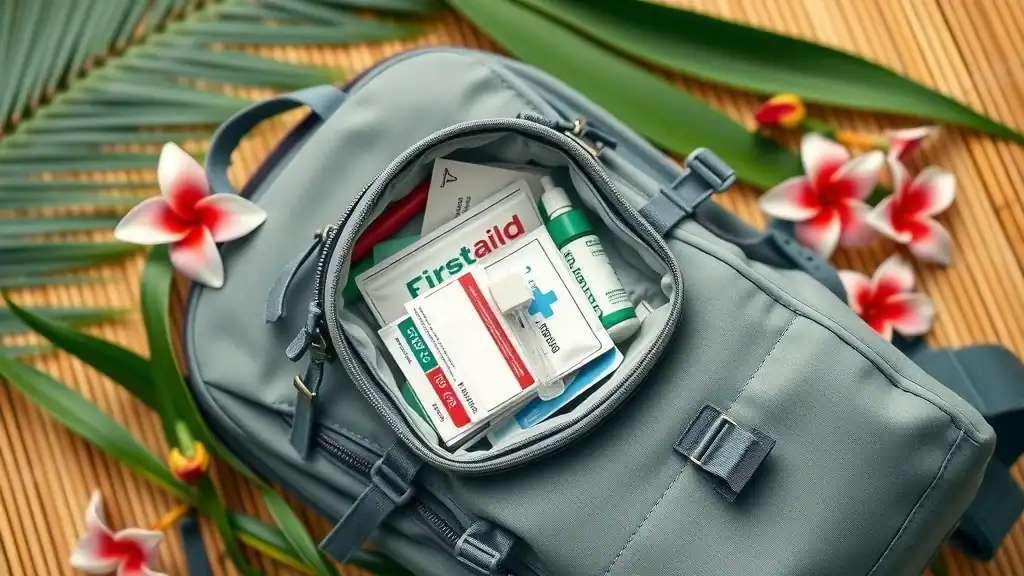
A mini, well-stocked first-aid kit is an unsung hero for seasoned travelers. Include plasters, antiseptic, a tiny roll of medical tape, and basic medicines for headaches, allergies, or digestive upsets. For older travelers, pack a second set of must-have prescriptions or specialty health items. This compact kit takes up almost no room in your day bag but will be invaluable during a spill, blister, or brief illness.
Keep your kit up to date and personalize it for your specific needs and local climate: if you’re sensitive to mosquito bites or have known allergies, pack accordingly. It’s a travel hack that ensures small snags don’t derail your adventures or add costly visits to unfamiliar clinics. Many travel tips you hear on blogs or podcast lists highlight this for good reason—spontaneity starts with preparedness!
Use a Travel Insurance App for Easy Claims and Support
Traditional paper insurance documents are fast becoming obsolete for today’s retirees. Downloading your insurer’s mobile app before your trip allows you to manage emergencies, claims, and inquiries instantly with 24/7 support. Photo upload features make claims easy, and digital ID cards are accepted by most clinics and hospitals. This is a technology-driven travel essential for every modern asia travel experience—never leave without it!
Review policy details in-app so you know exactly what’s covered—from medical care to delayed flights and lost luggage. You’ll feel comfortable and secure, even far from home, knowing help is only a tap away. Mature travelers who switch to app-based insurance say it’s a game-changer—especially in time-sensitive situations or remote regions where traditional paperwork fails.
Quick Lists: Southeast Asia Travel Tips Recap
- Must-have travel essentials and travel hacks
- Asia travel comfort and health tips
- Simple safety travel tips for seniors
- Cultural etiquette hacks in southeast asia
“Smart southeast asia travel hacks can transform a good trip into an unforgettable one, especially when tailored to your lifestyle.”
People Also Ask: Southeast Asia Travel Hacks
What is the best way to avoid motion sickness when traveling in Southeast Asia?
Answer: Use ginger tablets or wrist bands, choose front seats in vehicles, and always carry basic motion sickness remedies as part of your southeast asia travel essentials.
Are there senior discounts available for asia travel within Southeast Asia?
Answer: Yes, several train and bus companies in southeast asia offer special rates for those over 60; always bring ID as proof and ask locally.
Which travel essentials are a must for retirees visiting east asia or southeast asia?
Answer: A lightweight tote bag, sturdy water bottle, comfortable walking shoes, and a compact travel pillow are top essentials.
What packing travel hacks work best for changing climates in southeast asia?
Answer: Layer lightweight, moisture-wicking fabrics, pack a raincoat and quick-dry clothing, and use compression bags to optimize space.
Handy Southeast Asia Travel FAQs
- How do I stay healthy while traveling in southeast asia?
- What are the safest modes of transport in southeast asia for seniors?
- Can I use credit cards everywhere in southeast asia?
Answers to Southeast Asia Travel Essential Questions
- Drink only bottled or filtered water; avoid raw foods from street vendors.
- Stick with established airlines and reputable taxi or ride-sharing services for travel safety.
- Not everywhere accepts credit cards—carry some local currency as a backup.
Key Takeaways: Southeast Asia Travel Hacks Everyone Should Know
- Southeast asia travel hacks boost comfort and safety, especially for retirees.
- Utilize travel tips like e-wallets, local sim cards, and offline maps for efficient asia travel.
- Always include travel essentials like a tote bag and quality water bottle for the journey.
Ready to Experience Seamless Travel in Southeast Asia?
Email us atkevin@southeastasiainsider.comfor help with your next Asia Adventure
Conclusion: Use these essential southeast asia travel hacks to enjoy smoother, safer, and more comfortable travels—turning every trip into an enriching, unforgettable adventure.