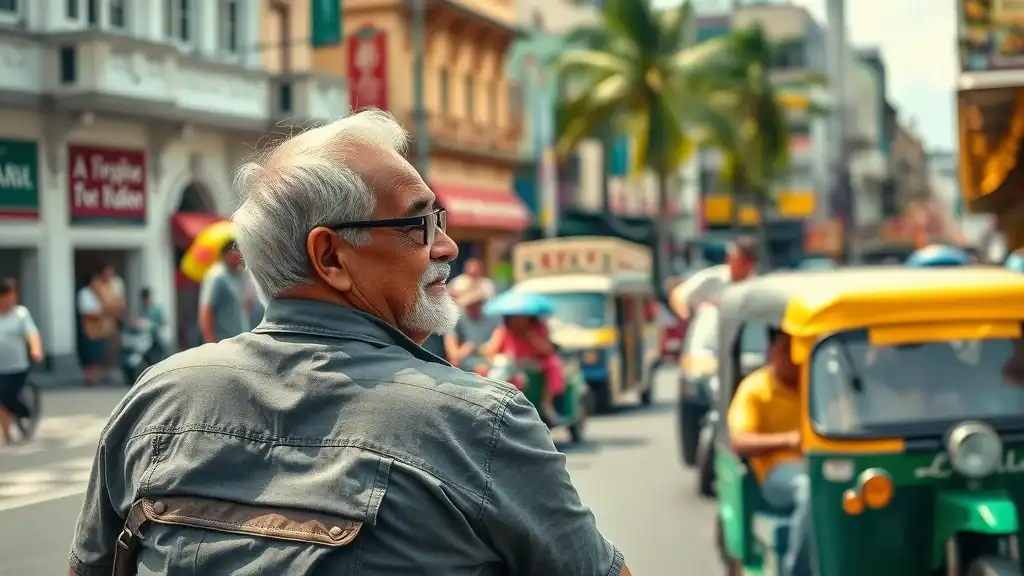
Are you missing out on the most comfortable, affordable, and time-saving ways to explore Southeast Asia? Whether you’re a retiree planning an extended adventure or an experienced traveler craving authentic experiences, unlocking the right southeast asia transportation options could transform your journey—and your budget.
Unlocking the Secrets: Are You Using the Best Southeast Asia Transportation Options?
Choosing the right transportation in Southeast Asia can feel overwhelming, especially for travelers over 50 who prioritize comfort, reliability, and safety. With endless choices—from tuk-tuks in bustling cities to serene boat journeys along the Mekong River—it’s easy to stick to what you know and miss hacks that save time and cash.
This guide unearths insider knowledge drawn from seasoned travelers and locals. We uncover the secret perks of sleeper trains, reveal how to use senior discounts and loyalty programs, and explain when boats and ferries are not just a scenic option but also your ticket to a memorable, hassle-free journey. Forget tourist traps and travel like a savvy local—saving both time and money—while soaking up comfort and authentic Southeast Asia experiences.
Why Understanding Southeast Asia Transportation Options Matters for Travelers Aged 50+
For those 50 and over, choosing the best southeast asia transportation options is about more than just cost—it’s about maximizing comfort, minimizing confusion, and ensuring safety. Retirement opens the door to once-in-a-lifetime travel, but as mobility needs change, the difference between a memorable adventure and unnecessary stress often comes down to how you move from place to place.
Travel tips tailored for older adventurers can mean the difference between navigating hectic night buses and enjoying the calm of premium bus lines with reserved seating and added comfort. Reliable public transport—like modern rapid trains in Singapore, accessible buses in Kuala Lumpur, and eco-friendly ferries throughout Indonesia—can unlock a new level of cultural immersion and convenience, especially for those eager to travel off the “banana pancake trail” and discover hidden gems around the region.
What You’ll Learn in This Guide to Southeast Asia Transportation Options
- Discover the most efficient modes of transport in Southeast Asia
- Learn hacks to save money on public transport and intercity travel
- Identify safety and comfort tips specifically for senior travelers
- Explore practical considerations for boats and ferries, ride-shares, and more

An Overview of Southeast Asia Transportation Options
General Types of Transport in Southeast Asia: Buses, Trains, Flights & More
Southeast Asia boasts a colorful tapestry of transportation options that suit every budget and wanderlust. Common modes include cross-border buses, efficient sleeper trains connecting major cities like Hanoi and Bangkok, affordable budget airlines such as AirAsia, traditional tuk-tuks, modern ride-share platforms like Grab, scenic ferries, and private car hires for bespoke comfort.
While you can easily hop on a local bus or try the infamous “slow boat” from Laos to Luang Prabang, those seeking creature comforts will appreciate the increasing presence of air-conditioned coaches and premium intercity rail lines. City transport is dominated by affordable, intuitive networks: think of Bangkok’s BTS Skytrain, Singapore’s MRT, and even electric buses in Malaysian Borneo. Each country paints its own picture, but the underlying thread is flexibility—aligning well with the needs and expectations of retirees and senior travelers.
- Cross-border buses
- Sleeper trains
- Budget airlines
- Tuk-tuks
- Grab (ride-share)
- Ferries
- Private car hires
How Public Transport Differs Across Southeast Asia versus East Asia
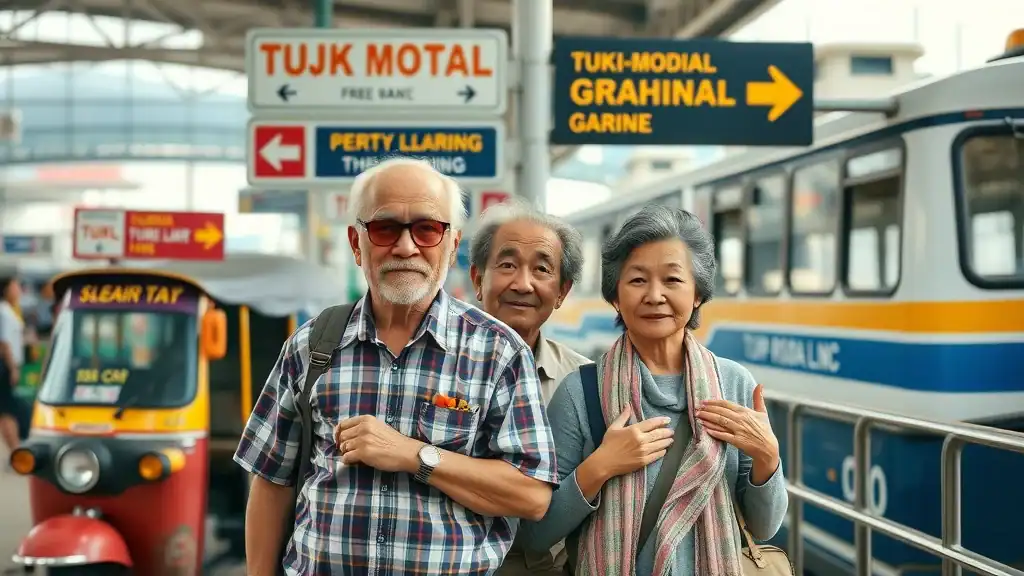
Transport in Southeast Asia is celebrated for its affordability and organic integration with everyday life, but it’s less automated and sometimes less punctual than East Asia’s high-speed, ultra-organized model. While Japan and South Korea offer streamlined, tech-driven journeys that require advance booking, many Southeast Asian countries thrive on flexibility: you can hail a tuk-tuk at a street corner, hop on a night bus for spontaneous changes, or negotiate last-minute riverboat rides.
“Travelers over 50 appreciate the affordability and accessibility of regional buses and ferries, especially in countries like Vietnam and Thailand.” – Travel Expert
Southeast Asia’s charm lies in its variety and accessibility. Despite occasional language barriers and the need to check safety standards, most destinations put practical, low-cost options at your fingertips. Comfort upgrades like VIP sleeper buses and first-class train ride seats add peace of mind for seniors, while eco-friendly choices are becoming more prevalent for conscious travelers.
Essential Travel Tips for Navigating Southeast Asia Transportation Options
- Download local apps like 12Go, Grab, and Rome2Rio for real-time tickets and schedules
- Pack light for easy boarding and consider rolling luggage over backpacks
- Seek out senior discounts—often available on public transport and long-distance tickets
- Don’t overlook comfort upgrades: reserved seats, soft sleeper classes, and VIP coaches
Travel Insurance Considerations When Choosing Southeast Asia Transportation Options
Planning your journey through Southeast Asia? Don’t skip the travel insurance fine print. Policies vary widely, especially regarding coverage for regional night buses, river cruises, and emerging ride-sharing services. For travelers over 50, look for plans that include emergency medical transport, cancellations due to unforeseen circumstances, and baggage protection—since intercity buses and ferries often have looser policies than Western counterparts. Insider travel tips: clarify if slow boat rides down the Mekong River or scenic overnight bus routes are included in your coverage. Some insurers require upgrades for “adventure” or cross-border journeys—ask before booking transport. A little research now ensures peace of mind through every twist and turn of your Asian adventure.
Country-By-Country Comparison of Southeast Asia Transportation Options
| Country | Main Transport Modes | Avg. Costs (USD) | Efficiency | Comfort Level (50+) |
|---|---|---|---|---|
| Thailand | Sleeper trains, intercity buses, tuk-tuks, ferries | $5–$25/trip | High in major cities, moderate rural | Very Good (VIP trains/buses available) |
| Vietnam | Open tour buses, soft seat trains, boats, Grab | $3–$20/trip | Good throughout Vietnam | Good (soft seats, English language options) |
| Malaysia | City trains, express buses, Grab, ferries | $2–$15/trip | Excellent | Excellent (air-conditioned, accessible) |
| Indonesia | Ferries, buses, GoJek, budget flights | $2–$30/trip | Varies by island | Good (eco/comfort upgrades available) |
| Singapore | MRT, buses, taxis, ferries | $1–$5/trip | Excellent, punctual | Outstanding (universal design) |
| Cambodia | Buses, shared taxis, ferries, tuk-tuks | $4–$12/trip | Moderate | Fair (older buses, negotiate costs) |
| Laos | Night buses, slow boats, tuk-tuks | $5–$20/trip | Slower, scenic | Good (slow pace, picturesque journeys) |
| Myanmar | Trains, buses, riverboats | $3–$20/trip | Slow, sporadic | Basic (rustic, adventurous) |
| Philippines | Ferries, jeepneys, buses, flights | $2–$20/trip | Inter-island varies | Good (VIP ferries/first-class buses) |
Unique Transport in Southeast Asia: Boats and Ferries
Boats and ferries are woven into the heart of Southeast Asia’s travel fabric. Think slow boats drifting on the Mekong River from Thailand to Laos, or brisk island-hopping adventures across Thailand’s Andaman Sea and Indonesia’s Bali-Lombok corridor.
These aquatic routes aren’t just for the “banana pancake trail” backpackers—they offer retirees a tranquil, scenic, and safe option for crossing borders and sampling true Southeast Asian life.
Boats and Ferries: Where They Excel for Island-Hopping and River Travel

Ferries and riverboats shine where roads can’t reach—especially between hundreds of islands in Malaysia, Indonesia, and the Philippines, or for accessing riverside towns in Vietnam and Cambodia. Older travelers find these options less strenuous, often with seating upgrades and staff willing to lend a hand with luggage.
“Ferries and riverboats provide serene, scenic travel options ideal for retirees and those seeking authentic experiences.” – Southeast Asia Insider
If you crave something different, the slow boat from Luang Prabang down the Mekong or a calm cruise in Halong Bay delivers a flavor you can’t find on highways or airport lounges. Many operators now provide direct booking in English, air-conditioned lounges, and onboard refreshments—making comfort and accessibility top priorities.
Ride-Sharing Services and the Uber Question in Southeast Asia Transportation Options
Does Southeast Asia Have Uber, Grab, or Other Ride-Sharing Apps?
- Grab (Southeast Asia-wide): Available in Thailand, Vietnam, Malaysia, Singapore, Indonesia, Cambodia, Myanmar.
- GoJek: Dominant in Indonesia, also expanding in Vietnam and Thailand.
- These apps accept cash or card, show upfront pricing, and often have English menus.
- Watch for scam rides—always book through the app, confirm the plate, and avoid unsolicited offers.
- Ride-share rules and vehicle quality vary more than in Western countries—expect motorcycles in Indonesia, tuk-tuks in Cambodia, and spacious cars in Malaysia.
Safety and Accessibility for Those Aged 50+ When Using Southeast Asia Transportation Options

Ride-sharing isn’t just for the app-savvy youth. Seniors appreciate the convenience, especially when public transport stops running at night or in less touristed areas. Platforms like Grab and GoJek enable cashless payments, English-language support, and even preset destinations—reducing the anxiety of bargaining or getting lost.
When traveling at night or in unfamiliar neighborhoods, opt for premium or plus options for larger vehicles and more experienced drivers. Accessibility features vary—request vehicles with low entry, extra luggage space, and notify the driver in-app if you need help. Always double-check pickup points in major cities to avoid airport scam taxis. Ride-sharing brings safety, value, and peace of mind for retirees exploring bustling streets from Chiang Mai to Kuala Lumpur.
Saving Money: Hacks and Essential Travel Tips Using Southeast Asia Transportation Options
Booking in Advance and Last-Minute Deals
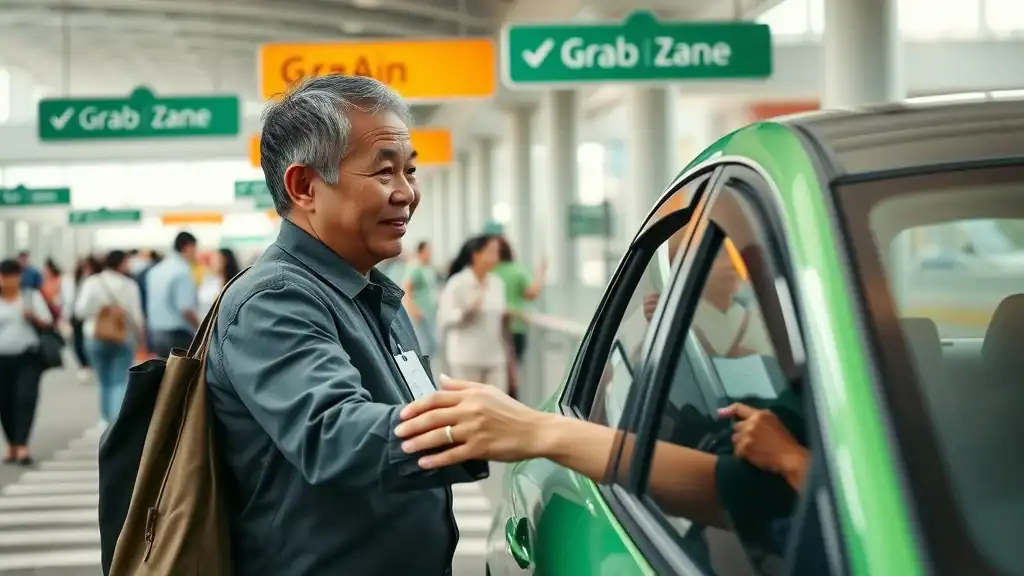
Booking early isn’t always a rule in Southeast Asia, but if you’re keen on soft sleepers, first-class bus seats, or economy flights, you’ll want to plan ahead—especially in high season or around local holidays. Most countries use ticket apps (like 12Go, RedBus, or Easybook) and may offer early-bird rates.
Flexibility can also pay: regional buses and ferries sometimes have deeply discounted last-minute tickets as operators fill remaining seats. Check station boards or trusted websites. Don’t overlook night buses—vendors often cut deals for those willing to board with short notice. Budget airlines, meanwhile, release surprise midsummer deals if you’re not tied to a firm itinerary.
Loyalty Programs and Senior Discounts Within Southeast Asia Transport
“Book overnight trains and economy flights early—these can save both time and money for older travelers.” – Insider Tip
Many transport providers across Southeast Asia quietly offer loyalty schemes or age-based discounts. Retirees can ask for a “senior” rate (available in Malaysia, Singapore, and select Thai routes), and obtain membership points for repeated trips with regional bus and ferry firms.
Airlines like AirAsia, Scoot, and Lion Air periodically launch senior promo codes, while premium trains in Vietnam and Thailand give early access to discounted soft sleeper bookings. Don’t hesitate to ask at ticket counters or when booking online—sometimes perks aren’t advertised but are granted to those who request them!
Eco-Friendly and Comfortable Southeast Asia Transportation Options for Older Travelers
- Electric buses: Now running in Singapore, Kuala Lumpur, and selected Thai and Indonesian cities
- Hybrid ferries: Reduce emissions in Penang, Bali, and parts of Vietnam
- Eco-certified train lines: Fast, energy-efficient routes between major cities
- Soft sleeper car options: Found on upgraded routes in Thailand, Vietnam, and Malaysia
Accessibility Features: Step-Free Buses, Reserved Seating & Onboard Help

Modern public transport across Southeast Asia is catching up fast. Accessible, low-floor buses now serve city centers in Singapore, Penang, and Kuala Lumpur. Reserved seating is standard on city trains and express buses, and many staff are trained to assist with boarding and luggage.
First-class or VIP bus and train tickets guarantee quiet, air-conditioned comfort—ideal for retirees seeking a more dignified ride. Onboard restrooms and luggage racks reduce travel stress. Ferries in Thailand, Indonesia, and the Philippines commonly provide shaded seating, step-free boarding, and, where possible, dedicated help for mobility-restricted travelers.
Comparing Southeast Asia vs. East Asia Transportation Options: What’s Better for Retirees?
- Speed: East Asia’s bullet trains and modern highways are unmatched for quick hops—but Southeast Asia offers leisurely pace and more flexible schedules.
- Cost: Southeast Asia is significantly cheaper for most modes, especially for long trips or routes on the “banana pancake trail.”
- Comfort: Both regions have premium options, but Southeast Asia tends to offer more affordable luxury in the form of soft sleepers and VIP buses.
- Booking: East Asia demands more planning, while Southeast Asia rewards flexible, spontaneous travel.
“Southeast Asia shines for leisurely journeys, while East Asia favors speed and advanced booking.”
People Also Ask: Answering Common Questions about Southeast Asia Transportation Options
What is the best way to get around Southeast Asia?
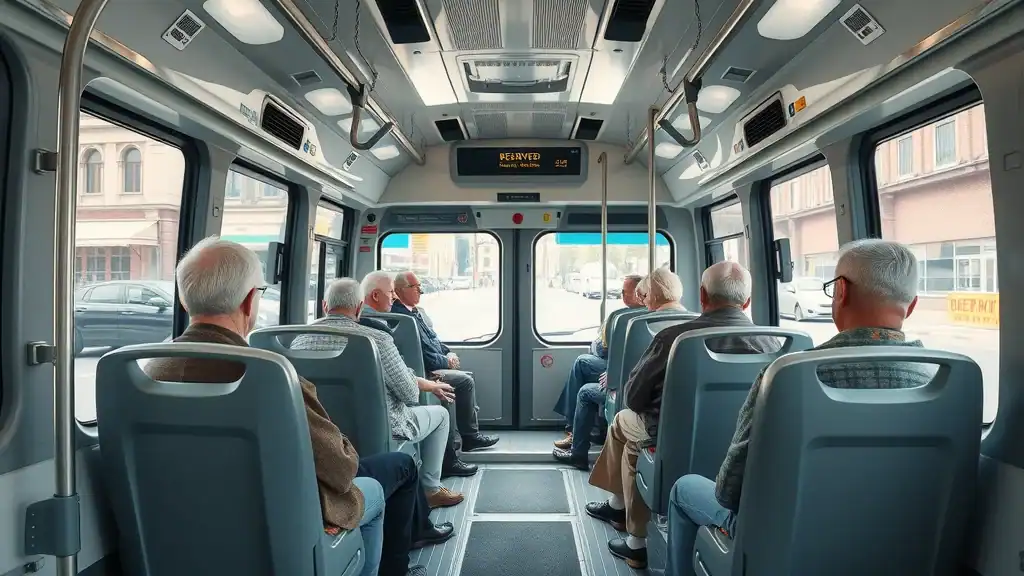
The best way to get around Southeast Asia depends on your priorities: for cost, long-distance buses and trains offer affordability; for speed, budget flights dominate; for the authentic experience, try ferries or tuk-tuks. For those aged 50+, comfort and reliability often favor private hires, premium bus lines, and first-class train cars.
What is the transportation in Southeast Asia?
Transportation in Southeast Asia includes buses, trains, ferries, ride-shares, tuk-tuks, Jeepneys, and a growing number of ride-hailing apps. The diversity makes travel flexible, but always verify safety and accessibility for your needs.
What are the 4 types of transportation?

The four types include road (buses, taxis, tuk-tuks), rail (trains, subways), water (boats, ferries), and air (domestic and regional flights). Southeast Asia excels by offering budget forms of each.
Does Southeast Asia have Uber?
Uber is no longer available in Southeast Asia; most countries use Grab, GoJek, or local alternatives, which often accept cash and cater to international visitors of all ages.
Frequently Asked Questions about Southeast Asia Transportation Options
Is it safe for seniors to use public transport in Southeast Asia?
Yes—public transport in major Southeast Asian cities is generally safe for seniors, especially when using reputable train, bus, or ride-sharing services. Choose VIP or premium services, avoid overcrowded vehicles, and confirm scheduled stops for added security and comfort.
Are there English-language resources for route planning?
Absolutely. Most cities and long-distance operators offer English websites or customer hotlines. Apps like 12Go, Grab, and Rome2Rio provide route maps, schedules, price comparisons, and instant ticketing in clear language.
How do luggage policies compare across transport modes?
Buses and trains allow free carry-on (typically 20–30 kg), but ferries and budget airlines may impose limits or charge by weight. Pack light and confirm policies prior to booking. Many premium services offer porters or luggage racks for seniors.
Are there senior discounts on buses or trains in Southeast Asia?
Yes, though often unadvertised. Malaysia, Singapore, and Thailand provide official discounts for those aged 60+; ask at local counters or during online bookings. Always carry ID to confirm eligibility.
Key Takeaways: Optimizing Southeast Asia Transportation Options for Money and Time
Smart planning gives you access to the best southeast asia transportation options: Flex between buses, trains, ferries, and ride-shares for flexibility; seek senior discounts; prioritize safety and comfort upgrades; use booking apps and insurance to protect your peace of mind.
Your Next Southeast Asia Adventure: Let Us Help
Ready for a comfortable, affordable, and unforgettable journey? Email us at kevin@southeastasiainsider.com for help with your next Asia Adventure!