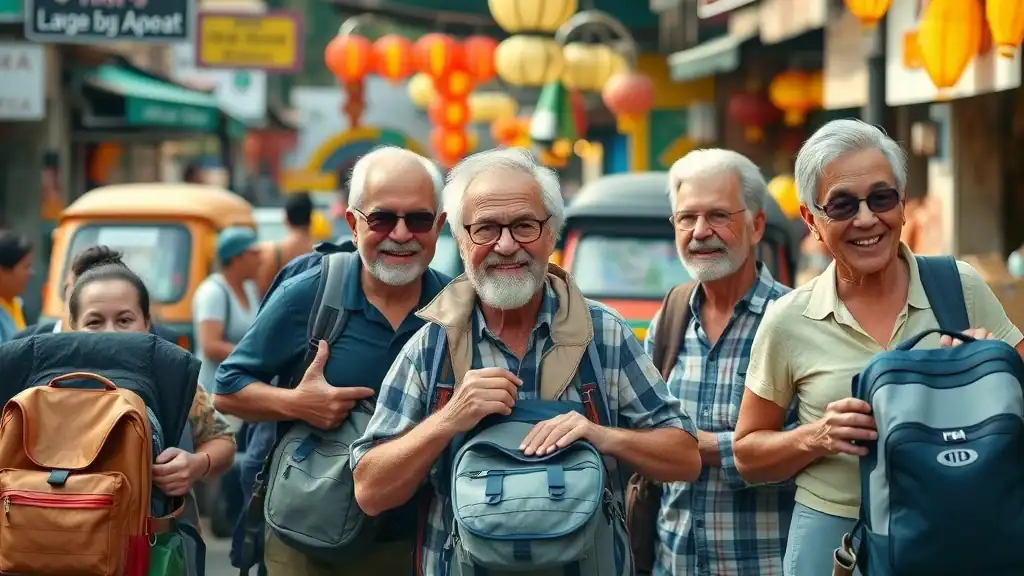
Imagine standing at the crossroads of ancient temples, vibrant night markets, and lush jungles—heart pounding, world expanding, adventure calling. If you’ve ever felt the itch to rediscover your sense of wonder or trade routine for surprise, this is your moment. Whether you’re freshly retired or simply yearning for a deeper connection with the world, this southeast asia backpacking guide is your ticket to unforgettable journeys—crafted specifically for travelers over 50 who know life is best lived outside the comfort zone.
Embarking on the Southeast Asia Backpacking Journey: An Introduction
“Traveling – it leaves you speechless, then turns you into a storyteller.” – Ibn Battuta
Southeast Asia isn’t just a destination—it’s a tapestry of cultures, cuisines, and landscapes, all waiting for adventurous spirits to explore. If the thought of navigating the bustling alleys of Bangkok or drifting along tranquil rivers in Laos sets your imagination alight, you’re in the right place. While backpacking has long been considered a young traveler’s pursuit, more mature explorers are discovering the joy of slow travel, local connection, and spontaneous adventure throughout the region. Southeast Asia backpacking allows for a unique blend of nostalgia, renewal, and discovery, leveraging experience, wisdom, and curiosity in equal measure. This travel guide is here to equip you with practical travel tips, health and safety strategies, and inside knowledge curated especially for backpackers 50 and up—because adventure really does get better with age.
Why Southeast Asia Backpacking Guide is the Perfect Adventure for 50+ Travelers
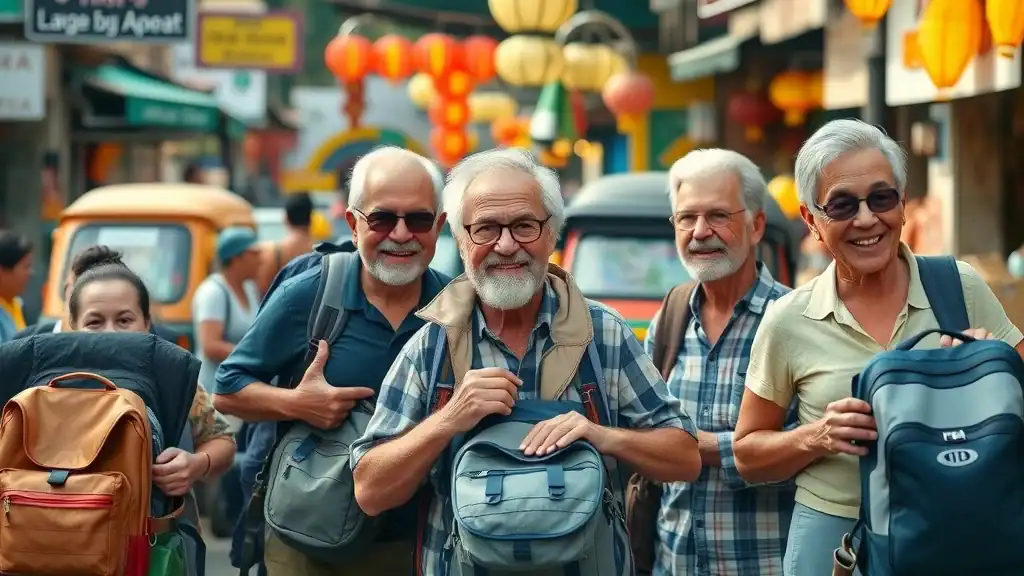
Many people mistakenly believe that backpacking in Southeast Asia is the exclusive domain of gap year students or twenty-somethings. In reality, this diverse corner of the world is an ideal playground for mature adventurers seeking more than just souvenirs. Southeast Asia offers gentle pacing, flexible itineraries, affordable comforts, and cultures that revere elders. Cities like Chiang Mai and Luang Prabang are safe, welcoming, and brimming with hidden stories. Whether you’re reliving the magic of your first travels or fulfilling a lifelong dream, the southeast asia backpacking guide empowers travelers over 50 to create their own unique blend of adventure and relaxation. With a focus on discovery, community, and authentic experiences, Southeast Asia makes it easy for retirees, solo explorers, and couples to craft journeys that rejuvenate body and soul—no matter your pace or style.
How the Southeast Asia Backpacking Guide Connects Travelers Across Generations
One of the delights of backpacking in Southeast Asia is the vibrant mix of fellow explorers you’ll meet along the way. This asia backpacking guide doesn’t just bridge borders—it bridges generations. From local guides eager to share heritage tales, to millennial digital nomads swapping travel hacks, and retirees trading wisdom over cups of Vietnamese coffee, backpacking Southeast Asia is an exercise in cross-cultural and intergenerational exchange. The region’s generous hospitality, coupled with a growing community of mature backpackers, means that age is simply a number—and adventure is truly ageless. By following this guide, you’ll learn not just how to get from point A to B, but how to build lasting friendships and meaningful memories no matter your background.
What You’ll Learn From This Southeast Asia Backpacking Guide
- Insider travel tips for mature backpackers
- How to choose top destinations and backpacking routes in Southeast Asia
- Essential health, safety, and travel insurance considerations
- Street food and cuisine you can’t miss
- Smart packing and budgeting strategies for longer journeys
Planning Your Southeast Asia Backpacking Guide: Travel Tips & Hacks
Mastering a trip with this southeast asia backpacking guide starts with smart, informed planning. Pick a few travel tips that suit both your comfort needs and your desire for authentic experiences. Mature backpackers benefit from listening to their bodies, pacing their journeys, and using local resources to streamline travel. Prioritize flexibility: build in rest days, alternate between bustling cities and relaxing nature escapes, and leverage the wisdom of locals you meet en route. For those 50+, safety and comfort don’t have to mean missing out on adventure—think modest upgrades, like private train berths or boutique hostels, that keep travel thrilling but not taxing. Always research accommodation ratings, consider reviews from fellow senior travelers, and embrace local transit—it’s safe, and often the best window into regional culture.
Selecting Your Southeast Asia Backpacking Route: Recommended Itineraries
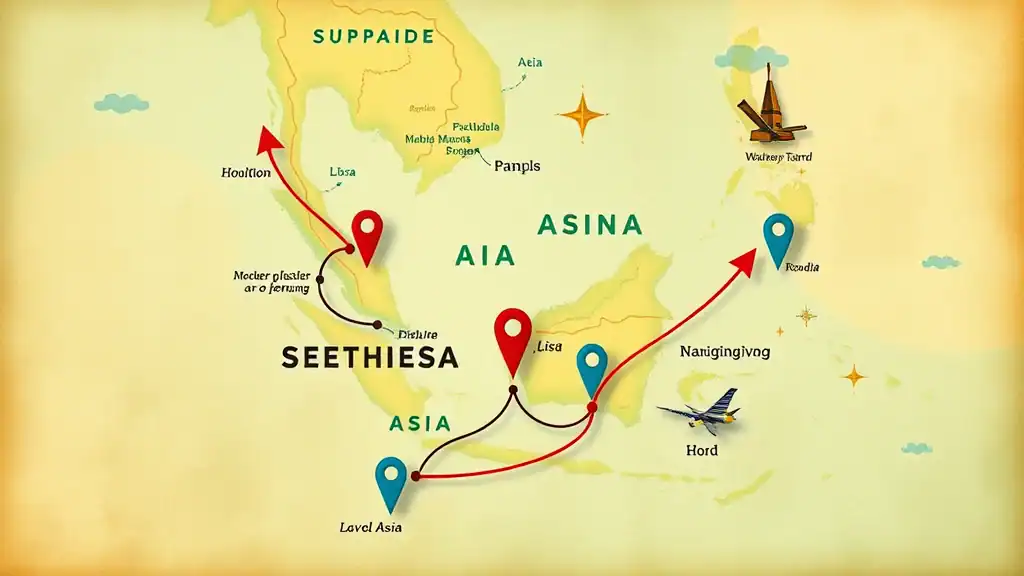
Even the best backpacking trip begins with mapping out your personal backpacking route. Southeast Asia’s classic “banana pancake trail”—named after the favorite snack of travelers—connects safe, vibrant, and lively locations ideal for both first-timers and repeat visitors. Key stops (Chiang Mai in Thailand, Luang Prabang in Laos, Ho Chi Minh City in Vietnam, and more) offer loads of comfort, accessibility, and culture. For the over-50 adventurer, consider slowing your pace, spending a few days in each city or market town to truly soak it in. Interested in wildlife or quiet beaches? Carve space for northern Thailand’s jungles or the serene coasts of Cambodia and Malaysia. Always plan in buffer days for spontaneous side-trips—because sometimes the best discoveries aren’t in any guidebook.
| Duration | Route Highlights | Recommended for |
|---|---|---|
| 2 Weeks | Bangkok → Chiang Mai → Luang Prabang → Hanoi | First-time visitors, culture and food lovers |
| 1 Month | Bangkok → Angkor Wat (Siem Reap) → Phnom Penh → Ho Chi Minh City → Hoi An → Hanoi → Halong Bay | History buffs & city explorers |
| 2–3 Months | Full “Banana Pancake Trail”: Chiang Mai → Vang Vieng → Luang Prabang → Hanoi → Laos countryside → Cambodia → Southern Vietnam → Thai islands | Slow travelers, retirees, cultural immersion |
Must-See Stops: Chiang Mai, Luang Prabang, and More
For a truly rewarding backpacking southeast asia experience, focus on must-see cities and regions that blend comfort with color. Chiang Mai, the spiritual northern heart of Thailand, is famed for its Old City temples, night markets, and nearby elephant sanctuaries—making it a favorite with all ages. Luang Prabang in Laos charms with its laidback riverfront, French colonial architecture, and early-morning monk processions. Don’t skip Ho Chi Minh City, with its layered history and thriving café culture, or Siem Reap for mystical sunrise views at Angkor Wat. If you prefer tranquil islands, the Thai south offers perfect downtime, while Malaysia’s Penang and Cambodia’s Kampot inject flavor, arts, and adventure into your itinerary. Each stop offers ways to recalibrate—soak up new stories, sample street food, and unwind in stylish yet affordable comfort.
Unforgettable Experiences: Jungle Trekking and the Banana Pancake Trail
What transforms a backpacking trip into an unforgettable memory? Hands-on activities. Join a jungle trekking expedition outside Chiang Mai, where mature guides know how to pace the adventure for every ability and interest. Explore river caves by bamboo raft, spot wildlife in Laos or northern Malaysia, or unwind on the famous Banana Pancake Trail—so named for the iconic treat served de rigueur to weary travelers. This loosely connected trail of cities invites every kind of exploration, from artisan workshops in Luang Prabang, to waterfalls in Vang Vieng, to market nights in Hanoi. Along the way, don’t be surprised if you’re invited to join local festivals—Southeast Asia’s infectious energy doesn’t discriminate by age. Here, wisdom and wanderlust go hand in hand, making every trail richer, every meal tastier, and every encounter more meaningful.
Budgeting for Your Southeast Asia Backpacking Guide
It’s no secret that Southeast Asia delivers immense value, especially for those seeking longer journeys or comfort on a modest retirement income. The southeast asia backpacking guide gives you the tools to travel longer, see more, and worry less about your wallet. Daily costs vary between countries and travel styles, but generally, you’ll spend less than in most parts of the world. Mature backpackers can enjoy private rooms, upgraded trains, and unique tours without breaking the bank. Always set aside funds for emergencies and indulge occasionally—it’s your adventure after all! A focus on local transportation and eateries, alongside savvy use of travel rewards and off-season deals, means you can immerse more deeply without sacrificing safety or comfort.
How Much Money Do You Need to Go Backpacking in Southeast Asia?
The true cost of your backpacking southeast asia adventure depends on choices: destination, season, and privacy preferences. That said, a typical daily budget for backpackers is $30–$70 per day. Mature travelers or retirees, who might prefer more comfort, appreciate allocating $50–$100 daily—a range that includes private rooms, healthy street food, and reliable transport. Big cities like Bangkok, Kuala Lumpur, or Ho Chi Minh City are slightly pricier, but rural Laos and Cambodia offer surprising bargains. Always budget for unforeseen opportunities, outings, and insurance. Travel off-peak, leverage discounts for seniors (yes, they’re often available!), and use local currency for the best deals.
Cost Breakdown: Accommodation, Transportation, and Street Food
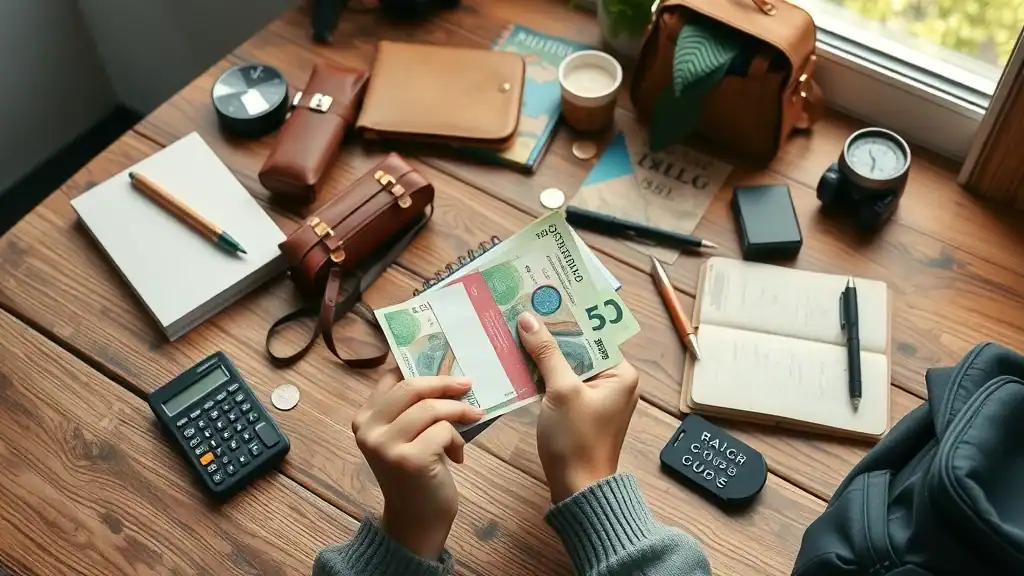
To stretch your budget, break down major spending categories. Accommodation ranges from social hostels to boutique hotels and comfortable guesthouses. Transportation like trains, buses, or local flights can be both affordable and scenic. But it’s street food that delivers the best flavor-for-dollar ratio—and is often fresher than in upscale restaurants. Save on tours by booking locally and avoid commission-heavy tourist stands. Many attractions—temples, markets, hiking trails—are either free or cost only a few dollars. Mature travelers can also enjoy package deals on train tickets or guided group activities. Above all, approach budgeting as an opportunity to experience the southeast asia backpacking journey more deeply, spending on what matters most to your adventure.
| City | Accommodation | Street Food | Transport | Total (USD) |
|---|---|---|---|---|
| Bangkok | $12–25 | $5–10 | $3–8 | $30–55 |
| Chiang Mai | $10–20 | $4–8 | $2–5 | $22–43 |
| Ho Chi Minh City | $15–25 | $5–9 | $2–7 | $27–51 |
| Luang Prabang | $9–18 | $3–7 | $1–4 | $16–29 |
| Phnom Penh | $8–18 | $3–6 | $2–6 | $13–30 |
Money-Saving Travel Tips Only Local Backpackers Know
For the most authentic experience, tap into local backpacker wisdom. Shop at fresh markets, where prices are lower and food is memorable. Choose public transportation over taxis—metro lines in Bangkok or motorbike taxis in smaller towns cost less and offer richer stories. Inquire about discounts for long stays in hostels or boutique hotels. Book tours and tickets directly through your accommodation or local operators, skipping third-party markups. In cities like Ho Chi Minh City or Kuala Lumpur, use ride-share apps to get fair prices, and always confirm fares before hopping into a tuk-tuk. Seasoned travelers also recommend learning a few local phrases—everyone appreciates the effort, and you’ll often be welcomed as a guest, not just a tourist.
Choosing Accommodation: Southeast Asia Backpacking Guide Essentials
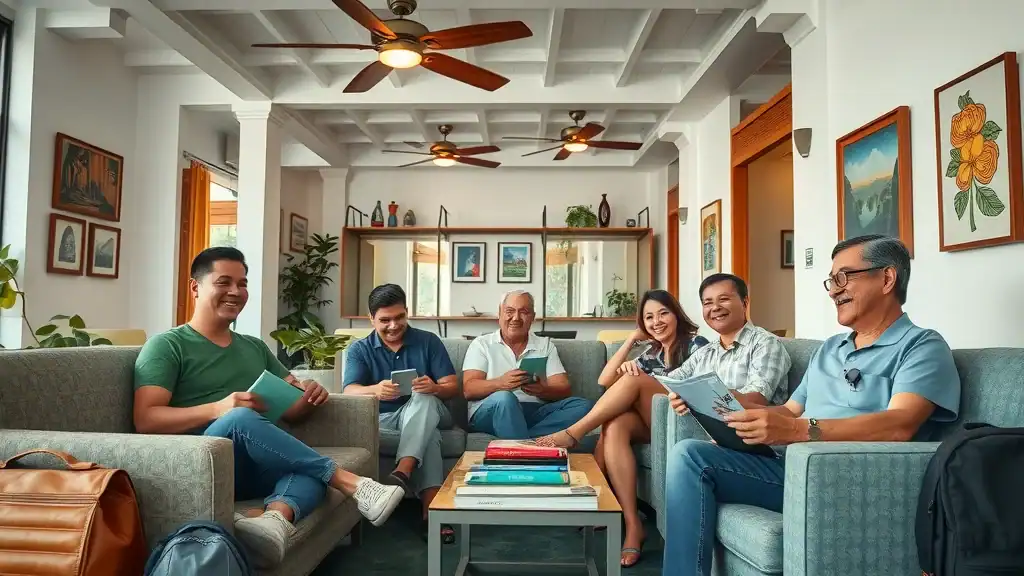
Finding the right place to lay your head is one of the most important elements of the southeast asia backpacking guide, especially for travelers over 50. Options abound: from lively hostels that foster community, to boutique hotels offering a tranquil retreat, to unique homestays where you can learn from locals. The hospitality industry in Southeast Asia is renowned for its warmth, and many guesthouses cater specifically to more mature backpackers, with quieter rooms, social lounges, and staff who go the extra mile. Always double-check accessibility, safety, and reviews from fellow senior travelers, and don’t be afraid to ask about amenities like elevators or luggage storage.
Best Hostel and Hotel Options for 50+ Backpackers
Contrary to stereotype, hostels in Southeast Asia are not just for the young. Many now feature private rooms and quiet communal areas—perfect for socializing without sacrificing comfort or privacy. Cities like Bangkok, Chiang Mai, and Siem Reap showcase hostels tailored for all ages, complete with garden courtyards and local art. For added comfort, consider mid-tier boutique hotels, where rates are reasonable but services are elevated, or comfortable homestays that offer local flavor and community connection in every stay. Wherever you land, prioritize locations close to markets and transport—this ensures safety and enriches your experience.
Homestays, Boutique Hotels, and Unique Stays Along Your Backpacking Route
For mature travelers seeking genuine local encounters, homestays are a fascinating option, especially along rural routes in Chiang Mai, Luang Prabang, or central Vietnam. Boutique hotels often blend modern comforts with regional style, while “eco-resorts” near jungles or beaches are perfect for unwinding after a trekking adventure. Don’t overlook local guesthouses, where language barriers melt away over a shared meal, and hosts can suggest hidden gems not found in any travel guide. Many accommodations are listed on major platforms and can be filtered for amenities like air conditioning, lifts, or private baths—allowing you to craft a restful, personalized journey wherever you roam.
Booking Platforms and Travel Guide Resources
Use trusted booking sites such as Booking.com, Agoda, and Hostelworld to explore the best accommodation options, filtering for reviews from mature travelers. For homestays and boutique finds, Airbnb and Agoda Homes are popular. Local travel blogs and regional forums are also rich with up-to-date recommendations, especially for last-minute deals or family-run gems. Remember, the wisest asia backpacker will always double-check cancellation policies, security measures, and real guest photos before confirming any reservation.
- Recommended hostel chains in Southeast Asia
- Platforms for finding boutique accommodation
- Safety tips for solo and senior backpackers
Getting Around: Travel Guide to Transport in Southeast Asia Backpacking
Navigating diverse landscapes is half the thrill of any backpacking southeast asia trip. Southeast Asia’s extensive transport network offers endless ways to explore—from modern trains to scenic buses, slow boats, tuk-tuks, and local flights. For mature travelers, prioritizing comfort and reliability often means booking train journeys in advance or opting for VIP bus services, which feature larger seats and fewer stops. Regional airlines are safe and affordable for covering longer distances in a pinch, while ferries bring adventure between islands and coasts.
Planes, Trains, Buses, and Boats: What Works Best?
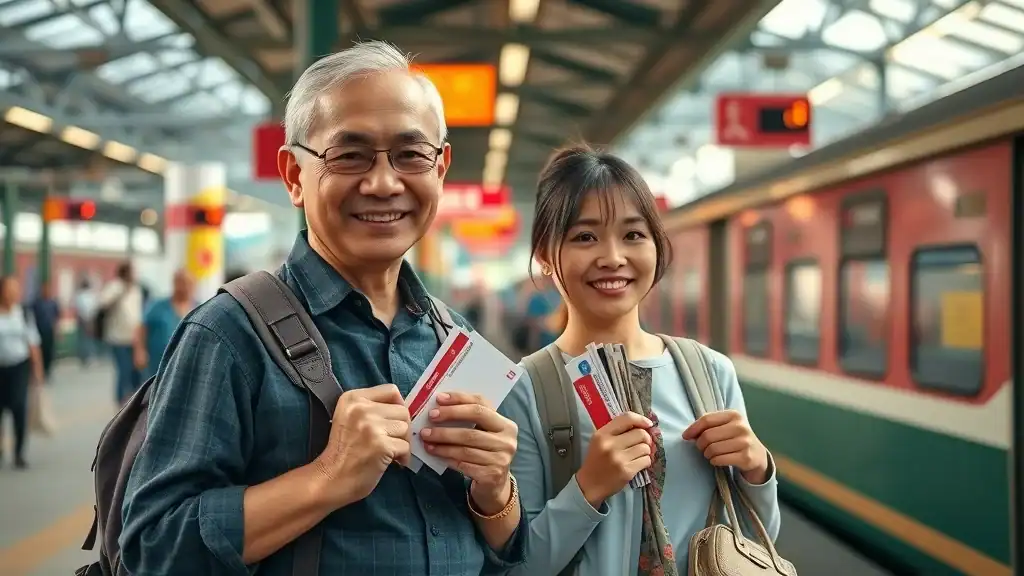
Train travel is often the highlight for mature asia backpackers; the overnight journey from Hanoi to Hue, or the classic Bangkok to Chiang Mai line, is both comfortable and scenic. Buses run nearly everywhere, but opt for “VIP” or “Express” options where available for air-conditioning and better rest. Regional flights—such as Bangkok to Siem Reap—are affordable and a boon for those wishing to skip long overland hauls. Local ferries and boats in Thailand, Cambodia, and Malaysia make for relaxed, scenic transfers. For shorter trips, ride-sharing services like Grab (in cities) and metered taxis still offer the best safety and prices. Mature travelers should always prioritize direct routes, reputable carriers, and communicate any mobility needs up front for a seamless ride.
Asia Backpacking Train Experiences and Scenic Routes
Trains in Southeast Asia are more than just transport—they’re destinations in themselves. The sleeper between Bangkok and Chiang Mai is legendary, with cozy berths, social dining cars, and dawn views of northern Thailand’s misty hills. For the adventurous, Vietnam’s Reunification Express snakes from bustling Ho Chi Minh City to Hanoi, offering glimpses of rice paddies, rivers, and village life. In Laos and Cambodia, newer lines and cross-border trains are opening up even more relaxed travel options—each with its own charm and opportunity for cultural connection. For those seeking comfort, opt for private cabins or first-class seats whenever possible, especially on longer night journeys. Train staff are used to helping foreign travelers, and you’ll have plenty of time to swap stories with both locals and fellow backpackers.
Travel Hacks for Booking and Navigating Public Transit
Booking tickets early—especially for night trains or ferries during peak seasons—guarantees the best rates and seating. Many seniors find success using local apps (such as 12Go Asia) to compare prices and schedules; these platforms frequently offer English-language support and allow e-tickets for added convenience. Carry a printed itinerary and keep copies of important documents, as some rural routes still require paper tickets. Third, always clarify your destination with drivers or staff, and embrace patience—public transit in Southeast Asia runs on local time, which is part of the region’s unique rhythm. If ever in doubt, friendly station attendants and fellow travelers are more than willing to lend a helping hand.
“Sometimes the journey teaches you a lot about your destination.”
Southeast Asia Backpacking Guide to Must-Try Street Food
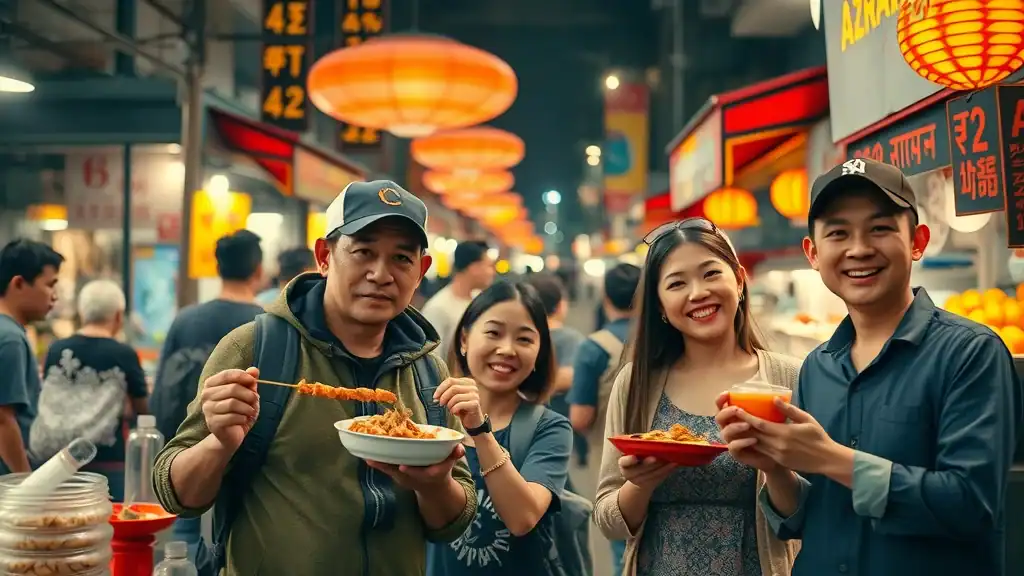
Few experiences encapsulate the spirit of backpacking Southeast Asia like diving into a bustling market or night bazaar, savoring flavors you can’t find elsewhere. Street food is more than sustenance—it’s a lesson in local culture, history, and hospitality. Dishes change region by region, but common threads include bold spices, fresh herbs, and communal tables overflowing with laughter. For mature travelers, sampling street food isn’t just safe but essential: look for busy stalls with high turnover and enjoy sitting elbow-to-elbow with locals and fellow backpacking trip enthusiasts.
Top Southeast Asia Street Food Dishes for Adventurous Eaters
Whether you’re a fan of spicy, sweet, or savory, the street food scene offers endless surprises. Don’t miss Thailand’s famous pad thai or mango sticky rice; Vietnam’s crispy banh xeo or fragrant pho; Laos’ lemongrass-laden larb; Cambodia’s amok curry; and Malaysia’s Penang laksa. For the adventurous palate, grilled meats, fresh tropical fruit, and delightful sweets abound. The iconic banana pancake—a gooey treat synonymous with backpacking—originates in Thai and Laotian markets, but can be found all along the banana pancake trail. Always start with small servings and ask vendors about spice levels. Remember, eating local not only supports communities but also brings you closer to the true heart of Southeast Asia.
Where to Find the Best Banana Pancake, Banana Pancak, and Local Delicacies
Ready to embark on your own flavor odyssey? The best banana pancakes are usually served at lively, traveler-filled markets in Chiang Mai, Luang Prabang, and Vang Vieng—each stall infusing their batter with family secrets. For tried-and-true classics, Ho Chi Minh City’s Ben Thanh market and Penang’s Chulia Street rank high among asia backpacker favorites. For deeper regional specialties, head to Laos’ riverside grills, Hoi An’s ancient alleyways, or the food courts of Kuala Lumpur. Many local guides also offer small-group food tours, providing context and safety while making every bite an education.
| City | Must-Try Street Foods | Best Market/Street |
|---|---|---|
| Chiang Mai | Khao Soi, Banana Pancakes, Mango Sticky Rice | Sunday Walking Street Market |
| Luang Prabang | Buffet Night Market, Laos Sausages, Grilled River Fish | Night Market on Sisavangvong Rd |
| Ho Chi Minh City | Banh Mi, Pho, Spring Rolls | Ben Thanh Market |
| Penang | Char Kway Teow, Nasi Kandar, Penang Laksa | Chulia Street Night Hawker Food |
| Vang Vieng | Banana Pancakes, BBQ Skewers | Main Street Night Stalls |
- Iconic street food markets travelers over 50 love
- Foods to try based on dietary needs
- Street food etiquette tips
Southeast Asia Backpacking Guide: Health, Safety, and Travel Insurance
Safety and health are the foundation for a memorable backpacking southeast journey, especially among mature travelers. The region is generally very safe, but following smart travel tips, routine vaccinations, and choosing the right insurance helps ensure a worry-free trip. Seek out modern clinics in major cities, keep a list of local emergency contacts, and download trusted health apps to manage medications or translate prescriptions. As always, prioritize vigilance with food cleanliness, water sources, and personal belongings.
Is Southeast Asia Safe for Backpackers? Answers for Senior Travelers
Southeast Asia is known for its welcoming communities and low rates of violent crime. Friendly locals, a strong tourism infrastructure, and dependable transportation options make it ideal for everyone, including those 50 and older. Stay vigilant in crowded places, use anti-theft gear when necessary, and avoid isolated areas after dark. For solo travelers, consider small group tours for both camaraderie and safety. Should minor illnesses occur, pharmacies and clinics are widespread in big cities and even most small towns.
Travel Vaccinations, Clinics, and Staying Healthy
Stay ahead of travel bugs by consulting your doctor prior to departure for vaccinations against hepatitis, typhoid, and Japanese encephalitis where relevant. Some clinics in Southeast Asia specialize in expat care, with English-speaking staff who understand the needs of older travelers. Always bring copies of prescriptions and pack extra medication in case of delays. Stay hydrated (bottled water is recommended throughout the region), eat at busy street stalls, and take time to rest after long journeys. Adhering to these practices is the best medicine for a worry-free trip.

Choosing and Using the Right Backpacking Southeast Asia Travel Insurance
Trustworthy travel insurance is non-negotiable. Look for coverage that includes trip interruptions, medical emergencies, lost luggage, and repatriation. Mature travelers should ensure pre-existing conditions are covered and consider providers recommended in region-specific forums or by expat communities. Apps like SafetyWing or World Nomads simplify online claims and provide 24/7 traveler support. Always carry a digital and hard copy of your insurance policy and know how to contact help quickly in all countries on your route.
- Emergency contacts for major Southeast Asia countries
- Apps and tools for traveler wellbeing
- Tips for managing medications and health on the road
Packing Smart: Southeast Asia Backpacking Guide Checklist
Packing wisely is both an art and a safeguard for mature travelers exploring Southeast Asia. Consider local climate, diverse activities, and the realities of long transit days. Lightweight, versatile clothing, solid walking shoes, and a small medical kit top the list. Essential travel documents—including digital copies—should be stored separately from your passport. Mindful packing ensures a stress-free journey, allowing you to adapt to spontaneous trips from jungle trekking in northern Thailand to city strolls in Kuala Lumpur.
What to Pack for a Comfortable Southeast Asia Backpacking Trip
Key packing advice: less is more. Stick to a color-coordinated wardrobe that transitions from city markets to temple visits. A wide-brim hat, mosquito repellent, and a sturdy daypack are must-haves. Don’t neglect small comforts, like compression socks for flights or a collapsible walking stick for uneven hiking trails. Mature travelers often benefit from packing a lightweight rain jacket, reusable water bottle, and backup mobile charger. Leave big suitcases at home—carry-on backpacks make for easier bus transfers, boat rides, and city wandering.

- Must-have gear for 50+ backpackers
- Travel documents and digital essentials
- Packing tips for diverse climates and long stays
Backpacking Southeast Asia: Culture, Language, and Local Etiquette
Navigating the region’s vibrant cultures, languages, and customs is a highlight of the southeast asia backpacking guide. Politeness, nonverbal communication, and cultural curiosity go a long way—smiles really are the universal language here. Most locals appreciate efforts to learn simple greetings, and missteps are usually greeted with good-natured laughter. Dress modestly for temple visits, remove shoes before entering homes, and always ask before taking photos, especially of people or sacred sites.
Respectful Communication and Dealing with Language Barriers
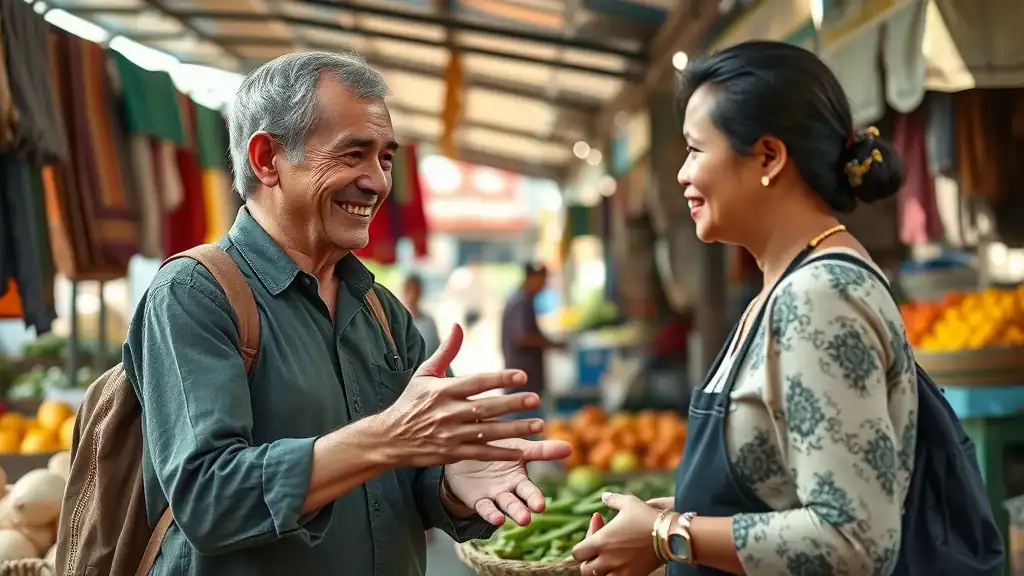
While English is widely spoken in tourist areas, knowing a few words in Thai, Vietnamese, Lao, or Khmer will open many doors. If in doubt, use translation apps or simple gestures. The key is patience and humility—locals are remarkably understanding and genuinely eager to share their world with respectful visitors. When language fails, visual guides or written notes can help. Always carry your accommodation address in the local script and a contact number for emergencies.
Staying Connected with Family and Fellow Asia Backpackers
Staying in touch is easier than ever, thanks to affordable local SIM cards, widespread Wi-Fi, and communication apps like WhatsApp, LINE, or WeChat. Many mature travelers join online forums or social media groups dedicated to asia backpacking for support, advice, and local meetups. Hostels and hotels across the region increasingly cater to digital needs, offering coworking areas and community boards. Share highlights, organize group outings, and coordinate with loved ones back home—all with a few taps.
Participating in Local Festivals and Events
Southeast Asia’s festival calendar is packed: witness Songkran water festivities in Thailand, lantern-lit Lao New Year, or Cambodia’s Pchum Ben ancestor days. Participating in local events offers mature travelers unparalleled cultural insight and the chance to join in celebrations side by side with locals. Keep an eye out for posters or ask hotel staff for upcoming events—these moments often become the highlight of any asia backpacking adventure.
Hidden Experiences: Southeast Asia Backpacking Guide for Off-the-Beaten-Path Adventures
Rediscover the sense of raw exploration by venturing beyond the well-trodden Banana Pancake Trail. Secret beaches, forgotten temples, and wild jungle paths await those with a curious spirit and a bit of flexibility. Many mature travelers rate these quieter places as their most meaningful travel experiences—where the only background noise is waves, birdcalls, or distant temple gongs.
Secret Beaches, Jungles, and Temples in Southeast Asia
Set your sights on Cambodia’s Koh Rong Samloem, Vietnam’s Con Dao Islands, or the Karst cliffs of Laos for solitude and natural beauty. Trek through the rainforests of Malaysia’s Taman Negara, seek forgotten temple ruins near Siem Reap that see few tourists, or charter a slow boat for a secluded journey on the Mekong. These less-visited stops are ideal for those seeking calm, reconnection with nature, or simply avoiding crowds, and they prove that every age is the perfect age for adventure.

Hands-On Activities: Jungle Trekking, Wildlife Safaris, and Cultural Encounters
Deepen your connection to the region by joining a sustainable wildlife safari in Borneo, volunteering with elephant rehabilitation in Chiang Mai, or participating in meditation retreats in Laos. Jungle trekking tours often accommodate various fitness levels—just inform guides of mobility needs in advance. Sharing rice harvests, taking part in cooking classes, or homestaying in a village bring rich human connections few tourist itineraries can match. Item by item, your backpacking southeast checklist becomes a cherished collection of stories and skills.
“Adventure is worthwhile in itself.” – Amelia Earhart
Staying Connected: Technology and Apps for Southeast Asia Backpacking
Today’s asia backpacker relies on more than gut instinct—travel apps and tech tools help you navigate, communicate, and manage every leg of your journey. For mature travelers, this means carrying less paper, accessing instant translation, and arranging bookings on the go. Download offline maps, keep digital backups of all documents, and set up emergency contacts on your devices for additional security.
Must-Have Travel Apps for Southeast Asia Backpacking
Key tools include Google Maps (offline), 12Go Asia (tickets), XE Currency (money conversion), and Grab (transport). For communication and translation, try Google Translate or iTranslate, which both offer offline modes. WhatsApp, LINE, and Facebook Messenger are the most commonly used for group chats and keeping in touch with loved ones back home. Consider a password manager and a mobile VPN for additional digital safety while using public Wi-Fi.
Data, SIM Cards, and Wi-Fi on Your Backpacking Route
Local SIM cards are inexpensive and available at airports or convenience stores throughout Southeast Asia. Popular carriers include AIS (Thailand), Viettel (Vietnam), and Smart (Cambodia). Always verify if your phone is unlocked and compatible. Wi-Fi is common in hotels, hostels, and cafés, but for off-the-grid locations, consider a portable Wi-Fi router or ensure your SIM covers roaming across borders. Make sure to update loved ones on your whereabouts, especially when traveling rural stretches.
- Best translation apps for travelers
- Offline mapping tools
- Social media groups for mature Asia backpackers
Southeast Asia Backpacking Guide: Fitting In Relaxation and Leisure
Adventure is sweet, but balance keeps the journey sustainable. Take time for wellness—spa visits, soft-sand beaches, yoga retreats, or simple afternoon tea in a leafy garden café. Mature backpackers often build in “slow days” to recharge, journal, and reflect. Whether you seek the solace of river cruises, a hands-on Thai massage, or the camaraderie of group cooking classes, Southeast Asia brims with opportunities to deepen both body and spirit.
Best Spas, Retreats, and Wellness Options
Thailand and Bali are global spa capitals, with luxury treatments at a fraction of Western prices. Consider multi-day wellness retreats, meditation and mindfulness classes in Chiang Mai, or herbal steam baths after jungle trekking. These restful pauses enrich your adventure and cultivate the presence to truly savor each new encounter.
Leisure Activities for Senior Asia Backpackers
If active pursuits aren’t your thing every day, consider river cruises in Laos, tuk-tuk tours of Phnom Penh markets, or a painting class in Hoi An. Many cities have expat clubs and cooking schools that welcome all ages, as well as casual group excursions to local sites. Connecting with other 50+ travelers not only adds fun—it fosters a sense of community throughout your adventure.
Mindfulness and Staying Present While Traveling
Amid the excitement, don’t forget to simply be present: linger over sunset views, keep a daily journal, or sit quietly in a bustling temple square. Mindful moments foster resilience and gratitude, keeping every twist and turn of your southeast asia backpacking guide a true joy no matter how many countries or years you cross.
People Also Ask: Southeast Asia Backpacking Guide
How much money do you need to go backpacking in Southeast Asia?
The amount of money you need for your Southeast Asia backpacking adventure varies based on country, travel style, and personal preferences. Typical travelers spend between $30 to $70 per day including accommodation, street food, transportation, and activities. For retirees or those over 50 desiring more comfort, budgeting $50–$100 daily offers greater flexibility.
How long do I need to backpack Southeast Asia?
Southeast Asia backpacking trips often range from two weeks to six months. A thorough exploration of major highlights can be achieved in 4–8 weeks, but longer stays allow deeper cultural immersion and a flexible, comfortable pace—ideal for mature travelers.
What is the best way to backpack in Southeast Asia?
The best way to utilize a southeast asia backpacking guide is to blend organized tours with independent travel. For age 50+ backpackers, combining city exploration, local guides, comfortable trains/buses, and periodic small group tours yields a safe and rewarding experience.
Is Southeast Asia safe for backpackers?
Southeast Asia is generally very safe for backpackers, including those age 50 and above, with friendly locals and robust tourist infrastructure. As with any region, exercise caution with valuables and follow basic travel tips for health, street food hygiene, and transportation safety.
Southeast Asia Backpacking Guide: Frequently Asked Questions (FAQs)
- When is the best time to use this southeast asia backpacking guide?
- Are visas required for every country in Southeast Asia?
- How do you access healthcare on your backpacking trip?
- What’s unique about backpacking in East Asia compared to Southeast Asia?
- How to join community events en route
- Insurance providers recommended by mature travelers
- Overlooked packing items for seniors
Key Takeaways from the Southeast Asia Backpacking Guide
- Southeast Asia offers accessible, diverse adventures for backpackers over 50
- Emphasize health, safety, and community resources
- Plan leisurely to fully embrace local culture and cuisine
- Leverage travel tips and hacks for mature travelers
Email Us for Your Next Southeast Asia Backpacking Adventure
Email us atkevin@southeastasiainsider.comfor help with your next Asia Adventure
Conclusion: Embrace the journey—Southeast Asia backpacking is your invitation to rewrite your travel story at any age.