Did you know that millions of travelers every year miss out on Thailand’s hidden gems simply because they’re confused about the nation’s transport system? Whether you’re navigating bustling Bangkok, venturing into the hills of Chiang Mai, or ferrying between pristine islands, the sheer variety of Thailand transportation options can make or break your trip. In this comprehensive guide, you’ll uncover insider tips and essential know-how to breeze through your travels without a hitch—ensuring you can focus on adventure, not logistics.
Unlocking Transport in Thailand: Surprising Facts to Know
When most travelers picture Thailand, vivid images of white-sand beaches and vibrant night markets come to mind. Yet, what truly connects these experiences is the vast spectrum of transport in Thailand. From high-speed city rails to rustic tuk-tuks and efficient ferries, Thailand transportation options are as diverse as its landscapes. Statistically, the BTS Skytrain in Bangkok alone carries over 200 million passengers annually—a testament to both the country’s robust infrastructure and travelers’ desire for seamless mobility. But despite the options, common confusion leads many to miss affordable, unique, or more authentic routes. Being aware of what’s available and how to navigate these systems reliably opens the door to discovering lesser-known towns, such as Hua Hin or Krung Thep Aphiwat, and makes visits to iconic places, including the Thep Aphiwat Central Terminal or bustling Bangkok bus networks, significantly smoother. This is your playbook for unlocking, and mastering, every mode of Thailand transportation options.
What You’ll Learn About Thailand Transportation Options
- Comprehensive breakdown of Thailand transportation options for travelers
- Comparison of costs, convenience, and efficiency for different modes
- Expert tips to ensure stress-free travel in Thailand
- How to stay safe and avoid common transport scams
- Essential advice for popular cities like Bangkok and Chiang Mai
Thailand Transportation Options Overview: Navigating the Land of Smiles
Thailand offers a lively tapestry of transportation modes, perfectly woven to the needs of both explorers and locals. Whether you’re zipping through Bangkok by BTS or traveling by songthaew through Chiang Mai’s ancient lanes, your choices reflect the character of your journey. For lone adventurers, nimble options like motorcycle taxis offer quick navigation through traffic. Families and groups often prefer comfort-driven solutions like air-conditioned taxis, minivans, or modern trains stretching from the vibrant hub of Krung Thep Aphiwat Central Terminal to distant towns. From pristine islands accessed by ferries to the quiet corners connected by ordinary buses and minivans, Thailand transportation options are adaptable for every traveler’s needs, itinerary, and budget.
For even more practical advice on making your trip smoother, you might want to explore a collection of Thailand travel hacks that can help you avoid common pitfalls and maximize your experience. These tips are especially useful for first-time visitors navigating the country’s diverse transport landscape.
Comparing Transport in Thailand: A Table of Modes, Cost, and Comfort
| Transport Mode | Average Cost | Comfort Level | Best For | Availability |
|---|---|---|---|---|
| BTS/MRT | $1-2/ride | High | Urban Travel | Bangkok |
| Motorcycle Taxi | $1-3/ride | Moderate | Short trips | Widespread |
| Taxi/Grab | $2-8/ride | High | Door-to-door | Major cities |
| Tuk-Tuk | $2-6/ride | Moderate | Local flavor | Tourist spots |
| Buses | $0.5-5 | Varies | Budget travel | Nationwide |
| Minivan | $3-10 | Medium | Intercity | Tourist routes |
| Songthaew | $0.5-2 | Basic | Local and regional | Towns, Chiang Mai |
| Ferries | $1-20 | Varies | Island hopping | Coastal regions |
Public Transport in Thailand: Buses, Trains, and City Systems
Bangkok’s BTS Skytrain and MRT: The Heart of Urban Transport in Thailand
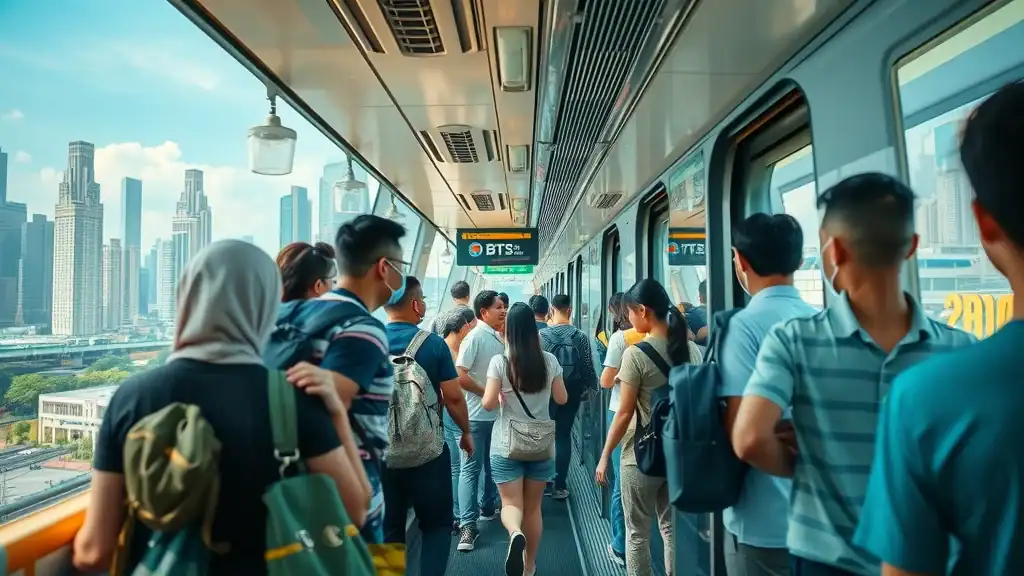
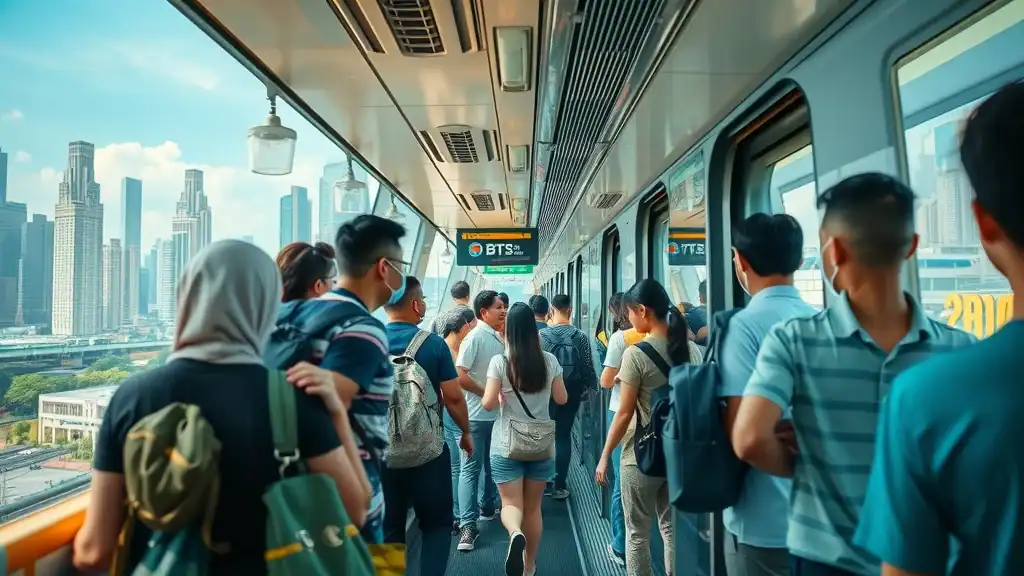
The BTS Skytrain and MRT systems form the backbone of public transport in Thailand’s capital, offering fast, dependable service across sprawling metropolitan Bangkok. These networks interlink major business districts, shopping havens, vibrant night markets, and historic landmarks with remarkable efficiency. Stations like Krung Thep Aphiwat Central and Thep Aphiwat Central Terminal facilitate easy transfers between the rail network and other modes of transport. For travelers, using a rechargeable Rabbit Card or MRT stored-value card reduces wait times and makes payment straightforward. Besides their convenience, BTS and MRT stations are air-conditioned, exceptionally clean, and well-signed in English and Thai, making navigation effortless, even for first-time visitors. With frequent trains and routes tailored around major tourist sites and Suvarnabhumi Airport, these rapid transit options embody the modern face of transport in Thailand.
National Railways: Exploring Thailand Transportation Options by Train
The State Railway of Thailand spans from Bangkok to Chiang Mai in the north, heading south toward the Malaysian border, and venturing out to the northeast provinces. Departing from stations like Thep Aphiwat Central Terminal, these trains are a popular option for travelers seeking comfort on long journeys, budget-friendly tickets, and a memorable window onto rural landscapes. Thai rail services offer various classes, including special express and sleeper carriages for overnight travel. Onboard, passengers find relaxed seating, fold-out beds, and the gentle rhythm of the countryside passing by. Train journeys are ideal for overland explorers, culture seekers, and families. Booking ahead—especially for peak seasons or long journeys, such as from Bangkok to Chiang Mai or southern beach towns (like Hua Hin)—is highly recommended, and tickets can be purchased online, at stations, or through reputable agencies.

Public Buses and Songthaews: Affordable Local Thailand Transportation Options
Buses and songthaews are a backbone for budget travel in Thailand, readily available across cities and rural areas alike. Urban travelers in Bangkok can choose from the extensive Bangkok bus system, with ordinary buses covering core routes and air-conditioned “class” buses offering added comfort for longer trips. Main bus terminals like Mo Chit and Ekkamai are the starting points for destinations nationwide, including the north (Chiang Mai), east (Pattaya), and south (Hua Hin and beach towns). In smaller centers, such as Chiang Mai, hearty songthaews—converted pickup trucks with benches—operate set local and regional routes with fares usually under $1. They’re distinctively painted, often in bright red or yellow, and serve as the main mode of transport within towns and suburbs. For those venturing beyond city centers, regional buses depart from central terminals, and travelers commonly use them for cost-effective access to lesser-known provinces and remote attractions. Always confirm your bus route and fares before boarding, and keep small change handy.
Motorcycle Taxis: Fast Thailand Transportation Options for Short Distances
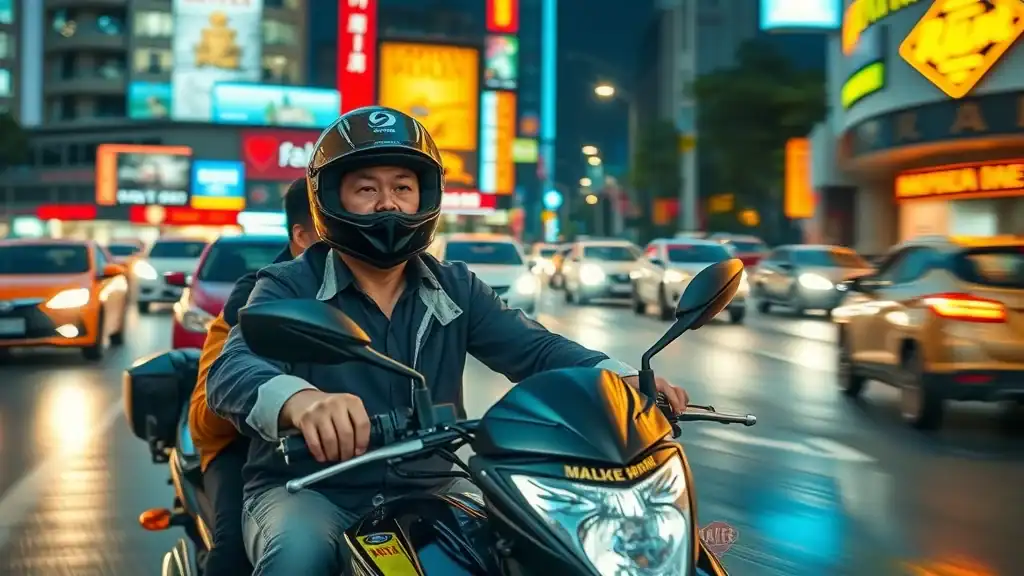
Motorcycle taxis are an unmistakable feature of urban life in Thailand. You’ll spot drivers—often in numbered, brightly colored vests—waiting on most corners in bustling areas like central Bangkok, Sukhumvit, or Chiang Mai Old Town. These agile rides are the go-to Thailand transportation options for those needing to beat traffic jams or reach places inaccessible to larger vehicles. Motorcycle taxis are especially popular for commuting short distances, such as from a BTS/MRT station to a hotel or between city neighborhoods after dark. Fares are inexpensive ($1-3 per ride), but it’s important to agree on pricing before hopping on. Helmets are provided for safety, and riders should keep personal belongings secure. While riding a motorcycle taxi is exhilarating and efficient, it may not be suitable for everyone—especially those with heavy luggage or traveling with children. However, for nimble, time-sensitive routes—especially in urban areas—they remain among the fastest and most flexible modes of transport in Thailand.
Tuk-Tuks and Songthaews: Iconic Local Experiences in Thailand Transportation Options
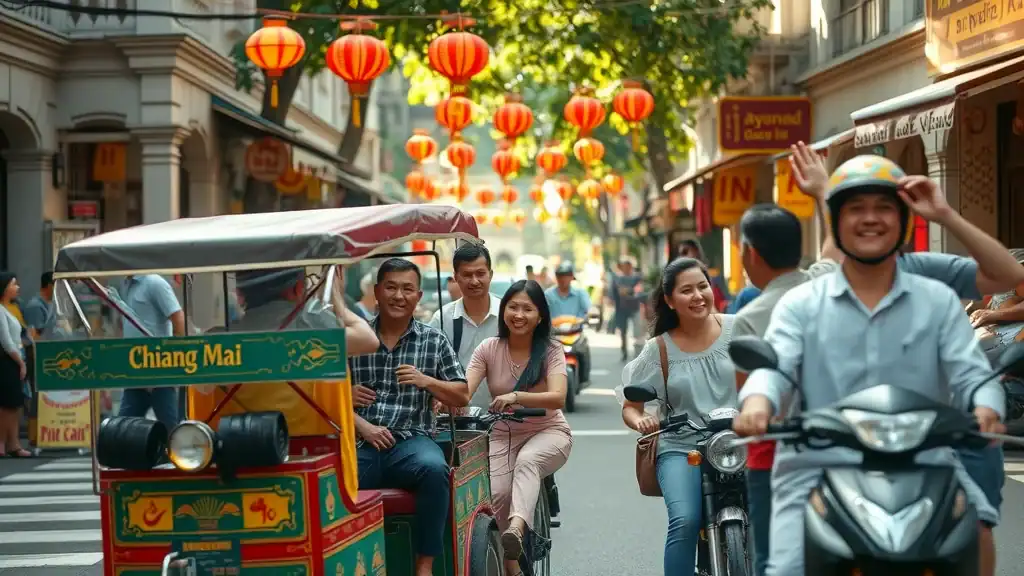
Nothing says “you’re in Thailand” quite like the whirr and jostle of a tuk-tuk. These three-wheeled, open-air vehicles are synonymous with Thailand’s vibrant culture, ferrying travelers through the bustling backstreets of Bangkok and the narrow laneways of Chiang Mai. Tuk-tuks, easily recognized by their colorful exteriors and friendly drivers, offer a sensory-rich journey that’s as much about the ride as the destination. Fares are generally negotiated in advance, and while not always the cheapest mode of transport in Thailand, the experience is unmatched for novelty and access to markets, temples, and nightlife. In regional towns and Chiang Mai, songthaews provide a shared-ride alternative, traveling fixed and customizable routes. These communal vehicles connect suburbs, popular city spots, and outer villages at rates appealing to all budgets. For travelers craving authentic, up-close exploration of city life and local neighborhoods, tuk-tuks and songthaews provide iconic journeys and lasting memories.

Private Transport in Thailand: Taxis, Rideshares, and Car Rentals
Taxi and Grab: Convenient Thailand Transportation Options for Door-to-Door Service
For travelers seeking comfort, air-conditioned taxis and Grab rideshares offer reliable, safe, and transparent door-to-door service across Thailand’s urban centers. In Bangkok, metered taxis are ubiquitous; just hail one curbside or book via the Grab app to avoid fare negotiation and language barriers. Grab is especially useful in both Bangkok and Chiang Mai, letting you book rides, track drivers, and pay cashless, all while enjoying set rates and route details upfront. Taxis are the preferred mode of transport for families, late-night returns, airport transfers (like Suvarnabhumi Airport), and travelers with luggage. Always ensure your taxi uses the meter—if not, agree firmly on a price before departure. Safety and comfort are top priorities, making this a popular option for getting around hassle-free, especially when navigating new cities or arriving late at large transportation hubs such as Thep Aphiwat Central Terminal.
Car and Motorbike Rentals: Independent Travel with Thailand Transportation Options
For ultimate freedom, renting a car or motorbike is a golden ticket to chart your own course around Thailand’s diverse regions. Car rentals are available at major airports, city centers, and tourist towns, with international and local companies providing a full range of vehicles. For city escapades or day trips in Chiang Mai and beach excursions in Hua Hin, motorbike rentals are widely available, offering nimble movement through traffic and scenic rural access. Before renting, understand local driving laws—an international driving permit is often legally required for both cars and bikes. Check insurance coverage, wear helmets when biking, and inspect the vehicle thoroughly with the agent. Navigating the Thai roads rewards careful, strategic drivers; traffic can be busy, particularly in the cities, so plan your routes with local advice, and always drive defensively. With the right preparation, you can access quiet rural areas, under-the-radar beaches, or hill country, making for a truly independent adventure.

Island and Regional Travel: Ferries, Domestic Flights, and Minivans
Ferries and Boats: Thailand Transportation Options for the Islands
Island-hopping is a highlight of any Thailand journey, and regular ferry services make reaching famous spots like Koh Samui, Koh Phangan, and Koh Phi Phi a breeze. Ferries range from basic local boats to high-speed catamarans, with companies operating from coastal nodes such as Surat Thani or Krabi. Many ferries are timed with train and bus arrivals, creating seamless connections, and advance bookings are recommended—especially in high season or for popular routes. Major operators offer ticket offices at piers, online sales, or bundled transport packages, making planning straightforward for even first-timers. Always use reputable companies for safety and service standards, and check schedules for weather and seasonal changes.
Domestic Flights: The Fastest Thailand Transportation Option for Long Distances
For sprawling itineraries, domestic flights provided by Air Asia, Nok Air, Thai Smile, and Thai Airways link all major cities, tourist regions, and even remote provinces. Flying is the fastest way to leap between north and south, or from Krung Thep Aphiwat in the capital to Suvarnabhumi International Airport, followed by a quick hop to Chiang Mai or Phuket. With competition among airlines, fares remain affordable and can be booked last-minute online or at airport counters. Budget carriers ensure no-frills, reliable service—with quick check-ins and frequent departures connecting you to adventure in under an hour. These flights are essential for travelers on tight schedules, and ideal for linking multiple destinations into a single, worry-free journey.
Minivans: Flexible Group Thailand Transportation Option
Minivans handle frequent routes between tourist hubs, airports, islands, and even out to rural areas. This Thailand transportation option is exceptionally popular among groups, families, and backpackers, given the low ticket cost and regular, hourly pre-scheduled departures. Minivans depart from central bus terminals, city squares, and designated stands near markets or malls. They typically accommodate 8–12 passengers and are favored for journeys to and from Chiang Mai, Hua Hin, Krabi, and other provincial centers. Booking tickets at kiosks or through online agencies can secure seats for busy periods, especially weekends or holidays. Expect basic comfort and limited luggage space, but count on efficiency and direct routes that rarely stop en route to your final destination.

Navigating Chiang Mai with Local Thailand Transportation Options
Chiang Mai is a traveler’s paradise, thanks to its manageable size and flexible mix of Thailand transportation options. Red songthaews crisscross the city, picking up and dropping off locals and travelers on demand. Rides around the Old City cost as little as $0.50–$1, providing an authentic window into daily life. Tuk-tuks remain a favorite for late-night market visits or quick rides to remote temples, while motorbike and bicycle rentals unlock day trips to surrounding hills, waterfalls, and villages. Public intercity buses depart for nearby provinces and tourist towns from Chiang Mai’s Arcade Bus Terminal, while Grab offers added comfort, transparency, and convenience. To make the most of transport in Chiang Mai, plan routes ahead, ask hotel staff for recommendations, and always confirm fares before starting your journey.
Safety, Etiquette, and Local Insights for Thailand Transportation Options
- How to avoid common scams: Arrange fares before rides, use metered taxis, and book only with licensed operators in bus terminals or online.
- Staying safe on motorcycle taxis and tuk-tuks: Always wear a helmet, hold on to personal items, and avoid rides if the driver appears intoxicated or the vehicle is in poor condition.
- Cultural etiquette when using public transport in Thailand: Queue respectfully, offer seats to elders and monks, and dress conservatively, especially on regional and railway journeys.
- What to do in case of emergencies: Know the nearest police station or call the tourist police (dial 1155) for assistance in urban or rural areas; station staff in bus or train terminals are usually helpful.
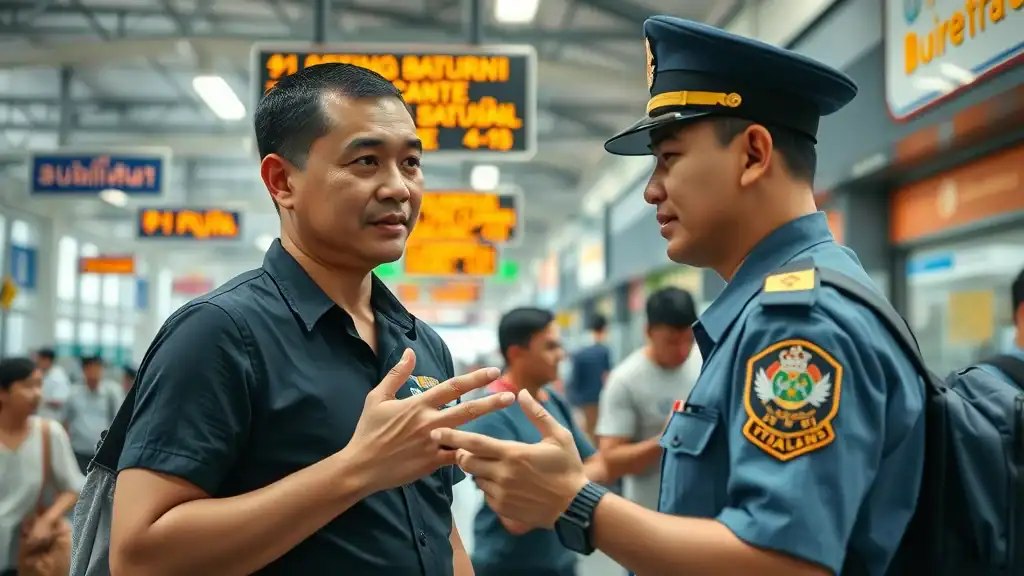
How to Choose the Best Thailand Transportation Options — An engaging, visually guided overview of Thailand’s transport choices, showcasing practical use of BTS, tuk-tuks, ferries, taxis, and safety tips. See authentic traveler experiences in Bangkok and Chiang Mai, with dynamic transitions to demystify your journey.
Traveling Sustainably: Eco-Friendly Thailand Transportation Options
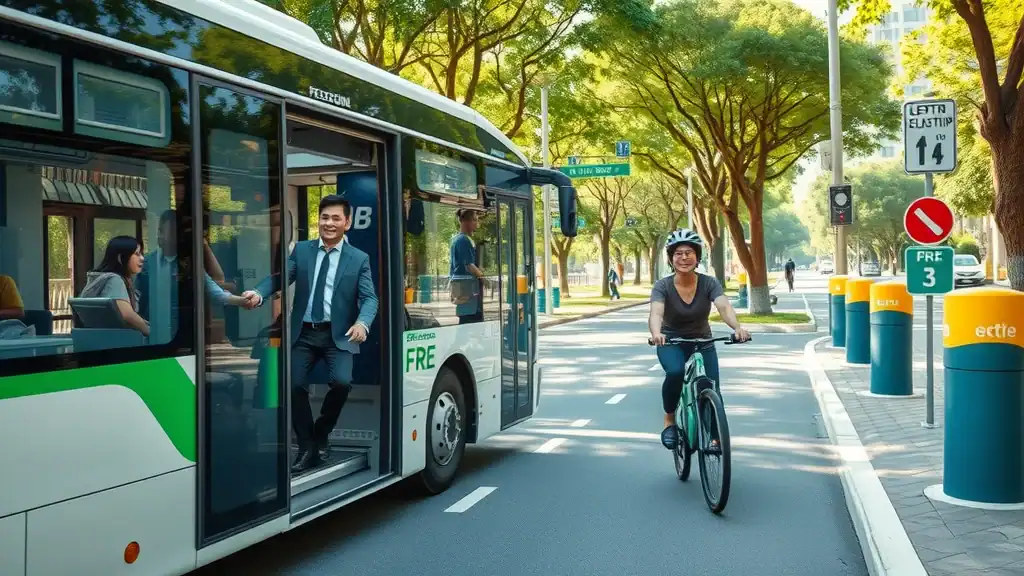
Modern Thailand transportation options are increasingly sustainable, supporting the nation’s green commitments and helping eco-conscious travelers reduce their carbon footprint. In Bangkok, the rollout of electric buses on key urban routes provides zero-emission alternatives for public commuters, while Chiang Mai’s bike-sharing programs offer scenic, healthy ways to navigate the city’s old lanes and riverside paths. Trains—especially the interprovincial rail network from Krung Thep Aphiwat—are an energy-efficient mode for long distances. Support environmentally friendly options whenever feasible: walk or pedal in city centers, ride electric vehicles, or choose ferry operators with modern, efficient boats. Each eco-smart choice supports Thailand’s vibrant landscapes and its standing as a model for sustainable travel in Southeast Asia.
Quotes from Travelers and Experts on Transport in Thailand
“Using Grab in Chiang Mai made traveling effortless. But nothing beats the fun of a tuk-tuk ride!” — Anna, Digital Nomad
“Thailand transportation options cater to every traveler – plan ahead to save time and stress.” — Michael Lee, Travel Consultant
List: Quick Tips for Mastering Thailand Transportation Options
- Download local transport apps before your trip
- Confirm prices before entering taxis or tuk-tuks
- Carry small change for public transport
- Use reputable ferry or flight companies for island connections
- Wear helmets when renting motorbikes
- Ask locals for advice in unfamiliar areas
People Also Ask About Thailand Transportation Options
What is the best way to travel around Thailand?
The best way to travel around Thailand ultimately depends on your route, timetable, and budget. For urban areas, the BTS, MRT, and city buses are highly efficient, while taxis and Grab offer flexible, comfortable city transit. For long distances, domestic flights or the State Railway of Thailand provide speed and scenic relaxation respectively. Ferries and minivans round out the country’s choices by connecting key island and provincial destinations with ease.
How much can $100 get you in Thailand?
With $100, you can cover several days’ worth of Thailand transportation options. Expect to spend just a few dollars per ride whether you’re using taxis, BTS/MRT, intercity buses, or even budget flights. This affordability ensures Thailand remains one of Southeast Asia’s most accessible destinations for travelers seeking value and variety.
What are the transport options in Thailand?
Thailand’s transport system covers the full spectrum: BTS, MRT, city buses, intercity trains, motorcycle taxis, tuk-tuks, songthaews, ferries, minivans, private taxis, Grab, and domestic flights. Each mode is tailored for different distances, traveler types, and trip goals, making it easy to customize your journey across the Land of Smiles.
What is the most common transportation in Thailand?
In city centers such as Bangkok and Chiang Mai, public transport (BTS/MRT, buses, songthaews) is standard. Taxis and tuk-tuks remain widely available throughout urban areas, and motorcycle taxis are particularly convenient for short hops and local commutes.
FAQs: Everything You Need to Know About Thailand Transportation Options
- When is the best time to book tickets for trains or ferries? Book early—especially around national holidays or major festivals—to secure preferred seats and schedules.
- Do I need an international driving permit in Thailand? Yes, an international driving permit is legally required for most car or motorbike rentals.
- Can I use transport apps like Grab in rural areas? Grab and other apps are mostly available in cities and larger towns; in rural areas, rely on taxis, songthaews, or local advice.
- Is public transport in Thailand safe at night? Generally safe in major cities, but always use licensed operators, avoid deserted stops, and stay alert.
- Are there discounts for children or seniors? Yes, reductions for children and seniors are common on trains, buses, and some local transport, so inquire when purchasing tickets.
Top Mistakes to Avoid When Using Thailand Transportation Options — Learn how to sidestep common errors like misunderstanding bus routes, not agreeing on tuk-tuk fares, or neglecting to book major intercity tickets during peak travel seasons. This video is a must-watch before your trip!
Key Takeaways for Planning with Thailand Transportation Options
- Plan routes ahead to save time
- Mix and match Thailand transportation options for the best efficiency and value
- Always check safety and licensing, especially for rented vehicles
- Public and private transportation each offer unique advantages—choose what fits your needs
Ready for Your Asia Adventure? Get Thailand Transportation Options Advice
Email us at kevin@southeastasiainsider.com for help with your next Asia Adventure.
If you’re inspired to explore even more of Southeast Asia, understanding transportation is just the beginning. For mature travelers or those planning a multi-country journey, there’s a wealth of strategic advice on navigating Southeast Asia travel with confidence and ease. Discover essential planning tips, cross-border insights, and ways to make your adventure seamless—no matter your age or experience level. Take your travel knowledge to the next level and unlock a smoother, more rewarding journey across the region.
Navigating Thailand’s diverse transportation landscape is key to a seamless travel experience. For a comprehensive overview of the various modes available, including buses, trains, and domestic flights, consider watching the video “Getting around Thailand: All the available transportation options.” This resource provides practical insights to help you choose the best options for your journey.
If you’re serious about exploring Thailand efficiently, these resources will equip you with the knowledge to navigate the country’s transportation system with confidence.