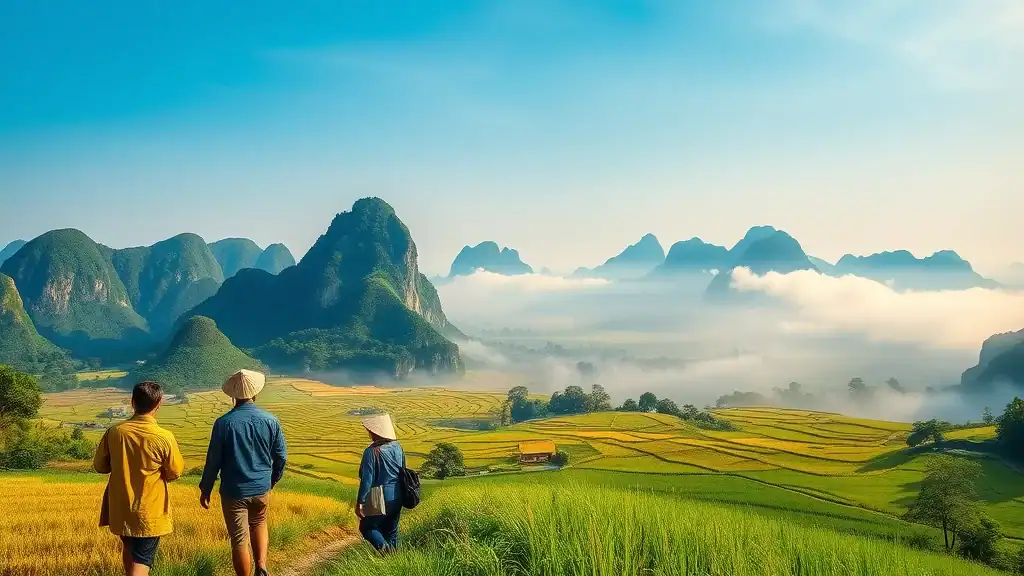
Did you know Vietnam hosts eight UNESCO World Heritage Sites—more than most countries worldwide? This Southeast Asian wonder isn’t just about mesmerizing landscapes—it’s a land brimming with history, vibrant street scenes, and warm, welcoming faces. If you’re looking to discover Vietnam beyond the usual postcard spots, this comprehensive guide reveals how to find the country’s most breathtaking viewpoints, delicious cuisine, and cultural treasures that even seasoned travelers overlook. Whether you crave adventure in the wild, crave authentic local experiences, or want to travel smarter, start your journey to discover Vietnam here.
Surprising Vietnam: A Country Full of Unexpected Treasures
“Did you know Vietnam hosts eight UNESCO World Heritage Sites—more than most countries worldwide?” – World Heritage Foundation
Vietnam’s reputation as a travel destination has soared, but look beyond the famed sights and you’ll discover Vietnam is home to countless hidden gems, each offering unexpected intrigue. While cities like Ho Chi Minh City and Hanoi are vibrant gateways, much of Vietnam’s magic unfolds in places only the curious dare to venture. From the rice terraces of Pu Luong to the misty waters of Ha Long Bay, or the old-world charm of Hoi An lantern-lit evenings, Vietnam captivates with a blend of natural beauty and living culture. Shunning the mainstream allows you to connect with ethnic minority communities in Cao Bang or hike untouched mountain trails near Ninh Binh, revealing a story-book world that rewards the adventurous.
Vietnam’s diverse regions are a feast of sights, sounds, and flavors. Whether you want street food adventures in Da Nang or kayaking secret caves in Long Bay, your journey promises new discoveries in every direction. Don’t just look for what’s popular—venture off the beaten path and you’ll be telling stories most travelers have never heard. Read on to find out how you can unlock these unexpected treasures the next time you discover Vietnam.
What You’ll Learn by Reading ‘Discover Vietnam’
- How to seek out Vietnam’s hidden gems beyond the usual tourist hotspots
- Practical travel advice to make the most of your Vietnamese adventure
- Best times of year to discover Vietnam’s diverse landscapes
- Recommendations for local experiences in places like Ha Long Bay, Ninh Binh, and the Mekong Delta
- Cultural etiquette, safety tips, and money-saving hacks for travelers
Vietnam at a Glance: Fast Facts to Begin Your Journey
To discover Vietnam is to step into a mosaic of dynamic cities, peaceful countryside, and coastal wonders—all stitched together with a rich tapestry of history and culture. This section provides essential facts to kickstart your travel planning, whether you’re drawn to vibrant urban life in Ho Chi Minh City or inland marvels of national parks and karst formations. Vietnam’s unique features—like its status as an East Asia hub with stunning world heritage sites and affordable costs—make it a standout for new and seasoned visitors alike.
Whether you’re arranging a walking tour through old town districts or a nature escape at a world heritage site, understanding Vietnam’s basics will help ensure your adventure goes smoothly. Let’s break down what makes this country a truly special destination.
| Fact | Detail |
|---|---|
| Population | Approx. 99 million |
| Official Language | Vietnamese |
| Currency | Vietnamese dong (VND) |
| UNESCO Sites | 8 |
| Main Tourist Cities | Hanoi, Ho Chi Minh City, Da Nang, Hue, Hoi An |
Why You Should Discover Vietnam: Beyond the Ordinary
Most travelers arrive in Vietnam with a checklist of famous attractions—but the true magic happens when you venture beyond. Choosing to discover Vietnam wholeheartedly will open doors to centuries-old traditions, friendly local life, and uniquely flavorful cuisines. The country effortlessly blends ancient temples, lively markets, dramatic natural scenery, and the hum of big cities like Ho Chi Minh City or Da Nang. Whether you’re a foodie, history buff, or nature lover, Vietnam is an endless invitation to go deeper.
Not only does Vietnam provide dazzling scenery and low-cost experiences, it also offers cultural immersion opportunities rarely found in other East Asia destinations. Here, each region offers its own architectural wonders, food, and festivals—ensuring your journey never feels redundant. With seamless travel options and an ever-growing tourist infrastructure, it’s easier than ever to discover Vietnam’s untold stories.
Cultural Fusion in Every Corner
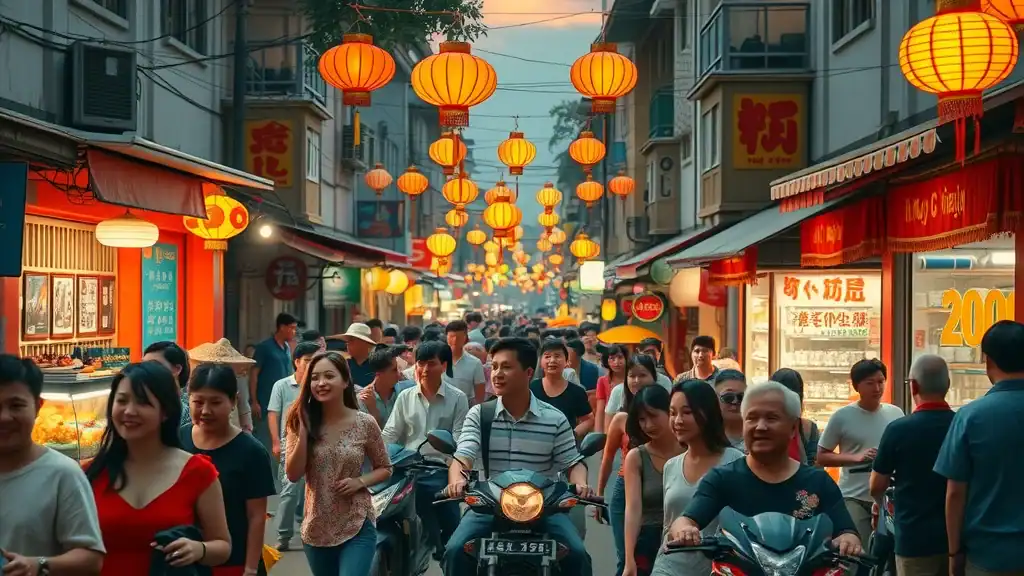
From the French colonial facades in Hanoi’s Old Quarter to spirited street celebrations in Hue, the fusion of influences across Vietnam is palpable. Decades of trade, migration, and history have made Vietnam a cradle of cultural intersection—a trait visible in its temples, cuisine, and vernacular architecture. When you discover Vietnam, every street market, pagoda, and countryside village tells a layered story. Immerse yourself in city walking tours, rural cooking classes, or join in on a local festival for an authentic taste of Vietnamese hospitality.
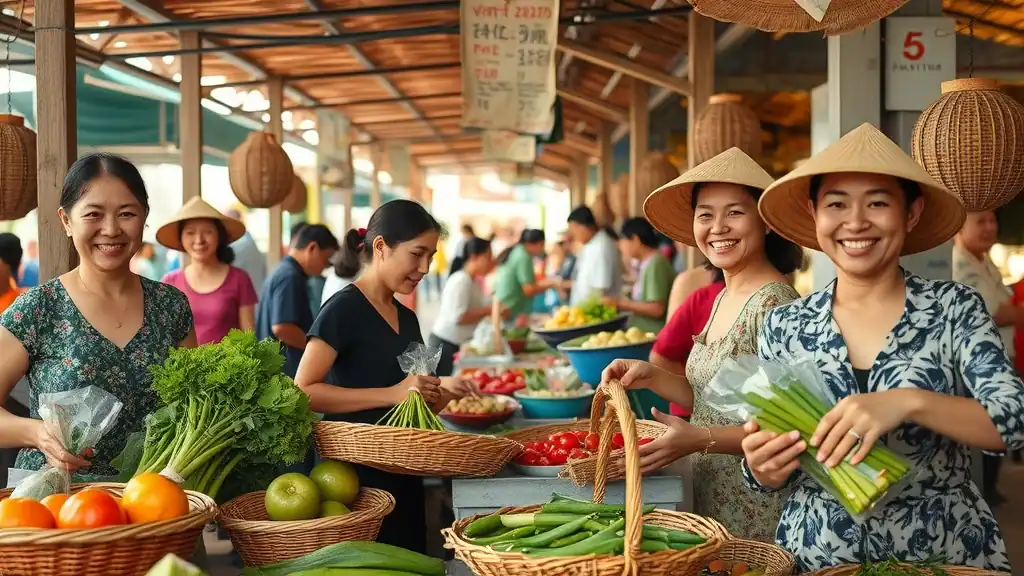
UNESCO-protected heritage sites and the daily rituals of markets and family dining both point to a reverence for both heritage and innovation. Diverse groups from lowland Kinh to highland minorities shape the country’s social fabric. Don’t miss wandering through a lively market in Hoi An or a floating village in the Mekong Delta—these everyday scenes reveal the heart of Vietnam’s vibrant culture, one interaction at a time.
Vietnam’s Culinary Wonders Await
If one thing sets Vietnam apart on the world stage, it’s the food. Discover Vietnam’s culinary wonders in steaming bowls of pho on street corners, flaky banh mi sandwiches brimming with fresh herbs, and spicy seafood feasts in coastal towns like Nha Trang. Each region boasts its own iconic dishes—think savory cao lau noodles in central Hoi An, delicate fresh spring rolls in Saigon, or robust bun cha in the northern capital. The country’s cuisine—a true fusion of Chinese, French, and local influences—delivers an ever-changing menu that’s both accessible and wildly inventive.
Food isn’t just sustenance here; it’s an act of community, celebration, and pride. Nearly every visitor to Vietnam returns home with a foodie tale or two. Go on a street food crawl, take a cooking class, or savor home-cooked fare in a rural homestay. With each bite, you’re discovering more than flavor—you’re uncovering the history and soul of a people who treat every meal as an art form.
Natural Beauty and Adventure Galore
Beyond the cities, Vietnam invites exploration of jaw-dropping natural wonders. Ha Long Bay, with its mythical limestone pillars rising from emerald waters, remains one of the world’s most awe-inspiring seascapes. But those who venture inland discover a wild, rugged Vietnam few tourists see—like the karst valleys of Ninh Binh or the expansive caves of Phong Nha-Ke Bang National Park. Trekking the hills of Pu Luong, exploring the rice terraces in Sapa, or kayaking along the Perfume River brings you face-to-face with landscapes that have inspired poets for centuries.
Adventure-seekers will find plenty to fuel their passion, from caving in the world’s largest Son Doong to rock climbing, island hopping in Phu Quoc, or winding through rural Central Vietnam by motorbike. Vietnam is a treasure trove for nature lovers eager for scenes unspoiled by mass tourism. Plan to balance relaxation with heart-pounding adventure on your trip!

Best Time to Discover Vietnam
When you discover Vietnam, timing makes all the difference. The country stretches over 1,000 miles from north to south, resulting in a variety of climates and seasonal surprises. For the best experience, align your trip with the regions and activities on your must-see list—some months are perfect for Ha Long Bay’s misty beauty, while others are ideal for sun-soaked days in Mui Ne or the Mekong Delta.
Generally, spring (March to May) and autumn (September to November) are considered the best windows for pleasant weather across much of Vietnam. These shoulder seasons offer clear skies, less humidity, and lower crowds—a winning combination for seeing cat ba’s national park, enjoying river tours in Ninh Binh, or hiking in Central Vietnam. If your dream is to catch Vietnam’s famous festivals or beach scenery, check regional events and climate trends for each destination.
Seasons and Regional Weather Guide
Vietnam’s varying topography means the north experiences cool, dry winters and hot, wet summers, while central and southern regions stay relatively warm year-round. In the north, December to February can be brisk, perfect for visiting major city sites or the imperial capital of Hue. Central Vietnam—from Da Nang to Phong Nha—thrives in spring, with lush rice fields and blooming gardens. The south, home to Ho Chi Minh City and the Mekong Delta, is ideal November through April when monsoon rains subside, revealing a vibrant, energetic side of Vietnam’s urban and rural life alike.
If you’re planning nature adventures, spring is great for hiking or exploring world heritage caves, while autumn offers spectacular golden rice paddies in places like Ninh Binh and Pu Luong. Even during the rainy season, daily showers are brief and often followed by dramatic blue skies, making every month suitable for adventure—with a little preparation.
Best Month to Visit Vietnam for Every Type of Traveler
March and April are universally praised for their mild, dry weather—perfect for hitting diverse regions from Ha Long Bay to the Central Highlands without breaking a sweat. Culture lovers will appreciate festivals in late January or February (Tet), while beach seekers might opt for late spring or early autumn when coastlines like Da Nang and Phu Quoc sparkle under temperate sunshine. If your top goal is to discover Vietnam’s hidden gems crowd-free, consider low season months like September or November.
“If you want to capture the magic of Vietnam’s landscapes, plan your visit between March and May for clear skies and pleasant temperatures.” – Local Guide, Ha Long
Ultimately, there’s never a wrong time to visit—just a right time for your travel style and bucket-list stops. Always check the forecast and local event calendars when you plan to ensure your adventure matches your expectations.
Top Destinations to Discover Vietnam’s Hidden Gems
Take your trip to the next level by seeking destinations that go beyond the guidebooks. To truly discover Vietnam, explore dramatic landscapes, meet locals in under-visited villages, and take part in immersive adventures. This section highlights extraordinary regions—Ha Long Bay, Phong Nha, Ninh Binh, Mekong Delta, and Cao Bang—ensuring every moment of your journey is unforgettable.
Ha Long Bay: Dramatic Seascapes and Secret Caves
- Kayak through towering limestone islands
- Explore Sung Sot Cave and floating villages
- Scenic cruises at sunrise and sunset
Renowned for its mystical seascape of green waters and thousands of limestone towers, Ha Long Bay is a cornerstone of any discover Vietnam itinerary. Choose a sunrise cruise for misty, golden vistas or grab a kayak and paddle into hidden grottoes. Visit Cat Ba for tranquil, off-route hikes or spend a night in a floating village to experience local life. For a true taste of adventure, explore neighboring islets and caves, where legends and limestone collide. With its status as a world heritage site, Ha Long Bay remains one of the country’s most enchanting natural wonders.
Be sure to respect the environment here—Ha Long’s fragile beauty thrives best with responsible tourism. For even more serenity, consider Lan Ha Bay or Bai Tu Long neighboring it; these areas offer similar jaw-dropping geology without the crowds. If you’re searching for natural splendor and authentic adventure, Ha Long Bay is a must on any “discover Vietnam” journey.
Phong Nha: The Adventure Capital of Central Vietnam
- Caving expeditions in Phong Nha-Ke Bang National Park
- World’s largest cave: Son Doong
- Rural homestays and eco-adventures
Tucked in Central Vietnam, Phong Nha captivates thrill-seekers and nature lovers with massive caves, underground rivers, and vibrant jungle terrain. Home to the UNESCO-listed Phong Nha-Ke Bang National Park, this region lets visitors go spelunking in Paradise Cave, trek to the entrance of world-famous Son Doong, or explore its riverways by kayak. Days spent in Phong Nha blend adventure and tranquility, with ample time to soak in rural landscapes, visit rustic eco-lodges, and enjoy warm hospitality.
For unique perspectives, go beyond the big caves and try a bike tour through local villages or take a boat trip under mystical karst springs. Phong Nha is a paradise for those looking to discover hidden gems and embark on once-in-a-lifetime expeditions. Bring sturdy shoes—a new adventure lies around every bend!

Ninh Binh: Vietnam’s Inland Ha Long Bay
- Tranquil riverboat tours through karst landscapes
- Visit Tam Coc, ancient temples, and rice paddies
- Biking and hiking local trails
Known as “Ha Long Bay on land,” Ninh Binh stuns with its surreal limestone cliffs, winding rivers, and story-book valleys. Glide past golden rice fields and lotus ponds in a rowboat at Tam Coc, wander through ancient capitals and cave-studded temples, or marvel at the biodiversity of Cuc Phuong National Park. Long overlooked, Ninh Binh rewards those who crave slower, nature-immersive adventures just a few hours’ train ride from Hanoi or Hoa Lu.
Biking is a top way to discover Ninh Binh’s rural beauty—travelers can pedal through local villages, stop for a taste of traditional cuisine, and hike panoramic viewpoints without crowds. The area’s tranquility is perfect for escaping city bustle while getting a glimpse into everyday Vietnamese country life. Ninh Binh’s blend of natural spectacle and historical richness make it a highlight for anyone determined to discover Vietnam’s hidden beauty.

Mekong Delta: Life on Water
- Float past vibrant markets and stilt houses
- Sample regional cuisine from the riverside
- See traditional crafts and village life
The southern Mekong Delta is a region where daily life is defined by water. Wake to floating markets swirling in bright colors and fragrant fruits, then board a longboat to explore stilt villages and endless green backwaters. Here, local guides welcome visitors to family-run workshops, riverside cooking classes, and lively market tours—each experience is an invitation to see how centuries-old traditions continue to thrive.
Food is a highlight in the Delta: sample coconut candy made from scratch, taste freshly fried banh xeo pancakes, or enjoy river-caught fish straight from the morning catch. The Mekong Delta brings you close to Vietnamese rural rhythms, and its accessibility from Ho Chi Minh City makes it an ideal stop on any Southern adventure. Eco-minded travelers will appreciate the opportunity to stay at sustainable homestays while supporting local life. Don’t miss the sunrise bustle on the water—an essential “discover Vietnam” memory.
Cao Bang: Off-the-Beaten-Path East Asia Adventure
- Ban Gioc Waterfall and scenic drives
- Ethnic minority cultures and village markets
- Jungle trekking and historic caves
Nestled in the far northeast near the China border, Cao Bang exemplifies the wild, untamed side of Vietnam. Much less visited than other national parks, its highlights include Ban Gioc—one of East Asia’s most stunning waterfalls—limestone caves, and radiant green forests perfect for jungle trekking. Beyond natural wonders, travellers discover vibrant markets, diverse ethnic groups, and a welcome that feels more personal than anywhere else in the country.
Drive the meandering scenic routes of Cao Bang, stopping for photos at ancient stilt villages and hidden caves rich in folklore. This region is a must for adventurous spirits eager for authentic, untouched experiences. Connecting with local communities in Cao Bang deepens your connection to Vietnam’s rich East Asian heritage—unlocking the rarest of travel stories.
Essential Travel Tips to Discover Vietnam with Ease
Getting the most out of your journey to discover Vietnam means planning for seamless travel, understanding visa guidelines, and managing your budget. Here’s how to save money, travel efficiently, and make your Vietnamese adventure smooth from start to finish. Whether hopping a train to Central Vietnam or riding a motorbike along the Hai Van Pass, these practical insights take the stress out of your trip.
Prepare in advance, but remain flexible—Vietnam’s best moments often stem from spontaneous street food tastings in Minh City, café stops in Da Nang, and friendly encounters in rural towns. Keep reading for must-have advice on transit, cash, and more.
Getting Around: From Trains to Motorbikes
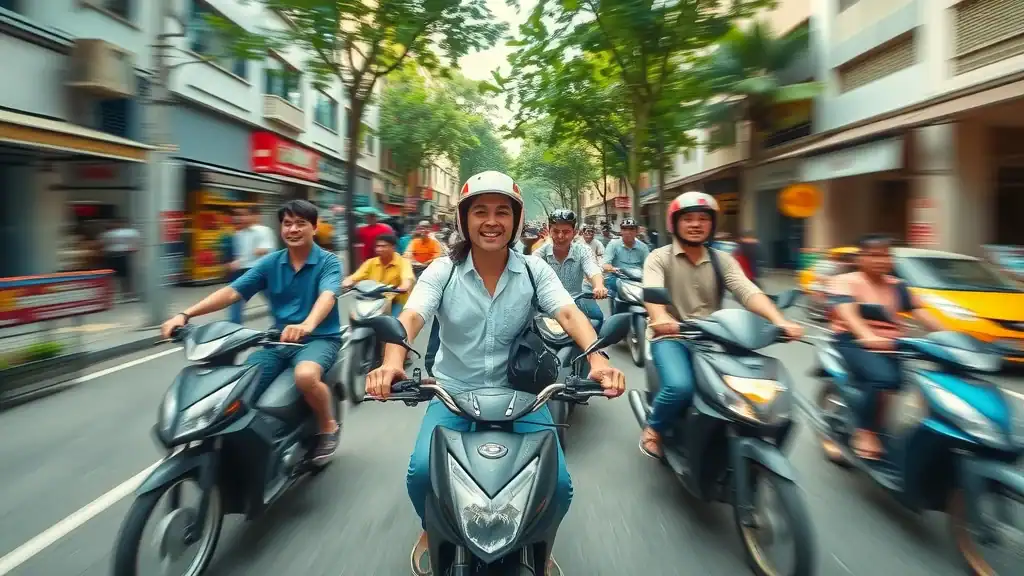
Vietnam’s extensive train and bus network links all major cities and tourist regions, making every corner—from Ninh Binh to Ho Chi Minh City—accessible. Trains offer scenic journeys through lush rice fields and coastal cliffs, while sleeper buses provide an affordable way to travel overnight. Motorbikes are the go-to for local exploration; renting one offers independence, especially in places like Mui Ne, Da Nang, or along the winding roads of Pu Luong. For urban hops, ride-hailing apps like Grab are safe and efficient, available in cities and resort areas alike.
Travelers can also book organized tours, shared vans, or private cars to navigate rural or less-trafficked destinations such as Cao Bang. Always carry an offline map and don’t hesitate to ask locals for help—the Vietnamese are famously helpful to discoverers! If comfort is key, opt for trains or domestic flights between further destinations like Phu Quoc or Nha Trang. However you roam, a little research ensures smart, safe, and speedy travel as you discover Vietnam’s spectrum of highlights.
Visa Requirements and Entry Information
Check visa policies before you travel, as requirements vary by nationality and duration of stay. Most Western visitors can obtain an e-visa online for stays up to 30 days, with extensions possible inside the country. Some Southeast Asian travelers enjoy visa exemption for shorter stays. Be sure to check for updates, as policies may change—especially during peak travel or major festivals.
On arrival, show proof of onward travel and sufficient funds. International airports—in Hanoi, Da Nang, and Ho Chi Minh City—are efficient portals for arrivals and departures. For overland entry from neighboring countries, major border checkpoints in Cao Bang and other regions make crossing straightforward. Always carry essential documents, keep digital backups, and review embassy guidance for a hassle-free start to your journey of discovering Vietnam.
Money Matters: Currency, Budgeting, and Using Cards
The Vietnamese dong (VND) is the country’s official currency, and cash is king for markets, small shops, and transport. Most hotels, major retailers, and larger restaurants in Minh City or Da Nang accept international credit cards like Visa or MasterCard. However, Discover is much less common, and rural areas may only take cash. ATMs are abundant in cities; always withdraw enough before venturing off-grid to rural provinces like Pu Luong or the Mekong Delta.
“Can you use Discover in Vietnam? Most international credit cards (Visa/MasterCard) are accepted, but Discover is less common. Carry cash for rural areas.” – Financial Expert
For smart budgeting, take advantage of affordable eats (think street food markets), budget homestays, and public transit. Download expense tracking or banking apps to manage payments and avoid overpaying. As you travel to discover Vietnam, remember that a well-managed wallet lets you say “yes” to more spontaneous adventures and local experiences.
Vietnamese Culture: What Every Traveler Should Know
To truly discover Vietnam, understanding local customs is as important as seeing the sights. Cultural etiquette, social norms, and festive traditions create the warmth and vibrancy that define every interaction—from city cafes to countryside lodges in Ho Chi Minh City, Da Nang, and the Mekong Delta. This section highlights key do’s and don’ts, as well as unmissable celebrations you might encounter on your travels.
Showing respect, patience, and curiosity is highly valued in Vietnamese society; practicing a few essential phrases, greeting with a smile, or showing appreciation for home-cooked food goes a long way toward forging human connection. Delve into these insights before you board your flight, and you’ll start discovering Vietnam’s heart from day one.
Etiquette and Social Norms
Vietnamese etiquette revolves around politeness, humility, and respect for elders and traditions. Always greet elders before others in group settings, refrain from loud or boisterous behavior, and dress modestly at temples or rural villages. Removing your shoes before entering homes and some shops is customary, as is handing things to others using both hands. Bargaining is welcomed at markets but should always be done with a smile and good-natured spirit. These social practices keep interactions positive and avoid unintended offense.
Public displays of affection are rare and best avoided, particularly in rural or religious settings. When photographing locals, ask for permission out of courtesy. Vietnamese people appreciate curiosity about their country, so feel free to ask questions and show interest in local heritage, crafts, and cuisine. These customs will help you navigate every region—from the bustling markets of Ninh Binh to lively street food scenes in Minh City—with confidence and grace.
Festivals to Experience When You Discover Vietnam
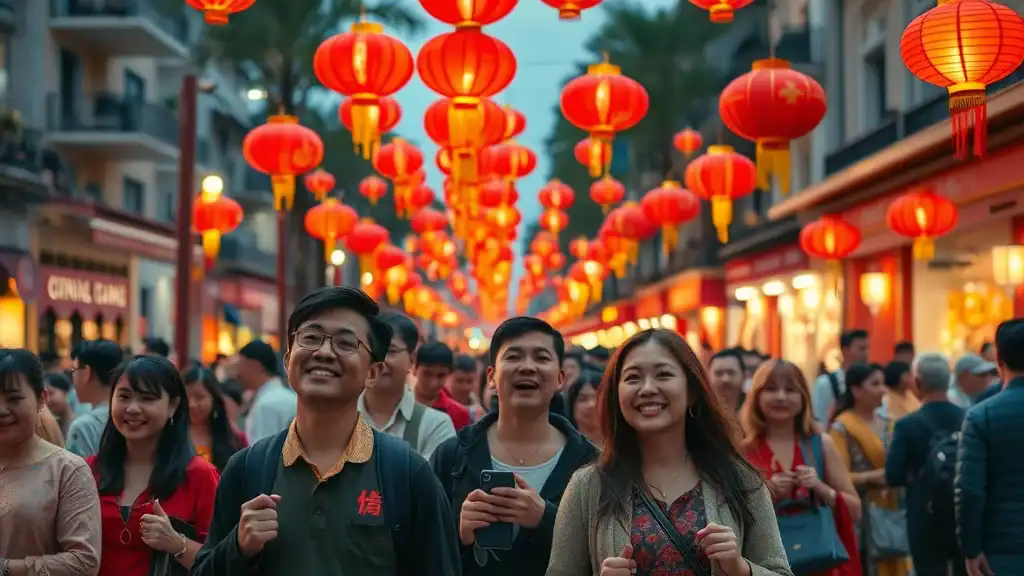
Vietnam’s calendar is dotted with vibrant festivals bringing ancient customs to life. Tet Nguyen Dan (Lunar New Year) is the biggest celebration, lasting up to a week, with spectacular fireworks, family reunions, and spirited street parades from Hanoi to Ho Chi Minh City. Mid-Autumn Festival lights up lanterns in Hoi An, while Hue’s Imperial Festival honors the city’s royal heritage with elaborate processions. Don’t miss regional revelries in the Mekong Delta or Cao Bang, where ethnic communities showcase distinctive music, costumes, and cuisine. Planning your travels around these events offers an unrivaled way to discover Vietnam’s colorful heart.
Adventure Activities to Discover Vietnam’s Wild Side
- Hiking in the northern highlands and Central Vietnam
- Island hopping and snorkeling
- Cave exploration and rock climbing
- Motorbiking the Hai Van Pass
Adventure pulses through Vietnam’s diverse landscapes. Trek Sapa’s misty rice terraces, bike across Central Vietnam’s scenic valleys, or take a motorbike over the world-famous Hai Van Pass with shimmering ocean views. Water lovers can kayak, snorkel, or jump aboard boats for epic island hopping from Nha Trang or Phu Quoc. If caving is more your style, the world’s largest caverns await in Phong Nha, while rock climbers will find rugged challenges across the country’s karst cliffs. With so much to offer, Vietnam is every nature lover’s playground—strap on your boots and get ready to discover the wild side.
Must-Try Foods When You Discover Vietnam
Vietnamese cuisine is recognized worldwide for exquisite flavors and healthy, fresh ingredients. Whether you’re devouring street food on a walking tour in Ho Chi Minh City, attending a cooking class in Hoi An, or simply snacking your way through a vibrant market, food is a journey of discovery. Let’s explore what to taste (and where) for the most mouthwatering start to your adventure.
Street Food: Pho, Banh Mi, and Beyond
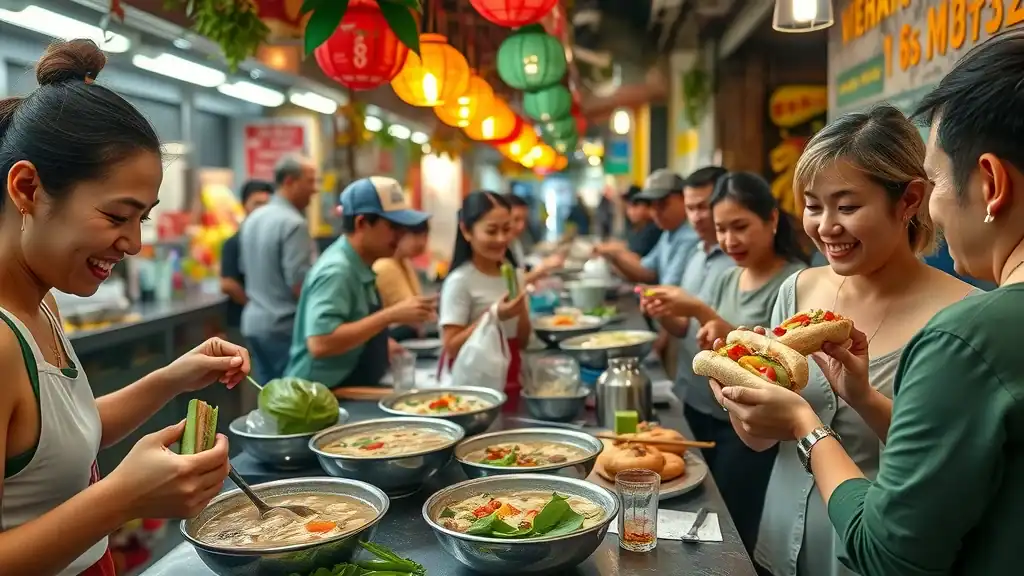
No visit to Vietnam is complete without slurping world-famous pho—a delicate beef noodle soup perfumed with herbs, lime, and chili. Banh mi sandwiches, a legacy of French colonialism, deliver crunchy, fluffy bread packed with sweet-salty fillings (try regional twists everywhere from Hanoi to Da Nang). Street food stalls in Minh City and beyond beckon with buns, grilled skewers, fried pancakes (banh xeo), and tropical desserts.
Costing just a few dollars a meal, street food fuels travelers efficiently and deliciously. Eating “local style” is easy, fast, and invites spontaneous moments with friendly shopkeepers. If you want to discover Vietnam’s culinary heart, follow the locals to the most crowded stalls—the best flavor always hides just off the main street.
Unique Regional Specialties
Every province boasts signature dishes shaped by climate, history, and local traditions. In the north, sample bun cha (grilled pork with noodles) and egg coffee in Hanoi’s cafes; central regions dish out savory mi quang noodles and fragrant cao lau in Hoi An. Southern Vietnam is famous for sweet, coconut-forward desserts and fresh seafood in places like Mui Ne or Phu Quoc. Venture further to taste specialties like banh cuon (steamed rice rolls), nem lui (grilled lemongrass pork), and countryside chicken claypot stews. Exploring these unique flavors helps you discover Vietnam’s regional diversity and culinary creativity in every meal.
Discover Vietnam Responsibly: Sustainable, Ethical, and Safe Travel
Responsible travel ensures that your adventures support local communities, protect the environment, and foster cultural respect. When you discover Vietnam, small choices—like staying in homestays, hiring ethical tour guides, or shopping at community markets—add up to a positive impact. Let’s explore how to travel thoughtfully and keep both your journey and Vietnam’s future bright.
Supporting Local Communities
Opt for experiences led by local residents—choose family-run guesthouses, take handicraft workshops, and join village-led cultural tours. These engagements keep tourism money within the community, empower small businesses, and let you discover Vietnam through genuine connections. In areas like Cao Bang or the Mekong Delta, your participation directly sustains ethnic minorities, farmers, and artisans. For travelers, the reward is deeper, more human travel memories that last long after your trip.
Environmental Considerations
Pledge to leave Vietnam’s natural treasures as beautiful as you found them. Avoid single-use plastics, pick eco-friendly itineraries, conserve water and electricity, and respect wildlife in national parks. Carry a reusable bottle and bag, follow Leave No Trace principles in caves and hiking trails, and book with reputable eco-tour operators. Protecting these remarkable landscapes is everyone’s job—so future generations of travelers can discover Vietnam’s wonders, too.
Is It Safe for Americans to Travel to Vietnam Right Now?
Yes, Vietnam is widely regarded as safe for Americans and international tourists. The country’s crime rates are low, and the biggest risks are usually petty theft in crowded tourist hubs. Respect local laws, follow government travel advisories, and practice common sense hygiene and health measures. Vietnamese people are welcoming and helpful, making it easy to get assistance or directions when needed. With conscientious planning and street smarts, you can discover Vietnam with confidence and peace of mind.
Packing List: Essentials for Effortlessly Discovering Vietnam
- Must-have items for Vietnam’s climate
- Travel tech and useful apps
- Health and hygiene essentials
Pack for Vietnam’s changeable weather and diverse landscapes—think lightweight clothing for hot, humid cities, a rain jacket for sudden downpours, and sturdy shoes for hiking Ninh Binh or Phong Nha’s jungle trails. Don’t forget power adapters, a waterproof phone case, sunscreen, and mosquito repellent. Download translation apps, maps, and e-visa copies for stress-free travel. Bring basic medical supplies; Vietnam has good pharmacies everywhere, but remote areas like Cao Bang are best tackled with preparation. A thoughtful pack lets you discover Vietnam without missing a step.
Sample Itineraries to Discover Vietnam: From North to South
- Classic Highlights: Hanoi, Ha Long Bay, Hoi An, Ho Chi Minh City
- Adventure Route: Pu Luong, Ninh Binh, Phong Nha, Da Nang
- Hidden Gems: Cao Bang, Ha Giang, Mekong Delta
Explore Vietnam’s variety by planning an itinerary that balances famous sights with lesser-known adventures. Classic routes offer big-name attractions and city excitement, while itineraries focused on adventure or hidden gems will have you hiking, biking, or caving in off-the-radar regions. Each route reveals a new side of Vietnam—the more you explore, the more you’ll discover.
Frequently Asked Questions About How to Discover Vietnam
Is $1000 enough for 2 weeks in Vietnam?
Yes, $1000 USD is generally sufficient for budget to mid-range travelers spending two weeks in Vietnam. Costs are low for accommodation, local transport, street food, and entrance tickets. Those seeking luxury or high-end tours will need more. Keep in mind, activities like multi-day cruises in Ha Long Bay or exclusive eco-adventures in Phong Nha cost extra. Plan and track your spending and you can discover Vietnam with amazing value.
Can you use Discover in Vietnam?
Discover credit cards are not widely accepted in Vietnam. You’ll have better luck with Visa or MasterCard, especially in hotels and larger restaurants in urban areas. Always bring local cash for markets, taxis, and rural zones. ATMs are common in cities like Ho Chi Minh City, Da Nang, and Hanoi—withdraw money before heading to smaller towns or islands.
Which is the best month to visit Vietnam?
March to May are ideal months for discovering Vietnam, as weather patterns align for clear skies, comfortable temperatures, and vibrant landscapes. For festival lovers, late January or February (Tet) is memorable, while September to November brings fewer crowds and golden rice fields in the north. Your best month depends on your priorities—whether it’s relaxing on coastal beaches in Mui Ne or trekking the highlands of Pu Luong.
Is it safe for Americans to travel to Vietnam right now?
Vietnam is considered very safe for American travelers. Exercise usual precautions, secure valuables, and review current travel advisories, as with any international trip. Vietnamese hospitality, low crime rates, and good healthcare infrastructure make it a comfortable and welcoming destination for visitors from the United States and around the world.
Key Takeaways: How to Discover Vietnam Like a Pro
- Plan your route by combining famous highlights and secret spots
- Time your visit for optimal weather and fewer crowds
- Explore Vietnam’s diverse regions: North, Central, and South
- Enjoy unique foods and connect with locals for authentic experiences
Ready to Discover Vietnam? Start Planning Your Unforgettable Adventure Today!
Download Our Exclusive Vietnam Guide or Book Your Tour Now
Take the next step toward your dream trip! Download our FREE Vietnam travel guide for inside tips, in-depth itineraries, and local secrets—OR let our experts help you book a fully customized adventure. Don’t just travel—discover Vietnam in style!
Start planning, embrace new journeys, and let Vietnam’s hidden gems become your greatest travel story.