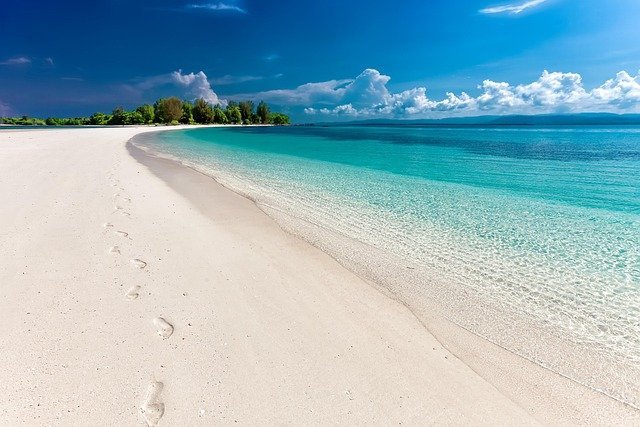
Indonesia, an archipelago brimming with vibrant cultures and breathtaking landscapes, is a treasure trove waiting to be explored. Beyond the popular tourist spots, this enchanting nation is home to hidden gems that offer a deeper connection to its rich heritage and diverse ecosystems. Picture yourself wandering through lush rice terraces in Ubud, discovering ancient temples in Java, or kayaking among the pristine lagoons of Raja Ampat. Each island tells a story—a narrative woven with traditions, culinary delights, and warm-hearted locals ready to share their way of life. In “Discover Indonesia: The Ultimate Travel Guide to Hidden Gems and Cultural Treasures,” we invite you on an unforgettable journey through Indonesia’s lesser-known wonders. Get ready to uncover breathtaking landscapes, taste the culinary masterpieces, and immerse yourself in captivating local rituals that few travelers ever witness. Buckle up as we navigate through enchanting locales that promise to redefine your perception of travel, leaving you inspired and yearning for more.
Discover Indonesia: The Ultimate Travel Guide to Hidden Gems and Cultural Treasures
Top Hidden Gems in Indonesia You Must Visit
Indonesia, with its sprawling archipelago of over 17,000 islands, offers more than just the well-trodden paths of Bali and Jakarta. Among these islands lie hidden gems that are often overlooked by tourists, yet they offer unparalleled beauty and unique experiences. One such gem is the island of Sumba, with its rolling savannas, secluded beaches, and traditional villages. Here, visitors can explore the megalithic tombs in the village of Anakalang or marvel at the surreal Weekuri Lagoon, a natural saltwater lake with crystal-clear waters perfect for swimming and relaxation.
Another hidden treasure is Tana Toraja in South Sulawesi, a region known for its elaborate funeral rites and unique cliffside burial sites. The Torajan people have preserved their ancient customs, making a visit here akin to stepping back in time. The landscape, with its emerald green rice terraces and mist-covered mountains, provides a breathtaking backdrop to the culturally rich experiences. Visitors can witness the traditional Tongkonan houses, with their distinctive boat-shaped roofs, and engage in the local way of life that has remained unchanged for centuries.
Heading east, the island of Flores beckons adventure seekers with its diverse landscape and cultural richness. Flores is home to the Kelimutu National Park, where the tri-colored lakes of Mount Kelimutu offer a mystical sight. Each lake changes color due to volcanic activity, creating a natural spectacle that is both eerie and beautiful. Additionally, the island is a gateway to the Komodo National Park, where the legendary Komodo dragons roam, and the underwater world is teeming with marine life, making it a diver’s paradise.
Cultural Treasures: Exploring Indonesia’s Rich Heritage
Indonesia’s rich heritage is a mosaic of cultures and traditions that have evolved over millennia, influenced by indigenous practices, Hindu-Buddhist kingdoms, and Islamic sultanates. The island of Java is a cultural heartland, home to some of the most significant historical sites in the country. The Borobudur Temple, a UNESCO World Heritage site, is the world’s largest Buddhist monument, featuring intricate bas-reliefs that depict the life of Buddha. Visiting Borobudur at sunrise, when the mist rises over the lush Kedu Plain, is a profoundly spiritual experience that offers a glimpse into Indonesia’s ancient past.
Yogyakarta, often referred to as Jogja, is another cultural gem on Java. This vibrant city is a hub of traditional Javanese arts and culture. The Kraton, or royal palace, is the residence of the Sultan of Yogyakarta and a living museum showcasing Javanese heritage. Visitors can explore the palace grounds, watch traditional gamelan music and dance performances, and learn about the history and customs of the Javanese people. Additionally, the nearby Prambanan Temple complex, with its towering Hindu temples, is an architectural marvel that reflects the island’s Hindu heritage.
Bali, while renowned for its beaches and resorts, is also a treasure trove of cultural experiences. The island’s unique form of Hinduism is celebrated through a myriad of rituals, festivals, and temple ceremonies. The Besakih Temple, known as the “Mother Temple,” is the holiest and largest temple complex in Bali, perched on the slopes of Mount Agung. Attending a temple ceremony here, with the sound of gamelan music and the scent of incense in the air, offers a deep connection to Balinese spirituality. Additionally, the island’s traditional arts, such as the intricate dance-dramas like Legong and Barong, provide a rich cultural tapestry for visitors to explore.
Unique Festivals and Traditions Across the Archipelago
Indonesia’s diversity is vividly showcased through its myriad festivals and unique traditions. One of the most fascinating festivals is the Pasola, held on the island of Sumba. This ancient war ritual involves hundreds of horsemen divided into two groups, who then engage in a mock battle using wooden spears. The festival is deeply rooted in animist beliefs and is performed to ensure a bountiful harvest. The sight of colorfully adorned horsemen galloping across the plains in a display of skill and bravery is a mesmerizing spectacle.
In Tana Toraja, funeral ceremonies known as Rambu Solo are elaborate affairs that can last for days and even months. These ceremonies are not just about mourning the deceased but are grand celebrations of life. The rituals involve animal sacrifices, traditional music, dance, and the construction of intricate bamboo structures. Visitors to Toraja can witness these unique funerary practices and gain insight into the Torajan belief system, where death is viewed as a transition to the afterlife, and the spirits of the deceased are believed to play an important role in the lives of the living.
Java’s Dieng Plateau hosts the annual Dieng Culture Festival, a celebration that combines Hindu rituals with Javanese traditions. One of the festival’s highlights is the Ruwatan Anak Gimbal, a hair-cutting ceremony for children with naturally dreadlocked hair, believed to possess spiritual significance. The festival also features traditional music, dance performances, lantern releases, and the breathtaking sight of hot air balloons floating over the misty highlands. This unique blend of spirituality and celebration provides an immersive cultural experience for visitors.
Adventure Activities: Thrilling Experiences in Indonesia

For adventure enthusiasts, Indonesia is a playground of thrilling activities that cater to a wide range of interests. The island of Lombok, just east of Bali, is renowned for its rugged landscapes and challenging treks. Mount Rinjani, an active volcano and the second-highest peak in Indonesia, offers an exhilarating trekking experience. The multi-day trek to the summit takes hikers through lush forests, volcanic landscapes, and past the serene Segara Anak crater lake. Reaching the summit at sunrise, with panoramic views over the surrounding islands, is a rewarding achievement for any adventurer.
For those who prefer aquatic adventures, the Raja Ampat archipelago in West Papua is a diver’s paradise. This remote region is home to some of the most biodiverse marine ecosystems on the planet. Diving in Raja Ampat offers the chance to explore vibrant coral reefs, encounter majestic manta rays, and swim alongside schools of colorful fish. The clear waters and abundant marine life make it a top destination for underwater photography and marine exploration. Kayaking through the tranquil lagoons and hidden coves of Raja Ampat provides a different perspective of this pristine environment.
Sumatra, one of Indonesia’s largest islands, offers thrilling wildlife encounters in its dense jungles. The Gunung Leuser National Park is one of the last places on Earth where you can see critically endangered Sumatran orangutans in the wild. Trekking through the rainforest with experienced guides provides the opportunity to observe these incredible primates in their natural habitat. The park is also home to other rare species, such as the Sumatran tiger and rhinoceros, making it a haven for wildlife enthusiasts and conservationists alike.
Culinary Delights: A Taste of Indonesia’s Regional Cuisines
Indonesia’s culinary landscape is as diverse as its culture, with each region offering its own unique flavors and specialties. The island of Java is known for its rich and flavorful cuisine, with dishes that often feature a harmonious blend of sweet, spicy, and savory elements. One of the iconic dishes is Gudeg, a sweet jackfruit stew cooked with coconut milk, palm sugar, and a variety of spices. This dish, often served with rice and accompaniments such as chicken and boiled eggs, is a must-try when visiting Yogyakarta.
Bali’s cuisine is equally enticing, with its emphasis on fresh ingredients and aromatic spices. A quintessential Balinese dish is Babi Guling, or suckling pig, which is marinated with a mixture of turmeric, garlic, lemongrass, and other spices before being roasted to perfection. The result is tender, flavorful meat with crispy skin, often served with rice and a variety of traditional side dishes. Another popular Balinese dish is Lawar, a salad made with finely chopped vegetables, meat, grated coconut, and a blend of traditional spices.
The island of Sumatra offers a distinct culinary experience, with its bold and spicy flavors. One of the most famous dishes is Rendang, a slow-cooked beef curry that is rich, aromatic, and intensely flavorful. Often considered one of the world’s most delicious dishes, Rendang is made with a complex blend of spices, coconut milk, and tender beef, resulting in a dish that is both spicy and savory. Another Sumatran specialty is Padang cuisine, known for its generous use of chili peppers and a wide variety of dishes served with steamed rice.
Sustainable Tourism: How to Travel Responsibly in Indonesia
As travelers, it is important to consider the impact of our journeys on the environment and local communities. Indonesia, with its delicate ecosystems and diverse cultures, is a place where responsible tourism can make a significant difference. One of the key principles of sustainable tourism is to respect and preserve the natural environment. When visiting national parks and marine reserves, it is essential to follow guidelines such as not disturbing wildlife, avoiding littering, and using eco-friendly products. Supporting conservation initiatives, such as coral reef restoration projects and wildlife protection programs, can also contribute to the preservation of these valuable ecosystems.
Engaging with local communities in a respectful and meaningful way is another important aspect of responsible travel. Choosing homestays or locally-owned accommodations can provide a more authentic experience while directly benefiting the local economy. Participating in community-based tourism initiatives, such as guided tours led by local residents, can offer insights into traditional practices and customs while supporting local livelihoods. It is also important to be mindful of cultural sensitivities and to approach interactions with humility and respect.
Reducing our carbon footprint while traveling is another crucial consideration. Opting for public transportation, such as trains and buses, or using bicycles for local exploration can significantly reduce emissions. When flying is necessary, choosing direct flights and offsetting carbon emissions through reputable programs can help mitigate the environmental impact. Additionally, minimizing waste by using reusable water bottles, bags, and containers can contribute to reducing plastic pollution, which is a major environmental issue in many parts of Indonesia.
Practical Travel Tips for Exploring Indonesia
Traveling in Indonesia can be an exhilarating experience, but it’s important to be prepared for the unique challenges and opportunities that come with exploring this diverse country. One of the first steps is to plan your itinerary based on the regions you wish to visit. With so many islands to choose from, it’s helpful to prioritize your interests, whether they are cultural exploration, adventure activities, or relaxation. Researching the specific entry requirements, such as visas and vaccinations, is also essential to ensure a smooth journey.
Understanding the local transportation options can greatly enhance your travel experience. While domestic flights are the fastest way to cover long distances between islands, ferries and boats are also popular for inter-island travel. Within cities and towns, options range from taxis and ride-hailing services to traditional becaks (pedicabs) and ojeks (motorcycle taxis). Renting a scooter or car can provide more flexibility, but it’s important to be aware of local driving conditions and regulations.
Language and communication are other important aspects to consider. While Bahasa Indonesia is the official language, English is widely spoken in tourist areas. Learning a few basic phrases in Indonesian can be very helpful and is often appreciated by locals. Additionally, having a reliable internet connection, whether through a local SIM card or portable Wi-Fi device, can assist with navigation, translation, and staying connected. Being prepared with local currency, as cash is commonly used, and familiarizing yourself with common customs and etiquette can also enhance your travel experience.
Best Times to Visit: Seasonal Insights for Travelers
Indonesia’s climate is predominantly tropical, characterized by two main seasons: the dry season and the wet season. The dry season, which runs from May to September, is generally considered the best time to visit, as the weather is warm and rainfall is minimal. This season is ideal for outdoor activities such as trekking, diving, and exploring cultural sites. Popular destinations like Bali, Lombok, and the Gili Islands are bustling with tourists during this time, and the clear skies and calm seas make it perfect for beach and water activities.
The wet season, from October to April, brings higher humidity and frequent rain showers, particularly in the form of afternoon downpours. While this season may deter some travelers, it also offers unique advantages. The landscapes are lush and vibrant, and there are fewer tourists, which means less crowded attractions and better deals on accommodations and tours. The wet season is also a great time to visit regions like Sumatra and Kalimantan, where the rainforests come alive with wildlife activity.
Certain islands and regions have their own microclimates and seasonal variations. For example, the best time to visit Raja Ampat for diving is from October to April when the seas are calm and visibility is at its peak. Conversely, the dry season is the best time to explore the highlands of Papua and the volcanic landscapes of Java and Flores. Understanding these seasonal nuances and planning accordingly can help you make the most of your travel experience in Indonesia.
Conclusion: Embrace the Beauty of Indonesia
Indonesia is a land of endless discovery, where each island and region offers its own unique allure. From hidden gems and cultural treasures to thrilling adventures and delectable cuisines, this archipelago is a tapestry of experiences that captivates the heart and soul. Traveling through Indonesia is not just about visiting destinations; it’s about immersing yourself in the stories, traditions, and natural wonders that define this diverse nation.
As you embark on your journey, remember to travel responsibly and respectfully, cherishing the moments of connection with the land and its people. Whether you find yourself standing in awe before ancient temples, diving into the vibrant underwater world, or savoring the rich flavors of local dishes, let each experience deepen your appreciation for the beauty and complexity of Indonesia.
So pack your bags, open your heart, and get ready to uncover the hidden gems and cultural treasures that await. Indonesia is calling, and the adventure of a lifetime is just around the corner.