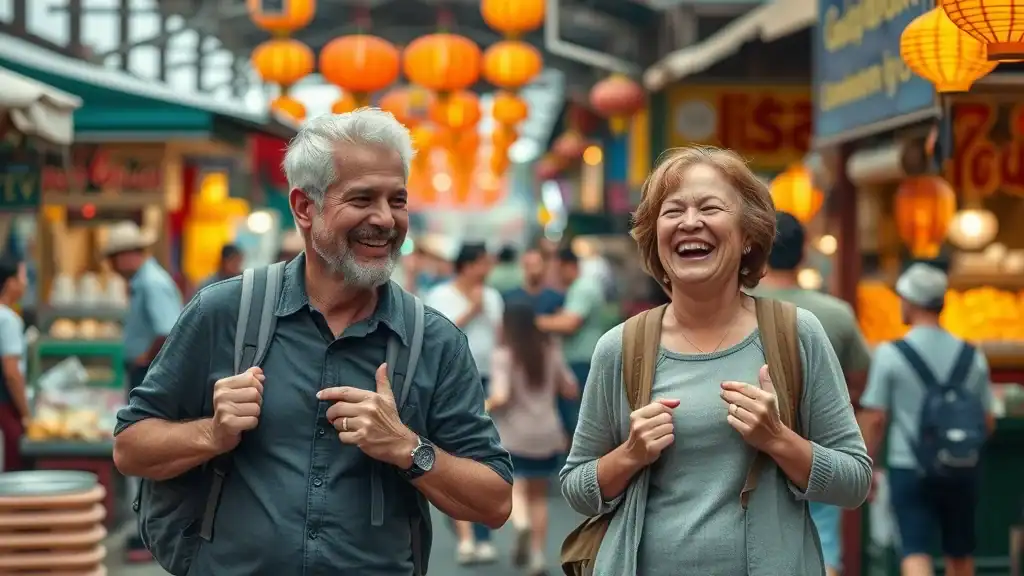
After four decades of balancing work and routine, nothing reignited my spirit like stepping into the vibrant chaos of a Southeast Asian market, all while spending less than $20 a day. If you’ve ever dreamed of adventure without sacrificing comfort or breaking the bank, this guide is for you. Here’s how you can unlock the magic ofbudget travel Southeast Asia—even if you’re over 50 and ready for your next chapter.
Unveiling the Magic of Budget Travel Southeast Asia: An Inspiring Tale
Budget travel in Southeast Asia isn’t just for backpackers in their twenties. Many mature travelers and retirees are discovering a world of culture, flavor, and connection on a shoestring budget. Imagine waking to golden sunrises on serene beaches, wandering through bustling night markets, and sharing laughter with locals—all for less than the cost of dinner back home. This adventure is accessible, safe, and filled with opportunity for those willing to plan smart and embrace a bit of spontaneity. Every trip to South or East Asia, whether you’re strolling the alleys of Siem Reap or relaxing in northern Thailand, becomes richer and deeper when you know a few insider hacks—especially for the 50+ explorer. In this guide, you’ll find not only practical tips and sample itineraries but also stories and advice from seasoned travelers who’ve made Southeast Asia their budget-friendly playground.
For retirees, budget travel Southeast Asia reopens a world of discovery that fits your pace and your wallet. The low cost of living, welcoming cultures, and countless connections with fellow mature adventurers ensure every day brings excitement and comfort. No matter where you start—be it a city like Chiang Mai or the island paradise of Koh Phangan—you’ll learn how to stretch $20 to the limit, savoring both authentic experiences and peace of mind.
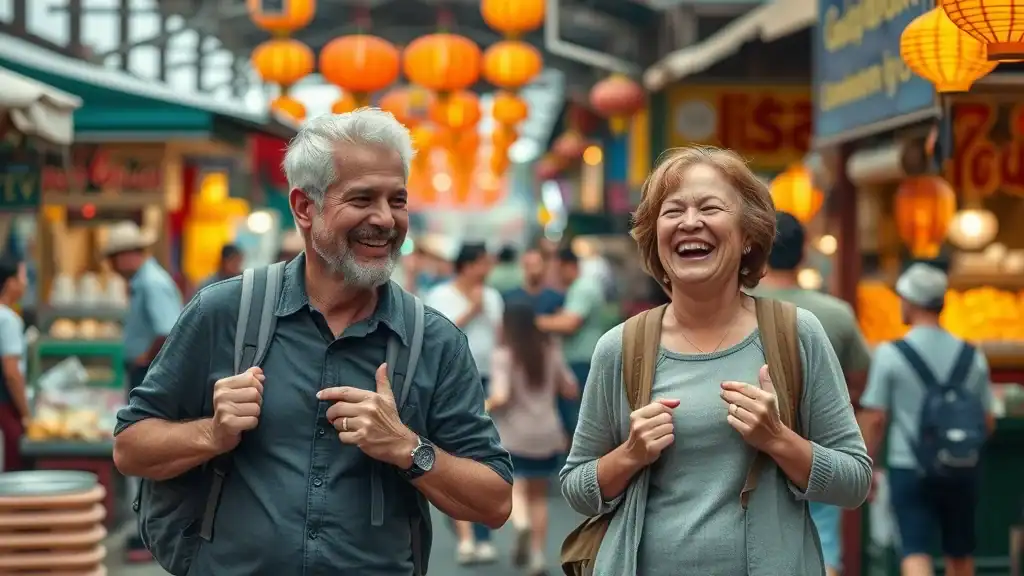
“After four decades of life behind a desk, my $20-a-day Southeast Asia adventure brought the world back into focus—here’s how you can join me on the journey.”
What You’ll Learn in This Budget Travel Southeast Asia Guide
- Key strategies for $20/day travel in southeast asia
- Insider travel tips for retirees and travelers over 50
- Affordable accommodation and transportation tips
- The best budget eats and authentic experiences in east asia
- Sample itineraries for trip to south and top cities such as Chiang Mai, Siem Reap, and Koh Phangan
Why Budget Travel Southeast Asia Remains the Ultimate Adventure for Savvy Explorers
For value-driven travelers, Southeast Asia has long been the gold standard: high adventure, low costs, and a genuine immersion in history, food, and local life. While much has changed, the region still offers unmatched bargains for those who seek them. Today, even with rising tourism, clever strategies mean it’s more than possible to keep lodging, meals, and local activities under $20 per day. For retirees, the appeal lies in the flexibility to slow down—spend two weeks in Chiang Mai’s green hills or decompress on a quiet Koh Phangan beach after the full moon party crowds depart. The combination of affordable guesthouses, delicious local food, and countless free or cheap attractions delivers true value to those willing to research a bit and roam with purpose.
Ultimately, the “budget travel Southeast Asia” dream isn’t just about pinching pennies—it’s about maximizing moments. From wandering the ancient stones of Angkor Wat for the price of a cup of coffee to mingling with fellow mature travelers on a slow boat trip through lush Laotian landscapes, the region offers adventure without age limits. And while some see retirement as a time to slow down, Southeast Asia shows that it’s also the perfect time to experience the world anew, all at a cost that keeps future journeys well within reach.

The Allure of Southeast Asia for Older and Retired Travelers
More and more retirees are ditching packaged cruises and finding freedom across Southeast Asia. Why? The climate is inviting, daily costs are low, and the pace of life is adaptable to personal comfort. Destinations like Hanoi, Chiang Mai, or Siem Reap welcome mature travelers at every turn, offering activities—from yoga classes to gentle hikes—that keep you active, curious, and engaged. Compared to travel in Europe or North America, the value is undeniable. Private rooms in guesthouses often cost less than a meal back home, while even countries considered “expensive” by regional standards (such as Singapore or Malaysia) have countless affordable eats, city parks, and public museums.
What sets Southeast Asia apart isn’t just cost-efficiency; it’s access. Retirees and travelers age 50+ frequently cite feeling safer, more connected, and more welcomed than anywhere else in the world. Community expat groups, cultural exchanges, and English-friendly guides abound. And whether you’re on your first post-career trip or an annual migration to warmer climates, you’ll find a network of fellow explorers ready to share stories and save money together. In short, “budget travel Southeast Asia” is the ultimate adventure for those age 50 and up—it’s accessible, meaningful, and invigoratingly affordable.
Common Misconceptions: Affordability, Comfort, and Safety
Some mature travelers hesitate, believing Southeast Asia is just for backpackers or that comfort means breaking the budget. The truth? Over the past decade, accommodations and services have catered increasingly to the over-50 crowd. Private rooms equipped with air conditioning, ensuite facilities, and even friendly hosts are common in places like Chiang Mai or Siem Reap. Local transport, previously daunting, is now user-friendly with organized bus and train systems—plus plenty of English signage in tourist areas. Safety is another frequent concern, but with common-sense precautions and a willingness to use travel insurance, the risks are low. It’s easy to find health clinics, pharmacies, and emergency services—even on rural islands like Koh Phangan.
As budgets tighten post-retirement, don’t fall for the myth that you’ll be “roughing it” on a shoestring. Small luxuries are affordable, from a riverside dinner in Luang Prabang to a wellness massage in Hanoi. Above all, comfort and adventure are not mutually exclusive: mature travelers are redefining “budget travel southeast asia” with their unique blend of curiosity and wisdom.
“Traveling at 55, I discovered that luxury isn’t a price tag—it’s making the most of every dollar, especially across vibrant east asia cities and serene coastal escapes.”
Budget Travel Southeast Asia: Planning Your Adventure Step by Step
Setting Your Budget: Realistic Expectations for Travel in Southeast Asia
It’s entirely feasible to spend $20 a day—or less—on a thoughtfully crafted budget travel Southeast Asia adventure. Start by mapping out your main expenses: lodging, meals, local transport, activities, and a buffer for emergencies or splurges. In many countries like Vietnam, Cambodia, and rural Thailand, $8–$12 secures a clean private room or a comfortable hostel bed with modern amenities. Street food and local markets provide hearty, fresh meals for $1–$3 apiece. Public transportation such as buses, ferries, and trains (including memorable overnight journeys) can move you between cities for under $5–$10 per trip.
The key is in embracing local living: walk or take tuk-tuks instead of taxis, consider a budget airline for long hops, and skip tourist traps with marked-up entrance fees in favor of local cultural experiences. Remember, too, that rainy season often brings discounts on everything from accommodations to day tours. By tracking each expense and leveraging travel apps, you can expect to pay under $20 most days—even with the occasional splurge on a national park entrance fee or a group cooking class.
Creating an Itinerary That Maximizes Value
The best itineraries for budget travel southeast asia build in flexibility. Focus on regions that offer a variety of experiences close together—like Chiang Mai’s blend of temples, hikes, and night markets, or the river and rice paddies surrounding Siem Reap and Angkor Wat. Allocate more time in budget destinations like Laos and Vietnam, where your money stretches furthest. Minimize flights, relying on overland routes and clever public transportation plans that include night trains or sleeper buses (saving on accommodation).
Prioritize local festivals, open markets, and freely accessible temples or parks in your route. Consider spending a few days in a lively city, then retreating to quieter rural spots or laid-back islands. By shifting your travel for shoulder or low seasons, you’ll avoid crowds and pay less for accommodation and tours—plus, you’ll have a more authentic experience connecting with locals. Always keep a digital (and backup) list of “must-sees,” tracking potential splurges—such as a Ha Long Bay boat trip or a unique cooking class—and mixing in free walking tours to balance your daily budget.

Essential Preparation: Travel Insurance, Health, and Safety
No matter your age, proper preparation makes budget travel southeast asia safe and stress-free. First, invest in travel insurance tailored to seniors—many plans now offer specific coverage for longer stays, pre-existing conditions, and efficient emergency evacuation. Always pack up-to-date prescriptions and basic meds, and learn where to find quality clinics in each city or island (local expat groups are a great resource). In humid climates or rural areas, bring a small supply of sanitizer and mosquito repellent for peace of mind.
Safety is largely a matter of awareness. Use a money belt or security pouch for your passport and main cards. Carry digital and printed copies of critical documents, store an emergency contact on your phone, and note the nearest consulate. Reliable WiFi and abundant SIM card options mean it’s easy to keep in touch—just be sure to register your travel insurance and emergency contacts before each leg of your trip, so loved ones back home can always locate you if needed.
Packing Smart: Must-Have Items for Budget Travel Southeast Asia
Travelling light is a superpower in Southeast Asia, making communal buses, overnight trains, and guesthouse stairs easy to tackle. Essentials include lightweight clothing (especially for the humid or rainy season), a wide-brimmed hat, and packable rain gear. Medicine and first-aid supplies tailored to your needs are a must—local pharmacies are helpful, but having your own stash ensures peace of mind.
- Lightweight clothing
- Medicine and health essentials
- Documents and digital copies
- Language apps and local sim recommendations
Don’t forget digital tools: translation apps (helpful for market bargaining and meeting new friends), an unlocked phone for inexpensive local SIM cards, and extra chargers. A reusable water bottle and simple cutlery are lifesavers when sampling street food, and a compact laundry line saves on laundry costs—critical for longer stays or multi-city hops. Your future self will thank you!
| Country | Lodging (Private Room/Hostel) | Meals (Street Food/Markets) | Local Transport | Activities | Total/Day |
|---|---|---|---|---|---|
| Vietnam | $6–$10 | $3–$5 | $2 | $3–$5 | $14–$22 |
| Cambodia | $7–$12 | $2–$4 | $2 | $3–$6 | $14–$24 |
| Thailand | $8–$15 | $4–$7 | $3 | $4–$8 | $17–$33 |
| Laos | $7–$13 | $3–$5 | $2 | $2–$4 | $14–$22 |
| Indonesia | $8–$15 | $3–$6 | $3 | $5–$9 | $19–$33 |
How to Find the Best Budget Accommodation in Southeast Asia
Accommodation will be your largest expense, but it’s also where the best value is found. In most southeast asia hotspots, guesthouses, hostels, and private homestays offer safe, clean, and comfortable options—often for less than $10–$15 a night. Older travelers report plenty of affordable hotels or hostel private rooms that offer quiet, security, and social opportunities without the party scene. Booking platforms like Agoda, Booking.com, and Hostelworld highlight verified reviews from other 50+ travelers, while local Facebook groups and word-of-mouth at markets or temples can reveal overlooked gems at even better prices.
Look for guesthouses that include shared kitchen access, common lounges, and security features (such as lockers and well-lit entrances). In cities such as Chiang Mai or Siem Reap, use price filters and “retiree-friendly” search options for quiet rooms, elevator access, or flexible check-in. For longer stays, negotiate directly with owners for discounts—many welcome slow travelers and will drop nightly rates in the rainy season or for those willing to book a week or longer.
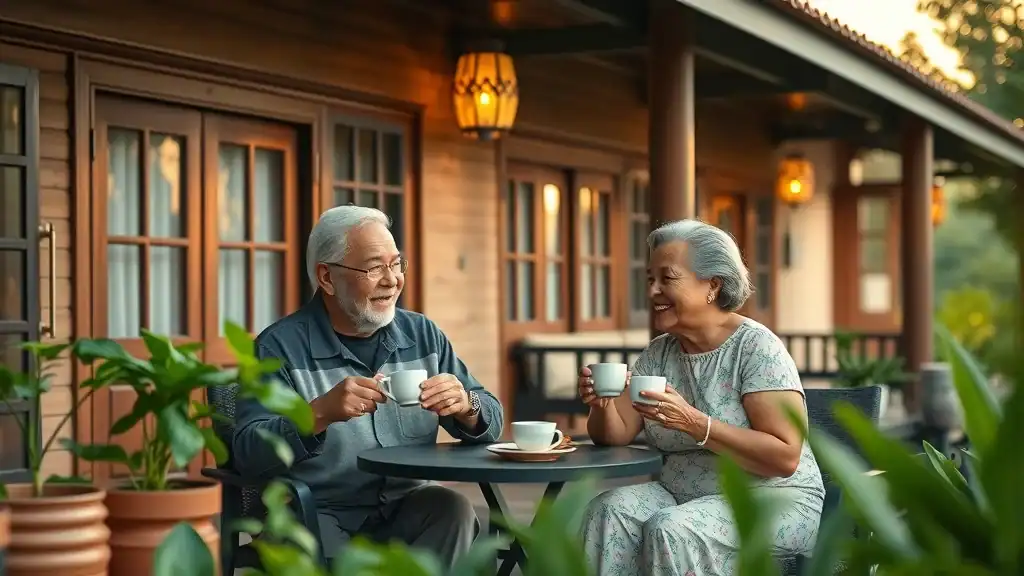
Guesthouses vs. Hostels vs. Home Stays: What Works Best for 50+ Travelers?
Not all budget accommodations are created equal. Guesthouses are often the top choice for mature travelers, offering private rooms, on-site hosts, and a relaxed atmosphere. Hostels, meanwhile, are no longer just for young backpackers. Many feature quiet wings or private rooms with ensuite bathrooms, making them an excellent—and affordable—option for solo retirees.
Home stays deliver the ultimate local experience, connecting you with families eager to share meals, tips, and even language. If you value cultural exchange more than amenities, look for village home stays in places like rural Laos or northern Thailand. For those who like community but also privacy, consider a mix: hostel or guesthouse in the city, home stay in the countryside, and beach bungalow on an island getaway. Always read recent guest reviews for insight on noise levels, cleanliness, friendliness, and accessibility.
Booking Safely: Top Platforms and Local Secrets
It’s crucial to book smart when traveling on a shoestring budget. Start with reputable platforms like Booking.com, Agoda, and Hostelworld—use filters for “quiet,” “private room,” and “high accessibility” to suit older travelers. Cross-check with local Facebook groups, where residents or expats often list authentic rentals not found on the big sites (and where you can sometimes save money by negotiating direct). For long stays, visiting the guesthouse or homestay in person for a night or two allows you to gauge comfort before committing.
To avoid scams or hidden fees, confirm the price and amenities in writing, seek properties registered with the local tourism board or Ministry of Tourism, and always pay via secure channels. After arrival, keep valuables locked and use a portable door wedge for added peace of mind—especially in busy cities during festival season.
Case Study: A Retiree’s Month in Chiang Mai Under $600
Take Robert, a 63-year-old retiree who spent a month in Chiang Mai. He found a private room with ensuite for $9/night, enjoyed daily $2 market meals, and splurged on a couple of museum trips and one cooking class. Using local buses and the occasional tuk-tuk, his total for four weeks hovered under $600—all without missing out on any classic Chiang Mai experiences. The secret? Flexible dates, direct booking, and a willingness to try local favorites from bustling night markets to serene Buddhist temples.
His advice for fellow mature explorers: “Talk to everyone—other travelers and locals alike. The best deals and recommendations always come from a conversation over morning coffee or a shared meal.”
Eating Well for Less: Street Food and Markets in Budget Travel Southeast Asia
Market and street food culture are the heart of budget travel southeast asia. Not only are these meals affordable, but they also open up windows into local life you’d never find in a hotel buffet. Whether you’re sampling a spicy bowl of pho in Hanoi, savoring pad thai in Bangkok, or munching on crispy spring rolls at a Siem Reap night market, you’ll spend less than $2 per meal—often prepared right before your eyes.
For older travelers, the key is choosing bustling stalls with high turnover—fresh ingredients, lots of locals, and food cooked to order. Wash hands before eating, drink bottled or filtered water, and carry your own reusable utensils for extra reassurance. If in doubt, ask about ingredients and spice levels (vendors are usually thrilled to practice their English and share recommendations). Sampling the local food not only fills you up but also fills your itinerary with authentic, unforgettable experiences.

Street Food Safety Tips for Retirees
Safety doesn’t mean missing out on the best flavors of Southeast Asia. The top tip? Watch the locals—if a vendor has a long line, it’s usually a sign of good, fresh food. Look for stalls preparing food in front of you, use antibacterial wipes on tables if needed, and avoid raw or undercooked meats. If you have food allergies or sensitivities, have your crucial dietary restrictions written in the local language or show photos on your phone to explain to vendors.
Always have a supply of bottled water, especially in peak heat, and try to eat at popular times when the food is at its freshest. Avoid ice unless you know it’s made from purified water. If in doubt, stick to cooked options like soups, stir-fries, and grilled items. For an extra dose of comfort, start small—taste-test a few bites, and build up your confidence and appetite as your trip unfolds.
Must-Try Street Food in East Asia: Bangkok, Hanoi, Siem Reap
In Bangkok, you can’t miss the sizzling skewers and tangy som tam (papaya salad) that fill every corner at sunset. Hanoi’s old quarter bursts at dawn with banh mi vendors and steaming bowls of pho garnished with fresh herbs. Siem Reap’s night market is a feast for all senses—grilled fish, banana pancakes, and fruit shakes cost under $2, and every bite is a friendship waiting to happen.
New to street food? Start with famous dishes and then ask locals what they recommend for breakfast, lunch, or late-night snacks. Whether shared with strangers at a market table or savored solo while people-watching, street food in Southeast Asia becomes both sustenance and daily adventure.
“To truly experience southeast asia, trust the markets and follow the locals. The best meal I had cost under $2—and I made lifelong friends at the table.”
Getting Around on a Shoestring: Public Transportation and More
Public transportation is the backbone of every successful budget travel Southeast Asia journey. Not only is it safe and reliable, but it also connects even small towns and rural escapes at a fraction of the cost of taxis or private transfers. Seasoned travelers recommend combining overnight buses, local trains, and ferries for long hops—these options double as your lodging for the night and provide a glimpse into local culture.
Whether you’re catching a vintage city bus in Kuala Lumpur, cruising rural Laos by slow boat, or hopping a ferry to Koh Phangan after the full moon party, the key is flexibility. Tickets bought in advance—using regional travel apps or at the bus and train station counters—usually cost less. Group discount passes and local commuter cards, available in many major cities, shave off even more from your budget, making travel in southeast asia affordable for any pace or itinerary.
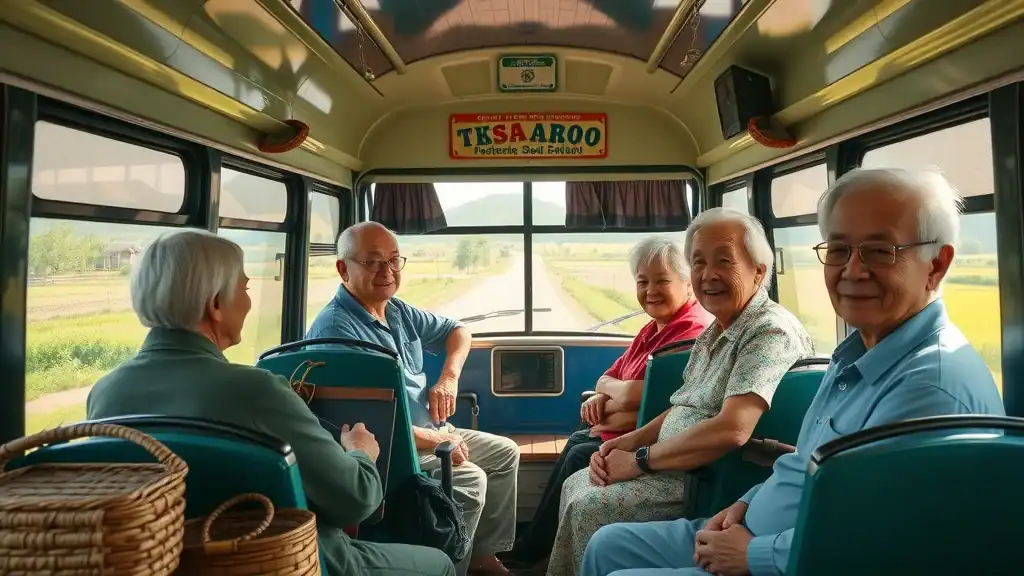
Buses, Trains, Ferries: Navigating Travel in Southeast Asia
Overnight buses cross borders for the price of dinner, and sleeper trains offer comfort and adventure on popular routes like Bangkok–Chiang Mai or Hanoi–Hue. Urban metros in Kuala Lumpur, Bangkok, and Singapore are air-conditioned, efficient, and inexpensive, while ferries are the backbone of travel in Thailand and Indonesia’s islands (think boat trip to explore hidden beaches).
Retiree travelers should check for “VIP” or “First Class” options that cost just a few extra dollars for wider seats and polite attendants—well worth it for long journeys. If traveling with luggage, confirm storage options in advance, and always lock your bags during transit.
Using Apps and Local Passes to Save Money
Tech-savvy 50+ travelers have an edge: apps like 12Go Asia and Rome2Rio compare public transport, while ride-hailing apps such as Grab offer secure, metered rides within cities. Local transit cards in places like Singapore or Bangkok (such as the BTS Rabbit Card) can lead to sizable savings over buying individual tickets.
For overland journeys, buses and trains are best booked directly at the station (for discounts) or online via official regional sites. In less touristy areas, discuss fares with trusted hotel staff before buying, or join a travel forum or expat Facebook group to uncover hidden discounts and travel hacks.
Exploring Rural Routes and Smaller Destinations Like Koh Phangan
Some of the best moments in southeast asia unfold far from busy tourist hubs. Take the slow ferry to Koh Phangan for quiet beaches (avoiding the full moon rush), or catch a bus into the rice-terraced valleys of rural northern Thailand. Rural routes often lack online booking, so plan a bit ahead, ask locals for the right departure times, and be prepared to adjust on the fly.
In rural Laos or Cambodia, hire a local driver or join a small group day tour—splitting costs with fellow retirees met at your guesthouse. The journey itself is often the highlight, offering a front-row seat to dramatic landscapes, village life, and spontaneous market stops.
| Mode | Bangkok | Hanoi | Siem Reap | Chiang Mai | Local Tip |
|---|---|---|---|---|---|
| Metro / Skytrain | $0.50–$1/trip | N/A | N/A | N/A | Buy rechargeable local transit cards for weekly savings |
| City Bus | $0.25–$0.75 | $0.20–$0.60 | $0.30–$0.70 | $0.30–$0.50 | Exact change speeds up boarding and ensures best fare |
| Overnight Bus | $10–$20 | $12–$18 | $10–$16 | $10–$15 | Book a day ahead for discounts or best seat selection |
| Ferry | $6–$10 | N/A | $8–$12 | $8–$12 | Off-season and early morning departures cost less |
| Train | $10–$20 (long distance) | $11–$17 (overnight) | N/A | $8–$15 (night) | Senior discounts available on national railway with passport |
Must-See Destinations for Budget Travel Southeast Asia Lovers
Classic Cities: Bangkok, Hanoi, Siem Reap, Chiang Mai
These legendary destinations sit at the top of every travel in southeast asia bucket list—and for good reason. In Bangkok, lose yourself in golden temples and night markets. Hanoi is perfect for lakeside walks, cheap eats, and immersive historical tours. Siem Reap gives access to the mystical Angkor Wat complex, where entrance fees are reasonable for multi-day adventures. Chiang Mai pairs city comforts with easy access to mountain hikes and elephant sanctuaries.
Even on a shoestring, you’ll enjoy diverse restaurant scenes, vibrant local food, budget shopping in bustling street stalls, and myriad free or low-cost festivals—often at the foot of world-famous attractions.

Nature Escapes: Ha Long Bay, Rural Laos, and Affordable Beach Retreats
Tired of cities? Southeast Asia’s natural wonders await. Ha Long Bay is iconic—take a group boat trip overnight for as little as $30, meals included. Venture to rural Laos for waterfall treks and sleepy riverside villages, all costing less than a city night out. Beach lovers will lose track of days on the sun-bleached sands of Thailand’s islands or Vietnam’s central coast, where a sea view room costs less than a movie ticket back home.
Visit national parks at dawn for discounted entrance and fewer crowds, and always carry cash for remote markets or local ferries. Shared tours and off-peak bookings lead to impressive savings, especially if you join with new friends met in guesthouses or expat groups.

Hidden Gems: Off-the-Beaten-Path Experiences for 50+ Explorers
Sometimes, the best value and friendship are found beyond the main guidebook highlights. In northern Thailand, sleepy towns like Pai or Mae Hong Son brim with culture and coffee shops. In Cambodia’s Mondulkiri, meet hill tribe villagers and learn from local elders—often for the price of a bus ticket and a smile.
Explore lesser-known islands near Koh Phangan after the moon party crowds fade, join a family-run rice harvest in Vietnam, or spend your days volunteering in an elephant sanctuary. Travel forums and expat-led Facebook groups are treasure troves for discovering these special places, often with direct invitations and local discounts just for mature travelers who introduce themselves.
Insider Budget Travel Southeast Asia Hacks for 50+ Adventurers
- Avoiding peak travel to save big
- Befriending locals for private tour offers
- Leveraging community travel groups for discounts
- Finding travel insurance tailored to retirees
Skip school holidays and public festivals to enjoy empty beaches and reduced room rates. The best private tours and day trips are often arranged after chatting with locals at cafes or temples—don’t hesitate to introduce yourself or join group experiences for instant savings. Mature travelers frequently access discounts for longer bookings or off-season rates, so always ask.
Finally, connect with local expat groups or retiree travel circles online—they share current safety warnings, honest reviews, and occasional “hidden gem” tips that never make the glossy brochures. Combined, these strategies make “budget travel southeast asia” not only affordable, but also uniquely rewarding.
Safety, Scams, and Smart Choices in Southeast Asia for Older Travelers
Recognizing and Avoiding Common Scams
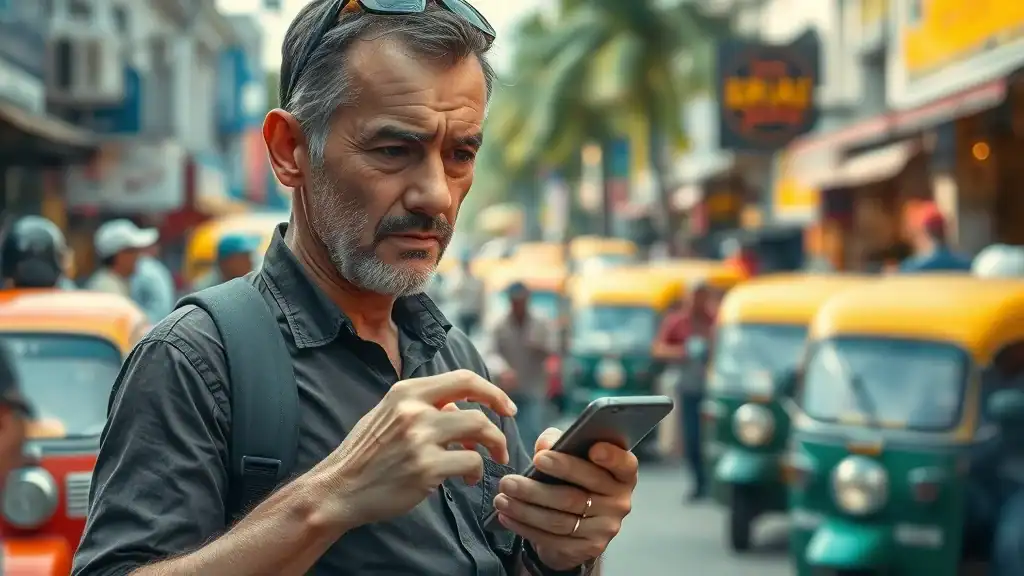
Scams are rare, but a little knowledge goes a long way. Avoid tuk-tuks or taxis that refuse meters, skip “friendship” offers for expensive custom suits, and always check entrance fee signs at major attractions like Angkor Wat or Ha Long Bay. If an offer feels too good to be true, check for official signs and compare prices with your guesthouse staff or other travelers. For peace of mind, carry a secure money belt and split larger sums of cash between bags.
Buy tickets for long-distance trains, buses, or ferries at the official station or online. Don’t be shy about confirming your destination with the driver or conductor and keeping emergency contacts handy. By exercising healthy skepticism and keeping important info within reach, mature travelers can focus on what truly matters—soaking up southeast asia’s magic.
Health and Wellness Resources
Access to healthcare is one of the strengths of travel in southeast asia—modern clinics and pharmacies are common in cities and tourist centers. Pack your own essential medicine, and keep prescriptions updated. For minor ailments, local pharmacies usually offer generic versions of Western drugs for a fraction of the price. Larger cities, including Bangkok, Hanoi, and Kuala Lumpur, have international hospitals with English-speaking staff and fair rates.
If you have mobility concerns, research guesthouses with elevators or ground-floor rooms, and consider downloading a translation app that includes basic medical vocabulary in the regional languages. Most travel insurance designed for over-50 travelers includes 24/7 emergency lines and clear claim instructions.
Staying Connected: SIM Cards, WiFi, and Emergency Services
Staying in touch abroad has never been easier. Upon arrival, pick up a local SIM card at the airport or main train station—most countries offer generous data plans for as little as $5–$10 a month. WiFi is widespread in cafes, hotels, and even public parks throughout east asia and southeast asia. For safety, store emergency contacts and embassy info in your phone, and share your itinerary with family back home.
Most modern phones support dual SIM cards, making it easy to toggle between home and local numbers. If you’re concerned about coverage in remote areas, ask hotel staff for their recommendations or carry a compact power bank to keep your phone charged during long journeys.
“Preparedness is confidence: keep loved ones informed and emergency contacts handy for stress-free travel in southeast asia.”
Sample Itineraries: Budget Travel Southeast Asia for Every Interest
- 7-Day Culture Hop Between Siem Reap and Chiang Mai
- 10 Days in Ha Long Bay and Rural Vietnam
- Two Weeks of Wellness Retreats in Thailand
Whether you crave ancient temples, nature escapes, or a gentle two-week wellness retreat, these itineraries can be mixed and matched according to your energy and interests. They take advantage of overnight buses, affordable entrance fees, and skip-the-line tricks for retirees, so you experience the most with minimum hassle and maximum value.
Budget Travel Southeast Asia FAQs for Retirees
How can older travelers stay active but comfortable?
Choose gentle hikes, yoga classes (plenty tailored to over-50s), or tai chi sessions in local parks. Participate in small-group walking tours, join market food tastings, and build in rest days between busy city explorations and rural retreats. Most guesthouses can arrange car or scooter rentals for day trips, and many hostels now offer private rooms with ensuite bathrooms for added comfort.

Do I need special travel insurance for southeast asia?
Yes, it’s strongly advised. Pick a plan covering medical emergencies, trip cancellation, theft, and repatriation. Look for policies designed for retirees or travelers 50+, which often include more generous coverage and fewer required pre-travel checks. Always double-check your coverage for activities such as trekking, boat trips, or motorbike rentals!
How can I handle language barriers effectively?
Download translation apps and store key phrases in your phone or a pocket notebook. Locals appreciate even simple attempts in their language, especially outside tourist cities or in rural markets. Many guesthouses and restaurants offer English menus, and Google Translate’s camera feature works wonders when deciphering food labels or bus schedules.
People Also Ask
What is the cheapest country to visit in Southeast Asia?
Vietnam often ranks as the cheapest country for budget travel southeast asia, with daily expenses well under $20 for lodging, meals, and local activities.
How much should I budget for a trip to Southeast Asia?
A shoestring daily budget for budget travel southeast asia ranges from $15–$30, covering hostel stays, street food, and public transportation for most travelers.
What is the cheapest way to travel around Southeast Asia?
The cheapest way for budget travel southeast asia is combining overnight buses, local trains, and ferries; booking tickets in advance and using travel apps maximizes savings.
Is $50,000 enough for a Thailand trip?
Absolutely: $50,000 would more than suffice for a monthslong budget travel southeast asia experience in Thailand, especially for retirees seeking slow travel with comfort.
Key Takeaways from Budget Travel Southeast Asia on $20 a Day
- Strategic planning allows even mature travelers to see southeast asia on a shoestring
- Street food, public transportation, and off-peak bookings are key savings drivers
- Tapping into local communities and expat groups enhances affordability and enjoyment
Ready to Start Your Own Budget Travel Southeast Asia Journey?
Email us atkevin@southeastasiainsider.comfor help with your next Asia Adventure
With the right hacks and mindset, budget travel Southeast Asia on $20 a day is not just possible—it’s transformative, especially for those embracing adventure after 50.