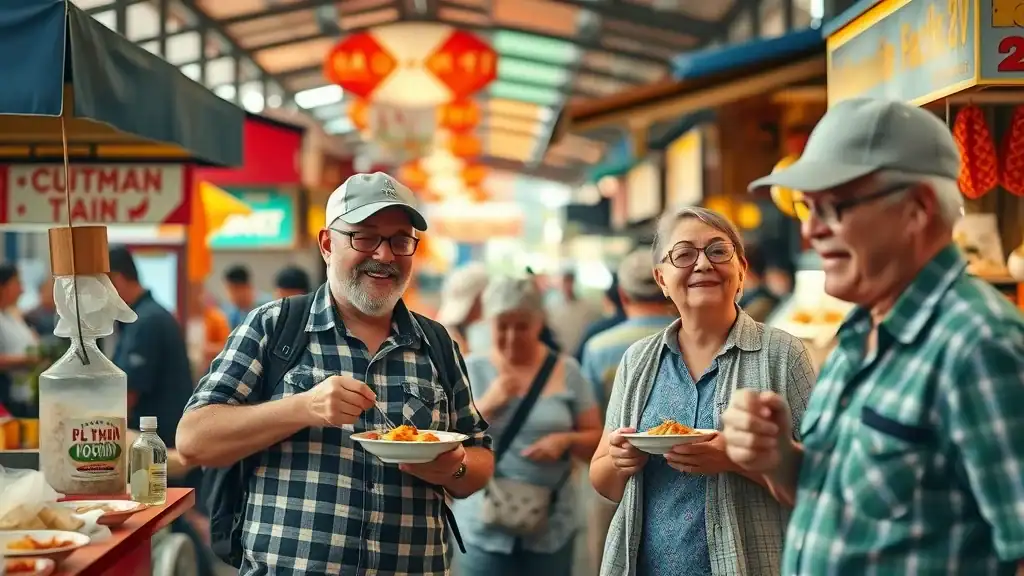
Have you ever wondered if there are worlds of flavor you’ve yet to discover—even after decades of dining well? Prepare to challenge your palate and awaken your adventurous side, because exploring southeast asia local cuisine will introduce you to tastes, aromas, and culinary adventures you never imagined. Especially for travelers and retirees over 50, this journey through vibrant food markets and humble eateries unlocks both unique flavors and local wisdom. Let’s dive into a culinary world waiting for you to savor every bite.
Curious About Southeast Asia Local Cuisine? Discover a Culinary World You Never Knew Existed
If you believe you’ve tasted everything after a lifetime of meals, southeast asia local cuisine will change your mind and delight your taste buds. This part of the world isn’t just about well-known dishes like pad thai or tom yum; it’s a tapestry of flavors born from centuries of tradition, bustling street food scenes, and a rich blend of indigenous and colonial influences. From spicy, aromatic khao soi in Thailand to the subtle, coconut-kissed fish amok of Cambodia, every meal is an invitation to experience culinary artistry.
For mature travelers, the rewards of exploring southeast asian food culture go beyond taste. You’ll find yourself welcomed by lively vendors at food stalls, savoring each dish against backdrops of vibrant markets, and benefiting from local tips that only come with age and experience. In this guide, you’ll learn how to spot authenticity in every meal, avoid tourist traps, and taste dishes that seasoned locals prize but few outsiders know. The further you go, the deeper your appreciation will be for the subtlety and range of local fare—a true gift for anyone who’s traveled far and eaten well.
“If you think you’ve tasted everything, Southeast Asia local cuisine will surprise your palate and redefine your culinary adventures — especially for those with a lifetime of tastes behind them.”
What You’ll Learn in This Guide to Southeast Asia Local Cuisine
- How to identify authentic southeast asia local cuisine while traveling
- Top street food and hidden gems for adventurous eaters over 50
- Key ingredients that define southeast asian food culture
- Insider travel dining tips specifically for retirees
- Regional specialties and must-try dishes from each country
- Health, safety, and diet considerations for mature travelers
Overview: Why Southeast Asia Local Cuisine Is Unlike Any Other
- What makes southeast asia local cuisine distinct from east asian or other asian food?
- Influences: indigenous cultures, east asia, colonial pasts
- How age and experience can help you appreciate subtle regional food nuances
What sets southeast asia local cuisine apart from other asian food traditions, such as those in east asia, is its vibrant mix of heat, herbs, and market-fresh ingredients. Unlike the milder, sauce-rich dishes of east asian cuisine, meals here are defined by the bold use of spices, tangy notes from lime juice and fish sauce, and the inclusion of aromatic herbs like kaffir lime leaves and coriander. The fierce pride in local produce means you’re likely to taste the morning’s market in your lunch bowl—a tradition that mature travelers can appreciate for freshness and authenticity.
The complex food history of Southeast Asia has been shaped artfully by indigenous kingdoms, trade with neighboring east asia, and the influences of colonial powers such as France, the Netherlands, and Britain. This deep combination of past and present creates unique signatures in local fare. With age comes a refined palate, making it possible to truly sense the differences between similar noodle bowls or spot the delicate use of coconut milk in Cambodian versus Thai food. Seniors and retirees, with decades of dining behind them, often find new delight in these subtleties that younger tourists may overlook.
| Dish | Origin Country | Main Ingredients | What Makes It Unique? |
|---|---|---|---|
| Tom Yum | Thailand | Rice noodle, shrimp, kaffir lime, lemongrass, lime juice, chili | Sour, spicy soup with fresh herbs and vibrant broth |
| Khao Soi | Northern Thailand (Chiang Mai) | Egg noodles, coconut milk, curry paste, chicken or beef, crispy noodles | Rich coconut curry, topped with crispy noodles for texture |
| Pad Thai | Thailand | Rice noodles, tofu or shrimp, bean sprouts, peanut sauce, lime | Sweet-sour-savory stir-fry tossed with sauce and fresh herbs |
| Fish Amok | Cambodia | Fish, coconut milk, curry paste, banana leaves | Steamed custard-like curry served in banana leaves |
| Rice Noodle | Vietnam, Thailand, Laos | Rice flour, water | Light, delicate base for soups and salads |
| Rice Paper | Vietnam | Rice flour, water, salt | Used to roll fresh spring or summer rolls, often dipped in sauce |
Southeast Asia Local Cuisine Essentials: From Rice Noodle to Peanut Sauce
The Role of Rice Noodle, Rice Paper, and Fresh Ingredients in Southeast Asian Food
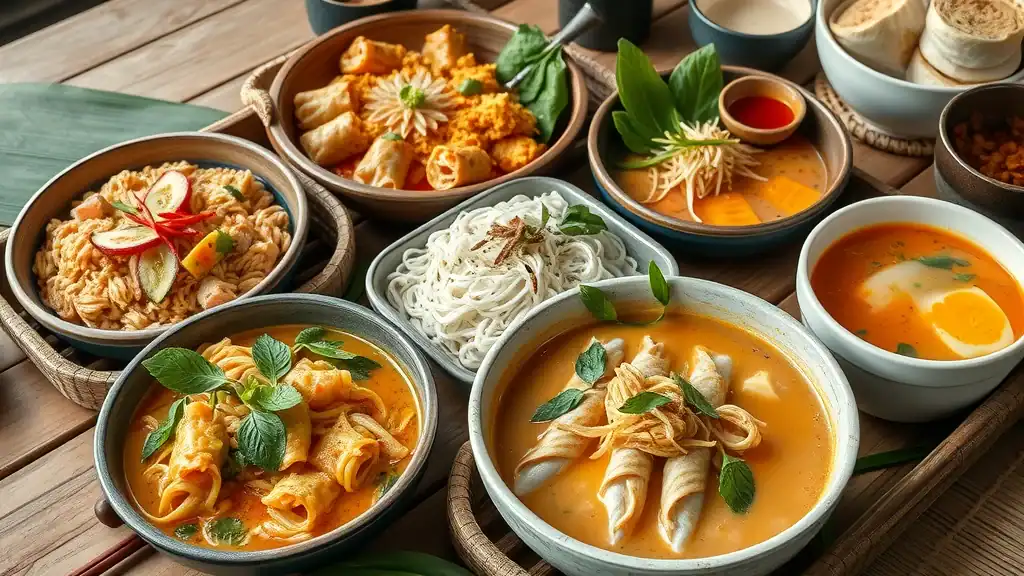
At the heart of southeast asia local cuisine lies the humble rice noodle—a staple that crosses borders from Vietnam’s steaming bowls of pho to Thailand’s pad thai. Crafted from rice flour and water, rice noodles offer a gluten-free option and serve as a versatile foundation for soups, stir-fries, and salads. Their mild flavor absorbs the essence of aromatic broths, chili pastes, and fresh herbs, ensuring each meal is balanced and satisfying. Another defining element is rice paper, used primarily in Vietnamese and Thai cuisines to envelop fresh vegetables, grilled meats, and bean sprouts into translucent summer rolls, ready for a dip in vibrant dipping sauce or savory peanut sauce.
Mature travelers will appreciate how local cuisine leverages freshness—herbs snipped that morning, locally grown vegetables, and proteins from the nearby market. These ingredients not only boost flavor but also ensure lighter, digestible meals ideal for sensitive stomachs. Seasoned globetrotters often comment that the real secret of enjoyment is the taste of just-harvested lime leaves, the crunch of pickled vegetables, and the fragrance of grilled marinated meats layered in leaf wraps or atop a bowl of rice noodles. This attention to freshness is what truly separates Southeast Asian food culture from many other culinary traditions.
Peanut Sauce Magic: A Southeast Asian Food Staple Explained
No introduction to southeast asia local cuisine would be complete without revering the mighty peanut sauce. Found in the street food of Thailand, Indonesia, Malaysia, and Singapore, this versatile sauce combines peanuts, coconut milk, palm sugar, garlic, and chili. What sets Southeast Asian peanut sauce apart from other asian food is its balance—sweetness from palm sugar, gentle heat from chili, and a creamy richness from coconut milk. The sauce is often freshly pounded and served as a dip for satay skewers, fresh summer rolls, or as a drizzling on noodle salads.
Adventurous eaters will notice that the simplest peanut sauce showcases the way local kitchens prioritize harmony of taste. Unlike bottled versions elsewhere, authentic peanut sauce combines texture and taste, making every bite deeply satisfying. Especially for older travelers, this condiment offers a way to add familiar creaminess to dishes while still embracing new flavors. The interplay of soy sauce, fish sauce, and subtle acid from lime juice creates a sauce that embodies comfort, creativity, and a uniquely Southeast Asian flair.
Travel-Friendly Ingredient Tips for Age 50+ Explorers
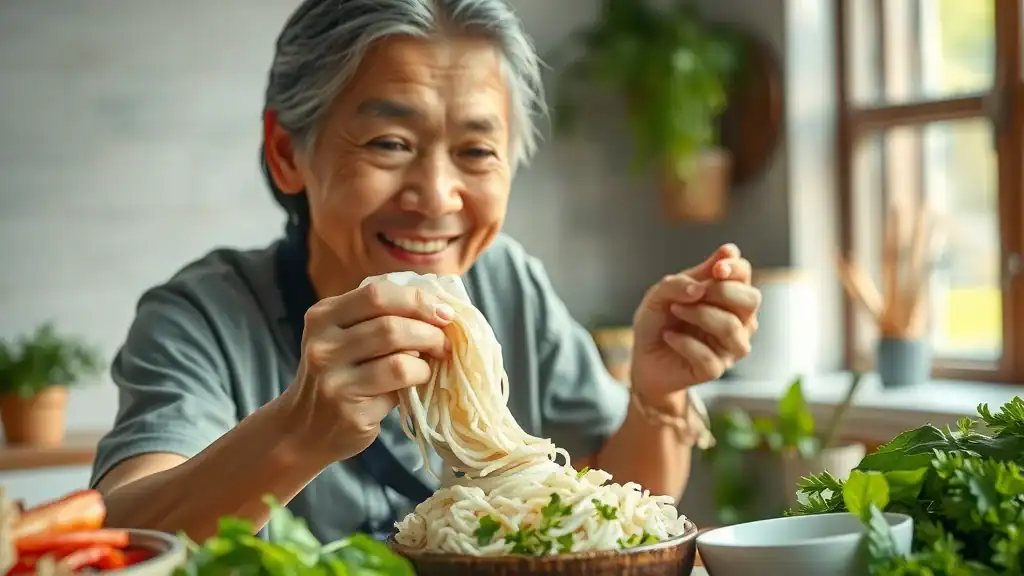
When you’re traveling in unfamiliar lands, especially after 50, ingredient safety and digestive ease become priorities. Southeast asia local cuisine leans heavily on naturally gluten-free bases like rice noodles and rice paper, making many dishes accessible for those with dietary restrictions. To ensure a pleasant food experience, opt for freshly made dishes, avoid raw seafood from roadside stalls, and ask for ‘no spice’ or ‘mild’ if you’re unaccustomed to local heat—a tip many mature travelers swear by. Bringing along allergy cards or translation apps can help in communicating preferences and sensitivities to street food vendors.
Carrying a small kit with wet wipes, hand sanitizer, and personal cutlery can add peace of mind when sampling from bustling food stalls. Be sure to try fresh fruit juices and smoothies, but request them without added ice if concerned about water purity. Many retirees also find comfort in seeking out local eateries popular with older locals—these spots tend to prioritize both hygiene and flavor over tourist volume, making every culinary adventure safer and more satisfying.
Iconic Dishes in Southeast Asia Local Cuisine: What to Taste First
Tom Yum: More Than Just Thai Soup
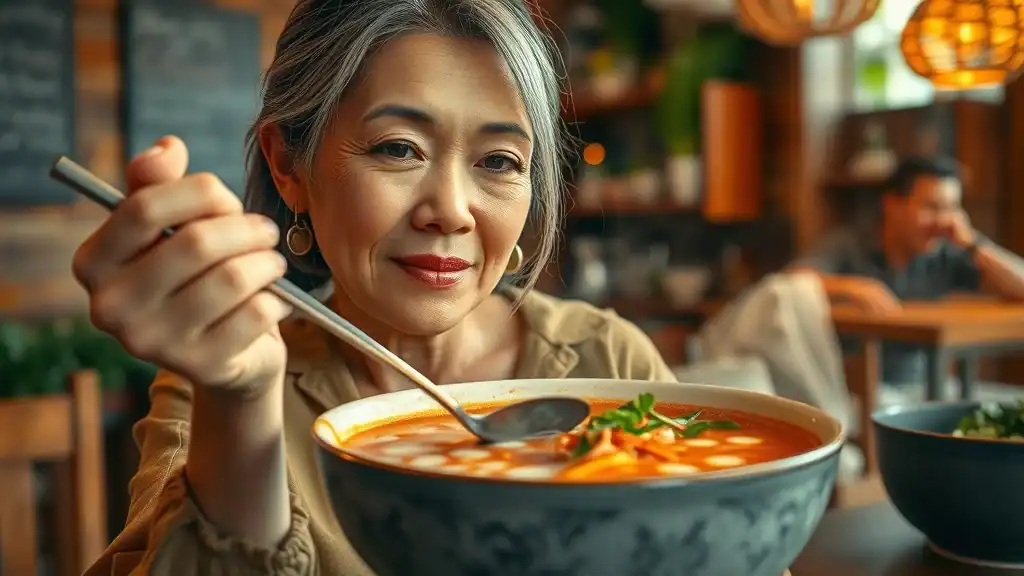
Tom yum isn’t just a soup—it’s an icon of thai food and a highlight of southeast asia local cuisine. Characterized by a clear, fragrant broth, it features notes of lemongrass, kaffir lime leaves, galangal, chili, and a balance of fish sauce and lime juice. Prawns or chicken are typically added, delivering protein while letting the soup’s sour and spicy essence shine. Seniors traveling in Thailand often discover that tom yum can be enjoyed in many forms: with silky rice noodles, over boiled egg, or with added coconut milk for a milder flavor (known as tom kha).
What fascinates mature travelers about tom yum is its customizability—ordering levels of spice, herbaceousness, and protein. The broth is not only comforting and aromatic but also brims with immunity-boosting ingredients prized for centuries. It’s easy on digestion and packed with refreshing flavors, making it a must-try dish, especially for those discovering asian food anew or wanting to compare regional variants of beloved classics.
Pad Thai: The Story Behind the World’s Favorite Thai Noodle
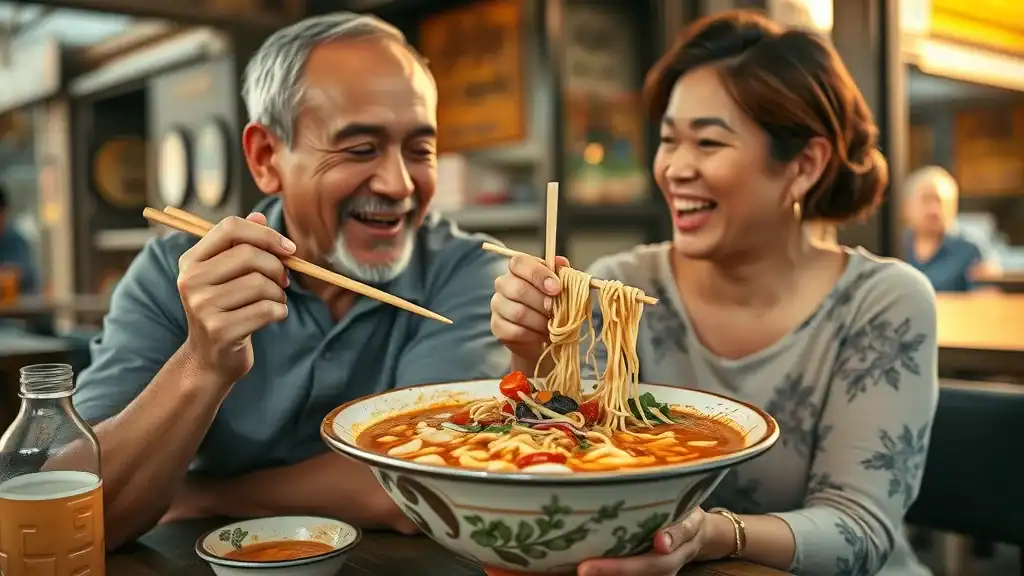
Pad thai is internationally known, but there’s nothing like eating it hot off a local wok surrounded by the clatter of Thai street markets. Created as a nationalistic dish in the mid-20th century, pad thai unites rice noodles, eggs, shrimp or tofu, and a medley of toppings like bean sprouts, crushed peanuts, and green onions. The magic is in the balance of sweet from palm sugar, tart from tamarind or lime juice, and salt from fish sauce—all sautéed together to create one of the most inviting plates in southeast asian food.
Retiree food explorers will appreciate how each street vendor personalizes their pad thai, often offering adaptations for dietary needs such as vegetarian versions or toned-down spiciness. With fresh herbs and textures of crunchy peanuts and bean sprouts, even seasoned travelers are surprised by how local versions differ from what’s served back home. Eating pad thai in situ is a rite of passage—one best experienced in the company of locals who can point you to the hidden best stalls in town.
Khao Soi: Chiang Mai’s Soulful Curry Noodle
A Northern Thai treasure, khao soi is often the highlight of a culinary journey to Chiang Mai or the wider region. This soulful dish features egg noodles swimming in a golden, coconut-based curry, topped with crispy fried noodles, pickled mustard greens, diced shallots, and fresh lime. The fusion of Burmese, Lao, and Thai influences makes every spoonful a storytelling moment. Its complexity and creaminess are especially appealing for mature palates seeking depth and comfort.
Enjoying khao soi is not just about flavors, but also texture—the interplay between chewy and crunchy noodles, and the comforting warmth of coconut milk. Retirees traveling in Northern Thailand often find this dish a gentle introduction to Southeast Asian spices, with the ability to add heat or keep it mellow. It’s a meal that lingers in memory and calls for a return visit.
Fish Amok: Cambodian Heritage on a Plate
Fish amok is Cambodia’s crowning dish, celebrated for its custard-like texture and gentle interplay of heat and sweetness. At its core is delicate white fish, smothered in a blend of coconut milk, fish sauce, turmeric, lemongrass, and local herbs, then steamed in banana leaf cups. Unlike fiery Thai curries, fish amok is smooth and nuanced, reflecting the essence of Cambodian cuisine—where food is meant to nourish and intrigue but not overwhelm.
Food-lovers over 50 describe fish amok as comfort food elevated by tradition. It’s often found in family-run restaurants and local markets, making it a prime candidate for travelers eager to eat authentically while staying gentle on digestion. This dish demonstrates how southeast asia local cuisine excels at combining accessibility with sophistication, ensuring that everyone—regardless of age or eating style—can enjoy.
Street Food as Southeast Asian Food Culture’s Beating Heart
- Best places for authentic southeast asia local cuisine street food by country
- Choosing safe, age-friendly street food experiences
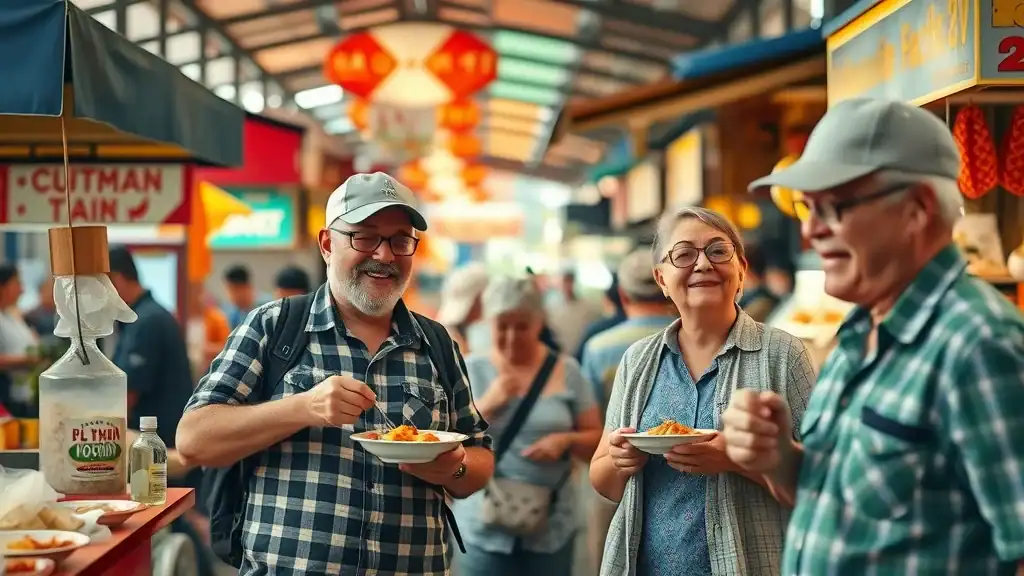
Street food is not just convenient—it’s the true heart and soul of southeast asia local cuisine. Markets buzz from early morning at dawn until long after sunset, offering a dizzying variety of snacks and single-dish specialties. For retirees and travelers over 50, navigating the street food scene is both thrilling and rewarding; look for busy stalls with high turnover to gauge freshness, and reputable vendors who maintain cleanliness and warmth.
Among the top destinations are Bangkok’s Chatuchak and Yaowarat markets, Kuala Lumpur’s Jalan Alor, Saigon’s Ben Thanh market, and Cambodia’s Battambang night market. For age-friendly exploration, choose daytime markets and stalls near popular temples or local municipal centers, where the pace is gentle and rest stops are plentiful. Many mature travelers find their best food moments emerge from small interactions with stall owners or other retirees in line—a reminder that food in Southeast Asia is community at its best.
Southeast Asia Local Cuisine vs. East Asia: Key Differences Explained
- Cooking styles and spice levels (contrasting southeast asian and east asian food)
- Dietary approaches better for mature sensitivity
- Common misperceptions about the two regions
While both regions share some ingredients and techniques, southeast asia local cuisine and east asian food diverge in their treatment of flavor and presentation. Southeast Asian food excels in bright, bold, aromatic flavors, leaning into sour, spicy, and herbal profiles thanks to liberal use of lime juice, lemongrass, basil, and chili. East asian cuisine, including Chinese, Japanese, and Korean fare, often features milder, subtler tastes—think soy sauce, ginger, and delicate broths—making for hearty, but less fiery, meals.
For older adults and travelers with sensitive stomachs, southeast asian food provides many gentle options—like rice noodle soups, steamed fish, and coconut-based curries—while also letting you opt out of spice. There’s a common misconception that Southeast Asia’s cuisine is always too hot or complicated, but the truth is that it adapts beautifully to diverse diets. Understanding this difference empowers senior travelers to confidently seek local delicacies that align with both taste and health needs, making every meal comfortable and exciting.
Eating Like a Local: Southeast Asia Local Cuisine Travel Hacks for Over-50 Travelers
- How to find truly local cuisine without crowds
- Ordering like a pro: language, etiquette, and dietary safety (gluten sensitivity, nursing upset stomachs)
- Must-carry supplies: sanitizers, translation apps, dietary cards
The secret to eating like a local at age 50+ is to look beyond tourist hubs. Ask hotel staff, seasoned guides, or local retirees where they eat for authentic southeast asia local cuisine. Visit neighborhood wet markets early in the day or choose food stalls tucked away from main boulevards. Use translation apps or pre-written dietary cards to clearly state allergies or preferences—vendors are usually more than happy to accommodate, especially for older customers. When in doubt, order simple noodle soup or stir-fried rice dishes, which are gentle on the stomach and brimming with authentic flavor.
Always carry sanitizer, wet wipes, and a reusable water bottle. Having tools like a phrasebook or digital translation app makes it easier to communicate needs, while basic etiquette—such as greeting vendors politely and paying with exact change—fosters positive experiences. Stay flexible, be willing to follow local dining rhythms, and you’ll carve a culinary adventure that’s every bit as memorable as your travels themselves.
Hidden Culinary Treasures: Lesser-Known Dishes in Southeast Asia Local Cuisine
- Sample dishes from Laos, Brunei, Myanmar, and Timor-Leste
- Local tips for finding homestyle southeast asian food
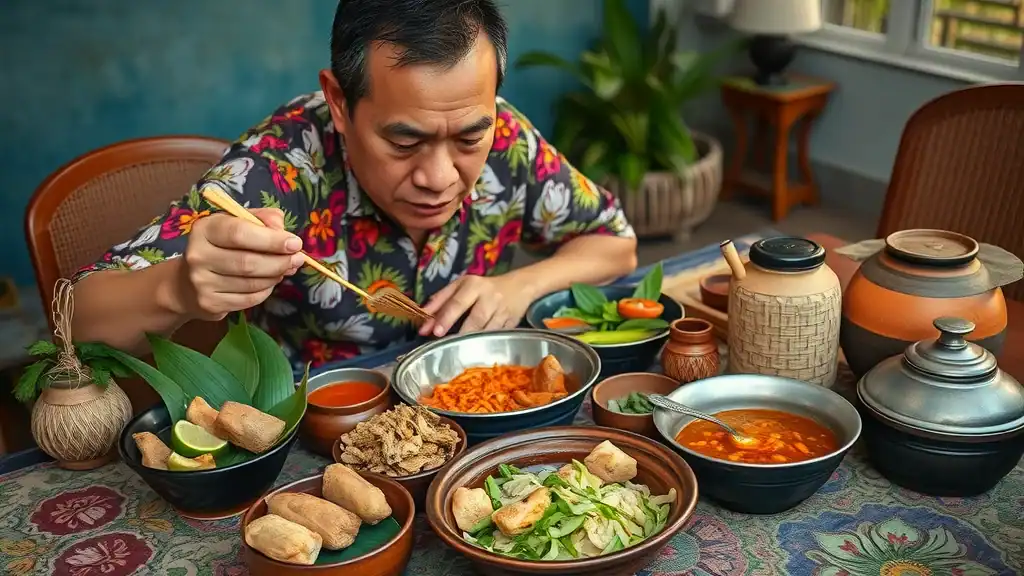
Venture beyond the familiar and you’ll discover hidden gems like Laotian larb (zesty minced meat salad), Brunei’s nasi lemak (coconut rice with condiments), Myanmar’s mohinga (fish noodle soup), and Timor-Leste’s ikan pepes (spicy grilled fish in banana leaves). Retirees and foodies alike find that homestyle establishments—family-run, set on side streets or in rural towns—offer the most authentic and memorable flavors. Locals are often happy to share their favorite haunts with travelers who show curiosity and respect.
These lesser-known dishes don’t rely on heavy spice or rare ingredients, but rather freshness and a touch of tradition. Look for eateries frequented by elders or workers on their lunch break; here, recipes are passed down through generations. Trying a dish you’ve never heard of, guided by a local tip, is often the highlight of a seasoned eater’s journey.
Country-by-Country Guide to Southeast Asia Local Cuisine Hotspots
Thailand: Local Cuisine Adventures Beyond Pad Thai (including khao soi and tom yum)
In Thailand, every province offers its own twist on classics like khao soi and tom yum. Venture north for coconut-rich noodle soups, central for celebrated pad thai, and south for fiery curries and seafood. Don’t miss rural markets—these are rich in southeast asia local cuisine found nowhere else, like spicy larb or sweet, condensed milk desserts.
Seniors looking for culinary adventure should join local food tours focused on off-the-beaten-path dishes, or simply follow the crowds to popular hawker stalls during lunchtime for vibrant, conversation-filled meals.
Vietnam: Rice Paper, Pho, and Street Food Surprises
Vietnam’s claim to fame is its delicate balance of rice noodles (pho), fragrant broths, and crisp rice paper rolls filled with fresh herbs and grilled protein. While bustling Hanoi and Saigon markets serve iconic fare, the real joy lies in sidewalk stalls known only to locals. Don’t overlook bun cha (noodles with grilled pork), fresh fruit-based desserts, or complex dipping sauces.
Mature travelers find Vietnam’s food culture friendly: serving sizes can be small, allowing for multiple tasting sessions throughout the day, and many vendors customize spice or ingredients upon request, making every meal gentle and flavorful.
Malaysia and Singapore: A Melting Pot of Flavors and Peanut Sauce
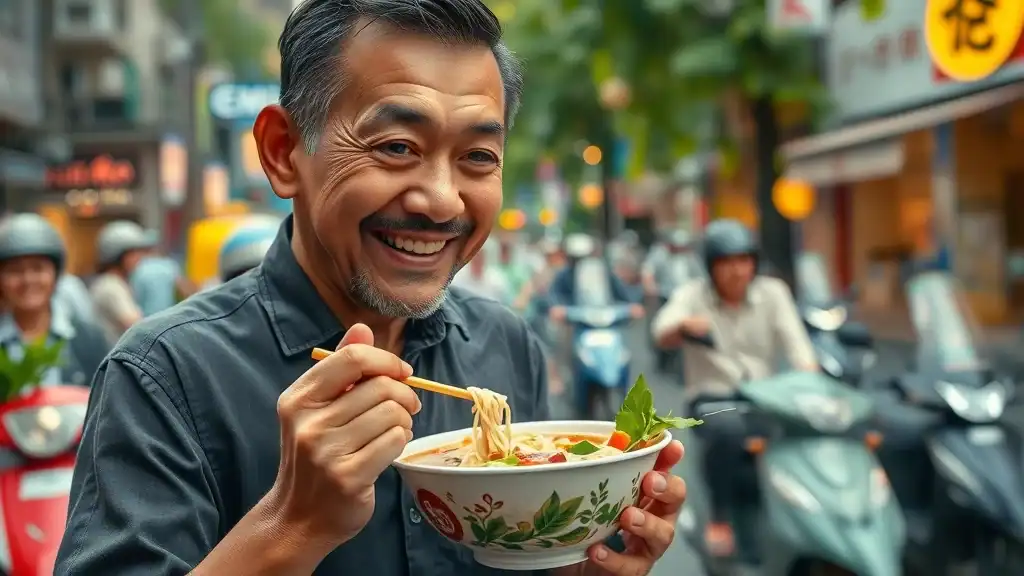
Malaysia and Singapore shine as culinary fusion capitals. Sample nasi lemak and laksa in Malaysia, or satay with freshly made peanut sauce in Singapore’s hawker centers. A sampling of Malay, Chinese, and Indian food traditions ensures no two meals are alike. Retirees should visit food courts (hawker centers are accessible and affordable) for safe, varied options at all hours.
The locals’ favorite tip: order small portions to try many plates—a strategy beloved by mature gourmands keen for maximum taste with minimum fuss. Both countries also lead the region in health and food safety, reassuring for those with dietary sensitivities.
Indonesia: Nasi Goreng and Regional Street Food
Indonesia’s gastronomic diversity is legendary, with nasi goreng (fried rice) reigning as a comfort food classic. But don’t miss soto ayam (aromatic chicken soup), beef rendang, or the grilled satay that benefits from that iconic peanut sauce. Jakarta’s markets and Bali’s warungs (family eateries) offer flavorful, easily accessible choices for all travelers—especially older food adventurers.
For a true taste of local hospitality, seek out places where multi-generational families dine together. Their satisfaction is the best review you’ll need to enjoy Indonesia’s regional specialties safely.
Cambodia and Laos: Fish Amok, Larb, and More
Cambodia’s markets are the best places to try fish amok alongside rice-based desserts and cooling iced coffee with condensed milk. In Laos, larb and sticky rice with grilled meats are favorites among retirees, offering intense flavor with low heat. Lao cuisine also emphasizes fresh vegetables and foraged herbs, often considered both tasty and medicinal by local elders.
Many towns offer market breakfast tours, perfect for older travelers wanting to explore safely in the cool morning hours. Take advantage of local guides to access hidden courtyards and home-based restaurants for a truly immersive culinary adventure.
Brunei, Myanmar & Timor-Leste: Off-the-Beaten-Path Experiences
For those with an appetite for exploration, Brunei’s halal markets, Myanmar’s mohinga stands, and Timor-Leste’s Portuguese-influenced curries offer new frontiers. Retiree travelers are often welcomed with extra care in these less-visited destinations, and meals can be arranged directly with local hosts or via senior-friendly culinary tours for added peace of mind.
Be sure to check local food festival calendars—small but vibrant events showcase rare dishes and ensure you’re part of community celebrations, making memories with every bite.
“I never imagined I’d eat fermented fish sauce and love every bite!” — Recent retiree, Vietnam trip
Southeast Asia Local Cuisine for Every Diet: Vegetarian, Halal, and Special Needs-Friendly Options
- How to find and request special southeast asian food accommodations
- Street food stalls versus restaurants safety for older adults and sensitive stomachs
Southeast Asia’s culinary scenes are keenly responsive to dietary requirements—particularly vegetarian, halal, and gluten-free diets. In major cities and tourist areas, you can easily request meals without meat, egg, or fish sauce, and many markets clearly mark halal options. For older travelers or those with sensitive digestion, sit-down restaurants are typically more accommodating than bustling food stalls; menus are translated, and hygienic standards are consistently high.
Carry a card with dietary needs listed in the local language—this small gesture opens doors and ensures your dietary health without awkwardness. If in doubt, start with simple vegetarian dishes (stir-fried morning glory, coconut curries), observe what mature locals are eating, and always choose freshly cooked over pre-prepared foods. With just a bit of planning, every traveler can find nourishing, delicious meals wherever their journey leads.
Dining Etiquette and Cultural Tips When Enjoying Southeast Asia Local Cuisine
- Chopsticks, hands, or spoons: How to eat street food and southeast asian dishes respectfully
- Common greetings, ordering, and tipping tips for mature travelers
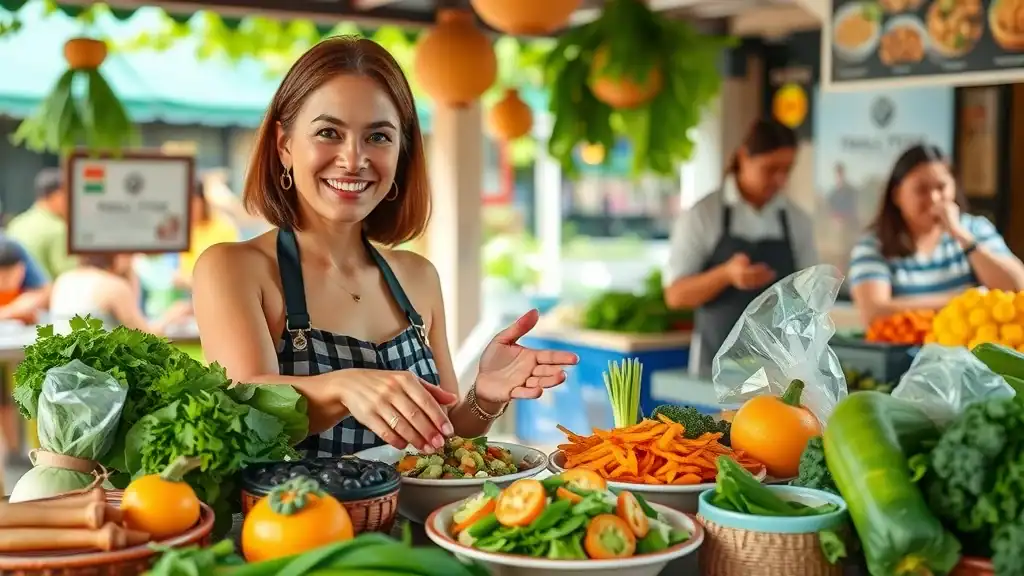
Understanding local dining etiquette elevates every meal. In Vietnam and Thailand, use chopsticks for noodles, but feel free to reach for a spoon when eating curry-like dishes. In Indonesia and Malaysia, dining with clean right hands is common, while in Singapore, a mix of chopsticks, spoons, and forks is acceptable. Older travelers are usually met with patience, but showing respect by observing how locals eat and following their lead is always appreciated.
Greet your host or vendor with a friendly “hello” or the local equivalent, and thank them after your meal—politeness transcends language. Tipping is not universally expected, but rounding up your bill or leaving loose change at informal stalls is a kind gesture. Senior travelers who adapt to local customs quickly find themselves recipients of extra hospitality and unique tips on the best (and safest) places to eat.
Health & Safety Tips for Trying Southeast Asia Local Cuisine
- How to choose age-appropriate dishes for digestion
- Hygiene and medical safety tips for retirees: street food do’s and don’ts
- Where to get medical help if you react poorly to southeast asia local cuisine
Health and safety come first—especially when new spices, unfamiliar ingredients, or street food are involved. Start by selecting fully cooked dishes and always ask for ‘low spice’ if uncertain. Taste testers over 50 often recommend sampling soups, grilled dishes, and steamed meals first—they’re easiest on the stomach and less likely to cause upset. Avoid ice from unknown sources or raw seafood unless at a reputable restaurant. Hygiene counts: choose clean, busy stalls, and trust your senses—if something smells “off,” skip it.
If a meal disagrees with you, local pharmacists are helpful and inexpensive, and most cities have clinics friendly to international travelers. Keep your health insurance card and a list of current medications handy, just in case. Above all, enjoy your culinary adventure by listening to your body, pacing your explorations, and always putting well-being first.
“The secret is to start mild, ask for ‘no spice,’ and build your courage!” — Experienced Boomer Traveler
Unmissable Street Food Festivals and Local Cuisine Events in Southeast Asia
- Yearly food celebrations and how to join
- Senior-friendly events: schedules, accessibility, and safety
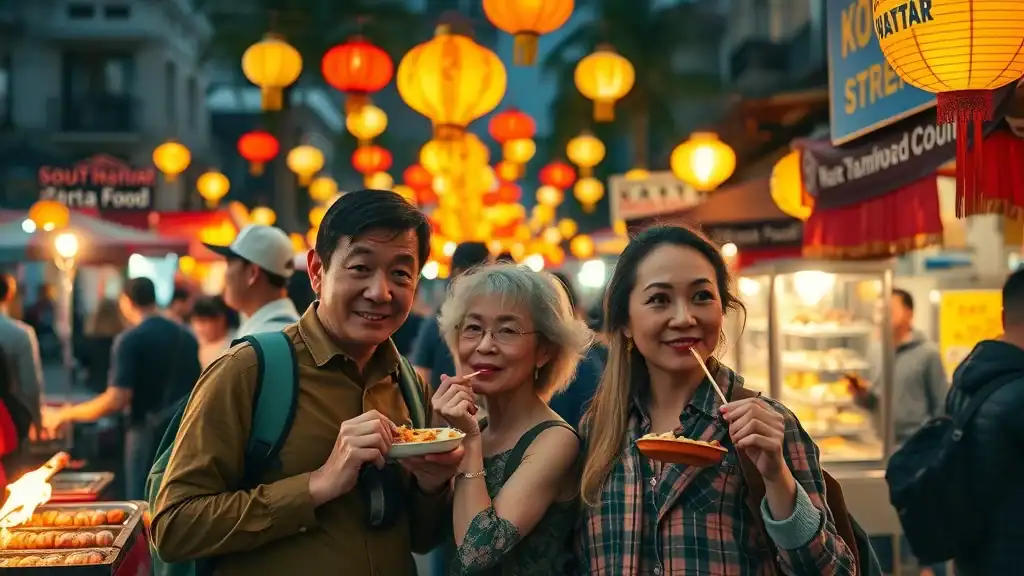
For those who want to immerse in food culture, time your trip with regional food festivals. Thailand’s Songkran marks delicious new-year treats, Singapore’s International Food Festival celebrates multi-ethnic flavors, while Penang and Lao cities host lively night food fairs. The best part? Many events are held in centrally located, accessible areas with seating and shade—perfect for older travelers. Organizers often provide detailed schedules, so you can plan visits for quieter hours or special senior tasting sessions.
Participating in these festivals is more than just a meal—it’s about celebrating the region’s culinary history, meeting like-minded travelers, and being part of the local community’s joy. Bring an appetite, an open mind, and you’ll return with unforgettable food stories.
FAQ: Demystifying Southeast Asia Local Cuisine for First-Time and Senior Travelers
Q: What food is Southeast Asia known for?
Southeast Asia is celebrated for street food staples like pad thai, tom yum, khao soi, satay, pho, fish amok, and nasi goreng. Each boasts fresh herbs, bold seasonings, and balance—from spicy to savory and sweet. Local food stalls and markets are the best places to sample these must-try plates.
Q: What is the main cuisine of Asia?
Asia’s cuisines range from the savory, wheat-and-noodle-based fare of east asian countries to the vibrant, rice- and herb-forward meals of Southeast Asia. While east asian food (Chinese, Japanese, Korean) often relies on soy sauce and mild broths, southeast asian food features coconut milk, fish sauce, chili, and lime.
Q: What is Southeast Asia’s major food crop?
Rice is the cornerstone of southeast asia local cuisine, appearing in everything from rice noodles and rice paper to main courses and desserts. Its cultivation shapes economies and meals in every country across the region.
Q: What is Southeast Asia most known for?
Beyond lush landscapes and rich history, Southeast Asia is most famous for its dynamic food culture—joyfully diverse, welcoming to outsiders, and always full of surprises. From bustling street food scenes to refined home cooking, memorable flavor is never far away.
Key Takeaways: Why Southeast Asia Local Cuisine Should Top Your Travel List After 50
- Southeast asia local cuisine is an adventure for retirees, offering variety and manageable health choices
- Distinct from east asian and other asian food scenes
- Rich culinary history, easily accessible via street food and local markets
Planning Your Next Culinary Adventure for Southeast Asia Local Cuisine
- How to plan and book southeast asia local cuisine tours
- Tips on responsible travel and food safety for seniors
- Essential packing list for culinary explorers over 50
Research and book local food tours in advance to ensure guides can accommodate your pace and dietary needs. Choose companies familiar with older travelers—their tours often include seated breaks and senior-friendly transportation. Practice responsible travel: use reusable utensils, respect local customs, and sample in moderation. Key items for your suitcase? Wet wipes, hand sanitizer, a reusable water bottle, dietary cards in local languages, and a sense of culinary curiosity.
Email us at kevin@southeastasiainsider.com for help with your next Asia Adventure
Conclusion: Let southeast asia local cuisine open new horizons for you—taste boldly, travel thoughtfully, and cherish every bite. Your next culinary adventure is waiting!