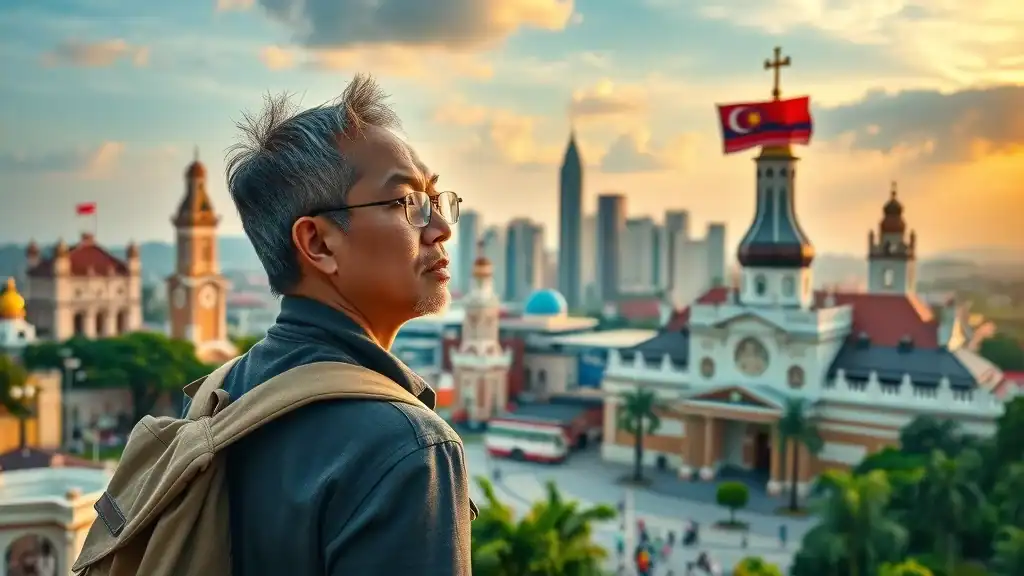
Did you know Malaysia is home to four UNESCO World Heritage Sites—making it one of Southeast Asia’s densest concentrations of world heritage treasures, from ancient cave temples to colonial cityscapes? Whether you’re a history enthusiast or passionate about travel, Malaysia’s cultural sites offer a dynamic tapestry of history, spirituality, and vibrant tradition
A Startling Look at Malaysia Cultural Sites – The Hidden Treasures of History and Heritage
Most travelers are surprised to learn Malaysia’s cultural sites are as diverse as its people—spanning ancient temples, grand mosques, bustling colonial city centers, natural wonders, and festive street markets. These places are not just tourist destinations; they are living pages from Malaysia’s multi-ethnic narrative, weaving connections between early Chinese settlers, Indian migrants, Malay kingdoms, and European colonial powers. These heritage sites serve as the country’s cultural anchors—the beating heart of both urban hubs like kuala lumpur and historic gems such as george town or melaka.
Within the vibrant blend of world heritage sites and local traditions, you’ll encounter everything from iconic cave temples to the bustling markets of kota kinabalu and national parks showcasing unparalleled natural beauty. These landmarks don’t just whisper the tales of Malaysia’s past—they broadcast a call to preservation and discovery for the future. In this guide, uncover the historical significance, hidden stories, and practical travel tips behind each of Malaysia’s celebrated and emerging cultural heritage destinations.
Malaysia Cultural Sites by the Numbers: An Unexpected Legacy
Spanning over 887 islands and peninsulas, Malaysia has enthralled the world with its multicultural heritage. Four UNESCO World Heritage Sites, dozens of national parks, and hundreds of temples and colonial buildings inspire millions of visitors each year. According to a renowned Malaysian historian:
“Malaysia’s cultural sites are a vibrant tapestry that connects our present to a profound past.”
These numbers only begin to illustrate the depth of the nation’s historical significance, and the impact of preserving such legacy for generations to come.
What You’ll Learn in This Guide to Malaysia Cultural Sites
- Discover iconic world heritage and heritage sites in Malaysia
- Explore stunning cave temples, mosques, and temples
- Learn about Malaysian cultural traditions and significant national parks
- Find practical tips to visit george town, kuala lumpur, and kota kinabalu
Malaysia Cultural Sites: Understanding Malaysia’s Unique Heritage
What Defines a Malaysia Cultural Site and a Heritage Site?
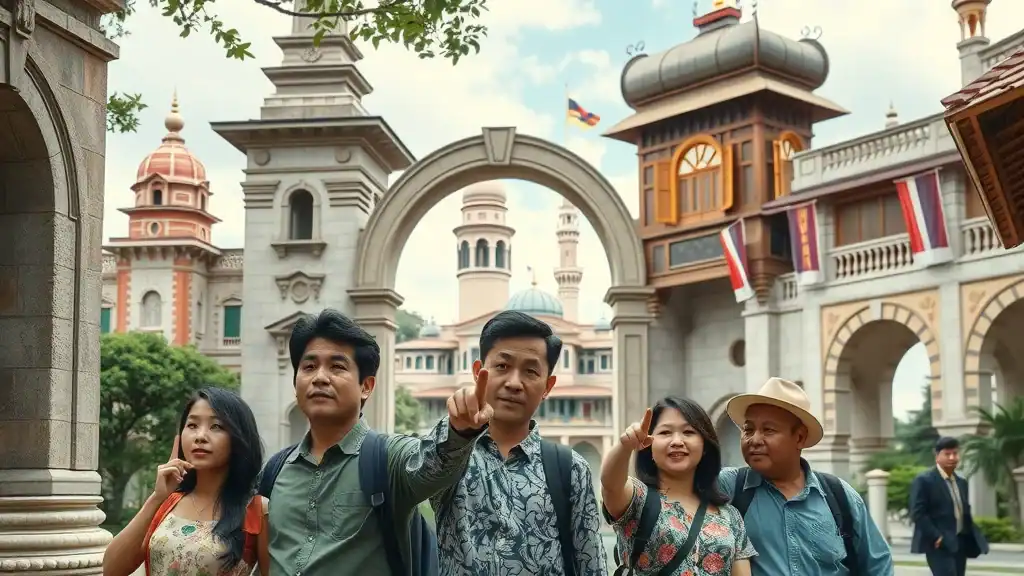
Malaysia cultural sites are distinguished by their blend of indigenous, colonial, and migrant influences. These sites may include ancient cave temples like Batu Caves, centuries-old mosques such as Masjid Negara, and historic streets in george town and melaka. Their historical significance often goes beyond architecture, encompassing spiritual traditions, local art, and living customs handed down through generations.
A heritage site is usually recognized for its unique value—cultural, historical, natural, or a combination—and is protected at the local, national, or international level. To earn a UNESCO World Heritage Site designation, for instance, places must meet criteria that highlight their role as custodians of humanity’s shared legacy. In Malaysia, early Chinese settlers, Indian diaspora, and centuries of Malay rule have all shaped a heritage reflecting Southeast Asia’s evolving tapestry.
Malaysia Cultural Sites and World Heritage Site Designations
Of the many heritage sites across Malaysia, only a select few receive the distinction of UNESCO World Heritage Site. Examples include the historic cities of George Town and Melaka—both recognized for their unique multicultural streetscapes—and natural wonders like Kinabalu Park and Gunung Mulu National Park, renowned for their exceptional biodiversity. These designations help protect the historical significance and natural beauty of Malaysia’s most treasured sites on a global stage.
The World Heritage Sites: Malaysia’s Global Gems
George Town – A Living World Heritage Site
George Town, the capital of Penang, epitomizes Malaysia’s multicultural brilliance. Its historic streetscapes boast a unique fusion of Chinese clan houses, colonial shophouses, ornate temples, and vibrant street art, all set against the backdrop of the Malacca Strait. Early Chinese settlers and British colonists left an indelible mark—visible in structures ranging from the Khoo Kongsi clan house to Queen Victoria Memorial Clock Tower.
- Historic streetscapes and diverse architecture
- Chinese clan houses, colonial-era shophouses
Today, George Town is a thriving UNESCO World Heritage Site, where every alleyway reveals a new layer of historical significance. Visitors can indulge in street food, marvel at colorful murals, and explore heritage museums that tell the story of Penang’s rise as a cosmopolitan trading hub in East Asia.
Melaka and the Christ Church: Tracing Colonial Heritage
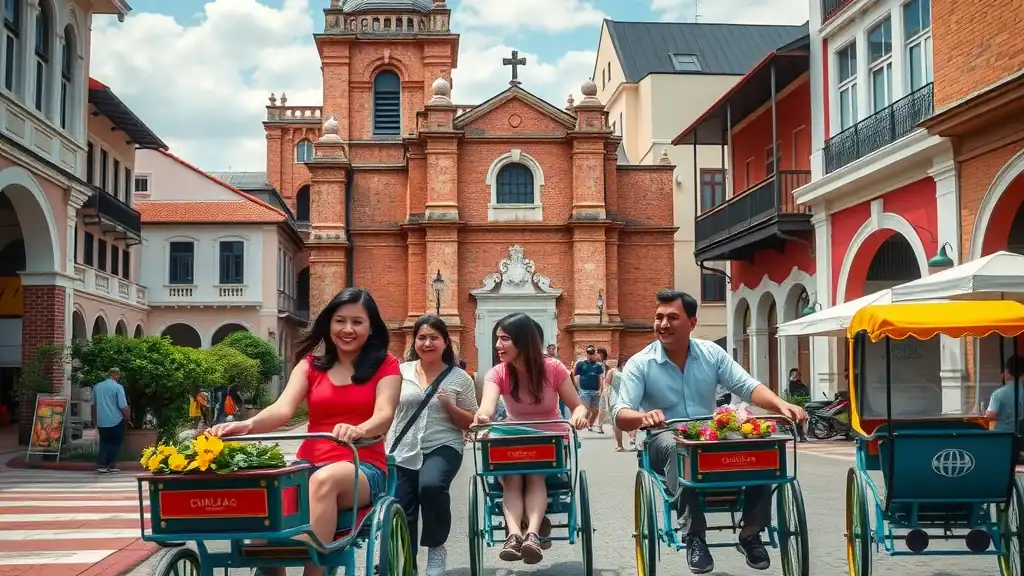
Equally renowned, Melaka has been at the crossroads of Malay, Portuguese, Dutch, and British empires. The city’s Christ Church—with its striking red-brick façade—stands as a powerful symbol of Dutch colonial influence, while lively Jonker Street teems with antique dealers and Peranakan eateries.
- Christ Church and Dutch influences
- Vibrant Jonker Street
Melaka’s UNESCO World Heritage Site status reflects its role as the entry point of Islam into East Asia, and a melting pot of maritime trade and settlement. Today, the layering of mosques, temples, and colonial buildings brings the historical significance and cultural diversity of Malaysia to life. Don’t miss the trishaw rides or the scenic riverside, perfect for immersing in the city’s living heritage.
Kinabalu Park: Malaysia’s Natural World Heritage Site
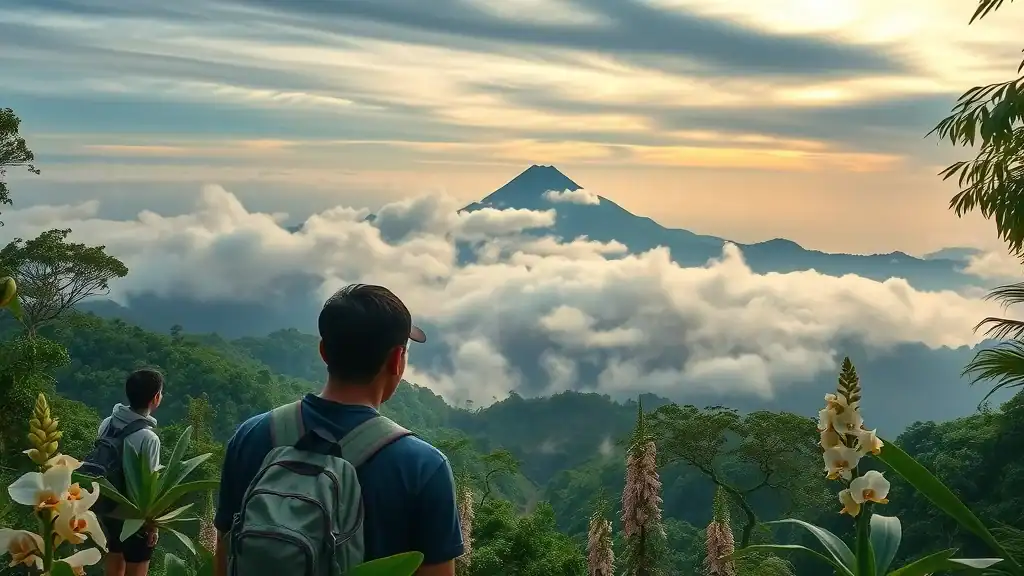
Not all world heritage in Malaysia is man-made—Kinabalu Park in Sabah is a prime example of natural majesty. Centered around the mighty Mount Kinabalu, this national park boasts one of the world’s richest ecosystems, ranging from lowland rainforests to alpine meadows. The park shelters rare orchids, pitcher plants, and unique wildlife, making it a UNESCO World Heritage Site for its biodiversity.
- Mount Kinabalu’s rich biodiversity
- National park attractions for nature lovers
For nature enthusiasts, a visit to Kinabalu Park means hikes through misty forests, visits to botanical gardens, and panoramic views from canopy walks. The area’s blend of conservation, research, and responsible tourism underlines Malaysia’s commitment to protecting its natural heritage and ensuring these wonders remain for future explorers.
Within Kuala Lumpur: Urban Malaysia Cultural Sites
Kuala Lumpur City Gallery and Museums
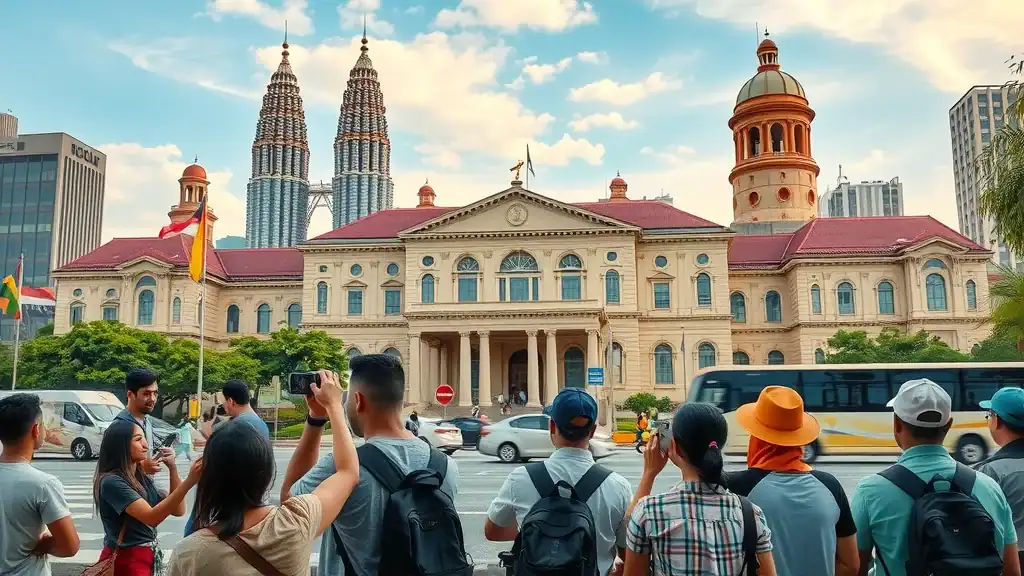
Malaysia’s capital, kuala lumpur, melds cutting-edge urbanity with profound heritage. The National Museum stands as a gateway to Malaysian history, featuring galleries on early civilizations, royal regalia, and stories of world war resilience. Steps away, the Sultan Abdul Samad Building lines Merdeka Square, echoing the nation’s colonial and independence-era milestones.
- National museum
- Sultan Abdul Samad building
These icons, surrounded by modern skyscrapers and bustling traffic, represent the continuous evolution of Malaysia cultural sites. Walking tours, multimedia exhibits, and heritage trails offer in-depth encounters with artifacts and stories that shaped both Kuala Lumpur and Malaysia’s greater identity.
Islamic Heritage: Masjid Negara, The National Mosque
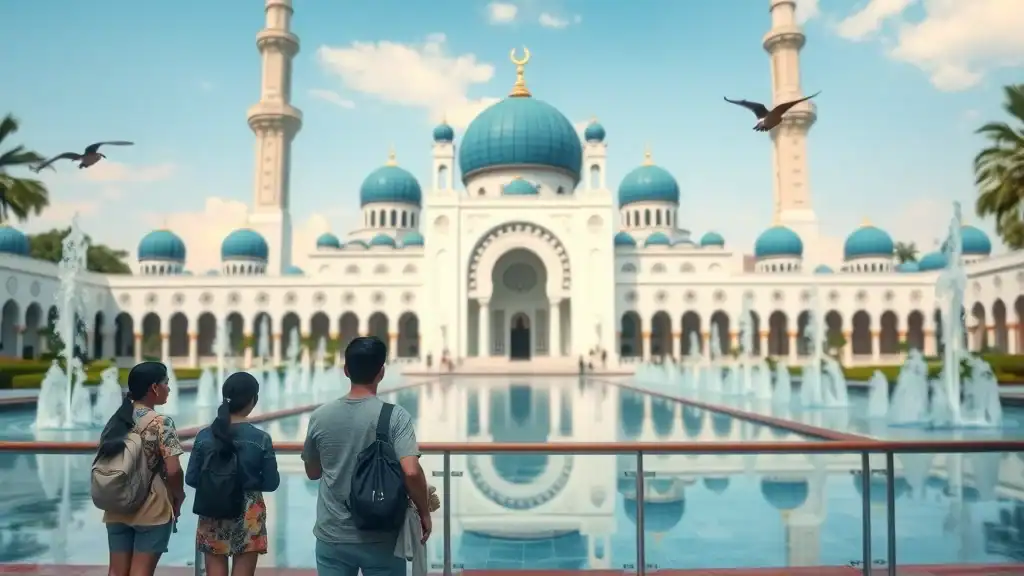
Dominating Kuala Lumpur’s skyline is Masjid Negara—the National Mosque. Completed in 1965, its modernist design fuses Malay and Middle Eastern motifs with a stunning blue-tiled roof and 73-meter-high minaret. The mosque is more than an architectural marvel: it is a center for quiet reflection, vibrant prayer gatherings, and community outreach, symbolizing Malaysia’s strong Islamic heritage within its multicultural society.
Visitors are welcome to tour the serene gardens, attend guided tours, and marvel at intricate calligraphy and tilework that line the grand halls. As both an iconic heritage site and a living religious center, Masjid Negara demonstrates the respectful co-existence of cultures that defines Malaysia cultural sites.
Street Food and Cultural Festivities in Malaysia’s Capital
The soul of Kuala Lumpur thrives in its vibrant street food markets. From bustling Jalan Alor to Petaling Street, vendors dish out everything from spicy laksa to aromatic satay, bringing together flavors rooted in Malay, Chinese, and Indian culinary traditions. These food havens do more than delight the palate—they encase living tradition and shared history.
Kuala Lumpur is equally alive during festivals: Ramadan bazaars, Chinese New Year dragon dances, and Deepavali light parades fill the city with sights, sounds, and flavors unique to Malaysia. These occasions are prime times to witness the fusion of ancient customs and modern joy—an essential feature of every heritage site visit in Malaysia.
Sacred Temples and Cave Temples among Malaysia Cultural Sites
Kuan Yin Temple and Mariamman Temple: Cultural Pillars
Among Malaysia’s oldest and most revered temples, the Kuan Yin Temple in Penang and the Mariamman Temple in Kuala Lumpur exemplify the country’s longstanding commitment to spiritual pluralism. The Kuan Yin Temple, built by early Chinese settlers, honors the Goddess of Mercy and serves as a vibrant hub of prayer during the Hungry Ghost Festival and other Taoist celebrations.
The Mariamman Temple is Malaysia’s oldest functioning Hindu temple, renowned for its intricate gopuram (tower) and vivid statues representing stories from South Indian mythology. Both temples remain popular pilgrimage sites, hosting annual ceremonies and rituals that attract followers and tourists alike, standing as “living testimonies to Malaysia’s pluralism,” according to Dr. A. Tan, Cultural Anthropologist.
“Temples such as Kuan Yin and Mariamman stand as living testimonies to Malaysia’s pluralism.” – Dr. A. Tan, Cultural Anthropologist
Batu Caves and Other Notable Cave Temples
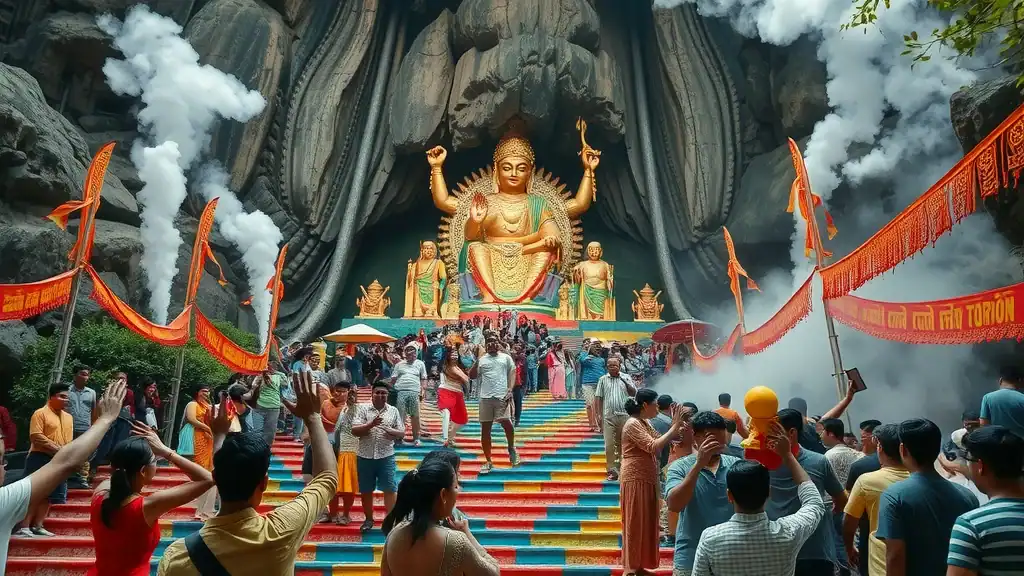
Batu Caves is the undisputed icon among Malaysia’s cave temples. Carved into a dramatic limestone cliff just outside Kuala Lumpur, this site serves as the focal point of the Hindu festival, Thaipusam. Each year, hundreds of thousands climb the vibrant stairway and participate in rituals within the main cave temple, paying homage to Lord Murugan.
- Thaipusam festival and cave temple rituals
Beyond Batu Caves, Malaysia’s landscape is dotted with lesser-known cave temples—Perak’s Sam Poh Tong and Ipoh’s Kek Lok Tong among them—each bearing witness to centuries of faith, adaptation, and cross-cultural influence. These heritage sites encapsulate the mystical allure, spiritual diversity, and breathtaking geology that set Malaysia apart as a treasure trove of sacred spaces.
Fortresses, Churches, and Icons: Historical Malaysia Cultural Sites
Fort Cornwallis – A Heritage Site of Strategic Importance
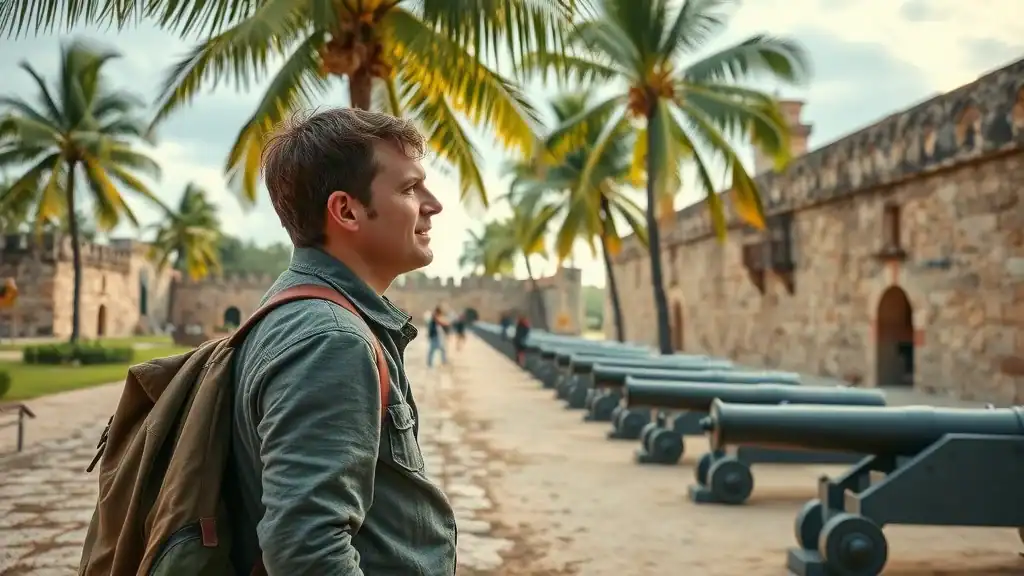
Fort Cornwallis in George Town ranks among Malaysia’s oldest existing European-built fortifications. Constructed by the British East India Company in the late 18th century, it originally served as a defense post against pirates and rival colonial powers. Today, this heritage site houses antique cannons, a restored chapel, and interactive museums that recreate Penang’s colonial-era hustle, from maritime Indian spice shipments to the first Anglican Church in Southeast Asia.
Strolling through Fort Cornwallis, visitors experience the interplay of military strategy and multicultural collaboration—British officers, Indian soldiers, and early Chinese traders once crisscrossed these grounds. The fort’s enduring cannons and ramparts have become symbols of Penang’s historical significance and living commitment to preservation.
St. Paul’s Church: Remnants of European Heritage
Perched atop St. Paul’s Hill in Melaka, St. Paul’s Church stands as a poignant reminder of Malaysia’s Portuguese and Dutch heritage. Originally built as a Catholic chapel in 1521, it later served as a Protestant church and even as a lighthouse during British rule. Its stark, weathered stone walls and open-air tombs create a reflective atmosphere, while sweeping city views recall centuries of global maritime trade.
As the resting place of St. Francis Xavier and a stop on most heritage trails, St. Paul’s Church manifests the multicultural and multi-faith heritage that defines Malaysia cultural sites—a locale where the echoes of early colonial, Asian, and missionary influences harmoniously intertwine.
National Parks and Natural Heritage Sites in Malaysia
Taman Negara – The Oldest National Park
Taman Negara is Malaysia’s oldest and most expansive national park—an ancient rainforest said to be over 130 million years old. Visitors are drawn here by the thrill of wildlife sightings, birdwatching, and adrenaline-fueled canopy walks—swaying suspension bridges perched high above the forest floor.
- Wildlife, canopy walks, and rainforest adventures
Beyond adventure, Taman Negara also preserves the traditions of local Orang Asli (indigenous peoples), who share stories and craftwork rooted in sustainable harmony with the land. Home to tapirs, hornbills, and the elusive Malayan tiger, Taman Negara’s historical significance stretches from prehistoric ecology to modern ecotourism.

Gunung Mulu National Park: Caves, Peaks, and Biodiversity
Gunung Mulu National Park in Sarawak is a UNESCO World Heritage Site renowned for its extraordinary karst formations, limestone pinnacles, and the world’s largest cave chambers. Explorers flock here to experience the Deer Cave—a “stadium-sized” cavern buzzing with bats—and to scale the peaks of Mount Api for panoramic rainforest vistas.
Biodiversity thrives in Mulu’s dense jungle, home to hundreds of bird species, unique orchids, and hidden rivers. The park’s international reputation for adventure spelunking and scientific study makes it a crucial component of Malaysia’s protected natural heritage.
| Site Name | Location | Type (Natural/Cultural) | World Heritage Status |
|---|---|---|---|
| George Town | Penang | Cultural | Yes |
| Melaka | Malacca | Cultural | Yes |
| Kinabalu Park | Sabah | Natural | Yes |
| Gunung Mulu National Park | Sarawak | Natural | Yes |
Malaysia Cultural Sites: On the Tentative List and Hidden Gems
What is Malaysia’s Tentative List?
Malaysia’s tentative list includes sites considered for future UNESCO World Heritage nomination. The list highlights locations of outstanding historical or ecological importance yet to achieve global recognition. Examples range from the Royal Belum State Park, famed for its ancient rainforest and indigenous cultures, to the archaeological remains in Bujang Valley, Kedah.
The tentative list allows conservationists, policymakers, and communities to advocate for protection and prepare detailed proposals for UNESCO consideration. These initiatives ensure Malaysia’s undervalued or emerging heritage is not lost amid rapid modernization and urbanization.
Emerging Heritage Sites Worth Discovering
Venturing beyond the classics unveils a world of hidden gems—from Kota Kinabalu’s blend of coastal city and mountain landscapes to Sarawak’s longhouse villages and Terengganu’s floating mosques. Adventurous travelers can uncover historical towns, colonial bridges, and ancient ruins that form the living soul of the nation’s evolving identity.
- Kota Kinabalu’s urban and natural offerings
- Traditional villages and lesser-known temples
Many Malaysia cultural sites thrive off the beaten path: quiet Chinese temples draped in incense, living heritage villages where crafts are handed down, or tranquil beaches with vestiges of white sand tradition and old-world fishing customs. These spots offer immersive experiences, ideal for those seeking authenticity beyond Malaysia’s international airport arrivals.
Traditions and Festivities at Malaysia Cultural Sites
Multicultural Festivals: Eid, Deepavali, Chinese New Year
Malaysia is celebrated for its tapestry of multicultural festivals. Eid al-Fitr (Hari Raya Aidilfitri), Deepavali (Diwali), and Chinese New Year are observed nationwide with public celebrations, open houses, and vibrant processions. Towns and cities come alive with lanterns, fireworks, and traditional costumes as people of every background join the festivities.
These occasions are not simply holidays—they’re opportunities for communities to showcase song, dance, crafts, and cuisine that affirm Malaysia’s pluralistic spirit. Participating in these festivals offers travelers an intimate window into the soul of each heritage site, creating connections that transcend language or creed.

Street Food, Traditional Arts, and Local Markets
No journey through Malaysia cultural sites is complete without savoring the rich array of street food and traditional arts. Night markets in Penang, Ipoh, and Johor fill the air with the scent of grilled satay, nasi lemak, and freshly made roti canai. Between food stalls, artisans display hand-painted batik, intricate pewter work, and wood-carved souvenirs, all reflecting centuries of craftsmanship.
Local markets also double as venues for performing arts, puppetry, and music—alive with the legacy of Chinese opera, Malay gamelan, and Indian classical dance. The vibrancy and communal atmosphere of these places confirm Malaysia’s status as a crossroads of artistic and culinary heritage, as vital to understanding the nation as its grandest mosques or oldest temples.

Notable FAQs about Malaysia Cultural Sites
What is the cultural landmark of Malaysia?
The most recognized cultural landmark of Malaysia is arguably Batu Caves—a towering cave temple near Kuala Lumpur known for its vast Hindu shrines and the spectacular Thaipusam festival. Other iconic landmarks include George Town’s colonial core, Melaka’s Christ Church, and the modern Petronas Twin Towers—each embodying a different facet of Malaysia’s layered identity.
Are there any world heritage sites in Malaysia?
Yes, Malaysia boasts four UNESCO World Heritage Sites: George Town (Penang), Melaka (Malacca), Kinabalu Park (Sabah), and Gunung Mulu National Park (Sarawak). These sites have been recognized for their outstanding historical significance and unique cultural or natural features, making them must-see destinations for travelers and heritage enthusiasts.
What are some cultural heritage sites?
Leading Malaysia cultural sites include Penang’s Kuan Yin Temple, Kuala Lumpur’s Mariamman Temple and Masjid Negara, Melaka’s Christ Church, and fortifications like Fort Cornwallis. Beyond these, visitors can explore ancient cave temples, historic villages, colonial buildings, and living cultural spaces in regions like kota kinabalu and taman negara.
What are some cultural traditions in Malaysia?
Malaysia’s cultural traditions reflect its diverse population. Major celebrations include Eid (Hari Raya), Chinese New Year, Deepavali, and Thaipusam. Rituals and arts are preserved through temple festivals, shadow puppet plays (wayang kulit), and food traditions like making ketupat or mooncakes. Family gatherings, community festivals, and market life are all central to the vibrant, ongoing story of Malaysia cultural sites.
Key Takeaways: Why Malaysia Cultural Sites Matter
- Malaysia cultural sites connect visitors to centuries of multicultural heritage.
- From world heritage sites to living traditions, there’s much to explore.
- Preservation is vital for future generations’ understanding of Malaysia’s legacy.
Your Next Steps: Plan a Visit to Malaysia Cultural Sites
“To walk among Malaysia’s heritage sites is to journey through the very heart of Asia.”
Ready to explore? Research travel options, prioritize your must-see sites, and consider visiting during major festivals for an immersive cultural experience
Email us at kevin@southeastasiainsider.com for help with your next Asia Adventure
Start your journey to Malaysia’s most inspiring cultural sites today!