
Imagine wandering through Malaysia’s bustling night markets—the air sweet with coconut milk, alive with the sizzle of street-side woks, and the joyous chatter of locals eager to share a meal. Malaysia food and cuisine isn’t just sustenance—it’s a passport to memories, a celebration of cultures, and a delicious embrace of community. If you believe that a country’s heart beats in its kitchens and food stalls, this guide invites you on a flavoursome journey across Malaysia’s most iconic dishes and the vibrant stories they tell.
A Culinary Journey Through Malaysia Food and Cuisine
Embarking on a culinary journey through Malaysia food and cuisine is about far more than tasting bold flavors—it’s about savoring centuries of tradition, migration, and multicultural fusion. Malaysia’s food culture is a tapestry woven from Malay, Chinese, Indian, and indigenous influences, reflecting the history and diversity of its people. As you move from Penang’s aromatic hawker stalls to the heart of Kuala Lumpur, you’ll encounter an ever-welcoming table set with fragrant nasi lemak, flaky roti canai, spicy curry mee, and the tangy delight of assam laksa. These are the touchstones of a cuisine which is universally loved and essential for anyone seeking to experience Malaysia authentically. Experiencing these flavors first-hand—be it at a bustling night market or a cozy family meal—offers an intimate window into the soul of a nation.
Malaysia’s food ethos is open-hearted and communal; iconic dishes are as readily offered to strangers as they are shared with family. The tradition of eating together, using banana leaves as plates or sharing satay skewers with peanut sauce, binds friends and visitors alike. Each dish, be it a rich coconut milk curry or a fresh noodle soup, tells its own story about local ingredients, colonial history, and the unique “melting pot” that is Malaysian culture. Whether you’re in search of street-side snacks or grand celebratory meals, Malaysia’s edible heritage promises adventure with every bite.

“To discover Malaysia is to discover her food.” – Famous Malaysian Chef
What You’ll Learn About Malaysia Food and Cuisine
- Gain insights into iconic Malaysian dishes and their origins
- Understand the cultural importance behind key Malaysian cuisine
- Explore regional diversity in Malaysian food
- Discover where to try Malaysian food and cuisine in Kuala Lumpur and beyond

Table: Essential Malaysian Dishes and Their Flavors
| Malaysian Dish | Description | Region | Key Ingredients |
|---|---|---|---|
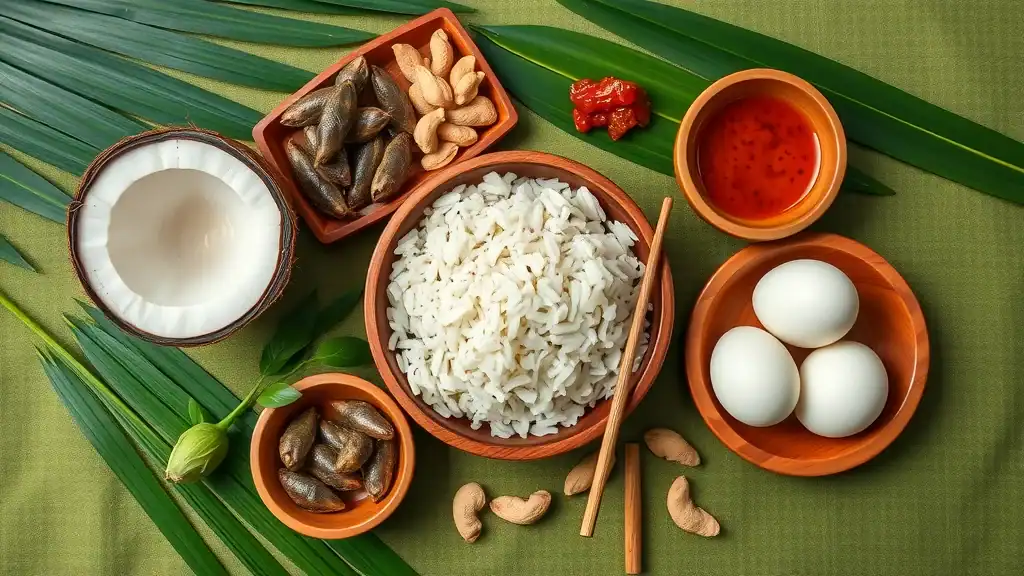
| Nasi Lemak | Aromatic rice dish with coconut milk, sambal, anchovies | National | Rice, coconut milk, anchovies, eggs, sambal |
| Roti Canai | Flaky flatbread with curry | Peninsular Malaysia | Flour, ghee, curry |
| Curry Mee | Spicy noodle soup in coconut milk curry | Penang, Kuala Lumpur | Noodles, coconut milk, chili, tofu |
| Assam Laksa | Tangy fish-based noodle soup | Penang | Mackerel, tamarind, noodles |
| Nasi Kandar | Rice with a variety of curries and sides | Penang | Rice, curries, fried chicken, okra |
| Banana Leaf | South Indian-style rice meal on banana leaf | Kuala Lumpur, Penang | Rice, curries, vegetables |
List of the 25 Most Iconic Malaysian Dishes
- Nasi Lemak – The National Dish of Malaysia
- Roti Canai – Flaky Paratha of Malaysian Cuisine
- Curry Mee – Spicy Noodle Soup infused with Coconut Milk
- Assam Laksa – Tangy and Spicy Noodle Soup
- Nasi Kandar – Penang’s Rice and Curries
- Banana Leaf Rice – Aromatic Southern Indian-Influenced Meal
- Char Kway Teow
- Satay – Skewered, Grilled Meats
- Hainanese Chicken Rice
- Beef Rendang
- Laksa Lemak
- Mee Goreng Mamak
- Otak Otak – Grilled Fish Cake
- Apam Balik – Crispy Stuffed Pancake
- Sambal Udang – Spicy Prawn Sambal
- Kuih – Traditional Sweet Snacks
- Nyonya Kuih
- Teh Tarik – National Milky Tea
- Pulut Panggang
- Ikan Bakar – Grilled Fish
- Ayam Percik
- Soto Ayam
- Sup Tulang
- Nasi Dagang
- Keropok Lekor

Nasi Lemak: The National Dish of Malaysia
The Story and Ingredients of Nasi Lemak in Malaysian Cuisine
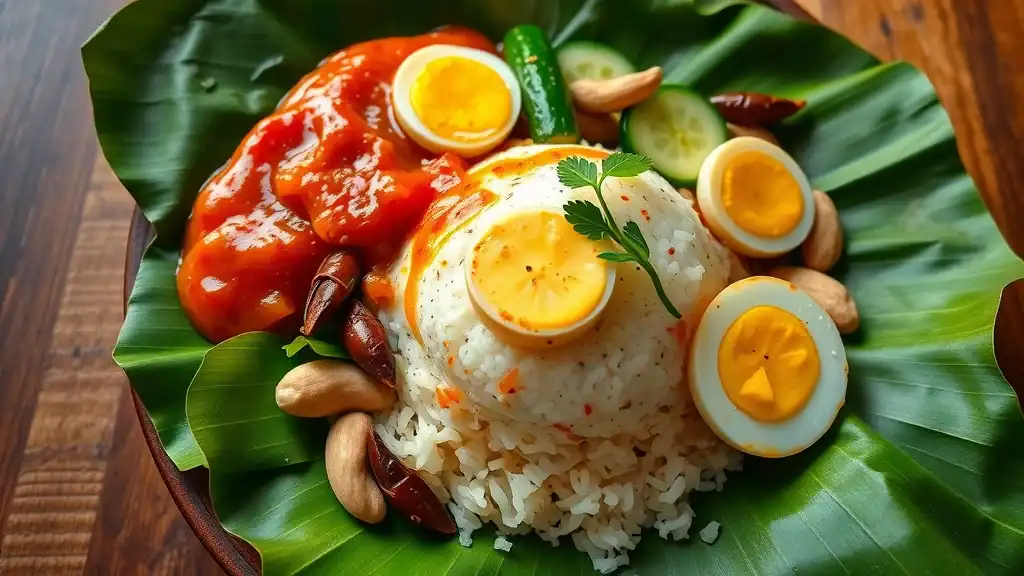
Known as the national dish of Malaysia, nasi lemak holds a cherished place in every Malaysian’s heart—and on their breakfast table. Its foundation is fragrant rice cooked in creamy coconut milk and pandan leaves, a process that fills homes and food stalls with an inviting aroma. Served atop a banana leaf, this beloved Malaysian dish typically features a spicy anchovy-laden sambal, crispy ikan bilis (fried anchovies), roasted peanuts, sliced cucumber, and a hard-boiled egg. Each component anchors a story: coconut milk-rich rice from Malay kitchens, sambal inspired by regional traditions, the British colonial touch of eggs, and Indian-Malay sides for extra flavor and crunch.
Beyond its deliciousness, nasi lemak is the edible embodiment of Malaysia food and cuisine—a “melting pot” on a plate. It’s equally at home as a humble roadside breakfast or a lavish celebratory meal, loved by all of Malaysia’s ethnic groups. The appeal is universal: sweet, spicy, creamy, and crunchy—all in one tempting dish. With its affordability and heartiness, nasi lemak sustains everyone from schoolchildren to late-night revelers. Whether enjoyed in rural markets or the heart of Kuala Lumpur, nasi lemak is more than food; it’s comfort, identity, and homecoming.
Where to Eat Authentic Nasi Lemak in Kuala Lumpur
Kuala Lumpur is arguably the best city in Malaysia to sample authentic nasi lemak. For many locals, stopping by a bustling food stall on the way to work is a morning ritual, with each vendor putting their own flavorful spin on the essentials. Standouts like Nasi Lemak Antarabangsa in Kampung Baru—famous for its spicy sambal and side of fried chicken—or the legendary Village Park Restaurant in Damansara, celebrated for its crispy fried chicken and pillowy coconut rice, offer classic renditions of this Malaysian food icon. Night markets (pasar malam) also teem with affordable, generous portions, often wrapped in banana leaves for a traditional touch. Where you eat may change, but the joy remains the same: robust flavors, vibrant colors, and a slice of Malaysian hospitality in every bite.
From simple roadside stands to restaurant chains, the secret to finding the best nasi lemak is to follow the locals—long lines usually mean you’ve struck edible gold. And don’t miss the chance to try regional variations, including sambal with cuttlefish or spicy rendang as a side dish, each reflecting local tastes and inventive flair rooted in malaysian cuisine.
Watch a short, visually engaging video showing the art of preparing authentic nasi lemak, from steaming coconut milk rice and simmering vibrant sambal, to assembling all its delicious sides and plating on banana leaf, featuring the practiced hands of a Malaysian chef.
Roti Canai: The Essential Malaysian Food Experience
Origins and Popularity of Roti Canai in Malaysian Dishes
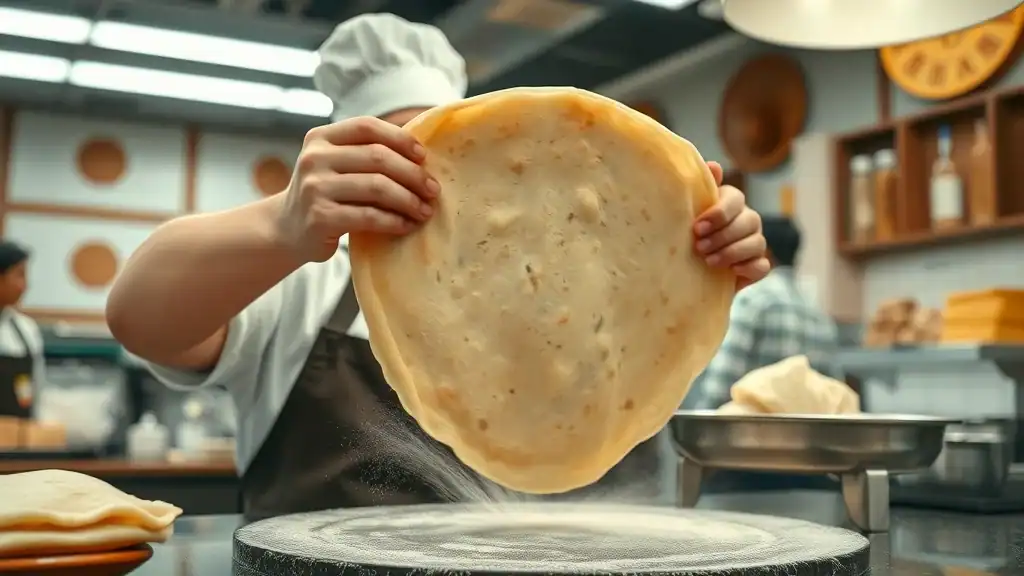
No survey of Malaysia food and cuisine is complete without roti canai, a beloved flaky flatbread that has become a breakfast staple and favorite side dish. Roti canai’s roots are intertwined with Indian-Muslim migration, its technique inspired by South Indian paratha and reimagined in the Malaysian context. Countless “mamak” (Indian Muslim) cafés dot every Malaysian neighborhood, their cooks flipping, spinning, and frying these dough rounds to golden perfection.
Served hot and crispy on the outside, soft and chewy within, roti canai is usually dipped in a small bowl of curry—be it dhal, chicken, or fish—or sometimes even sweetened with condensed milk. Its appeal is universal across generations and backgrounds: part comfort food, part performance art, and completely irresistible. From the streets of Penang to the eateries of Kuala Lumpur, watching the rhythmic flipping and frying of roti canai is almost as delightful as eating it.

Perfecting Roti Canai: Tips from Malaysian Dish Experts
The secret to perfect roti canai lies in patience and practice. Start with a high-gluten flour dough, rest it well with a generous dose of ghee or vegetable oil, then stretch, layer, and fold to create that signature flaky texture. Experts recommend oiling the work surface and hands liberally to ensure the dough stretches ultra-thin without tearing. Letting the dough rest is crucial for that soft interior, while the final fry requires a hot griddle and a steady flipping hand. For added flavor, try pan-frying with a mix of ghee and unsalted butter, or serve alongside rich fish curry and spicy sambal.
Want to up your game? “Tissue roti,” an exaggerated, paper-thin version of the dish, is often finished with sugar and condensed milk for a sweet treat
Enjoy a behind-the-scenes look at how Malaysian chefs effortlessly flip and fry roti canai, turning dough into delicious golden layers—an awe-inspiring skill central to Malaysian food culture.
Curry Mee: A Spicy Noodle Soup Fueled by Coconut Milk
Malaysian Food Spotlight: Penang’s Take on Curry Mee
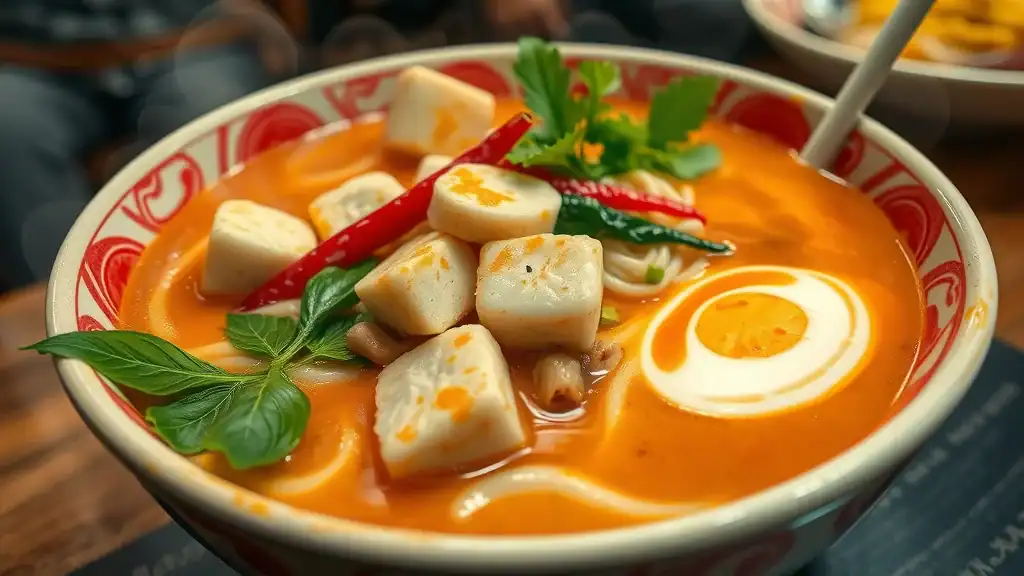
Curry mee is a temple of flavor in Malaysian cuisine. This vibrant noodle soup combines slippery yellow noodles and silky rice vermicelli in a spiced coconut milk broth, crowned with tofu, tender chicken, shrimp, bean sprouts, and dollops of crimson chili oil. In Penang, curry mee is sometimes finished with cuttlefish, blood cockles, and a pungent hit of shrimp paste, elevating the dish to an intoxicating seafood symphony. The creamy coconut milk tempers the spices, earning curry mee status as a beloved comfort food from breakfast to late-night supper.
Every vendor in Malaysia stakes their claim with proprietary blends of curry spices, sambal, and toppings. The result is a deeply personal malaysian dish, where texture and heat can shift drastically from stall to stall. For many, Penang’s rendition—with its unmistakable tang and fiery color, best eaten at an old-school kopitiam—sets the gold standard.
Curry Mee Variations across Malaysia Food and Cuisine
Beyond Penang, curry mee evolves in response to local tastes and available ingredients. In Kuala Lumpur, it’s common to find versions loaded with chicken, shredded pork, hard-boiled egg, and hearty pieces of fried tofu, with the coconut milk broth often lighter and delicately spiced. Ipoh’s take leans milky and mellow, adding bean sprouts for crunch and herbal freshness. Meanwhile, Malay communities favor halal variations with mackerel and hard-fried fish cakes, a testament to how Malaysian cuisine innovates with each family and neighborhood.
Wherever you eat curry mee, slurping the noodles as the spicy broth tingles your lips is part of the ritual. Locals swear by a side of fiery sambal—mixed in for added punch—as a must for the ultimate malaysian food experience.
A quick video guide walks you through preparing curry mee, from making the rich coconut milk broth to assembling all the iconic toppings and garnishes. Watch Malaysian culinary expertise come to life in your kitchen!
Assam Laksa: Malaysia Food and Cuisine’s Tangy Classic
Penang Assam Laksa Among the Best Malaysian Dishes
No discussion of Malaysia food and cuisine would be complete without assam laksa. This Penang-born classic sets itself apart from other noodle soups with its sour-sweet broth—built on mackerel, tamarind, lemongrass, and a signature dollop of shrimp paste. The result: a tangle of rice noodles in a soup that’s tangy, spicy, and absolutely addictive. Even among the pantheon of celebrated Malaysian dishes, Penang’s assam laksa stands out, earning accolades from street food guides, foodies, and world travelers alike.
The balance of flavors is what draws crowds: the piquant tamarind, sweetness from pineapple and palm sugar, cool cucumber, and herbal notes from mint and torch ginger flower. Penang street stalls and markets bustle with hungry customers slurping down bowls morning and night, each bowl a testament to the multicultural harmony of southeast asia.
Assam Laksa Ingredients: Fish, Tamarind, and Noodles
The last essential step? Stirring in pungent shrimp paste, which electrifies every slurp
Searching for the best bowl? Follow the aroma of fragrant fish broth and the hum of a busy hawker center; you’ll find assam laksa front and center wherever Malaysians crave big, bold flavor
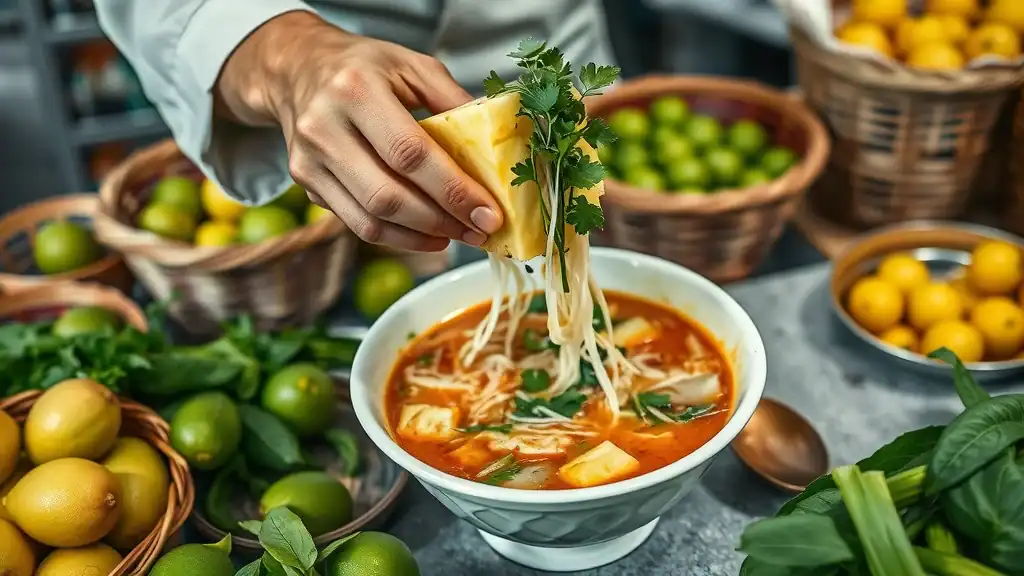
Experience the vibrant process of cooking Penang assam laksa, finishing with an authentic street food taste test that shows why this tangy noodle dish is a mainstay in Malaysian cuisine.
Nasi Kandar: The Curry-Soaked Malaysian Dish
History of Nasi Kandar in Malaysian Cuisine
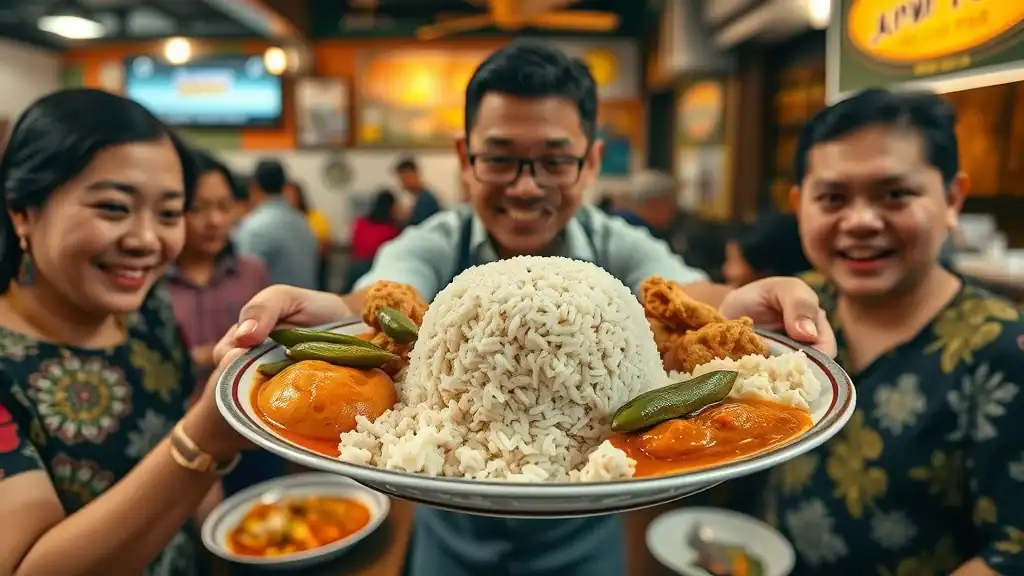
Deeply rooted in Penang’s bustling port history, nasi kandar is another essential entry in Malaysia food and cuisine. Originally carted from street to street by Indian Muslim traders balancing rice “kandar” (poles) across their shoulders, this Malaysian dish has become synonymous with a hearty meal loaded with variety and flavor. The undisputed highlight is fluffy white rice, generously doused in multiple curries—fish, chicken, mutton, and more—with side dishes ranging from fried chicken to okra, boiled egg, and sambal.
What makes nasi kandar unforgettable is the “banjir” technique—flooding your plate with a blend of curries, resulting in a uniquely complex, spice-laden sauce that is the signature of malaysian cuisine. Each plate is customizable and communal, allowing for a rich tapestry of tastes in every bite.
Top Spots for Nasi Kandar in Kuala Lumpur
While Penang remains the heartland, Kuala Lumpur also boasts legendary nasi kandar spots. Nasi Kandar Pelita—a 24-hour institution—attracts ravenous crowds for its spicy ayam goreng (fried chicken) and curried okra. Kudu Bin Abdul, a decades-old favorite, serves rice with up to eight kinds of curry at lunchtime. Look for stalls with a carnival of multi-colored curry pots; the mark of true nasi kandar is flavorful chaos and more than a little curry “flood” by the end of your meal. Some vendors even offer add-ons like pickled green chilies and rich beef rendang, ensuring each visit delivers something new from Malaysia’s deep repertoire of food.
Don’t be shy to ask for extra “kuah campur” (mixed sauce) to sample even more spice and flavor combinations, all central to the malaysian food heritage.
Banana Leaf Rice: Community, Flavor, Tradition
Cultural Roots of Banana Leaf Rice in Malaysian Food
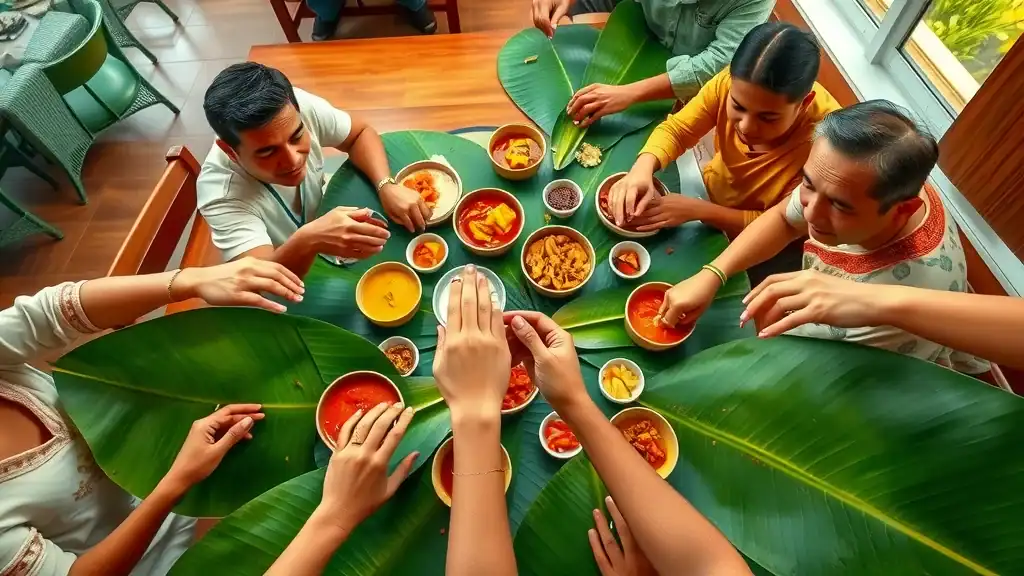
Banana leaf rice is a joyous celebration of Malaysia food and cuisine’s multicultural spirit. Introduced by Tamil immigrants and embraced nationwide, this meal is about more than taste—it’s a ritual steeped in tradition and communal harmony. Diners are served aromatic steamed rice on a fresh banana leaf, surrounded by vibrant curries, spicy pickles, crisp papadum, and an array of vegetarian or meat sides. Eating with your hands connects you to centuries-old customs, believed to enhance both flavor and sensory pleasure.
In Malaysia, banana leaf rice is central to holiday feasts, family get-togethers, and festive outings. Eating off a banana leaf is said to infuse the food with natural aroma and, according to Ayurvedic belief, offer health benefits. Popular in Kuala Lumpur and Penang, these meals reflect Malaysia’s Southeast Asian roots—blending Indian technique with local Malaysian ingredients for truly unique outcomes.
Banana Leaf Meals: Essential Sides in Malaysian Cuisine
What completes the banana leaf rice experience are its iconic accompaniments. Expect a sampling of dhal (lentil curry), spicy sambal, okra, eggplant, stir-fried potatoes, coconut-laced vegetables, and sometimes fried fish or chicken. A crunchy papadum and sweet-sour mango pickle round out the feast. Each restaurant adds its own touch; some specialize in spicy crab curry, others in creamy eggplant masala. The meal doesn’t end until you fold your banana leaf inward—signifying satisfaction and respect to your hosts, a custom cherished in malaysian cuisine.
Banana leaf meals are about togetherness. Sharing, mixing flavors, and celebrating diversity are at the core of malaysian food. First-timers and regulars alike will tell you: it’s a meal where tradition, conversation, and laughter seep into every bite.
Regional Varieties in Malaysia Food and Cuisine
Northern Malaysian Dishes: Penang and Kedah
The north thrives on bold, complex flavors, best expressed in Penang’s celebrated assam laksa and curry mee. Kedah’s rice dishes, like nasi ulam (herbed rice salad), and rich beef rendang reflect the area’s historical spice routes and cross-cultural influences. Northern Malaysia seamlessly fuses Thai, Malay, Chinese, and Indian influences—creating some of the most beloved dishes in Malaysia food and cuisine.
Local specialties also include savory snacks such as pasembur (a spicy salad with shredded vegetables and peanut sauce) and mee goreng mamak, an ode to Indian-Muslim street food artistry throughout the northern states.
Malaysian Food in Central Malaysia: Kuala Lumpur’s Most Beloved Cuisine
Kuala Lumpur stands at the heart of malaysian food evolution. The city’s appetite for diversity is unrivaled, with bustling hawker centers, food courts, and upscale restaurants serving everything from nasi lemak to banana leaf rice, satay, and roti canai. Central Malaysia’s multiculturalism is reflected in a smorgasbord of flavors—Chinese dim sum breakfast meets Malay rendang and South Indian curries, sometimes all on the same table.
Must-try KL treats include Hainanese chicken rice, yong tau foo (stuffed tofu in soup), and indulgent chee cheong fun (rice noodle rolls). For foodies, KL’s culinary scene represents the best of Malaysia’s melting pot spirit.
Southern Specialties in Malaysian Cuisine
Southern Malaysia—especially Melaka and Johor—brings heritage noodle dishes and rich stews to the fore. Here you’ll find laksa lemak, made with coconut milk and spices; nasi briyani; and comforting soto ayam (spiced chicken soup with rice cakes). The region’s food scene leans toward aromatic, coconut-based dishes, and a blend of Peranakan (Straits Chinese) and Malay cooking that makes for unforgettable meals.
Melaka’s nyonya cuisine, including kuih (sweet rice cakes) and ayam pongteh (chicken stew), showcases the sweet-savory-sour hallmarks that make southern malaysian cuisine unique.
East Malaysia Food and Cuisine: Borneo’s Unique Dishes
Travel to East Malaysia (Sabah and Sarawak on Borneo), and the landscape—and the food in Malaysia—changes. Indigenous ingredients like wild fern, sago, and jungle greens feature in iconic dishes such as Sarawak laksa (rice noodle soup with coconut milk and spice paste) and umai (raw fish salad). Fresh river prawns, bamboo-cooked rice, and smoked wild boar also set Bornean eats apart. East Malaysia’s dishes are less fiery but brimming with unique flavors—reflecting centuries of trade with Asia’s farthest reaches.
Sampling regional specialties across Malaysia is a must; each region’s tables offer dishes you simply can’t find elsewhere.
Why Malaysian Cuisine is Loved Globally
Fusion of Cultures in Every Malaysian Dish
Malaysian cuisine is rightly celebrated around the world for being truly multicultural. Every dish is a beautiful synthesis of history and migration—Malay curries blend with Chinese stir-fries, Indian spices enliven breakfast breads, and local ingredients tie everything together. This fusion not only sets Malaysia food and cuisine apart in Southeast Asia but also attracts travelers and chefs hungry for inspiration.
The everyday table reflects this harmony, where sambal is as likely to accompany rice as it is to top noodles or grilled fish. Malaysian dishes tell the story of coexistence, creativity, and respect for food as the great unifier of people.
Health Benefits in Malaysian Food and Cuisine
Malaysian food is not just tasty—it can be healthy too. Frequent use of fresh herbs like lemongrass, ginger, turmeric, and pandan leaves adds both flavor and wellness benefits. Many dishes incorporate lean proteins, abundant vegetables, and antioxidant-rich spices. Steamed preparations (like fish in banana leaf), soup-based meals (such as noodle soup staples), and the use of fermented foods (tempeh, pickles) all speak to an ancient wisdom in diet and balance.
And while there are rich treats to tempt every sweet tooth—think palm sugar-kissed kuih and coconut milk desserts—Malaysian home cooks are masters of moderation, commonly serving a varied meal alongside cooling herbal teas.
Malaysian Cuisine on the International Stage
Malaysian cuisine has gone global, with restaurants from London to New York and Sydney bringing national favorites like nasi lemak, roti canai, and assam laksa to enthusiastic new audiences. Malaysia’s chefs have won international competitions, and cities like Penang and Kuala Lumpur are frequent fixtures in “top food destination” lists worldwide. This acclaim is due to the cuisine’s fresh ingredients, bold flavors, and hospitality—a recipe for success no matter where you call home.
For Malaysians living abroad, cooking and sharing these dishes is a cherished connection to their roots, ensuring malaysian food continues to grow in reputation as a global culinary powerhouse.
People Also Ask: Malaysia Food and Cuisine
What food is famous in Malaysia?
Malaysia is renowned for dishes like nasi lemak, roti canai, assam laksa, and satay. Regional specialties and vibrant Malaysian street food are central to the nation’s culinary fame, attracting food lovers from around the world for both their variety and intensity of flavor.
What is Malaysia’s national food?
Nasi lemak is widely recognized as Malaysia’s national dish, symbolizing the diversity of Malaysian cuisine. This dish of fragrant coconut milk rice, spicy sambal, and classic sides showcases the harmonious blend of Malay, Chinese, Indian, and indigenous culinary traditions that make the nation’s cuisine unique.
What is the most consumed food in Malaysia?
Rice is the staple food in Malaysia, with nasi lemak, nasi kandar, and countless fried rice varieties forming the backbone of daily meals. These rice-based dishes, accompanied by curries, sambal, and assorted side dishes, are widely consumed across all regions and communities.
What is the quintessential Malaysian dish?
While nasi lemak is often cited as the quintessential Malaysian dish, the cuisine is deeply regional and diverse. Staples like roti canai, curry mee, and assam laksa are also core icons of malaysian food and cuisine, each exemplifying the nation’s rich fusion of cultures and ingredients.
FAQs on Malaysia Food and Cuisine
- What are some must-try Malaysian desserts?
Malaysia offers a tempting selection of traditional desserts. Favorites include kuih (colorful sweet rice cakes in coconut and palm sugar), cendol (shaved ice, coconut milk, palm sugar syrup, and green jelly noodles), ais kacang (sweet red bean shaved ice), and apam balik (crispy stuffed pancake). These treats blend Malay, Chinese, and Peranakan influences. - How spicy is Malaysian food?
Many Malaysian dishes are moderately to very spicy, especially those featuring sambal or curry. However, heat levels are easily adjustable—street food vendors happily serve up milder or extra-hot versions. Even the spiciest meals are balanced with coconut milk, herbs, and sides for a harmonious flavor. - Is Malaysian food halal?
A majority of Malaysia food and cuisine is halal, especially in Malay and Indian Muslim restaurants. However, Chinese and Nyonya cuisines may feature pork or alcohol-based ingredients. Look for halal certification or ask restaurant staff to ensure your meal meets your dietary needs. - Where can I find authentic Malaysian cuisine outside Malaysia?
Major cities around the world boast excellent Malaysian restaurants. London, Sydney, and New York are known for authentic nasi lemak, satay, and laksa. For the real experience, seek out establishments owned and operated by Malaysians, or check local Southeast Asian food festivals for pop-ups. - How has Malaysian cuisine evolved over time?
Malaysian food and cuisine is a living tradition, constantly evolving through cultural exchange and local creativity. Modern chefs experiment with fusion techniques, new ingredients, and global food trends while honoring traditional recipes—ensuring Malaysia’s food legacy remains both deeply rooted and ever-changing.
Key Takeaways on Malaysian Food and Cuisine
- Malaysian food and cuisine is a vibrant blend of Malay, Chinese, Indian, and native influences
- Nasi lemak, roti canai, and curry mee are enduring symbols of Malaysian culinary culture
- Regional specialties offer endless variety, making Malaysia a top food destination
- Kuala Lumpur is a food lover’s paradise for sampling Malaysian dishes
Ready to Taste Malaysia Food and Cuisine?
- Email us at kevin@southeastasiainsider.com for help with your next Asia Adventure