
Did you know that visiting Southeast Asia during the “wrong” two-month window can mean the difference between tranquil, emerald rice fields and sudden, relentless monsoon downpours? Surprisingly, millions of travelers misjudge the region’s climate cycles each year—especially retirees craving the perfect blend of comfort, culture, and weather. This comprehensive guide leverages little-known travel hacks and actionable advice for those aged 50 and above, helping you discover the best time to visit Southeast Asia for every kind of journey.

Revealing the Best Time to Visit Southeast Asia: Unconventional Facts and Surprising Trends
When planning your getaway, it’s tempting to follow the crowd and book during “peak season,” but new trends reveal hidden windows for unforgettable adventures—especially for retirees and travelers over 50. The best time to visit Southeast Asia isn’t a simple one-size-fits-all answer. With east Asia’s weather patterns in flux, seasoned travelers know that the region’s magic unfolds during overlooked transition months and less crowded off-peak periods. For those seeking safety, comfort, and rewarding cultural experiences, a deeper dive into weather data, local festivals, and health considerations is essential.
Beyond basic forecasts, your ideal time to visit is influenced by factors like monsoon timing, regional microclimates, and even senior-exclusive travel deals. Avoid the pitfalls of sweltering heat in April to October or the washouts of an ill-timed rainy season. This guide unpacks the nuances—such as when long bay vistas shimmer under blue skies, or when the streets clear for cultural celebrations—so your time to travel aligns with both weather comfort and memorable moments. Let’s share the secrets for planning your next trip with confidence and ease.
Why Weather Patterns in Southeast Asia Matter for Your Trip Planning
Understanding Southeast Asia’s weather is the first step to crafting a memorable journey. The region’s seasonal shifts often catch visitors off guard—one island may bask in sunshine while another weathers a torrential downpour just a short flight away. For retirees or travelers over 50, weather isn’t just about comfort. It impacts accessibility, mobility, event schedules for peak festivals, and the availability of senior-friendly excursions.
The interplay between dry season and monsoon season can also transform iconic sites like Angkor Wat or Ha Long Bay. Mistiming a visit to northern Vietnam in the wet season, for instance, might mean missing those crystal-clear mornings when the limestone karsts pierce through the fog. Savvy travelers use climate data and local tips to choose periods with the most pleasant weather and the fewest crowds. With careful planning, you avoid energy-sapping humidity, flooded attractions, and festival-related congestion—making every step in east Asia and beyond more enjoyable and accessible.
What You’ll Learn About the Best Time to Visit Southeast Asia
- Understand the unique climate cycles impacting the best time to visit Southeast Asia
- Discover off-peak periods for retirees seeking tranquility
- Access actionable travel tips and hacks for age 50+ travelers
- Compare seasonal differences in popular Southeast Asian countries
- Learn when not to visit Southeast Asia to avoid common pitfalls

Overview: Southeast Asia’s Climate Zones and Regional Variations
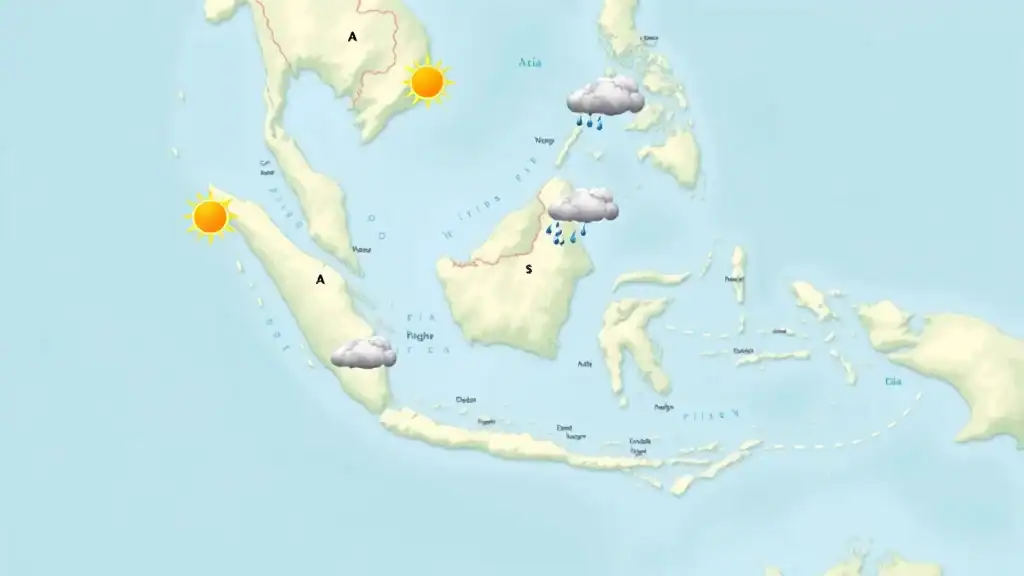
Southeast Asia is a patchwork of climate zones—from Thailand’s dry northern plains to Indonesia’s rain-soaked islands—with each offering distinctive travel advantages depending on the month. The variety is staggering: while Malaysia’s east coast experiences heavy showers, the Indonesian archipelago may be basking in blissful sunshine. Navigating this landscape is more than picking “dry season”: mature travelers must weigh mobility, health, and accessibility when choosing their time to travel.
The region’s three main climate types—tropical, equatorial, and monsoon—shape local weather patterns and the timing of must-see festivals or wildlife spectacles. Understanding this mosaic allows retirees to tailor itineraries, secure better deals, and enjoy locales like long bay in Vietnam or central Vietnam’s ancient cities, all under ideal weather conditions. Here’s a closer look at each region’s cycles—and why they matter for your plans.
Understanding Southeast Asia’s Weather: Tropical, Equatorial, and Monsoon Regions
Tropical Zones encompass much of Thailand, Cambodia, and southern Vietnam, marked by distinct wet and dry seasons. The dry months (November to April) promise plenty of sun, cooler breezes, and bustling festivals—making them peak season for many. Meanwhile, places like central Vietnam and the east coast of Malaysia see variable rainfall due to unique monsoon winds.
Equatorial areas, especially Borneo and Sumatra, feature rain year-round but with lighter, shorter bursts, offering a good time for those less bothered by afternoon showers. The notorious monsoon season (May to October) is known for dramatic downpours and lush, verdant landscapes but also presents challenges like high humidity and flood risks, particularly in rural or less-developed areas. Season-savvy seniors plan around these cycles to secure both comfort and adventure, tapping into regional variations for the best time to visit Southeast Asia.
| Country | Dry Season | Wet Season | Best Time to Visit Southeast Asia |
|---|---|---|---|
| Thailand | Nov – Apr | May – Oct | Dec – Feb |
| Vietnam | Nov – Apr | May – Oct | Feb – Apr |
| Malaysia | Dec – Feb | May – Sep | Jan – Mar |
| Indonesia | May – Sep | Oct – Apr | Jun – Sep |
| Philippines | Nov – Apr | May – Oct | Jan – Mar |
“Those who conquer Southeast Asia’s seasonal swings can unlock destinations at their breathtaking best.” — Seasoned Globe-Trotter
Best Time to Visit Southeast Asia: Month-by-Month Breakdown
Breaking down the best time to visit Southeast Asia by month uncovers flexible, budget-friendly windows—especially for mature travelers prioritizing comfort over crowds. Here we contrast high season and low season, give special consideration to January through March’s dry sweet spot, and reveal why shoulder months often mean better deals, blissful weather, and authentic experiences in both urban and off-the-beaten-path locales.
Whether you’re looking to bask on beaches with dry weather, venture into bustling city markets, or embrace the monsoon’s lush transformation, understanding the monthly nuance across countries like Thailand, Vietnam, and Indonesia helps you avoid common pitfalls. Here’s how each season shapes your journey.

High Season vs. Low Season: Advantages for Retirees and Travelers Over 50
High season (November to March) aligns with the driest, most pleasant weather—ideal for outdoor festivals, sightseeing, and cruising the Mekong River. Crowds and prices are at their peak, but so are services, health facilities, and organized excursions, ensuring a stress-free experience for retirees. Book early to secure accessible rooms and senior discounts.
In contrast, low season (April to October) brings rain and heat, but also breathtaking green landscapes and fewer tourists. This is a good time for those seeking tranquility, flexible schedules, and the luxury of taking things slow. Off-peak travel often means exclusive guides, quiet temples, and the rare opportunity to see Angkor Wat or long bay in Vietnam without the crowds—plus, lower airfares and relaxed local hospitality make it a hidden gem for 50+ travelers.
Southeast Asia in January–March: The Dry Season Sweet Spot
The period from January to March offers some of the best weather throughout the region—the sun shines, humidity dips, and major cultural events like Chinese New Year light up city centers and rural villages alike. Thailand’s northern provinces and Vietnam’s bay in Vietnam sparkle under cool blue skies, while southern islands boast perfect beach weather.
For retirees, this season’s temperate days and reliable festival calendars create a seamless travel experience. Local transport runs smoothly, and there’s less risk of itinerary upsets due to weather-related closures or floods. Secure bookings early during peak season, and you’ll find accessible facilities, active senior groups, and themed excursions tailored to 50+ travelers. It’s the period with the least physical challenge and the broadest activity options.

April–June: Is This the Underrated Best Time to Visit Southeast Asia?
The April to June gap between high and wet seasons is an open secret among seasoned travelers. The weather is warm—sometimes hot—but rainfall is still moderate, especially in places like central Vietnam and Indonesia’s eastern coasts. This “shoulder season” bridges the best of both worlds: fewer tourists, lively local festivals, and significant discounts on hotels, flights, and activities.
Mature adventurers can explore rice terraces, cultural landmarks, and coastal havens with minimal crowds and personalized service. These months are especially rewarding for those seeking quiet holidays before summer’s heat and rain intensify. Flexibility pays off: check regional calendars for offbeat events and smaller island destinations that shine during this underrated time to visit Southeast Asia.
July–September: Navigating Monsoon Challenges and Travel Rewards
Monsoon season (July to September) might seem daunting, but it isn’t a universal write-off. In fact, some senior travelers enjoy this time to visit for the dramatic beauty—lush river valleys, fewer tourists, and immersive local experiences. In parts of Indonesia, the Philippines, or Sabah (Malaysian Borneo), wildlife viewing is at its absolute best.
The key is weather awareness: stick to big cities or well-serviced tourist hubs where infrastructure handles heavy rain gracefully. Avoid remote destinations with flood risks. Take health precautions—carry mosquito repellent, appropriate footwear, and weather-safe gear. This season’s gentle prices and empty attractions are perfect for retirees willing to embrace the occasional downpour for an intimate, authentic journey.

October–December: Transition Months and Last-Minute Escapes
The tail-end of the wet season (October to December) is a strategic window for spontaneous trips and last-minute deals. As rainfall tapers off, rivers swell, rice terraces glow emerald, and cultural events like Thailand’s Loi Krathong bring magic to the evenings. With each week, clear days increase, while airfares and accommodations often remain at low-season rates—perfect for retirees avoiding crowds and maximizing value.
These months offer ideal conditions for scenic river cruises, wellness retreats, or festive city visits without the tourist bustle. Senior travelers seeking a slower pace find true relaxation, enjoying famous sights when nature is freshly renewed and the air is crisp, signaling that it’s a great time to visit Southeast Asia before the holiday rush begins.
Travel Hacks: Best Time to Visit Southeast Asia with Fewer Crowds and Better Deals
- Book flights and accommodation 3-6 months in advance for travel during the best time to visit Southeast Asia—November to March ensures comfort, while shoulder months (April, October) deliver big discounts.
- Explore alternative destinations during transition months—skip the main island for lesser-known coastal towns or highland resorts.
- Packing smart is essential: lightweight rain gear, breathable fabrics, compressible sun hats, and slip-resistant shoes offer all-weather comfort, particularly important for seniors.
Leveraging local apps or online calendars can also help you track sudden festival date changes or new travel advisories—a common pitfall for older travelers reliant on outdated guidebooks. For those seeking value without the chaos of peak season, flexible planning yields unique experiences and up to 40% savings on hotels and tours.
Quick Guide — Packing Tips for Southeast Asia’s Changing Weather
Country Focus: Best Time to Visit Thailand, Vietnam, and More
Not all countries follow the same seasonal rules. Here’s how to choose your time to travel, whether you’re seeking the lantern festivals of northern Thailand, Vietnam’s scenic coastline, or Indonesia’s volcanic landscapes.
Compare local calendars, accessibility, and regional highlights to maximize comfort and adventure for mature travelers.
Thailand: Savoring Festivals and Calm Seasons — When Is the Best Time to Visit?
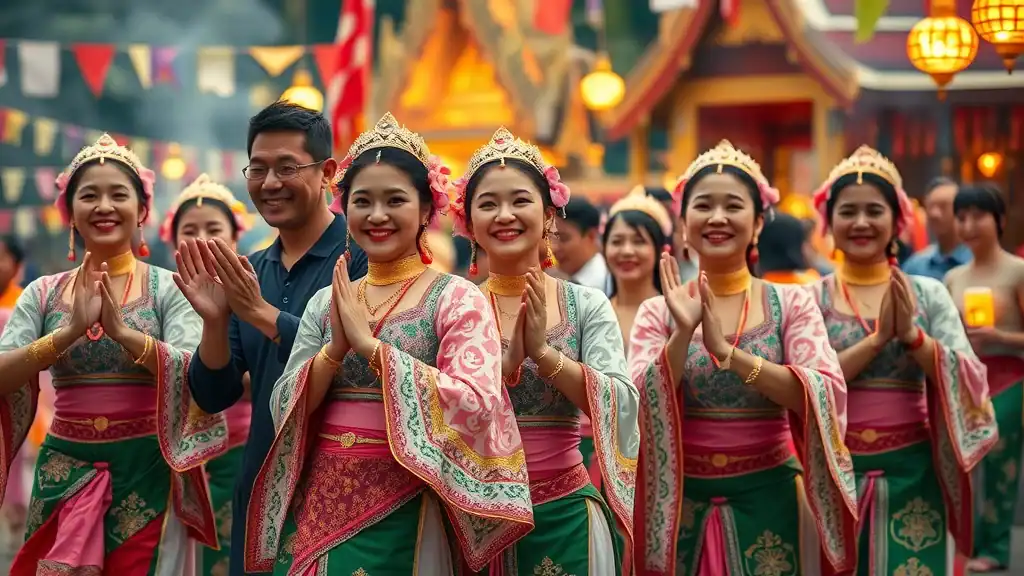
December to February is the undisputed best time to visit Thailand for retirees. The weather is dry, skies are cloudless, and everything from beach towns to temple cities pulses with festival excitement. Early spring (March to April) is slightly warmer, but ideal for visiting Chiang Mai or witness iconic moments like the Yi Peng lantern festival.
For a more tranquil experience, plan trips to the east coast or off-the-beaten-path islands during the shoulder months of April and October. Senior-friendly amenities, accessible hotels, and discounted transport are abundant—making it a great time to enjoy Thai hospitality at your own pace.
Vietnam: Best Time to Visit North, Central, and South
Vietnam’s climate stretches from chilly northern mountains to steamy southern deltas, each with its own “best” season. In the north, February to April offers crisp mornings, blue skies, and picture-perfect views of terraced rice fields and Ha Long Bay. Central Vietnam blooms with vivid lantern festivals and clear beach days during the spring and autumn (March–April, August–October).
Southern Vietnam shines brightest in the dry season (December–April), when Ho Chi Minh City and the Mekong River delta are alive with street food, music, and floating markets. Retirees can take advantage of senior discounts on train journeys between regions—each segment offering unique scenery and climate, ensuring that your trip is both comfortable and varied.
Indonesia and the Philippines: Sun, Surf, and Monsoon Timing
Indonesia’s best time to visit is June to September, when dry months bring ideal hiking and snorkeling conditions to Bali, Java, and Flores. Monsoon rains (October to April) can disrupt travel in some areas but turn places like Sumatra and Borneo into wildlife hotspots.
The Philippines boasts its best weather between January and March. White sand beaches glisten, and resorts from Palawan to Siquijor cater to a mature audience seeking relaxation, healing springs, and excellent medical resources. Festivals abound throughout the archipelago in both countries, and local hospitality is especially welcoming to older travelers.
- Regional event calendars
- Unique activities for mature travelers
- Best islands to visit Southeast Asia in each season
Seasonal Destinations in Southeast Asia — From Rice Terraces to Island Paradises
Hidden Gems: Underrated Places to Visit Southeast Asia During Off-Peak Months
Season-savvy retirees venture off the usual path, discovering serenity and significance during the shoulder and wet seasons. Here are four standout destinations perfectly suited to travelers over 50 looking to avoid crowds and unlock local authenticity:
- Luang Prabang, Laos in May — Cultural immersion minus the crowds.
- Bagan, Myanmar in February — Temples in cool air.
- Sabah, Malaysian Borneo in July — Peak wildlife viewing.
- Siquijor, Philippines in October — Secluded beaches and healing springs.

Avoiding the Downside: When Not to Visit Southeast Asia
- Typical weather missteps to avoid: Booking during peak monsoon months (July–October) without backup plans.
- Health precautions for monsoon season: Bring rain gear, use mosquito protection, and secure travel insurance that covers common issues for mature travelers.
- Choosing safe and accessible travel for retirees: Stick to well-serviced routes, avoid remote mountain or jungle travel during wet weather, and check for senior health facilities in your target region.
“After 60, your priorities change—travel is about comfort and timing, not racing the crowds.” — Joan, 67, repeat Southeast Asia visitor
People Also Ask: Best Time to Visit Southeast Asia FAQ
What are the best months to go to Southeast Asia?
The best months to visit Southeast Asia are generally November through March, when rainfall is low and temperatures are comfortable. Each country has slight variations, so review country-specific guidance above.
When not to visit Southeast Asia?
Avoid the late wet season (typically June–October) unless targeting specific festivals or wildlife spectacles. Floods and heat can make travel challenging, especially for mature travelers.
What is the rainy season in Southeast Asia?
The rainy season (monsoon) varies by country but generally runs from May/June to October. Heavy showers can occur daily, impacting some remote regions more than city centers or tourist hubs.
What is the best time to visit Vietnam?
The best time to visit Vietnam is February to April and August to October, offering moderate temperatures and the lowest rainfall across the north, central, and southern regions.
Practical Advice for Retirees: How to Make the Most of Every Trip to Southeast Asia
- Checklist for safe and enjoyable travel
- Seasonal senior discounts
- Accessibility tips and local health resources
- Top travel insurance advice for mature travelers
Preparation is key for seniors: build in rest days, pack medications for humidity, and save local emergency numbers. Seek out hotels with elevators, arrange mobility assistance if needed, and confirm that your insurance covers health and weather disruption while traveling Southeast Asia.
Testimonials — 50+ Travelers Share Their Favorite Southeast Asia Seasons
Key Takeaways for the Best Time to Visit Southeast Asia
- Plan trips for November-March for ideal weather
- Research shoulder seasons for greater value and fewer tourists
- Tailor destinations based on climate and activity interests
- Prioritize comfort, weather, and accessibility for the best overall experience

Start Your Next Southeast Asia Adventure
Email us at kevin@southeastasiainsider.com for help with your next Asia Adventure
Conclusion: Traveling in Southeast Asia rewards careful planning—let climate cycles, insider travel hacks, and comfort-focused tips shape the trip of a lifetime. Experience stunning landscapes, rich cultures, and tranquil moments throughout the region’s myriad seasons. Happy travels, and never hesitate to seek expert advice for your next adventure!