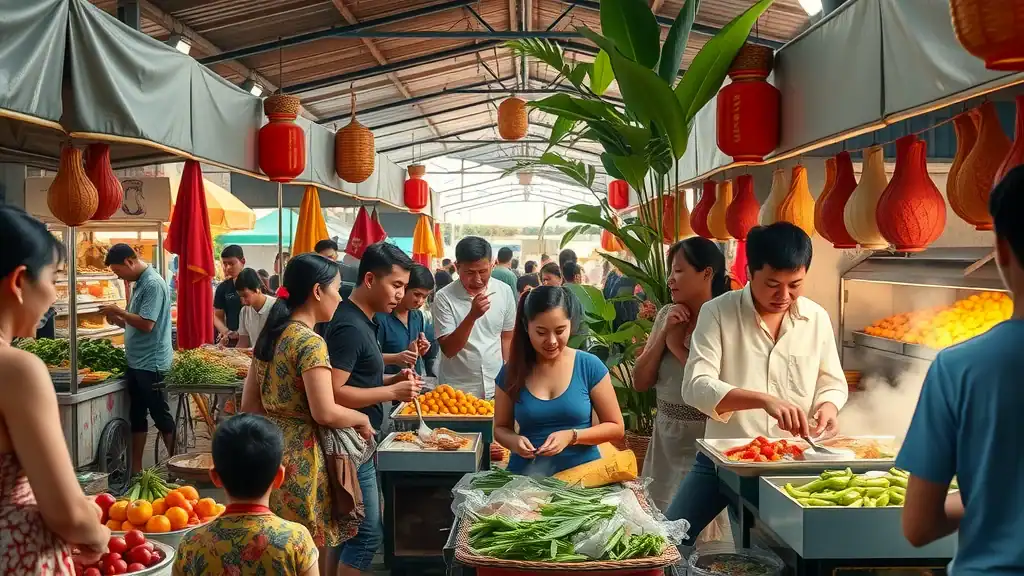
Hook: Imagine stepping into a lively Bangkok night market—steam rising from sizzling food carts, the air rich with aromas of chili and lime, vendors shouting friendly greetings, and the promise of a world of flavors in every bite. If you want to truly experience the soul of Thailand, nothing compares to the local cuisine. Get ready—this thailand local cuisine guide unlocks everything you need for an unforgettable, authentic eating adventure.
Discover the Flavors of Thailand: Why This Thailand Local Cuisine Guide Matters
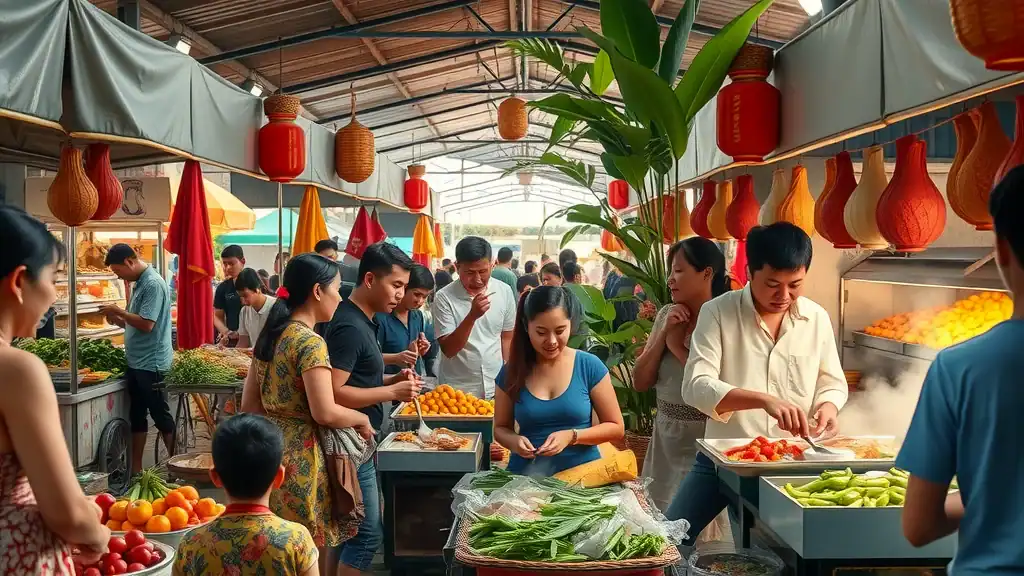
Whether you’re a seasoned foodie or a curious traveler, diving into Thai food is one of the greatest joys of exploring the Land of Smiles. But with thousands of thai dishes—from fiery tom yum to creamy green curry, tangy pad thai to hearty khao soi—even the keenest visitor can feel overwhelmed. This comprehensive thailand local cuisine guide breaks down each culinary region, highlights must-try street eats, and hands you the cultural keys to unlock what makes eating in Thailand unlike anywhere else.
By following this guide, you’ll learn how to navigate bustling food markets, distinguish authentic Thai street food from tourist traps, and understand the foundational flavors and ingredients—like sticky rice, rice noodles, coconut milk, and soy sauce—that create Thailand’s world-famous balance of taste. Take the guesswork out of your meals and journey deep into the stories and traditions found in every bowl and plate!
A Journey Begins: Tasting Diversity Through Thailand Local Cuisine
Thailand is a country where mealtime means more than just eating; it’s where families gather, friends bond, and communities celebrate. From the lush, herbal mountain cuisine of Chiang Mai to the zesty dishes of the south, this thailand local cuisine guide invites you on a sensory journey through street-side grills, open-air markets, home kitchens, and acclaimed thai restaurants. It’s a journey immersed in tradition and innovation, where eating is storytelling.
“In Thailand, every meal tells a story—let this thailand local cuisine guide be your passport to authentic flavor.”
What You’ll Learn from this Definitive Thailand Local Cuisine Guide
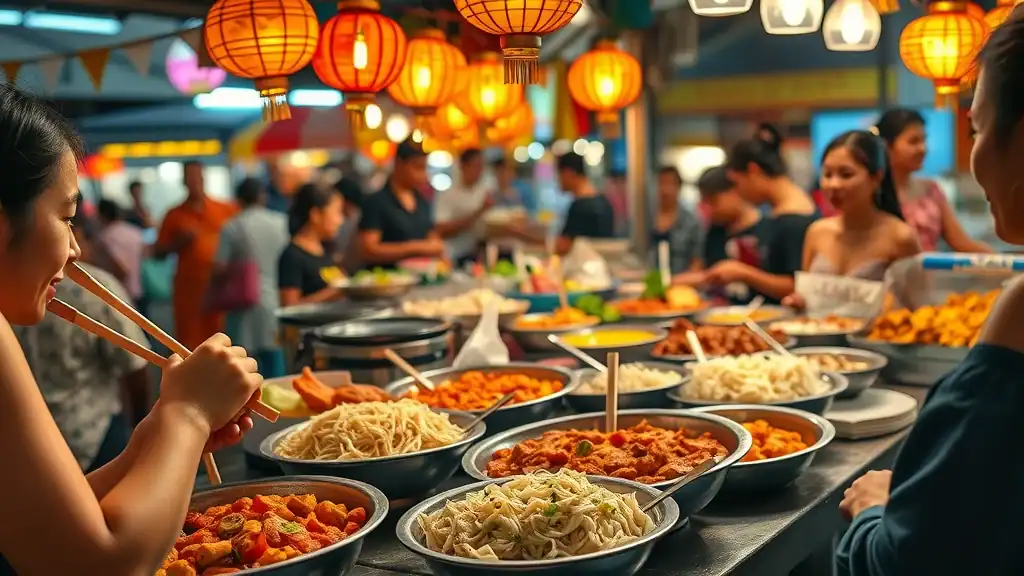
- Uncover regional Thai dishes, street food essentials, and signature ingredients featured in every authentic thailand local cuisine guide.
- Differentiate among thailand local cuisine styles, including northern Thai and traditional Thai specialties.
- Navigate bustling food markets and select must-try thai food and street food staples.
- Learn the fundamentals of thai cooking and discover recommended thai restaurants across the country.
Origins and Foundations of Thailand Local Cuisine Guide
Historical Roots: How Thai Cuisine Evolved
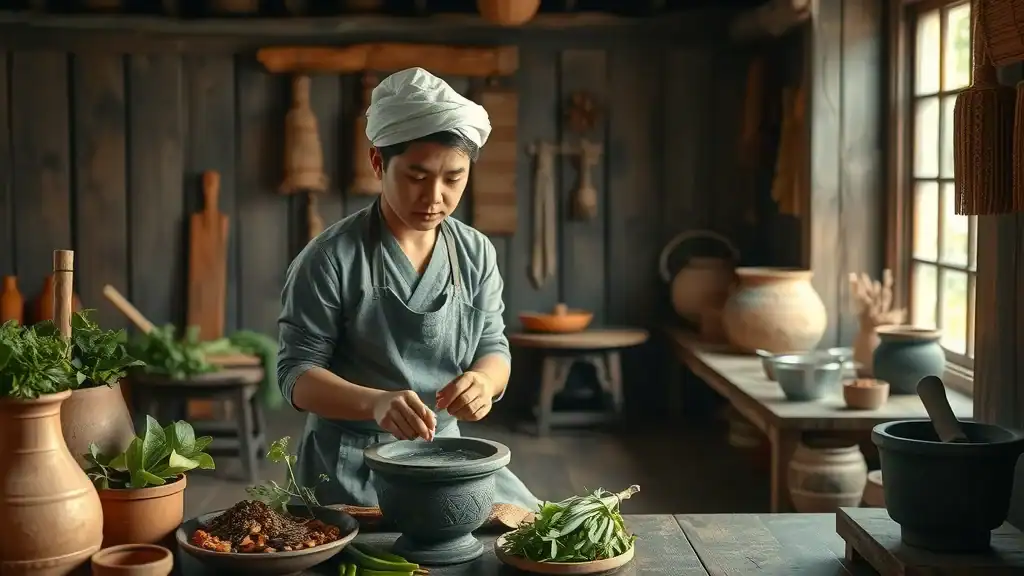
Thai cuisine is a rich tapestry woven through centuries of cultural exchange and trade. Influences from China introduced rice noodles and stir-fries; Indian traders brought spices, curries, and a love for complex aromas; indigenous Thai communities fused these with local ingredients like lemongrass, galangal, curry pastes, and tropical fruits. Over generations, families passed down recipes, adjusting flavors to fit local tastes and ingredients, which helped create the vibrant diversity seen in every thailand local cuisine guide today.
The development of city-states like Ayutthaya and Chiang Mai saw regional identity bloom, making dishes such as khao soi and sticky rice in the north, or coconut-rich curries in the south, cornerstones of culinary heritage. Today, Thailand’s food scene is an accessible blend of time-honored methods and contemporary innovation—a kitchen where old stone mortars sit beside modern woks, and every region celebrates its own flavors.
Foundational Thai Food: Key Ingredients in Thailand Local Cuisine
- Rice noodle and rice noodles
- Coconut milk
- Soy sauce
- Sticky rice
| Essential Thai Cuisine Ingredients | Description | Regional Usage |
|---|---|---|
| Sticky Rice | Short-grain, glutinous rice served steamed or in desserts | Northern and Northeastern Thailand |
| Rice Noodle | Thin or wide noodles made from rice flour, used in soups and stir-fries | Central, Northern, and Southern Thailand |
| Coconut Milk | Creamy liquid made from grated coconut flesh | Central and Southern Thai dishes |
| Soy Sauce | Salty condiment from fermented soybeans, essential for seasoning | Universal—in street food and home cooking nation-wide |
Navigating Regional Thai Dishes: A Thailand Local Cuisine Guide
Northern Thai: Exploring Lanna Flavors in Your Thailand Local Cuisine Guide
- Khao soi
- Northern Thai herbs
- Chiang Mai specialties
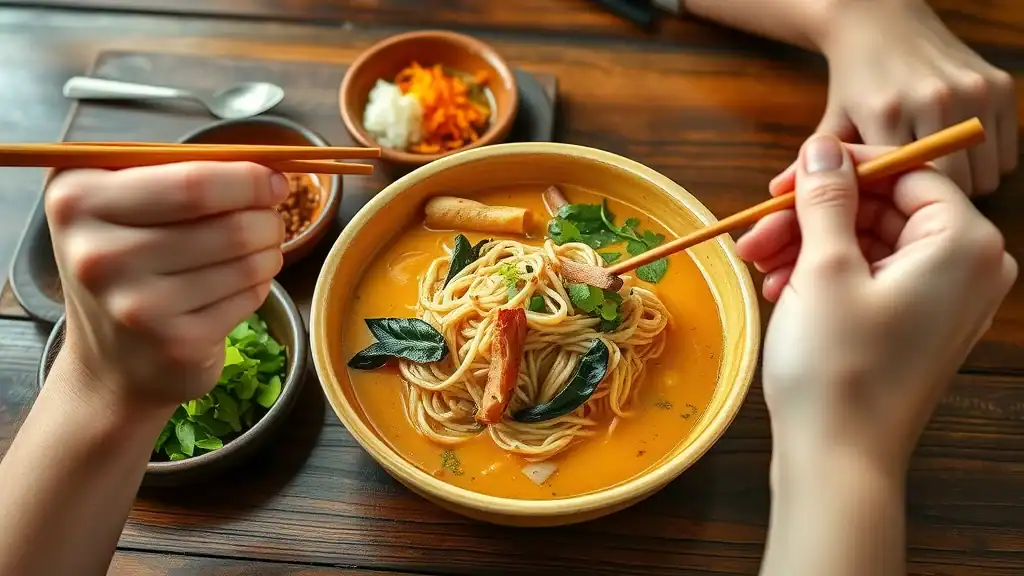
Northern Thai cuisine—also known as Lanna food—offers aromatic, herbal-rich flavors shaped by the cool climate and mountainous landscape of Chiang Mai and its surroundings. Dishes like khao soi (a silky coconut milk curry noodle dish topped with crispy noodles), spicy sausages, and “nam prik” chili dips are star attractions in this region. The use of sticky rice as the base and fresh, bright herbs like kaffir lime leaves, cilantro, and lemongrass define the northern palate.
Chiang Mai night markets feature endless variations on these themes—try steamed sticky rice with grilled meats, or herbal mushroom soups. Be sure to sample “gaeng hang lay” (northern pork curry) and “sai oua” (spiced sausage), both synonymous with local food markets and family-run eateries found in every trustworthy thailand local cuisine guide.
Central Thailand: Iconic Thai Food and Street Food
- Pad thai
- Tom yum
- Fried rice
- Pad see ew
Central Thailand, including Bangkok, serves as the heart of the nation’s street food scene. Iconic dishes like pad thai (sweet-savory-sour stir-fried rice noodle dish), the piquant tom yum soup, comforting fried rice, and hearty pad see ew (wide rice noodles with soy sauce and greens) are beloved across the country. Central cuisine is characterized by complex flavor layers, thanks to ingredients like tamarind, lime juice, fish sauce, and fresh herbs that offer balance in every bite.
Try any night market or bustling soi (alley) vendor in Bangkok for a real taste of Central Thai food. Plates are often cooked fresh to order—watch the bustling choreography as noodles are tossed in woks, chilies are crushed in mortars, and plates garnished with generous handfuls of bean sprouts and peanuts.
Southern Thai: Tropical Influences in Thai Dishes
- Green curry
- Coconut milk
- Seafood specialties
The southern peninsula of Thailand is shaped by lush coasts and abundant seafood, reflected in dishes brimming with coconut milk, fiery chilies, and warming spices. Green curry is a staple here, enriched with creamy coconut and fragrant basil, while fresh shrimp, crab, and squid are often grilled or added to vibrant, tangy salads. This region’s cuisine is bold—spicy, aromatic, and unafraid of complex flavors.
Look out for Muslim-influenced Thai dishes like “massaman curry” and “khao yam” (spicy rice salad), commonly found in food markets stretching from Phuket to Hat Yai, making them a highlight for any comprehensive thailand local cuisine guide.
Must-Try Thai Dishes in Every Thailand Local Cuisine Guide
Pad Thai: The Quintessential Thailand Local Cuisine Noodle Dish
“No thailand local cuisine guide is complete without a taste of authentic pad thai from Bangkok’s street food vendors.”
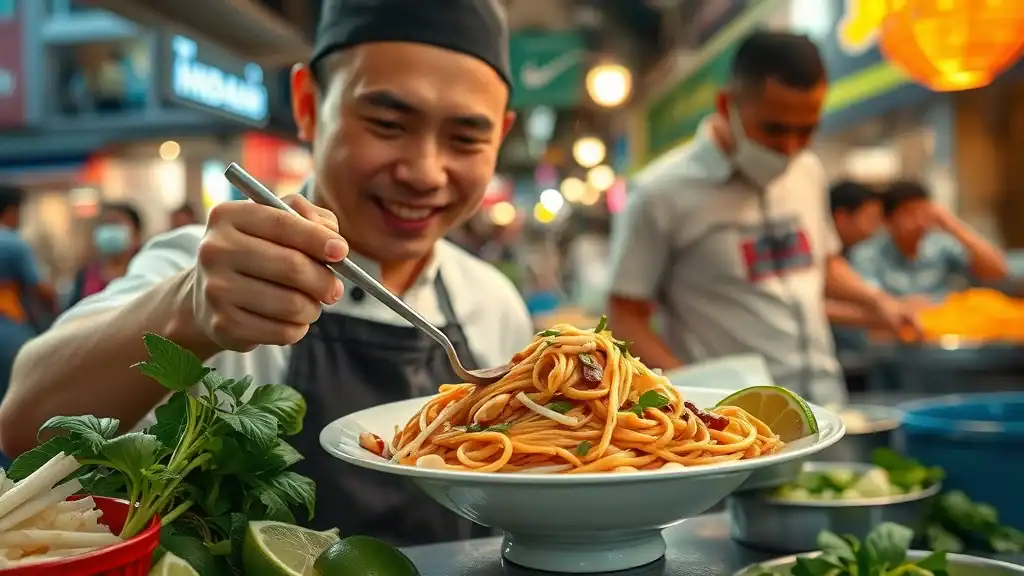
Pad thai is the global ambassador of Thai street food, beloved for its addictive sweet-sour-savory character. Stall-side, you’ll see chefs expertly stir-frying rice noodles with egg, tofu, shrimp or chicken, and finishing each plate with a squeeze of lime juice, a sprinkle of crushed peanuts, chili flakes, and fresh bean sprouts. Authentic pad thai uses tamarind paste for its signature tang, matched with the umami depth of fish sauce or soy sauce.
Bangkok’s night markets and quick-serve vendors are the places for true pad thai magic. Look for a bustling crowd, and don’t shy from customizing heat or lime according to taste.
Tom Yum: Bold Flavors in Thai Cuisine
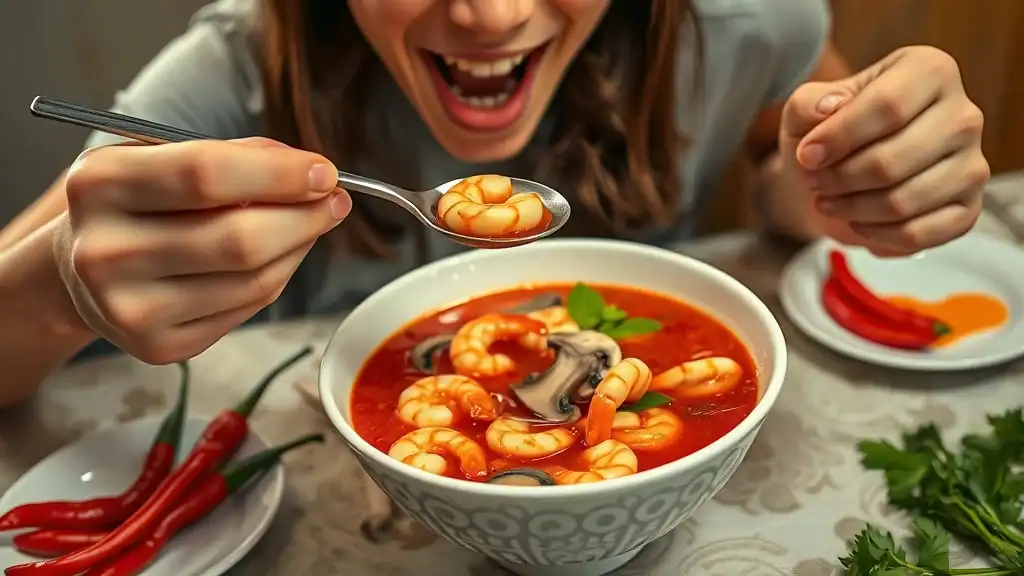
Tom yum is Thailand’s beloved hot-and-sour soup that wakes up your palate with every spoonful. Built from a base of lemongrass, galangal, kaffir lime leaves, and vibrant chilies, tom yum is typically loaded with fresh shrimp, mushrooms, and tomatoes. The magic comes from balancing tangy lime juice, savory fish sauce, and sweetness, all capped with a fiery chili kick. Sometimes creamy with coconut milk (tom yum goong nam khon), this soup is both comforting and exhilarating.
Found everywhere from street-side soup stalls to upscale Thai restaurants, tom yum is unmissable in any thailand local cuisine guide. As a communal dish, it reflects the Thai love for sharing and contrasts—spicy, sour, fragrant, and invigorating.
Green Curry: Thailand Local Cuisine’s Creamy and Spicy Classic
Green curry (“gaeng keow wan”) is a hallmark of Southern and Central Thai cooking, renowned for its creamy texture and herbal punch. The vibrant green color comes from chilies and fresh basil, mingled into a curry paste with lemongrass, galangal, and kaffir lime leaves. Cooked in rich coconut milk with tender chicken, beef, or vegetables, green curry delivers a perfect harmony between spice and sweetness.
Enjoy this dish with steamed jasmine or sticky rice for a full sensory experience—its aroma and color are as memorable as its piquant flavor.
Sticky Rice & Khao Niew: A Staple in Every Thailand Local Cuisine Guide
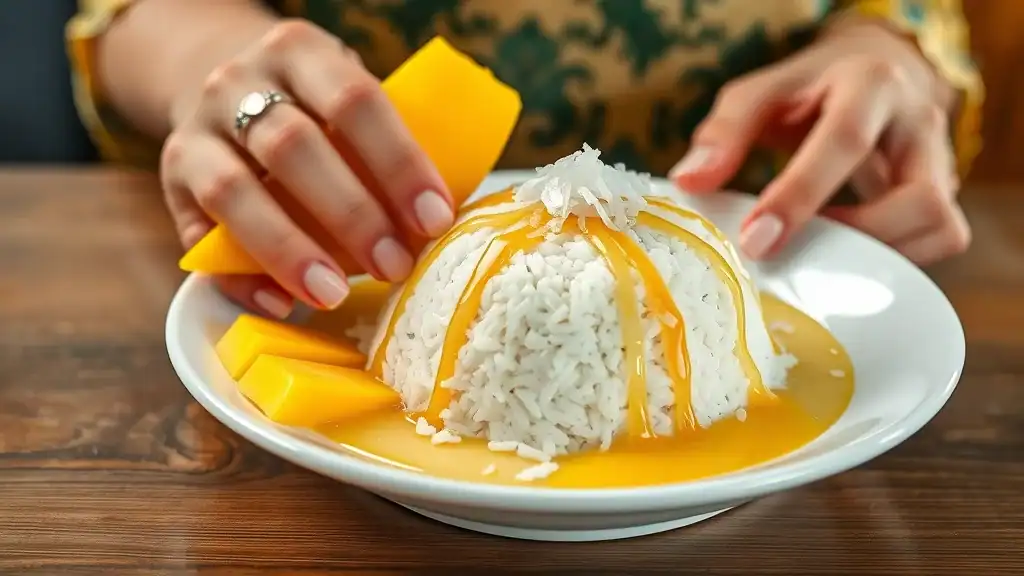
Sticky rice (“khao niew”) is the foundation of northern and northeastern Thailand’s meals. Eaten with everything from spicy grilled meats to dips, its slightly sweet chewiness forms the backdrop for robust flavors. For dessert, sticky rice with mango tops every must-eat list: glutinous rice steamed and sweetened, drenched in creamy coconut milk, and served with ripe mango.
No list of thai desserts is complete without khao niew. Its versatility—savory or sweet—illustrates why it’s at the heart of a true thailand local cuisine guide.
Fried Rice and Pad See Ew: Popular Thai Street Food Dishes
- Comparison Table: Flavor Profiles and Key Ingredients of Iconic Thai Dishes
| Dish | Main Ingredient | Region | Recommended Pairing |
|---|---|---|---|
| Pad Thai | Rice Noodle | Central | Bean sprouts, lime wedges |
| Tom Yum | Shrimp, Lemongrass | Universal | Steamed jasmine rice |
| Green Curry | Coconut Milk, Green Curry Paste | Central/South | Sticky rice or jasmine rice |
| Khao Soi | Egg Noodle, Curry Paste | Northern | Pickled mustard greens |
| Fried Rice | Rice, Egg, Soy Sauce | Central | Cucumber slices |
| Pad See Ew | Wide Rice Noodle, Soy Sauce | Central | Chinese broccoli, chili vinegar |
Thailand Local Cuisine Guide to Street Food: From Markets to Carts
Navigating Thai Street Food Markets
- Must-visit Thai street food markets
- How to identify authentic Thai food
- Tips for safe street food exploration
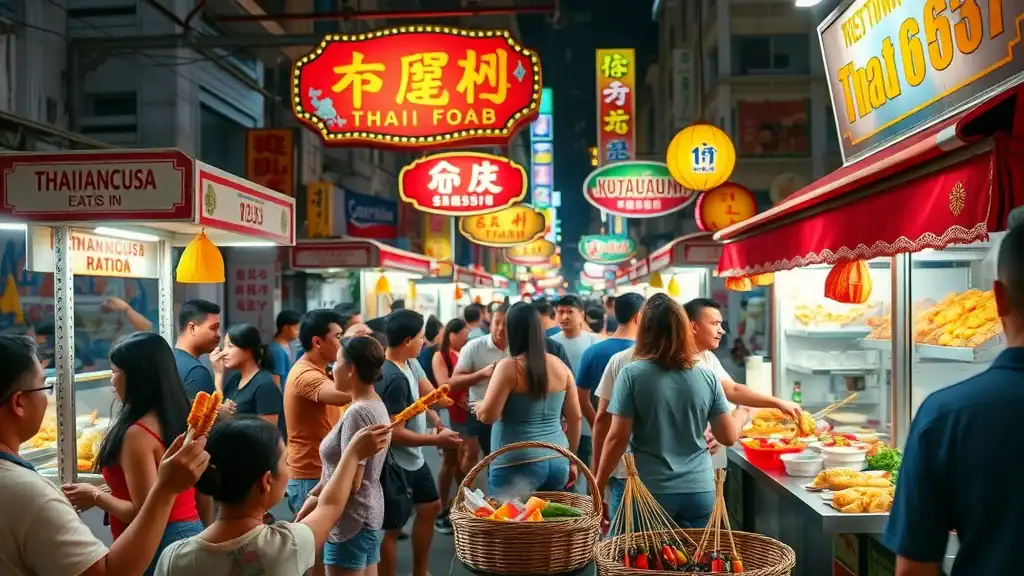
Thai street food is legendary for its diversity and accessibility. Markets like Bangkok’s Chatuchak, Chiang Mai’s Sunday Walking Street, and Phuket’s Night Market are top stops for discovering iconic eats. To identify authentic stalls, look for where locals queue—usually these serve dishes using classic ingredients like rice noodles, soy sauce, fish sauce, and charcoal-grilled meats. Cleanliness, food turnover, and the sound of woks in motion all signal genuine tastes.
Be adventurous but cautious—always choose busy stalls with fresh ingredients, and don’t hesitate to ask for recommendations. Many guides, locals, and chefs agree: street food is the beating heart of any thailand local cuisine guide, melding social vibrancy with culinary soul.
If you’re looking to take your food adventures even further, consider pairing your culinary explorations with smart travel strategies. For a seamless experience navigating Thailand’s vibrant markets and hidden food gems, check out these effective Thailand travel planning strategies that will help you dive deeper and travel with confidence.
Street Food Staples in This Thailand Local Cuisine Guide
- Grilled meats
- Sticky rice
- Rice noodles
- Coconut milk-based snacks
Signature street food staples include skewered pork (moo ping), herbal chicken, fried spring rolls, and coconut pancakes. These easy-to-eat bites perfectly embody the convenience and freshness of street food. In every bustling market, you’ll find a symphony of tastes and textures—warm, sticky rice paired with grilled meats, spicy salads, or coconut-based desserts, ensuring every return visit brings a new favorite.
Check out our walking tour video to experience the color and excitement of a Thai street market firsthand!
How to Eat Like a Local: Thailand Local Cuisine Guide Etiquette
- Ordering in a Thai restaurant
- Customary eating practices
- Using condiments like soy sauce and chili
Eating like a local means more than picking authentic dishes; it’s about embracing Thai customs and etiquette. Meals are family-style: order several dishes, share everything, and use a spoon for eating while using your fork to push food onto it. At Thai restaurants, always taste food before adding condiments—soy sauce, chili vinegar, and fish sauce should enhance, not overwhelm, the balance.
When in doubt, follow the lead of those around you: Eat slowly, enjoy conversation, and show respect to hosts by acknowledging the meal’s flavors and ingredients. This approach makes for a fuller experience, deepens connections with locals, and ensures your journey aligns with cultural expectations celebrated in any great thailand local cuisine guide.
Insider Tips: Dining Traditions in Thai Cuisine
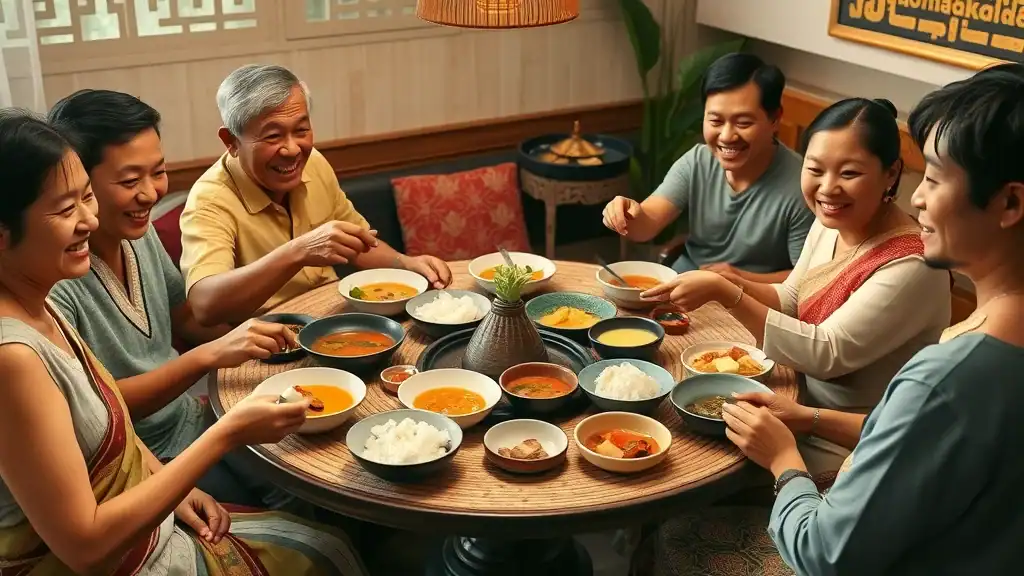
Families gather for shared meals, passing plates and bowls around a table. If you’re invited to dine with locals, wait for the oldest member to start and always try a little of everything. Compliment the cooking and show appreciation for the communal spirit—food is a bridge between generations and a celebration of friendship in Thai culture.
Always finish what’s on your plate, and don’t be afraid to ask about a thai dish’s name or ingredients—Thais are proud of their culinary heritage and often delighted to share stories or teach you proper pronunciation.
Noodle Heaven: Top Noodle Dishes in the Thailand Local Cuisine Guide
- Rice noodle, pad thai, pad see ew, and other noodle dish favorites
| Noodle Type | Regional Origin | Flavor Notes | Street Food or Restaurant Specialty? |
|---|---|---|---|
| Rice noodle (sen lek) | Central Thailand | Mild, springy texture, perfect for soaking up sauces | Street food & restaurants |
| Wide rice noodle (sen yai) | Central Thailand | Chewy, smoky, often served stir-fried | Street food |
| Egg noodle (ba mee) | Northern Thailand | Tender, often used in khao soi | Street food & restaurants |
| Glass noodle (woonsen) | Universal | Silky, absorbs broths, used in salads/soups | Restaurants |
Signature Wide Rice Noodle Dishes: A Highlight of Thai Local Cuisine
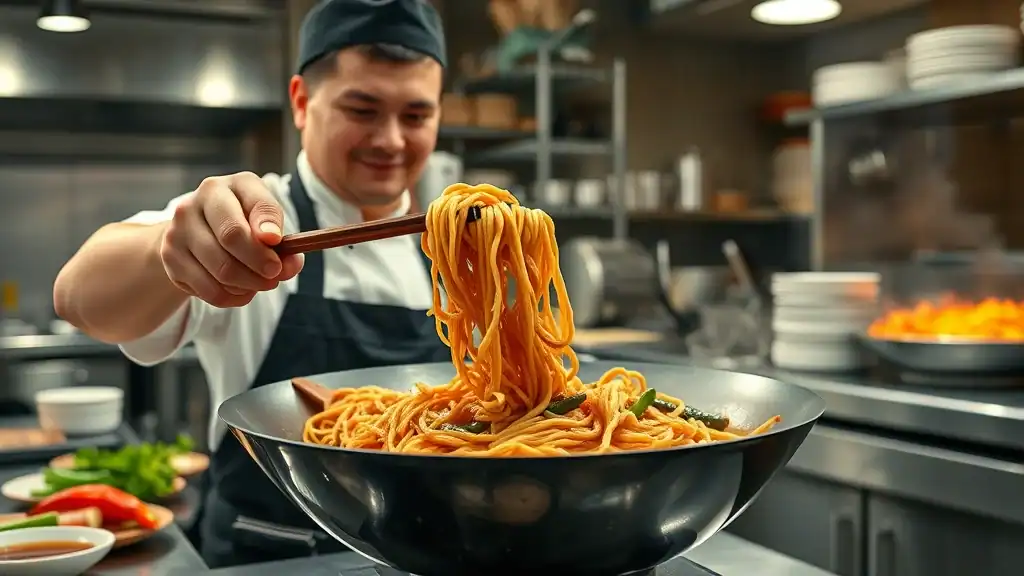
Pad see ew is a classic wide rice noodle stir-fry, beloved for its smoky fragrance (“wok hei”), soy sauce-seasoned noodles, and plentiful greens like kai lan (Chinese broccoli). Typically cooked over fiercely high heat, the slightly chewy noodles are coated in sweet-salty sauce and tossed with egg, pork, or chicken. Other popular noodle dishes include kuay tiew (noodle soup) and yentafo (pink noodle soup with fermented tofu).
Whether enjoyed at a roadside stall or a polished thai restaurant, these noodle dishes reveal the skill and speed of Thai cooks, who expertly balance texture, aroma, and layers of umami in every bowl.
Thailand Local Cuisine Guide to Thai Cooking and Home Preparation
- Essential cooking tools
- Buying rice noodles and coconut milk
- Following traditional Thai recipes
Thai Cooking Methods: Bringing Authentic Thai Food Home
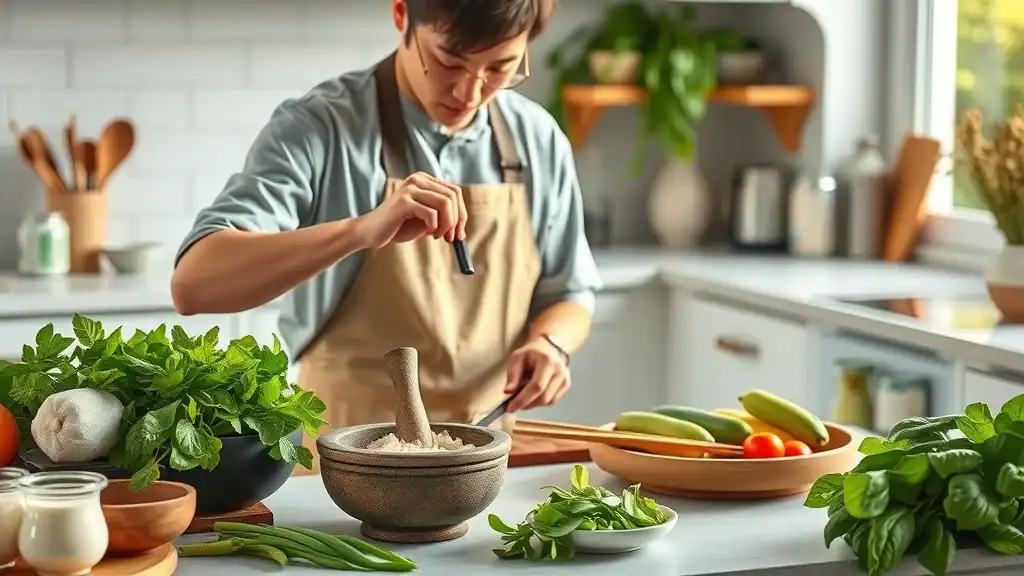
Interested in re-creating your favorite thai dishes at home? Start with essentials: a wok, steamer for sticky rice, sharp knives, and a mortar and pestle for hand-pounding curry paste and chili dips. Ingredients like rice noodles, coconut milk, soy sauce, and fresh herbs are available at most Asian supermarkets. When making noodle dishes, soak or briefly cook rice noodles, then stir-fry or ladle over aromatic broths.
Traditional recipes rely on tasting and balancing flavors as you cook. Seek out tutorials for pad thai, green curry, or khao soi, and don’t be discouraged by early attempts—the joy of thai cooking is learning to layer flavors until you reach your personally perfect sweet, sour, salty, and spicy blend.
Thailand Local Cuisine Guide to Thai Restaurants: Where and What to Eat
- Finding authentic Thai restaurants
- Recognizing popular Thai food specialties
- Recommended places across Thailand
From Family-Run Eateries to Top Thai Restaurants
With so many thai restaurants to choose from, how do you find the real gems? Trust local recommendations and look for menus featuring time-honored thai dishes—not just pad thai but also regional specialties like “kuay tiew nam tok” (noodle soup with beef) or spicy Northeast “larb.” Family-run places often focus on a handful of recipes perfected over generations, while acclaimed spots might blend tradition with playful, seasonal twists.
Some of Thailand’s best eating comes from humble open-air eateries with simple decor and fabulous flavors. In Bangkok, try hundreds of small shophouses and markets; in Chiang Mai and in the south, let the bustling crowds guide you to places where every meal is a celebration.
Thailand Local Cuisine Guide to Traditional Thai Desserts
- Sticky rice with mango
- Coconut milk desserts
- Sweet snacks often found as thai street food
Thai desserts are artful, light, and full of tropical sweetness. Try “khao niew mamuang” (sticky rice with mango), coconut jelly, and “khanom krok” (mini coconut pancakes) at markets or dessert shops. These treats provide the ideal finish to any thailand local cuisine guide adventure, uniting creaminess, fruitiness, and fragrant flavors in a way that perfectly complements spicy or savory main dishes.
Most desserts highlight coconut milk, palm sugar, rice flour, and fresh fruits—ingredients celebrated for their local freshness and delicate balance.
Vegan and Vegetarian Options in the Thailand Local Cuisine Guide
- Top plant-based Thai dishes
- Using soy sauce alternatives
- Vegan-friendly Thai restaurant recommendations
Vegetarian and vegan eaters have exceptional options in Thailand. Many street vendors and restaurants offer meatless versions of pad thai, fried rice, and noodle dishes—just ask for “jay” (vegetarian) or replace fish sauce with extra soy sauce. “Som tam” (papaya salad), stir-fried morning glory, and coconut milk-based curries can be easily made vegan.
Chiang Mai is especially friendly for plant-based eating, thanks to its Buddhist roots. Look for “jay” signs at food stalls, and don’t hesitate to inquire—most cooks accommodate dietary needs with creative flair, keeping your thailand local cuisine guide safe for all.
Thailand Local Cuisine Guide to Essential Ingredients and Grocery Shopping
- Where to buy sticky rice, rice noodles, coconut milk, and other Thai food essentials
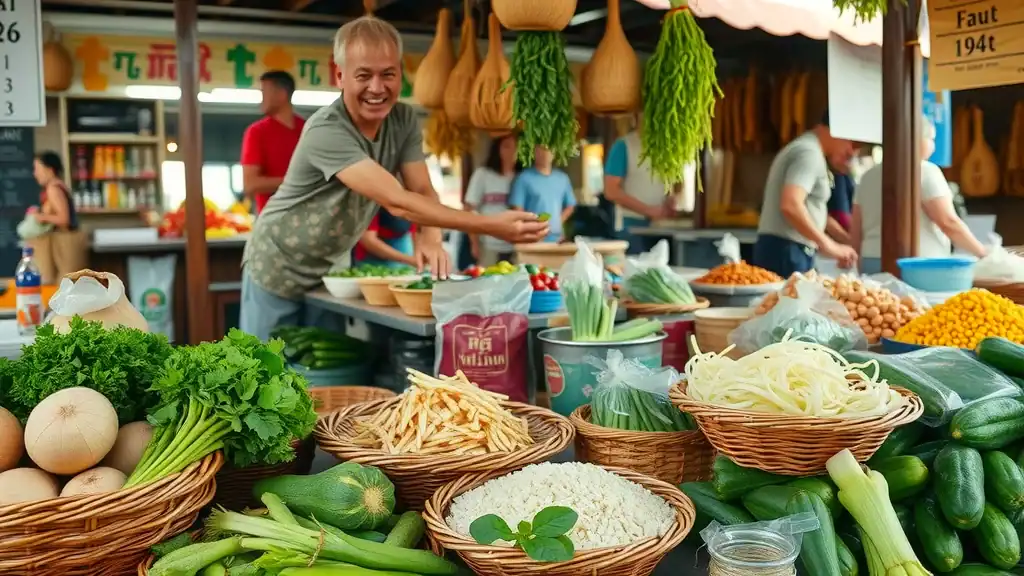
For the freshest flavors, visit local Thai markets—colorful stalls brimming with fragrant herbs, coconut, sticky rice, and various rice noodles. Seek out regional products like Northern Thailand’s sticky rice or Southern curry pastes. Asian supermarkets abroad now stock coconut milk, soy sauce, fish sauce, exotic fruits, and even ready-to-cook Thai kits.
A thailand local cuisine guide isn’t just about eating out—stocking your pantry with these staples lets you keep Thai flavors alive at home, experimenting and perfecting your favorite thai dishes.
People Also Ask: Thailand Local Cuisine Guide Frequently Searched Questions
What makes a dish authentic in the context of a Thailand Local Cuisine Guide?
Authenticity in Thai cuisine often lies in the careful balance of flavors, the use of traditional ingredients like fish sauce, soy sauce, kaffir lime leaves, and classic cooking techniques passed down through generations. Look for dishes prepared using original methods, featuring fresh herbs, local spices, and made with respect for regional differences—these are the hallmarks of an authentic thailand local cuisine guide.
How can a traveler experience local Thai cuisine like a resident?
To eat like a local, visit bustling food markets, try family-run eateries, and don’t be afraid to join the queue at busy street food stalls. Share dishes, ask for recommendations, and always approach meals with an adventurous spirit and willingness to try both classic and lesser-known thai dishes.
What are the must-try street food items in a comprehensive Thailand Local Cuisine Guide?
Essential street food items to try include pad thai, khao soi, grilled pork skewers, mango sticky rice, coconut pancakes (“khanom krok”), and fried rice. Every guide will point you to the local specialties unique to each region, so try at least one new dish in every town!
Where are the best regions for exploring Thailand local cuisine?
Northern Thailand (especially Chiang Mai) offers herbal, sticky rice-based dishes, Central Thailand is famous for world-renowned street food like pad thai and tom yum, while the South excels in coconut-rich curries and seafood. Each region promises new tastes—sample widely for the full experience.
Is Thailand local cuisine suitable for vegetarians and vegans?
Absolutely. Many thai dishes can be made plant-based, with tofu, vegetables, and mushrooms as tasty alternatives to meat, and soy sauce replacing fish-based condiments. Chiang Mai and most tourist towns offer vegetarian stalls and “jay” menus specifically for vegan eaters.
Exploring the Best of Thailand Local Cuisine: Lists and Recommendations
- Top 10 Thai Dishes to Try from This Thailand Local Cuisine Guide
1. Pad Thai
2. Tom Yum Soup
3. Green Curry
4. Khao Soi
5. Sticky Rice with Mango
6. Fried Rice
7. Pad See Ew
8. Larb (spicy salad)
9. Som Tam (papaya salad)
10. Satay Skewers - 5 Ingredients to Bring Home from Thailand Local Markets
1. Sticky Rice
2. Rice Noodles
3. Thai Fish Sauce or Soy Sauce
4. Coconut Milk
5. Kaffir Lime Leaves - Best Street Food Markets for Local Thai Dishes Across Thailand
1. Chatuchak Weekend Market (Bangkok)
2. Sunday Walking Street (Chiang Mai)
3. Phuket Night Market (Phuket)
4. Pattaya Night Bazaar (Pattaya)
5. Hua Hin Night Market (Hua Hin)
Watch our video for local chef and street vendor interviews—get real-life tips and recommendations on exploring Thai cuisine!
FAQs: Thailand Local Cuisine Guide
- What thai dish is most popular among locals?
Many locals love pad kra pao (stir-fried holy basil with pork or chicken), som tam (papaya salad), and simple grilled meats with sticky rice. Pad thai and fried rice are also ever-popular staples. - How is sticky rice used in Thai cuisine?
Sticky rice is paired with savory dishes (like grilled meats or spicy salads), formed into small balls and dipped into sauces, or sweetened for desserts (like with mango or durian). - Are soy sauce and fish sauce interchangeable in Thai cooking?
They are both umami-rich seasonings, but fish sauce delivers a more pungent, salty taste, while soy sauce is milder and works well in vegetarian dishes. They’re not directly interchangeable, but both are essential in the thailand local cuisine guide toolkit. - What is the difference between rice noodle and wide rice noodle?
Rice noodle (sen lek) is thin and perfect for soups and stir-fries like pad thai; wide rice noodle (sen yai) is broad and chewy, famously used in pad see ew. Each absorbs sauces differently and creates a distinct eating experience.
Expert Insights and Quotes on the Thailand Local Cuisine Guide
“Authentic thai street food brings you closer to Thai culture than any fancy restaurant ever could.”
“The beauty of thailand local cuisine guide lies in its regionally distinct flavors and community recipes passed down for generations.”
Key Takeaways from the Thailand Local Cuisine Guide
- Regional variety is fundamental—don’t confine yourself to only one area’s thai food.
- Street food is the heart of Thai cuisine—try pad thai, khao soi, and tom yum from markets for the fullest experience.
- Essential ingredients in Thai cooking include rice noodles, coconut milk, sticky rice, and soy sauce.
- Experience both thai restaurants and home cooking to appreciate the full spectrum of flavors.
Conclusion: Savoring the Adventure with the Ultimate Thailand Local Cuisine Guide
Continue Your Culinary Journey with the Thailand Local Cuisine Guide
“Let your tastebuds be your guide—explore and celebrate every bite of Thailand’s remarkable local cuisine.”
Your culinary adventure doesn’t end here—use this guide to try something new at every meal, connect with locals, and bring the flavors of Thailand home. If you’re eager to expand your horizons beyond food, our Southeast Asia backpacking guide offers inspiration and practical tips for crafting your ultimate adventure across the region. Let your curiosity lead you to new tastes, sights, and stories—there’s always another layer to discover in Southeast Asia.
Email us at kevin@southeastasiainsider.com for help with your next Asia Adventure
Exploring Thailand’s rich culinary landscape is a journey through diverse flavors and traditions. To deepen your understanding and appreciation of Thai cuisine, consider these insightful resources:
-
“A Culinary Guide to Bangkok” by National Geographic offers an in-depth look at Bangkok’s vibrant food scene, highlighting must-visit markets and traditional dishes that capture the essence of the city’s gastronomic heritage. (nationalgeographic.com)
-
“A Culinary Journey Through Thailand: Must-Visit Restaurants, Street Eats, and Hidden Gems” by Agoda provides a comprehensive overview of Thailand’s culinary delights, from bustling street food markets to esteemed dining establishments, guiding you to authentic flavors across the country. (agoda.com)
If you’re passionate about experiencing Thailand’s local cuisine authentically, these resources will equip you with the knowledge to savor the country’s diverse culinary offerings.